Logo

Birth chart of Kutte Widmann

Kutte Widmann birth chart is shown with zodiac signs, planetary houses, and aspects so it can be read as a complete astrological structure rather than a single Sun sign.

Kutte Widmann's chart is framed by Sun in Pisces, Moon in Gemini, and Scorpio Rising. These three factors give identity and ego, personal dream, play, childhood image, and first impression before the details.

Chart detail:

Sun square Moon (orb 2.2°) gives a central dynamic in this reading. The orb is tight enough to count in the main reading.

In plain terms, this aspect creates tension between conscious direction, the inner child, and the personal dream.

Because the birth time is available, houses and angular dominants can be used, with each conclusion tied to a precise chart combination.

Learn the zodiac signs  ·  Learn the planets  ·  Learn the houses  ·  Browse celebrity charts  ·  Calculate your own birth chart

Displayed: 02/03/1906, 22:45 at Berlin, Illinois
(89°54' W, 39°45' N, GMT -6.0).

Source: Astro-Databank
RSIIIIIIVVVIVIIVIIIIXMHXIXII15°16'20°43'7°41'7°46'6°12'29°7'19°32'15°49'20°51'9°33'11°43'
Displayed: 02/03/1906, 22:45 at Berlin, Illinois
(89°54' W, 39°45' N, GMT -6.0).

Source: Astro-Databank

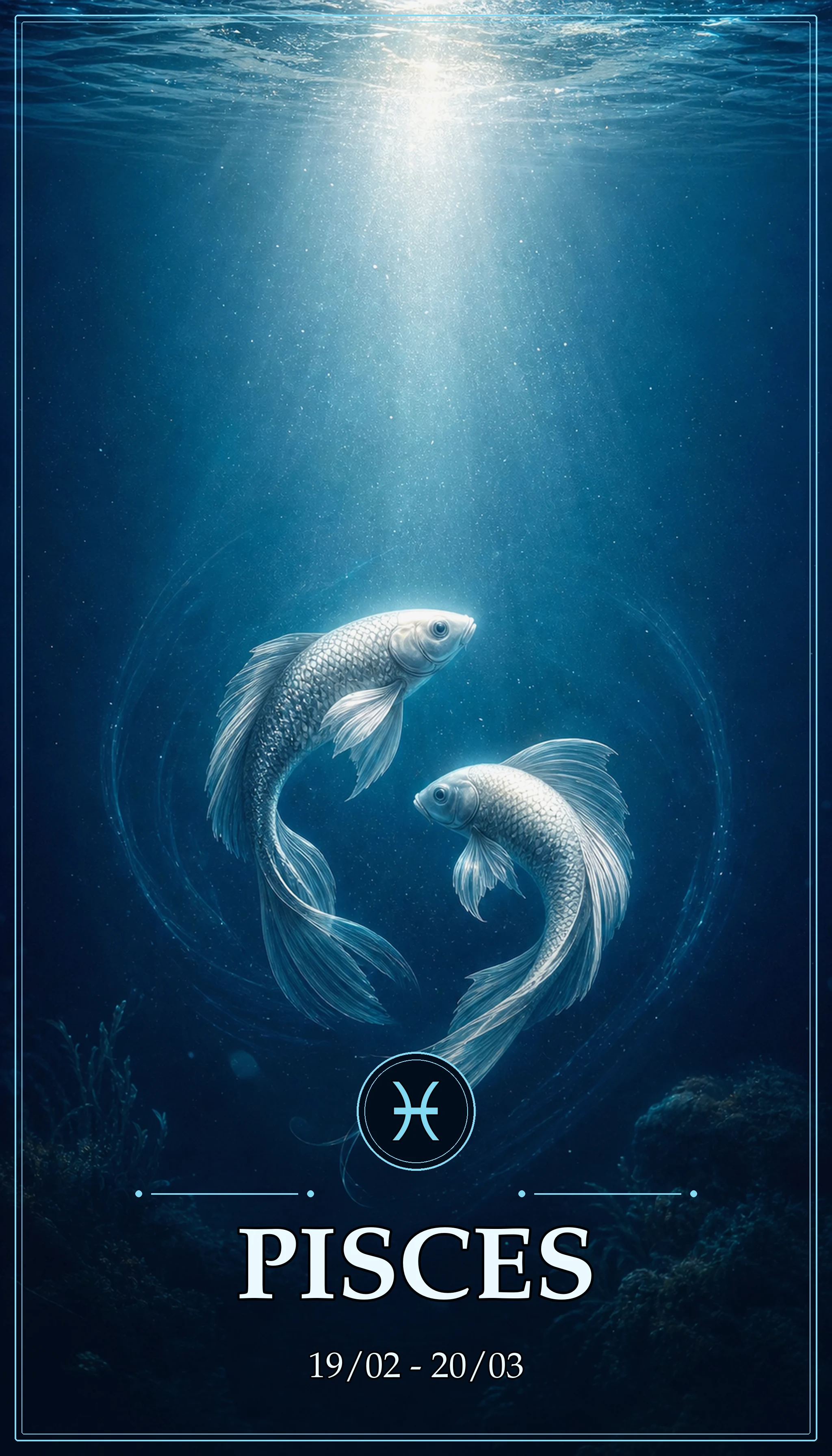
Sun Pisces
Pisces

Sun in Pisces

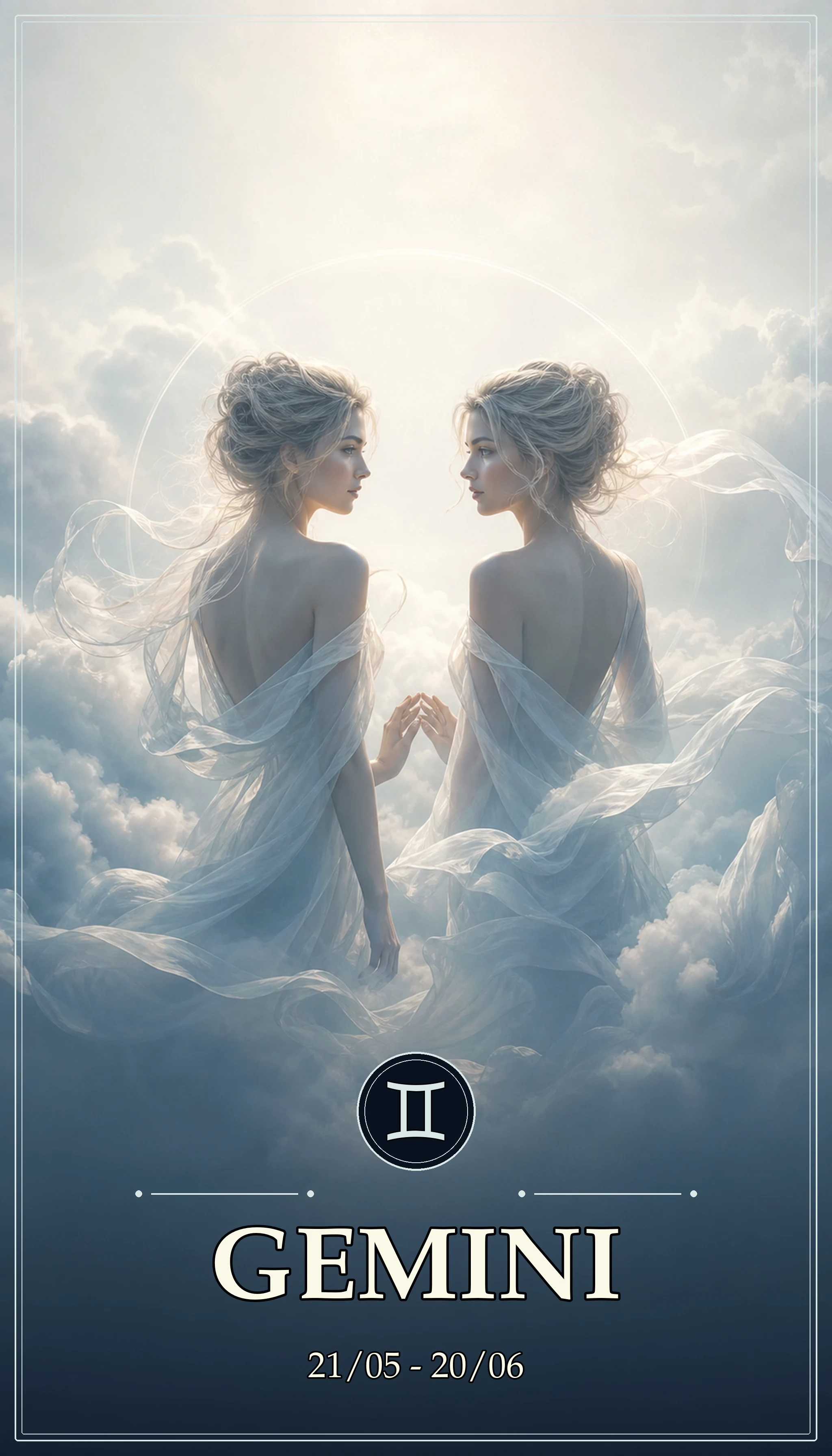
Moon Gemini
Gemini

Moon in Gemini

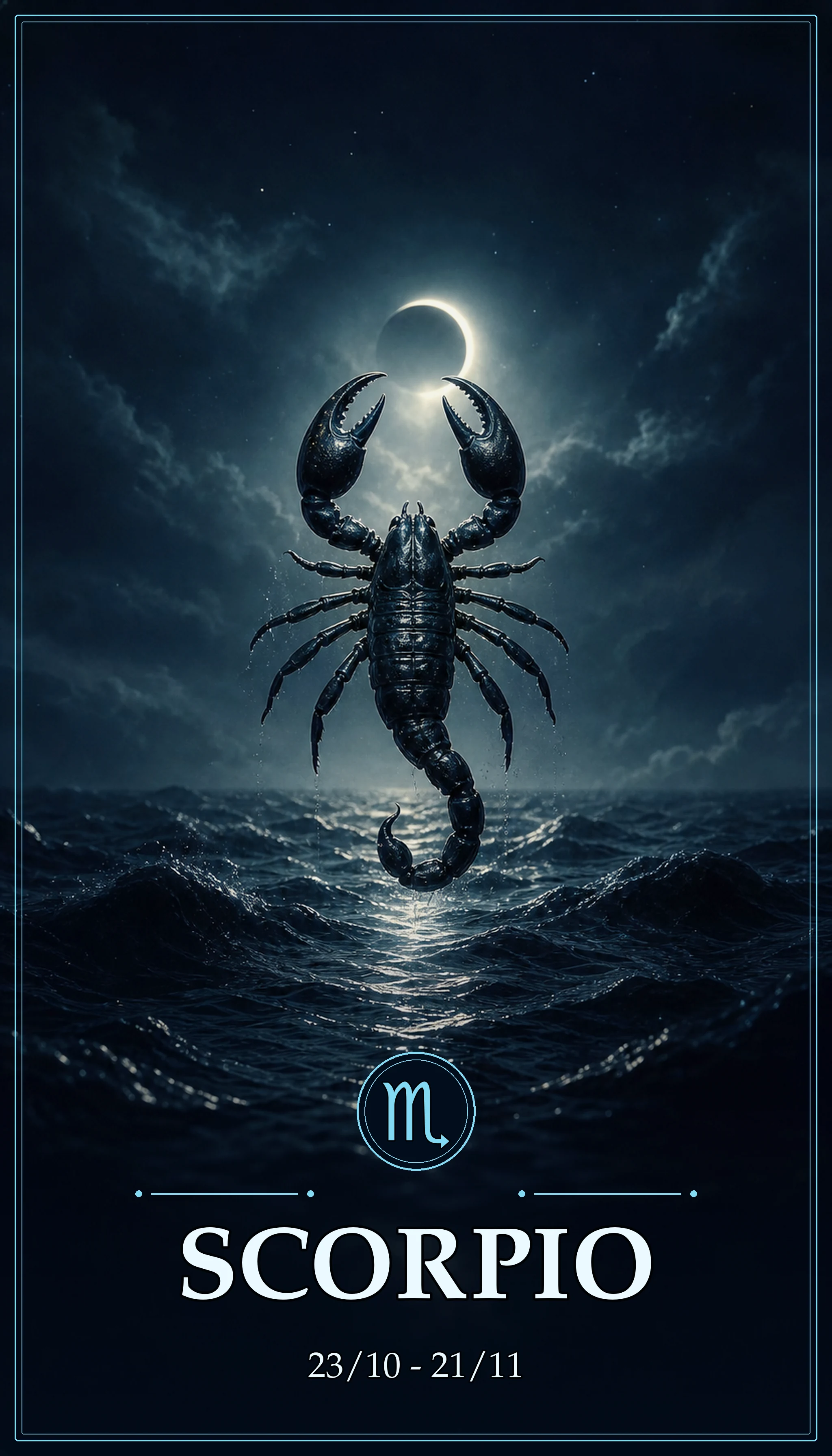
RS Scorpio
Scorpio

Rising sign in Scorpio


Element Sign Degrees Speed House
Sun Pisces 11° 42' 35" 1.002 / day 4
Moon Gemini 09° 33' 10" 11.958 / day 7
Mercury Pisces 20° 50' 36" 1.909 / day 4
Venus Pisces 15° 49' 07" 1.248 / day 4
Mars Aries 19° 32' 18" 0.737 / day 6
Jupiter Taurus 29° 06' 55" 0.123 / day 7
Saturn Pisces 06° 11' 34" 0.121 / day 4
Uranus Capricorn 07° 46' 23" 0.033 / day 2
Neptune Cancer 07° 40' 53" R -0.009 / day 8
Pluto Gemini 20° 42' 46" R -0.001 / day 8
Lilith Taurus 15° 16' 03" 0.112 / day 7
RS Scorpio 10° 51' 44"
MH Leo 18° 58' 33"

Click on a planet

 Log in or create and account to be able to save your own charts (it's free!).


Analysis

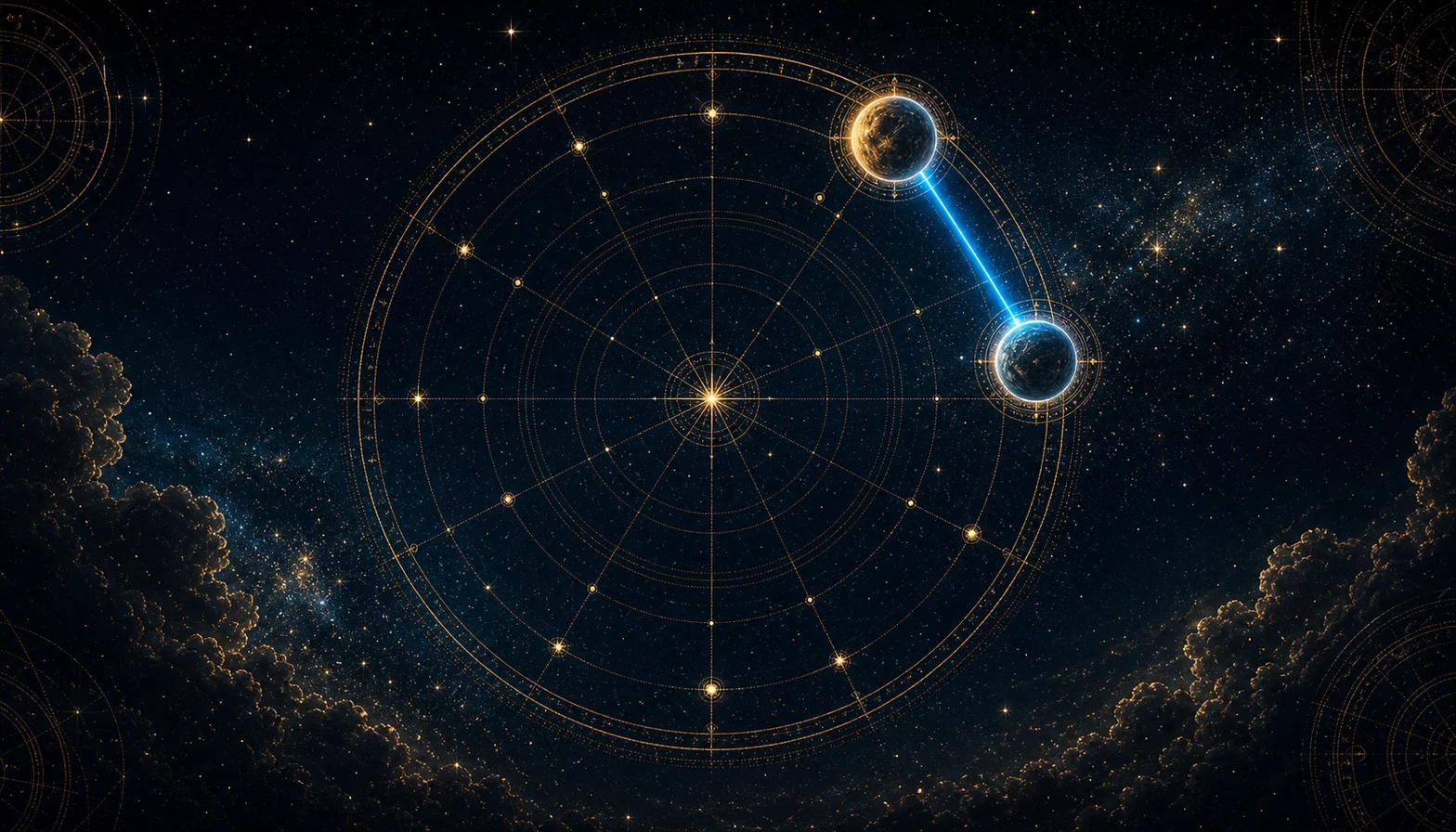
Astrological birth chart geometry with aspect lines
This visual shows the chart geometry before the reading separates the Big Three, planets, houses, and aspects.

How to read this chart

This section gives a concrete reading thread. It highlights the most visible signatures, then the tabs keep each placement separate instead of mixing everything together.

Reading map

Start here: a short reading that shows what hooks, what helps, what pushes back, and where it becomes concrete.

1. Big Three, Personal Essence

Sun in Pisces · Moon in Gemini · Scorpio Rising

First hook: this is where the chart often becomes recognizable in real life. Sun in Pisces: identity and direction move through imagination, faith, compassion, dream, and permeability; Moon in Gemini: emotional safety looks for curiosity, language, movement, and mental adaptation; Scorpio Rising: the first way into situations uses intensity, desire, crisis, secrecy, and invisible power. Then read the supports, tensions, and houses to see where this base becomes easy, charged, or visible.

2. Dominants (visible planets)

Visible planets: Lilith

Dominants are planets close to the Rising sign, Midheaven, Descendant, or IC. They describe what becomes visible quickly: presence, public role, direct relationship style, or private climate. Every angular dominant found within the orb is listed below.

  • Visible Lilith near the Descendant (orb 4.4°) Lilith is close to an angle: its signature shows more easily through direct relationships, partners, opponents, and the way others are met. Here, that highlights pure ideal, absolute demand, fascination, and refusal of compromise. It matters most when it repeats in choices, relationships, or visible role.
3. Important harmonious aspects

Harmonious circuit: Saturn, Neptune, Uranus, and Sun

This is the easiest door into the chart: it shows what tends to cooperate naturally.

This pattern describes what comes more easily. It shows up mainly through House 4 (home, family, and private life), House 2 (money, security, and self-worth), and House 8 (intimacy, shared money, crisis, and transformation). It connects Saturn (responsibility, limits, effort, and patience), Neptune (dreams, ideals, imagination, and confusion), Uranus (change, freedom, rupture, and originality), and Sun (identity, confidence, and direction).

This is the clearest cooperation pattern in the chart: Saturn trine Neptune (orb 1.5°), Saturn sextile Uranus (orb 1.6°), and Sun trine Neptune (orb 4°). It shows where functions support each other, recover, or come naturally when used together. Because several planets are connected, the full pattern matters more than one isolated aspect.

  • Harmony Saturn trine Neptune (orb 1.5°) Trine: Saturn in Pisces in House 4 can support Neptune in Cancer in House 8 naturally and positively. For this pair, the aspect gives positive ease giving solid form to a dream or collective image.
  • Harmony Saturn sextile Uranus (orb 1.6°) Sextile: Saturn in Pisces in House 4 can cooperate with Uranus in Capricorn in House 2 in the same concrete choice or situation.
  • Harmony Sun trine Neptune (orb 4°) Trine: Sun in Pisces in House 4 can support Neptune in Cancer in House 8 naturally and positively. For this pair, the aspect gives positive ease embodying an inspiring or popular image. Father-image layer: ego, personal direction, and the father imprint are supported by Neptune.
  • Harmony Sun sextile Uranus (orb 3.9°) Sextile: Sun in Pisces in House 4 can cooperate with Uranus in Capricorn in House 2 in the same concrete choice or situation. For this pair, the aspect lets identity and originality cooperate actively. Father-image layer: ego, personal direction, and the father imprint can cooperate with Uranus.
4. Important tensions

Tension circuit: Moon, Sun, and Saturn

This is the pressure line to read first: it shows where tension repeats in concrete situations.

This pattern shows where pressure builds fastest. It shows up mainly through House 4 (home, family, and private life) and House 7 (partners, contracts, and direct encounters with others). It connects Moon (emotional needs, instinct, and inner safety), Sun (identity, confidence, and direction), and Saturn (responsibility, limits, effort, and patience).

This is the clearest friction pattern in the chart: Sun square Moon (orb 2.2°) and Moon square Saturn (orb 3.4°). It shows where pressure, contradiction, or repeated effort concentrates. Because several planets are connected, the full pattern matters more than one isolated aspect.

  • Tension Sun square Moon (orb 2.2°) Square in real life: House 4 (roots, privacy, and inner foundation) is in friction with House 7 (relationship, confrontation, and the mirror of others); this can create blockage, inhibition, overreaction, or repeated conflict between the two fields. For this pair, the aspect creates tension between conscious direction, the inner child, and the personal dream.
  • Tension Moon square Saturn (orb 3.4°) Square in real life: House 7 (relationship, confrontation, and the mirror of others) is in friction with House 4 (roots, privacy, and inner foundation); this can create blockage, inhibition, overreaction, or repeated conflict between the two fields. For this pair, the aspect can make the personal dream and mother image feel supervised by Saturn: play, spontaneity, or childlike confidence meets fear, duty, restraint, or the need to hold it together.
5. Important houses

These houses answer the concrete question: where in life does the chart become visible? Look here for the repeated choices, relationships, work, or crises that make the rest of the chart real.

  • House 4: Sun, Mercury, Venus, and Saturn roots, privacy, and inner foundation.
  • House 7: Moon, Jupiter, and Lilith relationship, confrontation, and the mirror of others.
  • House 6: Mars daily work, technique, and bodily discipline.


Sun
Sun in Pisces Identity, ego, father figure
Moon
Moon in Gemini Dream, inner child, mother figure
Rising sign Scorpio
Rising in Scorpio First impression, entry style
The three foundations

Start from the three base placements below: the Sun gives identity, ego, and father image; the Moon gives personal dream, play, childhood imprint, mother image, and the inner child; the Rising sign gives first impression, body language, and entry style. Then dominant planets and exact aspects show what carries the most weight.

Dominant layer: Lilith near the Descendant (orb 4.4°) is close enough to an angle to color what other people perceive. Lilith (pure ideal, absolute demand, fascination, and refusal of compromise) is most visible through direct relationships, partners, opponents, and the way others are met.

Kutte Widmann has Sun in Pisces, in the House 4

How to read this placement

Sun in Pisces in House 4 is one concrete combination: the Sun gives identity, ego, father figure, visibility, and direction, the Pisces style gives imagination, faith, compassion, dream, and permeability, and House 4 gives the life field: roots, privacy, and inner foundation.

More about this placement

Concretely, this placement brings identity, ego, father figure, recognition, and personal direction into family, home, privacy, roots, and psychological foundation. House 4 (roots, privacy, and inner foundation) gives the field; exact aspects show whether the planet is supported, blocked, fused, or contradicted.

Aspect connected to this placement: Sun square Moon (orb 2.2°). Aspect effect: creates tension between conscious direction, the inner child, and the personal dream.

With the Sun in Pisces, identity forms through imagination, sensitivity, compassion, retreat, and porous contact with the invisible atmosphere around life. The person often needs art, spirituality, dream, music, solitude, or service to something larger than the ego. This placement can give empathy, adaptability, symbolic intelligence, and the ability to feel what others cannot name. It is not only confusion; it is the need to live with permeable boundaries. When ungrounded, the person may avoid definition, absorb too much, or drift away from practical reality.
In the 4th house, the Sun puts identity into roots, family, private life, home, memory, and the inner foundation of the chart. The person may need a strong base before they can act confidently in the world. Their ego is not only public; it is shaped by origin, family position, and the private place where they feel real. At best, this gives inner authority, loyalty, and the ability to build a stable home or private center. Under stress, it can make family history, emotional security, or the need to belong carry too much weight.

    Sun square Moon (orb 2.2°) creates concrete friction between the two planets. The orb is tight enough to count in the main reading.

    Here, Sun in Pisces in House 4 brings identity, ego, father figure, visibility, and direction into House 4 (roots, privacy, and inner foundation), with Pisces style (imagination, faith, compassion, dream, and permeability); Moon in Gemini in House 7 brings personal dream, play, inner child, childhood imprint, mother figure, mother image, optimism, and inner rhythm into House 7 (relationship, confrontation, and the mirror of others), with Gemini style (curiosity, language, movement, and mental adaptation).

    Concrete friction: this aspect creates tension between conscious direction, the inner child, and the personal dream. House 4 (roots, privacy, and inner foundation) is in friction with House 7 (relationship, confrontation, and the mirror of others); this can create blockage, inhibition, overreaction, or repeated conflict between the two fields.

    Sun conjunct Venus (orb 4.1°) brings the two planets out together. The orb is moderate; it stays secondary beside tighter signatures.

    Here, both planets pass through the same life area: House 4 (roots, privacy, and inner foundation), with the same Pisces style (imagination, faith, compassion, dream, and permeability). Sun in Pisces in House 4 brings identity, ego, father figure, visibility, and direction; Venus in Pisces in House 4 brings desire, taste, relationship, and attraction.

    Concrete effect: this aspect brings identity, ego, father image, desire, taste, and attraction together: the person wants to be seen through what they love or embody.

    Reading note: Common solar conjunction: Mercury and Venus always stay close to the Sun. It becomes genuinely meaningful when the orb is very tight, one factor is angular, or the same theme repeats elsewhere.

    Sun trine Neptune (orb 4°) shows positive structural ease between the two planets. The orb is moderate; it stays secondary beside tighter signatures.

    Concrete support: this aspect gives positive ease embodying an inspiring or popular image. Father-image layer: ego, personal direction, and the father imprint are supported by Neptune.

    Sun conjunct Saturn (orb 5.5°) brings the two planets out together. The orb is moderate; it stays secondary beside tighter signatures.

    Here, both planets pass through the same life area: House 4 (roots, privacy, and inner foundation), with the same Pisces style (imagination, faith, compassion, dream, and permeability). Sun in Pisces in House 4 brings identity, ego, father figure, visibility, and direction; Saturn in Pisces in House 4 brings discipline, constraint, endurance, and mastery.

    Concrete effect: this aspect ties identity, ego, and father image to discipline, duty, mastery, and long construction.

    Sun sextile Lilith (orb 3.6°) shows active cooperation between the two planets. The orb is moderate; it stays secondary beside tighter signatures.

    Here, Sun in Pisces in House 4 brings identity, ego, father figure, visibility, and direction into House 4 (roots, privacy, and inner foundation), with Pisces style (imagination, faith, compassion, dream, and permeability); Lilith in Taurus in House 7 brings pure ideal, absolute demand, fascination, and refusal of compromise into House 7 (relationship, confrontation, and the mirror of others), with Taurus style (nature, good food, physical sensuality, roots, resources, and perseverance).

    Concrete cooperation: identity can cooperate with Lilith's ideal when that demand receives a concrete form. Father-image layer: ego, personal direction, and the father imprint can cooperate with Lilith. Visible angle: Lilith near the Descendant (orb 4.4°) touches an angle; this aspect is easier to notice through direct relationships, partners, opponents, and the way others are met.

    Sun sextile Uranus (orb 3.9°) shows active cooperation between the two planets. The orb is moderate; it stays secondary beside tighter signatures.

    Concrete cooperation: identity and originality can cooperate actively. Father-image layer: ego, personal direction, and the father imprint can cooperate with Uranus.


Kutte Widmann has Moon in Gemini, in the House 7

How to read this placement

Moon in Gemini in House 7 is one concrete combination: the Moon gives personal dream, play, inner child, childhood imprint, mother figure, mother image, optimism, and inner rhythm, the Gemini style gives curiosity, language, movement, and mental adaptation, and House 7 gives the life field: relationship, confrontation, and the mirror of others.

More about this placement

Concretely, this placement brings personal dream, play instinct, inner child, childhood imprint, mother figure, mother image, optimism, and inner rhythm into partners, clients, opponents, negotiations, and direct confrontations. House 7 (relationship, confrontation, and the mirror of others) gives the field; exact aspects show whether the planet is supported, blocked, fused, or contradicted.

With the Moon in Gemini, the inner child stays alive through words, humor, curiosity, movement, and exchange. The personal dream often needs language: naming things, comparing stories, asking questions, and keeping the mind in circulation. This Moon can give adaptability, wit, nervous intelligence, and a talent for translating inner states into speech. The mother image or childhood imprint may be linked to talking, learning, siblings, mobility, or a home where everything had to be understood quickly. When scattered, it can turn everything into thought, change moods quickly, or stay busy to avoid one difficult feeling.
In the 7th house, the Moon brings personal dream, inner child, and childhood imprint into partnership, confrontation, clients, opponents, and the mirror of other people. The person often discovers their feelings through relationship: a partner's mood, approval, absence, or conflict can strongly affect inner security. The inner child looks for companionship and may need to feel chosen. At best, this gives relational sensitivity, tenderness, and a gift for sensing what another person needs. Under stress, it can become dependency, projection, fear of being alone, or changing too much to keep the relationship safe.

    Same aspect, other side: the full reading is under the other planet, and it also applies to Moon.

    Open the full aspect reading under Sun

    Moon square Saturn (orb 3.4°) creates concrete friction between the two planets. The orb is tight enough to count in the main reading.

    Here, Moon in Gemini in House 7 brings personal dream, play, inner child, childhood imprint, mother figure, mother image, optimism, and inner rhythm into House 7 (relationship, confrontation, and the mirror of others), with Gemini style (curiosity, language, movement, and mental adaptation); Saturn in Pisces in House 4 brings discipline, constraint, endurance, and mastery into House 4 (roots, privacy, and inner foundation), with Pisces style (imagination, faith, compassion, dream, and permeability).

    Concrete friction: this aspect can make the personal dream and mother image feel supervised by Saturn: play, spontaneity, or childlike confidence meets fear, duty, restraint, or the need to hold it together. House 7 (relationship, confrontation, and the mirror of others) is in friction with House 4 (roots, privacy, and inner foundation); this can create blockage, inhibition, overreaction, or repeated conflict between the two fields.


Kutte Widmann has Rising sign in Scorpio

How to read this placement

Scorpio Rising combines the Rising sign with the sign on the first-house cusp. The Rising sign describes first impression, body language, reflexes, and the way the person enters situations; the Scorpio style gives intensity, desire, crisis, secrecy, and invisible power.

More about this placement

Concretely, this signature appears through immediate presence: posture, arrival rhythm, spontaneous reaction, and first contact with other people. A planet close to the Rising sign can become louder than the sign itself.

Scorpio rising gives an intense first impression: gaze, privacy, control, and the sense that more is happening underneath than what is said. The person often meets life by reading power, risk, desire, and hidden motives quickly.


Mercury
Mercury Intellect, language, technique
Venus
Venus Desire, taste, attraction
Mars
Mars Action, courage, competition
Jupiter
Jupiter Fulfillment, confidence, horizons

Kutte Widmann has Mercury in Pisces, in the House 4

How to read this placement

Mercury in Pisces in House 4 is one concrete combination: Mercury gives intellect, language, thought, and technique, the Pisces style gives imagination, faith, compassion, dream, and permeability, and House 4 gives the life field: roots, privacy, and inner foundation.

More about this placement

Concretely, this placement brings thinking, speech, learning, technique, and mental strategy into family, home, privacy, roots, and psychological foundation. House 4 (roots, privacy, and inner foundation) gives the field; exact aspects show whether the planet is supported, blocked, fused, or contradicted.

Aspect connected to this placement: Mercury square Pluto (orb 0.1°). Aspect effect: creates tension between thought, obsession, secrecy, and control: analysis can become too suspicious, harsh, or focused on crisis.

With Mercury in Pisces, the intellect is imaginal, associative, symbolic, and sensitive to atmosphere. The person may understand through images, music, dreams, intuition, empathy, or impressions before logic catches up. This placement can give poetic language, spiritual imagination, compassion in speech, and the ability to sense subtle meaning. It is not stupid or weak; it thinks through permeability. Under stress, it can blur facts, avoid precision, absorb other people's ideas, or say something beautiful without making it clear.
In the 4th house, Mercury puts intellect into family, memory, home, origins, and the private base of the chart. The person may think a lot about the past, family stories, roots, housing, or the emotional logic of the private world. Speech may be more intimate than public, and learning can be shaped strongly by the early environment. At best, this gives memory, psychological observation, and the ability to name what happens inside a family or home. Under stress, it can become rumination, private anxiety, family arguments, or difficulty leaving old narratives behind.

    Mercury square Pluto (orb 0.1°) creates concrete friction between the two planets. The orb is extremely tight; this aspect is one of the chart's strongest signals.

    Here, Mercury in Pisces in House 4 brings intellect, language, thought, and technique into House 4 (roots, privacy, and inner foundation), with Pisces style (imagination, faith, compassion, dream, and permeability); Pluto in Gemini in House 8 brings crisis, power, survival, and regeneration into House 8 (sexuality, shared power, crisis, and invisible bonds), with Gemini style (curiosity, language, movement, and mental adaptation).

    Concrete friction: this aspect creates tension between thought, obsession, secrecy, and control: analysis can become too suspicious, harsh, or focused on crisis. House 4 (roots, privacy, and inner foundation) is in friction with House 8 (sexuality, shared power, crisis, and invisible bonds); this can create blockage, inhibition, overreaction, or repeated conflict between the two fields.

    Mercury conjunct Venus (orb 5°) brings the two planets out together. The orb is moderate; it stays secondary beside tighter signatures.

    Here, both planets pass through the same life area: House 4 (roots, privacy, and inner foundation), with the same Pisces style (imagination, faith, compassion, dream, and permeability). Mercury in Pisces in House 4 brings intellect, language, thought, and technique; Venus in Pisces in House 4 brings desire, taste, relationship, and attraction.

    Concrete effect: this aspect brings intellect, language, taste, desire, and charm together: thought seeks an attractive or pleasant form.


Kutte Widmann has Venus in Pisces, in the House 4

How to read this placement

Venus in Pisces in House 4 is one concrete combination: Venus gives desire, taste, relationship, and attraction, the Pisces style gives imagination, faith, compassion, dream, and permeability, and House 4 gives the life field: roots, privacy, and inner foundation.

More about this placement

Concretely, this placement brings desire, taste, attraction, pleasure, and love style into family, home, privacy, roots, and psychological foundation. House 4 (roots, privacy, and inner foundation) gives the field; exact aspects show whether the planet is supported, blocked, fused, or contradicted.

Aspect connected to this placement: Venus sextile Lilith (orb 0.6°). Aspect effect: lets Venus use Lilith's ideal actively, giving attraction or art a precise uncompromising charge.

With Venus in Pisces, affection is porous, romantic, compassionate, and strongly moved by imagination. The person may love through empathy, music, poetry, spiritual feeling, sacrifice, or the wish to dissolve separation. This is one of Venus's strongest signs, so beauty can feel sacred or emotionally overwhelming. Taste can be dreamy, oceanic, soft, mystical, or cinematic. Under stress, it can idealize, avoid limits, fall for a fantasy, or give too much before checking whether the other person is really there.
In the 4th house, Venus puts attraction and pleasure into home, family, roots, private life, memory, and emotional safety. The person may need a beautiful, peaceful, or affectionate private base to feel open to love. Taste often appears in the home, in family rituals, or in the desire to create a soft refuge. At best, this gives warmth, hospitality, loyalty, and the ability to make private life beautiful. Under stress, it can become avoidance of family conflict, attachment to comfort, idealization of the past, or needing the home to stay pleasant at any cost.

    Venus sextile Lilith (orb 0.6°) shows active cooperation between the two planets. The orb is extremely tight; this aspect is one of the chart's strongest signals.

    Here, Venus in Pisces in House 4 brings desire, taste, relationship, and attraction into House 4 (roots, privacy, and inner foundation), with Pisces style (imagination, faith, compassion, dream, and permeability); Lilith in Taurus in House 7 brings pure ideal, absolute demand, fascination, and refusal of compromise into House 7 (relationship, confrontation, and the mirror of others), with Taurus style (nature, good food, physical sensuality, roots, resources, and perseverance).

    Concrete cooperation: Venus can use Lilith's ideal actively, giving attraction or art a precise uncompromising charge. Visible angle: Lilith near the Descendant (orb 4.4°) touches an angle; this aspect is easier to notice through direct relationships, partners, opponents, and the way others are met.

    Same aspect, other side: the full reading is under the other planet, and it also applies to Venus.

    Open the full aspect reading under Sun

    Same aspect, other side: the full reading is under the other planet, and it also applies to Venus.

    Open the full aspect reading under Mercury

    Venus square Pluto (orb 4.9°) creates concrete friction between the two planets. The orb is moderate; it stays secondary beside tighter signatures.

    Concrete friction: this aspect creates compulsive friction around desire, jealousy, possession, sexual power, and the fear of being controlled or devalued: attraction can become a test, a fixation, a power struggle, or a refusal to be vulnerable. House 4 (roots, privacy, and inner foundation) is in friction with House 8 (sexuality, shared power, crisis, and invisible bonds); this can create blockage, inhibition, overreaction, or repeated conflict between the two fields.


Kutte Widmann has Mars in Aries, in the House 6

How to read this placement

Mars in Aries in House 6 is one concrete combination: Mars gives action, courage, competition, and effort, the Aries style gives initiative, speed, confrontation, and direct action, and House 6 gives the life field: daily work, technique, and bodily discipline.

More about this placement

Concretely, this placement brings action, anger, courage, competition, and effort into daily work, technical gestures, habits, and bodily discipline. House 6 (daily work, technique, and bodily discipline) gives the field; exact aspects show whether the planet is supported, blocked, fused, or contradicted.

Aspect connected to this placement: Mars sextile Pluto (orb 1.2°). Aspect effect: shows active cooperation between Mars (action, courage, competition, and effort) and Pluto: the person can use pressure or difficult situations as a resource.

With Mars in Aries, action is direct, fast, and instinctive. The person tends to act before the room has finished discussing the problem, and courage is often easier than patience. At best this gives initiative, physical drive, competitive freshness, and the ability to start things without asking permission. Under stress, the same Mars can become impulsive, blunt, reactive, or unable to wait for other people to catch up.
In the 6th house, Mars puts action into work, routine, service, health, tools, technique, and the discipline of the body. The person may have strong work energy and a need to attack tasks directly. Anger often appears when systems are inefficient, bodies are overstrained, or responsibilities pile up. At best, this gives stamina, technical courage, productive discipline, and the ability to solve practical problems quickly. Under stress, it can become work conflict, burnout, irritation, accidents through haste, or treating the body like a machine.
    Mars sextile Pluto (orb 1.2°) shows active cooperation between the two planets. The orb is very tight; this describes a stable character pattern more than a passing reaction.

    Here, Mars in Aries in House 6 brings action, courage, competition, and effort into House 6 (daily work, technique, and bodily discipline), with Aries style (initiative, speed, confrontation, and direct action); Pluto in Gemini in House 8 brings crisis, power, survival, and regeneration into House 8 (sexuality, shared power, crisis, and invisible bonds), with Gemini style (curiosity, language, movement, and mental adaptation).

    Concrete cooperation: this aspect shows active cooperation between Mars (action, courage, competition, and effort) and Pluto: the person can use pressure or difficult situations as a resource.


Kutte Widmann has Jupiter in Taurus, in the House 7

How to read this placement

Jupiter in Taurus in House 7 is one concrete combination: Jupiter gives personal fulfillment, confidence, encouragement, and broader horizons, the Taurus style gives nature, good food, physical sensuality, roots, resources, and perseverance, and House 7 gives the life field: relationship, confrontation, and the mirror of others.

More about this placement

Concretely, this placement brings personal fulfillment, confidence, and opening of horizons into partners, clients, opponents, negotiations, and direct confrontations. House 7 (relationship, confrontation, and the mirror of others) gives the field; exact aspects show whether the planet is supported, blocked, fused, or contradicted.

With Jupiter in Taurus, the person finds fulfillment through stability, comfort, the body, money, nature, and the slow enjoyment of life. They often feel more confident when resources are secure and pleasure is allowed to become simple and concrete. This Jupiter can bring generosity, sensual appreciation, patience, and talent for building value over time. Under stress, it can become lazy, possessive, overly attached to comfort, or resistant to necessary change.
With Jupiter in the 7th house, the person finds fulfillment through partnership, clients, contracts, opponents, and direct relationship. Others can widen life: partners, mentors, allies, audiences, or even worthy rivals may reveal a fuller version of the self. At best, this gives generosity in partnership, social luck, legal or contractual ease, and faith in cooperation. Under stress, it can become overidealizing partners, expecting the other person to provide meaning, avoiding conflict through optimism, or making promises too quickly.


Saturn
Saturn Discipline, limits, structure
Uranus
Uranus Freedom, rupture, invention
Neptune
Neptune Image, popularity, inspiration
Pluto
Pluto Crisis, power, regeneration
Lilith
Lilith Ideal, fascination, refusal

Kutte Widmann has Saturn in Pisces, in the House 4

How to read this placement

Saturn in Pisces in House 4 is one concrete combination: Saturn gives discipline, constraint, endurance, and mastery, the Pisces style gives imagination, faith, compassion, dream, and permeability, and House 4 gives the life field: roots, privacy, and inner foundation.

More about this placement

Concretely, this placement brings discipline, limits, duty, fear, and long construction into family, home, privacy, roots, and psychological foundation. House 4 (roots, privacy, and inner foundation) gives the field; exact aspects show whether the planet is supported, blocked, fused, or contradicted.

Aspect connected to this placement: Saturn trine Neptune (orb 1.5°). Aspect effect: gives positive ease giving solid form to a dream or collective image.

With Saturn in Pisces, discipline is applied to imagination, faith, compassion, retreat, and the invisible side of life. The person may need to give shape to dreams, spiritual sensitivity, artistic feeling, or long periods of solitude. This can give quiet endurance, serious intuition, and the ability to make something concrete from a subtle inner world. Under stress, it can become confusion, guilt, porous boundaries, or fear that reality will dissolve if it is not tightly controlled.
In the 4th house, Saturn puts responsibility into family, home, roots, memory, childhood, and the private base of life. The person may feel they must build inner security through effort rather than receiving it easily. At best, this gives emotional endurance, loyalty to roots, capacity to protect a household, and maturity in private life. Under stress, it can become loneliness, family burden, emotional coldness, fear of dependence, or a home life organized more by duty than warmth.

    Saturn trine Neptune (orb 1.5°) shows positive structural ease between the two planets. The orb is very tight; this describes a stable character pattern more than a passing reaction.

    Here, Saturn in Pisces in House 4 brings discipline, constraint, endurance, and mastery into House 4 (roots, privacy, and inner foundation), with Pisces style (imagination, faith, compassion, dream, and permeability); Neptune in Cancer in House 8 brings imagination, image, popularity, collective moods, and inspiration into House 8 (sexuality, shared power, crisis, and invisible bonds), with Cancer style (memory, protection, belonging, and family sensitivity).

    Concrete support: this aspect gives positive ease giving solid form to a dream or collective image.

    Saturn sextile Uranus (orb 1.6°) shows active cooperation between the two planets. The orb is very tight; this describes a stable character pattern more than a passing reaction.

    Here, Saturn in Pisces in House 4 brings discipline, constraint, endurance, and mastery into House 4 (roots, privacy, and inner foundation), with Pisces style (imagination, faith, compassion, dream, and permeability); Uranus in Capricorn in House 2 brings disruption, independence, and change into House 2 (resources, values, and security), with Capricorn style (structure, ambition, responsibility, and long construction).

    Concrete cooperation: this aspect gives positive cooperation between Saturn (discipline, constraint, endurance, and mastery) and Uranus (disruption, independence, and change) in concrete situations.

    Same aspect, other side: the full reading is under the other planet, and it also applies to Saturn.

    Open the full aspect reading under Sun

    Same aspect, other side: the full reading is under the other planet, and it also applies to Saturn.

    Open the full aspect reading under Moon


Kutte Widmann has Uranus in Capricorn, in the House 2

How to read this placement

Uranus in Capricorn in House 2 is one concrete combination: Uranus gives disruption, independence, and change, the Capricorn style gives structure, ambition, responsibility, and long construction, and House 2 gives the life field: resources, values, and security.

More about this placement

Concretely, this placement brings freedom, disruption, broken rhythms, and the need for independence into personal money, possessions, security needs, and value choices. House 2 (resources, values, and security) gives the field; exact aspects show whether the planet is supported, blocked, fused, or contradicted.

With Uranus in Capricorn, independence expresses itself through career, hierarchy, institutions, authority, and public structure. The person may challenge old systems from inside the system, or build a professional path that does not follow the expected ladder. This placement can give strategic reform, practical innovation, and the ability to modernize rigid organizations. Under stress, it can bring sudden career breaks, conflict with authority, or a cold need to overturn structures before knowing what replaces them.
In the 2nd house, Uranus puts independence and experimentation into money, resources, body, voice, skills, and personal value. The person may need unusual ways to earn, own, trade, or define security. At best, this gives inventive resourcefulness, technical or unconventional skills, freedom from inherited material values, and the ability to adapt quickly when circumstances change. Under stress, it can become financial instability, nervous spending, rejection of practical limits, or a value system that changes too abruptly to feel grounded.


Kutte Widmann has Neptune in Cancer, in the House 8

How to read this placement

Neptune in Cancer in House 8 is one concrete combination: Neptune gives imagination, image, popularity, collective moods, and inspiration, the Cancer style gives memory, protection, belonging, and family sensitivity, and House 8 gives the life field: sexuality, shared power, crisis, and invisible bonds.

More about this placement

Concretely, this placement brings imagination, image, popularity, and the ability to read collective currents into sexuality, shared money, crises, dependencies, and power dynamics. House 8 (sexuality, shared power, crisis, and invisible bonds) gives the field; exact aspects show whether the planet is supported, blocked, fused, or contradicted.

With Neptune in Cancer, the dream function takes the color of childhood, family, memory, home, protection, and emotional belonging. The person may sense collective moods through nostalgia, care, vulnerability, national feeling, or the need to feel held. This placement can give deep tenderness, popular emotional resonance, and an instinct for images that make people feel safe. Under stress, it can idealize family, absorb other people's emotions too easily, or confuse protection with dependency.
In the 8th house, Neptune puts sensitivity and fog into intimacy, sexuality, shared resources, trust, crisis, and invisible power. The person may long for deep fusion, spiritual sexuality, or compassion inside intense bonds. At best, this gives intuitive depth, healing intimacy, sexual imagination, and the ability to feel the invisible currents in shared life. Under stress, it can become blurred consent, financial confusion with others, manipulation through pity, intoxication with crisis, or difficulty seeing where one's desire ends and another person's begins.


Kutte Widmann has Pluto in Gemini, in the House 8

How to read this placement

Pluto in Gemini in House 8 is one concrete combination: Pluto gives crisis, power, survival, and regeneration, the Gemini style gives curiosity, language, movement, and mental adaptation, and House 8 gives the life field: sexuality, shared power, crisis, and invisible bonds.

More about this placement

Concretely, this placement brings crisis, power, sexuality, survival, and transformation into sexuality, shared money, crises, dependencies, and power dynamics. House 8 (sexuality, shared power, crisis, and invisible bonds) gives the field; exact aspects show whether the planet is supported, blocked, fused, or contradicted.

With Pluto in Gemini, power concentrates around words, information, learning, media, and the ability to influence perception. The person may be drawn to hidden facts, forbidden questions, sharp arguments, or the power of language to expose and manipulate. This placement can give investigative intelligence, persuasive speech, and the ability to change how people think by revealing difficult information. Under stress, it can become mental obsession, verbal control, paranoia around information, or using knowledge as a weapon.
In the 8th house, Pluto is in one of its most natural fields: intimacy, sexuality, shared resources, trust, crisis, death, inheritance, debt, and invisible social power. The person may be drawn to the places where life becomes intense and cannot stay superficial. At best, this gives psychological depth, sexual power, crisis mastery, financial instinct with shared resources, and the capacity for profound regeneration. Under stress, it can become compulsion, control through sex or money, fascination with danger, trauma loops, or using invisible leverage instead of direct trust.


Kutte Widmann has Lilith in Taurus, in the House 7

How to read this placement

Lilith in Taurus in House 7 is one concrete combination: Lilith gives pure ideal, absolute demand, fascination, and refusal of compromise, the Taurus style gives nature, good food, physical sensuality, roots, resources, and perseverance, and House 7 gives the life field: relationship, confrontation, and the mirror of others.

More about this placement

Concretely, this placement brings the pure ideal, absolute demand, desire, fascination, and what refuses to become ordinary into partners, clients, opponents, negotiations, and direct confrontations. House 7 (relationship, confrontation, and the mirror of others) gives the field; exact aspects show whether the planet is supported, blocked, fused, or contradicted.

Visible angle: Lilith near the Descendant (orb 4.4°) touches an angle; this placement is easier to notice through direct relationships, partners, opponents, and the way others are met.

With Black Moon Lilith in Taurus, the non-negotiable point concerns body, pleasure, money, possession, voice, and personal value. The person may refuse to let others define what is desirable, beautiful, safe, or worth keeping. This placement can give deep sensual truth, material magnetism, and a strong instinct for what the body wants. Under stress, it can become possessiveness, refusal to let go, fixation on comfort, or the feeling that no amount of security is ever enough.
In the 7th house, Black Moon Lilith puts absolute desire and taboo into partnership, clients, contracts, opponents, and direct relationship. The person may attract intense others and may refuse relationships that require self-betrayal. At best, this gives radical honesty in partnership, erotic truth, courage to name what the relationship actually wants, and refusal of polite lies. Under stress, it can become projection, fascination with unavailable partners, destructive rivalry, refusal of compromise, or testing the other person until trust breaks.