Logo

Birth chart of Karl von Weizsäcker

Karl von Weizsäcker birth chart is shown with zodiac signs, planetary houses, and aspects so it can be read as a complete astrological structure rather than a single Sun sign.

Karl von Weizsäcker's chart is framed by Sun in Pisces, Moon in Virgo, and Pisces Rising. These three factors give identity and ego, personal dream, play, childhood image, and first impression before the details.

Chart detail:

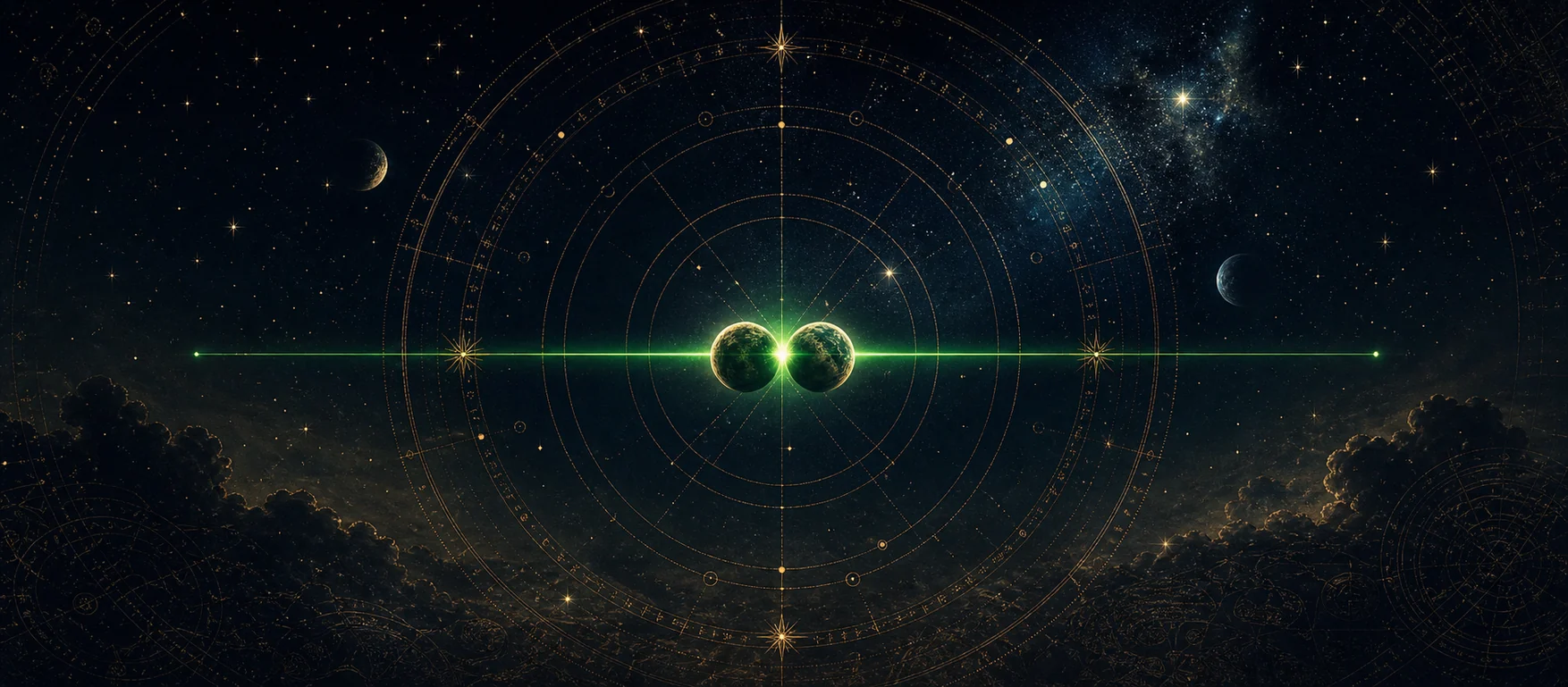
Venus square Lilith (orb 1.4°) gives a central dynamic in this reading. The orb is very tight; this describes a stable character pattern more than a passing reaction.

In plain terms, this aspect creates tension between relationship, pleasure, desire, impossible ideal, and the need not to yield.

Because the birth time is available, houses and angular dominants can be used, with each conclusion tied to a precise chart combination.

Learn the zodiac signs  ·  Learn the planets  ·  Learn the houses  ·  Browse celebrity charts  ·  Calculate your own birth chart

Displayed: 25/02/1853, 07:30 at Stuttgart, Germany
(9°11' E, 48°45' N, GMT 0.612222222222222).

Source: Astro-Databank
RSIIIIIIVVVIVIIVIIIIXMHXIXII18°17'0°9'10°60'5°18'12°47'21°32'0°5'16°54'5°40'26°11'6°38'
Displayed: 25/02/1853, 07:30 at Stuttgart, Germany
(9°11' E, 48°45' N, GMT 0.612222222222222).

Source: Astro-Databank

Sun Pisces
Pisces

Sun in Pisces

Moon Virgo
Virgo

Moon in Virgo

RS Pisces
Pisces

Rising sign in Pisces


Element Sign Degrees Speed House
Sun Pisces 06° 38' 23" 1.004 / day 12
Moon Virgo 26° 10' 43" 14.372 / day 7
Mercury Pisces 05° 40' 08" 1.858 / day 12
Venus Aquarius 16° 53' 52" 1.242 / day 12
Mars Pisces 00° 04' 36" 0.789 / day 12
Jupiter Sagittarius 21° 32' 14" 0.125 / day 9
Saturn Taurus 12° 46' 33" 0.075 / day 2
Uranus Taurus 05° 17' 46" 0.035 / day 1
Neptune Pisces 10° 59' 52" 0.037 / day 12
Pluto Taurus 00° 08' 37" 0.014 / day 1
Lilith Taurus 18° 17' 11" 0.111 / day 2
RS Pisces 24° 43' 10"
MH Sagittarius 27° 45' 12"

Click on a planet

 Log in or create and account to be able to save your own charts (it's free!).


Analysis

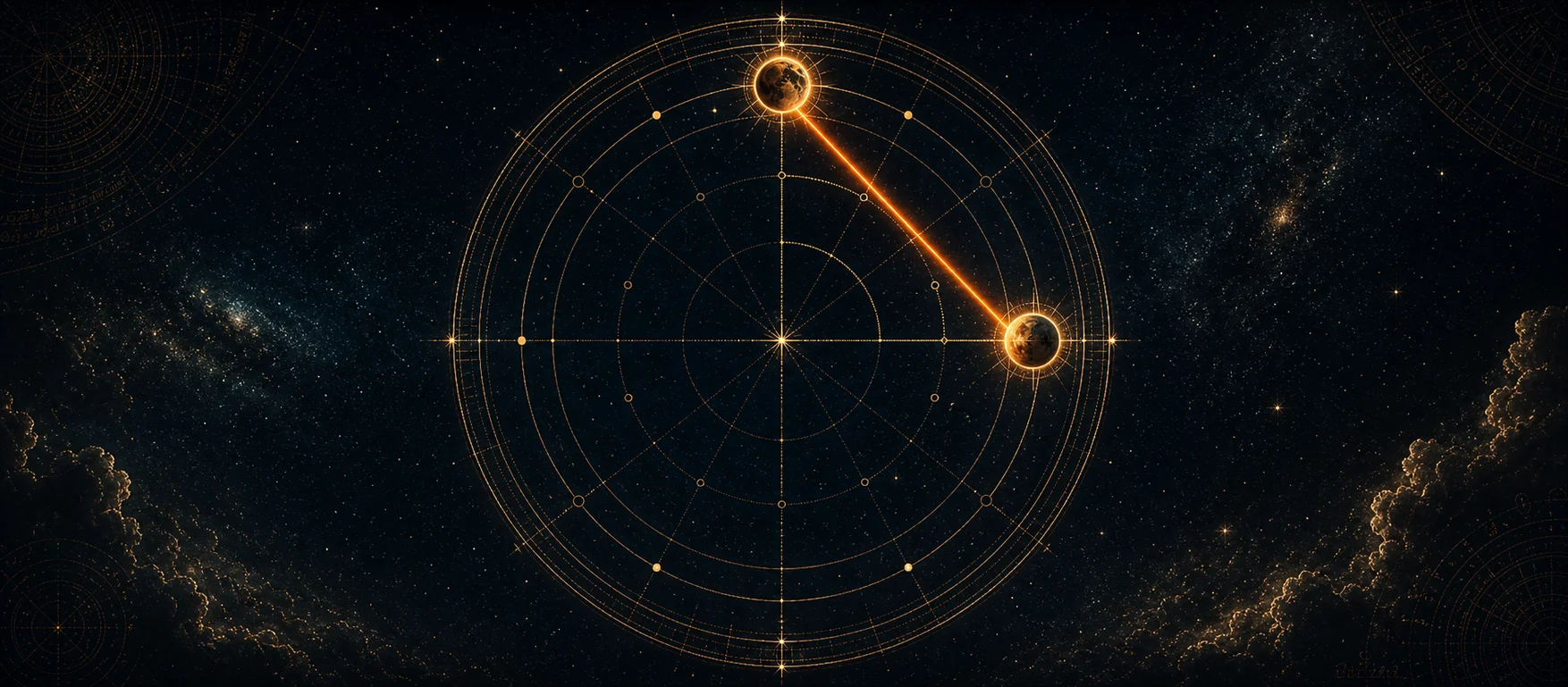
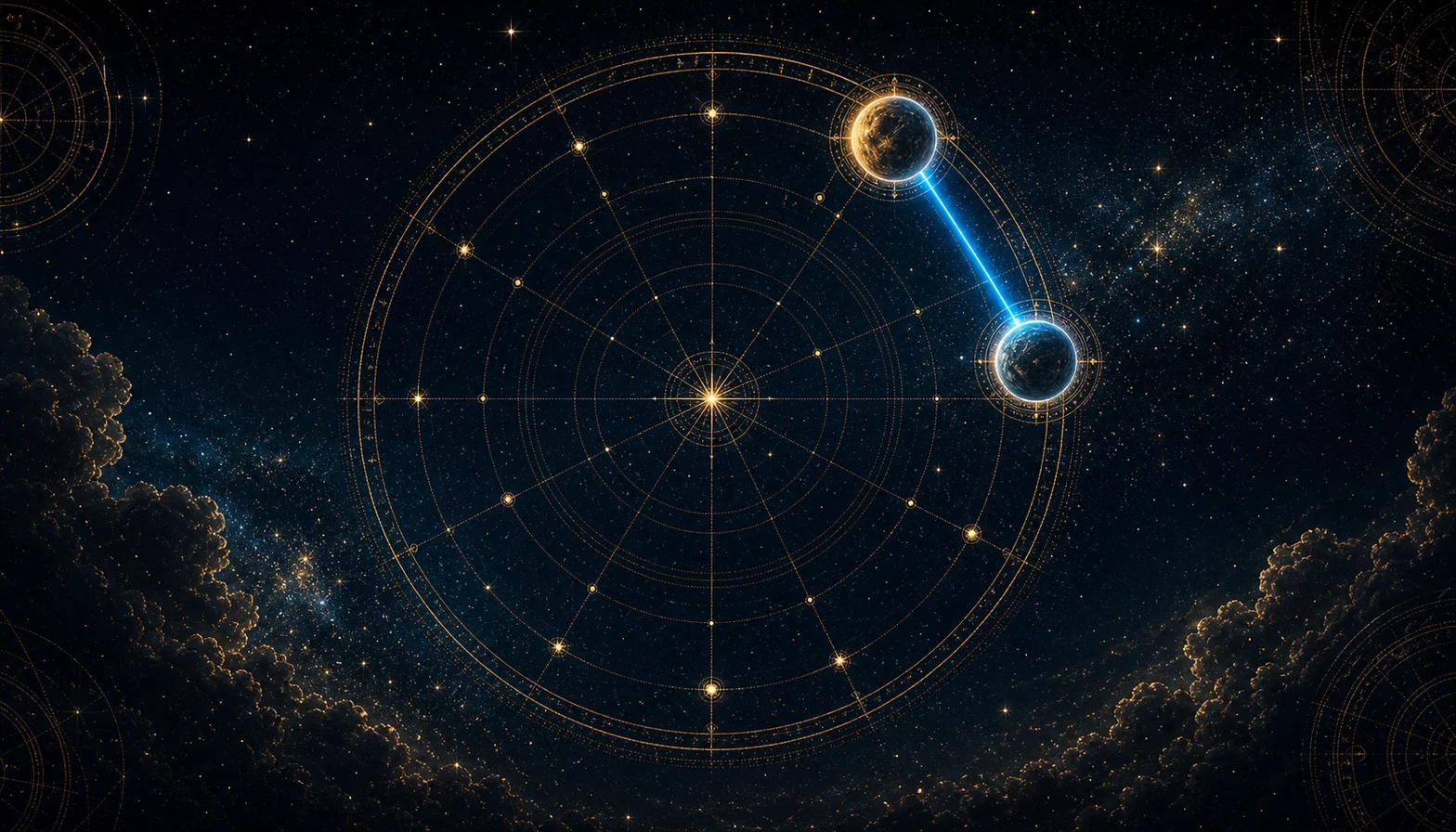
Astrological birth chart geometry with aspect lines
This visual shows the chart geometry before the reading separates the Big Three, planets, houses, and aspects.

How to read this chart

This section gives a concrete reading thread. It highlights the most visible signatures, then the tabs keep each placement separate instead of mixing everything together.

Reading map

Start here: a short reading that shows what hooks, what helps, what pushes back, and where it becomes concrete.

1. Big Three, Personal Essence

Sun in Pisces · Moon in Virgo · Pisces Rising

First hook: this is where the chart often becomes recognizable in real life. Sun in Pisces: identity and direction move through imagination, faith, compassion, dream, and permeability; Moon in Virgo: emotional safety looks for precision, method, usefulness, and attention to detail; Pisces Rising: the first way into situations uses imagination, faith, compassion, dream, and permeability. Then read the supports, tensions, and houses to see where this base becomes easy, charged, or visible.

2. Dominants (visible planets)

Visible planets: Moon

Dominants are planets close to the Rising sign, Midheaven, Descendant, or IC. They describe what becomes visible quickly: presence, public role, direct relationship style, or private climate. Every angular dominant found within the orb is listed below.

  • Visible Moon near the Descendant (orb 1.5°) The Moon is close to an angle: its signature shows more easily through direct relationships, partners, opponents, and the way others are met. Here, that highlights personal dream, play, inner child, childhood imprint, mother figure, mother image, optimism, and inner rhythm. It matters most when it repeats in choices, relationships, or visible role.
3. Important harmonious aspects

Harmonious circuit: Uranus, Mercury, and Sun

This is the easiest door into the chart: it shows what tends to cooperate naturally.

This pattern describes what comes more easily. It shows up mainly through House 12 (private time, solitude, retreat, and hidden pressure) and House 1 (body, presence, and first reactions). It connects Uranus (change, freedom, rupture, and originality), Mercury (thinking, speech, and decisions), and Sun (identity, confidence, and direction).

This is the clearest cooperation pattern in the chart: Mercury sextile Uranus (orb 0.4°) and Sun sextile Uranus (orb 1.3°). It shows where functions support each other, recover, or come naturally when used together. Because several planets are connected, the full pattern matters more than one isolated aspect.

  • Harmony Mercury sextile Uranus (orb 0.4°) Sextile: Mercury in Pisces in House 12 can cooperate with Uranus in Taurus in House 1 in the same concrete choice or situation. For this pair, the aspect lets intellect and Uranus cooperate in invention, quick replies, technology, or a changed perspective.
  • Harmony Sun sextile Uranus (orb 1.3°) Sextile: Sun in Pisces in House 12 can cooperate with Uranus in Taurus in House 1 in the same concrete choice or situation. For this pair, the aspect lets identity and originality cooperate actively. Father-image layer: ego, personal direction, and the father imprint can cooperate with Uranus.
4. Important tensions

Tension link: Moon and Jupiter

This is the pressure line to read first: it shows where tension repeats in concrete situations.

This pattern shows where pressure builds fastest. It shows up mainly through House 7 (partners, contracts, and direct encounters with others) and House 9 (beliefs, studies, travel, and worldview). It connects Moon (emotional needs, instinct, and inner safety) and Jupiter (growth, faith, luck, and confidence in the future).

This is the clearest friction pattern in the chart: Moon square Jupiter (orb 4.6°). It shows where pressure, contradiction, or repeated effort concentrates. No wider group outranks this link, so read it as a strong but isolated signal.

  • Tension Moon square Jupiter (orb 4.6°) Square in real life: House 7 (relationship, confrontation, and the mirror of others) is in friction with House 9 (vision, belief, study, and wider horizons); this can create blockage, inhibition, overreaction, or repeated conflict between the two fields. For this pair, the aspect creates tension between personal dream, safety, excess, promise, and confidence: expansion can outrun the inner rhythm.
5. Important houses

These houses answer the concrete question: where in life does the chart become visible? Look here for the repeated choices, relationships, work, or crises that make the rest of the chart real.

  • House 12: Sun, Mercury, Venus, Mars, and Neptune retreat, contemplation, long time, and possible confinement.
  • House 7: Moon relationship, confrontation, and the mirror of others.
  • House 1: Uranus and Pluto presence, body, and the way experience is entered.


Sun
Sun in Pisces Identity, ego, father figure
Moon
Moon in Virgo Dream, inner child, mother figure
Rising sign Pisces
Rising in Pisces First impression, entry style
The three foundations

Start from the three base placements below: the Sun gives identity, ego, and father image; the Moon gives personal dream, play, childhood imprint, mother image, and the inner child; the Rising sign gives first impression, body language, and entry style. Then dominant planets and exact aspects show what carries the most weight.

Dominant layer: Moon near the Descendant (orb 1.5°) is close enough to an angle to color what other people perceive. Moon (personal dream, play, inner child, childhood imprint, mother figure, mother image, optimism, and inner rhythm) is most visible through direct relationships, partners, opponents, and the way others are met.

Karl von Weizsäcker has Sun in Pisces, in the House 12

How to read this placement

Sun in Pisces in House 12 is one concrete combination: the Sun gives identity, ego, father figure, visibility, and direction, the Pisces style gives imagination, faith, compassion, dream, and permeability, and House 12 gives the life field: retreat, contemplation, long time, and possible confinement.

More about this placement

Concretely, this placement brings identity, ego, father figure, recognition, and personal direction into withdrawal, contemplation, long time, possible isolation, and quiet major works. House 12 (retreat, contemplation, long time, and possible confinement) gives the field; exact aspects show whether the planet is supported, blocked, fused, or contradicted.

Aspect connected to this placement: Sun sextile Uranus (orb 1.3°). Aspect effect: lets identity and originality cooperate actively. Father-image layer: ego, personal direction, and the father imprint can cooperate with Uranus.

With the Sun in Pisces, identity forms through imagination, sensitivity, compassion, retreat, and porous contact with the invisible atmosphere around life. The person often needs art, spirituality, dream, music, solitude, or service to something larger than the ego. This placement can give empathy, adaptability, symbolic intelligence, and the ability to feel what others cannot name. It is not only confusion; it is the need to live with permeable boundaries. When ungrounded, the person may avoid definition, absorb too much, or drift away from practical reality.
In the 12th house, the Sun puts identity into solitude, retreat, contemplation, long time scales, private work, and the background of life. This is not simply a house of hidden things; it often describes a person who needs distance from immediate noise in order to see the larger pattern. The Sun here can belong to artists, thinkers, caregivers, spiritual workers, or people building something quietly over a long period. At best, it gives depth, compassion, and the ability to serve a larger work without needing constant visibility. Under stress, it can become withdrawal, loss of direction, self-erasure, or confinement when retreat stops being chosen.

    Sun conjunct Mercury (orb 1.0°) brings the two planets out together. The orb is extremely tight; this aspect is one of the chart's strongest signals.

    Here, both planets pass through the same life area: House 12 (retreat, contemplation, long time, and possible confinement), with the same Pisces style (imagination, faith, compassion, dream, and permeability). Sun in Pisces in House 12 brings identity, ego, father figure, visibility, and direction; Mercury in Pisces in House 12 brings intellect, language, thought, and technique.

    Concrete effect: this aspect brings identity, ego, father image, intellect, and speech together: thought sticks strongly to the self-image.

    Reading note: Common solar conjunction: Mercury and Venus always stay close to the Sun. It becomes genuinely meaningful when the orb is very tight, one factor is angular, or the same theme repeats elsewhere.

    Sun sextile Uranus (orb 1.3°) shows active cooperation between the two planets. The orb is very tight; this describes a stable character pattern more than a passing reaction.

    Here, Sun in Pisces in House 12 brings identity, ego, father figure, visibility, and direction into House 12 (retreat, contemplation, long time, and possible confinement), with Pisces style (imagination, faith, compassion, dream, and permeability); Uranus in Taurus in House 1 brings disruption, independence, and change into House 1 (presence, body, and the way experience is entered), with Taurus style (nature, good food, physical sensuality, roots, resources, and perseverance).

    Concrete cooperation: identity and originality can cooperate actively. Father-image layer: ego, personal direction, and the father imprint can cooperate with Uranus.

    Sun conjunct Neptune (orb 4.4°) brings the two planets out together. The orb is moderate; it stays secondary beside tighter signatures.

    Here, both planets pass through the same life area: House 12 (retreat, contemplation, long time, and possible confinement), with the same Pisces style (imagination, faith, compassion, dream, and permeability). Sun in Pisces in House 12 brings identity, ego, father figure, visibility, and direction; Neptune in Pisces in House 12 brings imagination, image, popularity, collective moods, and inspiration.

    Concrete effect: this aspect ties identity to image, dream, inspiration, and popularity.

    Sun conjunct Mars (orb 6.6°) is minor in this chart. The orb is wide; this aspect stays a light nuance.

    Here, both planets pass through the same life area: House 12 (retreat, contemplation, long time, and possible confinement), with the same Pisces style (imagination, faith, compassion, dream, and permeability). Sun in Pisces in House 12 brings identity, ego, father figure, visibility, and direction; Mars in Pisces in House 12 brings action, courage, competition, and effort.

    Concrete effect: this aspect makes ego, personal direction, courage, competition, and the need to act come out together.


Karl von Weizsäcker has Moon in Virgo, in the House 7

How to read this placement

Moon in Virgo in House 7 is one concrete combination: the Moon gives personal dream, play, inner child, childhood imprint, mother figure, mother image, optimism, and inner rhythm, the Virgo style gives precision, method, usefulness, and attention to detail, and House 7 gives the life field: relationship, confrontation, and the mirror of others.

More about this placement

Concretely, this placement brings personal dream, play instinct, inner child, childhood imprint, mother figure, mother image, optimism, and inner rhythm into partners, clients, opponents, negotiations, and direct confrontations. House 7 (relationship, confrontation, and the mirror of others) gives the field; exact aspects show whether the planet is supported, blocked, fused, or contradicted.

Aspect connected to this placement: Moon square Jupiter (orb 4.6°). Aspect effect: creates tension between personal dream, safety, excess, promise, and confidence: expansion can outrun the inner rhythm.

Visible angle: Moon near the Descendant (orb 1.5°) touches an angle; this placement is easier to notice through direct relationships, partners, opponents, and the way others are met.

With the Moon in Virgo, the inner child looks for order, usefulness, practical care, and the sense that life can be improved. The personal dream often becomes concrete through skill, service, health, technique, routines, and the quiet satisfaction of doing something well. This Moon can give attentiveness, humility, precision, and devotion to everyday support. The mother image or childhood imprint may be linked to duty, worry, helpfulness, or the feeling that love had to be useful. Under tension, it can become anxious, self-critical, or unable to rest because something always seems unfinished.
In the 7th house, the Moon brings personal dream, inner child, and childhood imprint into partnership, confrontation, clients, opponents, and the mirror of other people. The person often discovers their feelings through relationship: a partner's mood, approval, absence, or conflict can strongly affect inner security. The inner child looks for companionship and may need to feel chosen. At best, this gives relational sensitivity, tenderness, and a gift for sensing what another person needs. Under stress, it can become dependency, projection, fear of being alone, or changing too much to keep the relationship safe.

    Moon square Jupiter (orb 4.6°) creates concrete friction between the two planets. The orb is moderate; it stays secondary beside tighter signatures.

    Here, Moon in Virgo in House 7 brings personal dream, play, inner child, childhood imprint, mother figure, mother image, optimism, and inner rhythm into House 7 (relationship, confrontation, and the mirror of others), with Virgo style (precision, method, usefulness, and attention to detail); Jupiter in Sagittarius in House 9 brings personal fulfillment, confidence, encouragement, and broader horizons into House 9 (vision, belief, study, and wider horizons), with Sagittarius style (expansion, travel, belief, and the search for meaning).

    Concrete friction: this aspect creates tension between personal dream, safety, excess, promise, and confidence: expansion can outrun the inner rhythm. Visible angle: Moon near the Descendant (orb 1.5°) touches an angle; this aspect is easier to notice through direct relationships, partners, opponents, and the way others are met. House 7 (relationship, confrontation, and the mirror of others) is in friction with House 9 (vision, belief, study, and wider horizons); this can create blockage, inhibition, overreaction, or repeated conflict between the two fields.



Karl von Weizsäcker has Rising sign in Pisces

How to read this placement

Pisces Rising combines the Rising sign with the sign on the first-house cusp. The Rising sign describes first impression, body language, reflexes, and the way the person enters situations; the Pisces style gives imagination, faith, compassion, dream, and permeability.

More about this placement

Concretely, this signature appears through immediate presence: posture, arrival rhythm, spontaneous reaction, and first contact with other people. A planet close to the Rising sign can become louder than the sign itself.

Pisces rising gives an atmospheric first impression: softness, imagination, empathy, and a porous relation to the environment. The person may seem elusive or emotionally present, entering life through feeling, image, music, faith, or adaptation.


Mercury
Mercury Intellect, language, technique
Venus
Venus Desire, taste, attraction
Mars
Mars Action, courage, competition
Jupiter
Jupiter Fulfillment, confidence, horizons

Karl von Weizsäcker has Mercury in Pisces, in the House 12

How to read this placement

Mercury in Pisces in House 12 is one concrete combination: Mercury gives intellect, language, thought, and technique, the Pisces style gives imagination, faith, compassion, dream, and permeability, and House 12 gives the life field: retreat, contemplation, long time, and possible confinement.

More about this placement

Concretely, this placement brings thinking, speech, learning, technique, and mental strategy into withdrawal, contemplation, long time, possible isolation, and quiet major works. House 12 (retreat, contemplation, long time, and possible confinement) gives the field; exact aspects show whether the planet is supported, blocked, fused, or contradicted.

Aspect connected to this placement: Mercury sextile Uranus (orb 0.4°). Aspect effect: lets intellect and Uranus cooperate in invention, quick replies, technology, or a changed perspective.

With Mercury in Pisces, the intellect is imaginal, associative, symbolic, and sensitive to atmosphere. The person may understand through images, music, dreams, intuition, empathy, or impressions before logic catches up. This placement can give poetic language, spiritual imagination, compassion in speech, and the ability to sense subtle meaning. It is not stupid or weak; it thinks through permeability. Under stress, it can blur facts, avoid precision, absorb other people's ideas, or say something beautiful without making it clear.
In the 12th house, Mercury puts intellect into solitude, retreat, contemplation, dreams, private research, long processes, and the background of life. The mind may work quietly, indirectly, or behind the scenes, needing distance from noise to understand what it has perceived. This placement can be strong for writing, listening, symbolic thinking, therapy, spiritual study, or research done away from the crowd. At best, it gives subtle perception, compassionate listening, and a mind able to connect hidden patterns. Under stress, it can become anxious silence, confusion, secrecy, self-doubt, or feeling mentally trapped when thoughts have no clear outlet.

    Mercury sextile Uranus (orb 0.4°) shows active cooperation between the two planets. The orb is extremely tight; this aspect is one of the chart's strongest signals.

    Here, Mercury in Pisces in House 12 brings intellect, language, thought, and technique into House 12 (retreat, contemplation, long time, and possible confinement), with Pisces style (imagination, faith, compassion, dream, and permeability); Uranus in Taurus in House 1 brings disruption, independence, and change into House 1 (presence, body, and the way experience is entered), with Taurus style (nature, good food, physical sensuality, roots, resources, and perseverance).

    Concrete cooperation: intellect and Uranus can cooperate in invention, quick replies, technology, or a changed perspective.

    Same aspect, other side: the full reading is under the other planet, and it also applies to Mercury.

    Open the full aspect reading under Sun

    Mercury conjunct Neptune (orb 5.3°) brings the two planets out together. The orb is moderate; it stays secondary beside tighter signatures.

    Here, both planets pass through the same life area: House 12 (retreat, contemplation, long time, and possible confinement), with the same Pisces style (imagination, faith, compassion, dream, and permeability). Mercury in Pisces in House 12 brings intellect, language, thought, and technique; Neptune in Pisces in House 12 brings imagination, image, popularity, collective moods, and inspiration.

    Concrete effect: this aspect mixes intellect with images, imagination, popularity, and collective moods.

    Mercury conjunct Mars (orb 5.6°) brings the two planets out together. The orb is moderate; it stays secondary beside tighter signatures.

    Here, both planets pass through the same life area: House 12 (retreat, contemplation, long time, and possible confinement), with the same Pisces style (imagination, faith, compassion, dream, and permeability). Mercury in Pisces in House 12 brings intellect, language, thought, and technique; Mars in Pisces in House 12 brings action, courage, competition, and effort.

    Concrete effect: this aspect makes thought move fast into speech, action, or argument.


Karl von Weizsäcker has Venus in Aquarius, in the House 12

How to read this placement

Venus in Aquarius in House 12 is one concrete combination: Venus gives desire, taste, relationship, and attraction, the Aquarius style gives independence, networks, distance, and collective change, and House 12 gives the life field: retreat, contemplation, long time, and possible confinement.

More about this placement

Concretely, this placement brings desire, taste, attraction, pleasure, and love style into withdrawal, contemplation, long time, possible isolation, and quiet major works. House 12 (retreat, contemplation, long time, and possible confinement) gives the field; exact aspects show whether the planet is supported, blocked, fused, or contradicted.

Aspect connected to this placement: Venus square Lilith (orb 1.4°). Aspect effect: creates tension between relationship, pleasure, desire, impossible ideal, and the need not to yield.

With Venus in Aquarius, affection needs friendship, freedom, originality, and respect for difference. The person often loves people who bring a new perspective, a shared ideal, or a sense of being outside ordinary scripts. Taste can be modern, eccentric, conceptual, futuristic, or socially unconventional. This placement often prefers a bond that leaves room to breathe. Under stress, it can detach, intellectualize feelings, resist ordinary intimacy, or seem absent just when emotional warmth is needed.
In the 12th house, Venus puts attraction and pleasure into solitude, retreat, contemplation, hidden love, private imagination, and long background processes. Love may be quiet, secret, sacrificial, spiritual, artistic, or difficult to explain directly. The person may need beauty away from noise and may be moved by compassion, music, silence, or private longing. At best, this gives subtle affection, artistic depth, tenderness toward suffering, and love that does not need constant display. Under stress, it can become hidden relationships, impossible longing, self-sacrifice, avoidance of real desire, or confinement inside a private fantasy.

    Venus square Lilith (orb 1.4°) creates concrete friction between the two planets. The orb is very tight; this describes a stable character pattern more than a passing reaction.

    Here, Venus in Aquarius in House 12 brings desire, taste, relationship, and attraction into House 12 (retreat, contemplation, long time, and possible confinement), with Aquarius style (independence, networks, distance, and collective change); Lilith in Taurus in House 2 brings pure ideal, absolute demand, fascination, and refusal of compromise into House 2 (resources, values, and security), with Taurus style (nature, good food, physical sensuality, roots, resources, and perseverance).

    Concrete friction: this aspect creates tension between relationship, pleasure, desire, impossible ideal, and the need not to yield. House 12 (retreat, contemplation, long time, and possible confinement) is in friction with House 2 (resources, values, and security); this can create blockage, inhibition, overreaction, or repeated conflict between the two fields.
    Venus square Saturn (orb 4.1°) creates concrete friction between the two planets. The orb is moderate; it stays secondary beside tighter signatures.

    Concrete friction: this aspect creates tension between pleasure, affection, self-worth, and restraint. House 12 (retreat, contemplation, long time, and possible confinement) is in friction with House 2 (resources, values, and security); this can create blockage, inhibition, overreaction, or repeated conflict between the two fields.

    Venus sextile Jupiter (orb 4.6°) shows active cooperation between the two planets. The orb is moderate; it stays secondary beside tighter signatures.

    Concrete cooperation: desire and fulfillment can cooperate when pleasure receives a concrete horizon.


Karl von Weizsäcker has Mars in Pisces, in the House 12

How to read this placement

Mars in Pisces in House 12 is one concrete combination: Mars gives action, courage, competition, and effort, the Pisces style gives imagination, faith, compassion, dream, and permeability, and House 12 gives the life field: retreat, contemplation, long time, and possible confinement.

More about this placement

Concretely, this placement brings action, anger, courage, competition, and effort into withdrawal, contemplation, long time, possible isolation, and quiet major works. House 12 (retreat, contemplation, long time, and possible confinement) gives the field; exact aspects show whether the planet is supported, blocked, fused, or contradicted.

Aspect connected to this placement: Mars sextile Pluto (orb 0.1°). Aspect effect: shows active cooperation between Mars (action, courage, competition, and effort) and Pluto: the person can use pressure or difficult situations as a resource.

With Mars in Pisces, action is porous, imaginative, indirect, and guided by atmosphere. The person may act through music, image, compassion, faith, escape, or the desire to protect what is vulnerable. This Mars can be inspired, adaptive, gentle, artistic, and surprisingly strong when moved by a dream. Under stress, it can lose direction, avoid confrontation, dissolve into fantasy, or act from confusion instead of clear desire.
In the 12th house, Mars puts action into solitude, retreat, hidden effort, long private processes, contemplation, and sometimes confinement. The person's anger or drive may not be obvious at first; it can work behind the scenes, in private discipline, service, research, spiritual'effort, or suppressed conflict. At best, this gives quiet courage, endurance in isolation, and the ability to fight for people or work that remains unseen. Under stress, it can become hidden anger, self-sabotage, passive conflict, exhaustion from repressed desire, or feeling trapped when action has no clear outlet.


Karl von Weizsäcker has Jupiter in Sagittarius, in the House 9

How to read this placement

Jupiter in Sagittarius in House 9 is one concrete combination: Jupiter gives personal fulfillment, confidence, encouragement, and broader horizons, the Sagittarius style gives expansion, travel, belief, and the search for meaning, and House 9 gives the life field: vision, belief, study, and wider horizons.

More about this placement

Concretely, this placement brings personal fulfillment, confidence, and opening of horizons into travel, higher study, beliefs, foreign cultures, and society at large. House 9 (vision, belief, study, and wider horizons) gives the field; exact aspects show whether the planet is supported, blocked, fused, or contradicted.

With Jupiter in Sagittarius, the person finds fulfillment through travel, teaching, truth, faith, philosophy, sport, and contact with a wider world. They often become more confident when the horizon widens and life feels meaningful. This Jupiter can give optimism, moral courage, humor, generosity, and the ability to inspire movement in others. Under stress, it can become preachy, careless with facts, restless, or convinced that its own belief is universal truth.
With Jupiter in the 9th house, the person finds fulfillment through travel, foreign cultures, higher learning, law, politics, teaching, faith, and the enlargement of consciousness. This is one of Jupiter's natural houses: life opens by leaving the familiar, discovering the wider society, and building a worldview that makes existence broader. At best, this gives philosophical confidence, cultural openness, teaching ability, and faith in discovery. Under stress, it can become dogmatism, moral superiority, restlessness, or believing that distant truth is always better than local reality.


Saturn
Saturn Discipline, limits, structure
Uranus
Uranus Freedom, rupture, invention
Neptune
Neptune Image, popularity, inspiration
Pluto
Pluto Crisis, power, regeneration
Lilith
Lilith Ideal, fascination, refusal

Karl von Weizsäcker has Saturn in Taurus, in the House 2

How to read this placement

Saturn in Taurus in House 2 is one concrete combination: Saturn gives discipline, constraint, endurance, and mastery, the Taurus style gives nature, good food, physical sensuality, roots, resources, and perseverance, and House 2 gives the life field: resources, values, and security.

More about this placement

Concretely, this placement brings discipline, limits, duty, fear, and long construction into personal money, possessions, security needs, and value choices. House 2 (resources, values, and security) gives the field; exact aspects show whether the planet is supported, blocked, fused, or contradicted.

With Saturn in Taurus, discipline is applied to security, money, body, comfort, and concrete resources. The person often learns slowly, builds patiently, and wants proof that something will last before trusting it. This placement can give endurance, practical management, loyalty to simple realities, and a strong ability to preserve what matters. Under stress, it can become fear of lack, resistance to change, or difficulty enjoying life until everything feels materially safe.
In the 2nd house, Saturn puts discipline and responsibility into money, resources, body, voice, possessions, and personal value. The person may learn slowly but strongly how to build security, protect what they have, and use resources with care. At best, this gives patience with money, practical self-respect, skill built through repetition, and long-term material stability. Under stress, it can become fear of lack, harsh self-worth, hoarding, scarcity thinking, or reducing value to what feels safe and measurable.

    Saturn sextile Neptune (orb 1.8°) shows active cooperation between the two planets. The orb is very tight; this describes a stable character pattern more than a passing reaction.

    Here, Saturn in Taurus in House 2 brings discipline, constraint, endurance, and mastery into House 2 (resources, values, and security), with Taurus style (nature, good food, physical sensuality, roots, resources, and perseverance); Neptune in Pisces in House 12 brings imagination, image, popularity, collective moods, and inspiration into House 12 (retreat, contemplation, long time, and possible confinement), with Pisces style (imagination, faith, compassion, dream, and permeability).

    Concrete cooperation: structure and imagination can cooperate when the dream receives a method.

    Saturn conjunct Lilith (orb 5.5°) brings the two planets out together. The orb is moderate; it stays secondary beside tighter signatures.

    Here, both planets pass through the same life area: House 2 (resources, values, and security), with the same Taurus style (nature, good food, physical sensuality, roots, resources, and perseverance). Saturn in Taurus in House 2 brings discipline, constraint, endurance, and mastery; Lilith in Taurus in House 2 brings pure ideal, absolute demand, fascination, and refusal of compromise.

    Concrete effect: this aspect brings Saturn (discipline, constraint, endurance, and mastery) together with Lilith (pure ideal, absolute demand, fascination, and refusal of compromise) in the same behaviors or situations.

    Same aspect, other side: the full reading is under the other planet, and it also applies to Saturn.

    Open the full aspect reading under Venus


Karl von Weizsäcker has Uranus in Taurus, in the House 1

How to read this placement

Uranus in Taurus in House 1 is one concrete combination: Uranus gives disruption, independence, and change, the Taurus style gives nature, good food, physical sensuality, roots, resources, and perseverance, and House 1 gives the life field: presence, body, and the way experience is entered.

More about this placement

Concretely, this placement brings freedom, disruption, broken rhythms, and the need for independence into body language, arrival style, reflexes, and first impression. House 1 (presence, body, and the way experience is entered) gives the field; exact aspects show whether the planet is supported, blocked, fused, or contradicted.

With Uranus in Taurus, independence expresses itself through money, body, production, stability, and material values. The person may question inherited ideas about ownership, work, comfort, food, land, or what makes life secure. This placement can give practical invention, unusual taste, and the ability to modernize concrete systems. Under stress, it can bring sudden material disruptions, stubborn refusal to move, or a push-pull between craving stability and needing freedom.
In the 1st house, Uranus puts independence, originality, rupture, and unpredictability directly into presence and first impression. The person may appear unusual, free, nervous, inventive, hard to classify, or unwilling to perform a standard social role. At best, this gives courage to be different, personal freedom, speed of adaptation, and a visible ability to break stale patterns. Under stress, it can become instability, contrarian behavior, sudden exits, or a reflex to reject expectations before knowing whether they matter.


Karl von Weizsäcker has Neptune in Pisces, in the House 12

How to read this placement

Neptune in Pisces in House 12 is one concrete combination: Neptune gives imagination, image, popularity, collective moods, and inspiration, the Pisces style gives imagination, faith, compassion, dream, and permeability, and House 12 gives the life field: retreat, contemplation, long time, and possible confinement.

More about this placement

Concretely, this placement brings imagination, image, popularity, and the ability to read collective currents into withdrawal, contemplation, long time, possible isolation, and quiet major works. House 12 (retreat, contemplation, long time, and possible confinement) gives the field; exact aspects show whether the planet is supported, blocked, fused, or contradicted.

With Neptune in Pisces, the dream function takes the color of art, compassion, spirituality, music, surrender, and the great emotional currents of humanity. The person may sense collective moods almost directly, through atmosphere, suffering, beauty, and invisible feeling. This placement can give visionary creativity, deep empathy, and popularity through images that touch a shared dream. Under stress, it can become escapism, emotional flooding, porous boundaries, or difficulty separating faith from illusion.
In the 12th house, Neptune puts imagination, compassion, contemplation, long time, retreat, and invisible sensitivity into one of its most natural fields. The person may need solitude, spiritual practice, art, service, or silence to understand what they are absorbing from the world. At best, this gives deep compassion, mystical imagination, healing retreat, and a broad view of life from behind the scenes. Under stress, it can become escape, addiction, passive suffering, isolation, confusion in institutions, or dissolving into other people's pain without a clear boundary.

Karl von Weizsäcker has Pluto in Taurus, in the House 1

How to read this placement

Pluto in Taurus in House 1 is one concrete combination: Pluto gives crisis, power, survival, and regeneration, the Taurus style gives nature, good food, physical sensuality, roots, resources, and perseverance, and House 1 gives the life field: presence, body, and the way experience is entered.

More about this placement

Concretely, this placement brings crisis, power, sexuality, survival, and transformation into body language, arrival style, reflexes, and first impression. House 1 (presence, body, and the way experience is entered) gives the field; exact aspects show whether the planet is supported, blocked, fused, or contradicted.

With Pluto in Taurus, power concentrates around money, body, possession, stability, pleasure, and personal value. The person may meet pressure through attachment: what they own, what they refuse to lose, what makes them feel safe, and what they believe they are worth. This placement can give material endurance, deep sensual force, and the ability to rebuild security from almost nothing. Under stress, it can become possessiveness, fear of loss, financial obsession, or resistance until a material crisis forces the issue.
In the 1st house, Pluto puts intensity, survival instinct, control, magnetism, and crisis response directly into presence and first impression. The person may appear powerful, guarded, penetrating, hard to intimidate, or physically charged even when quiet. At best, this gives resilience, psychological instinct, and the ability to rebuild the self after crisis. Under stress, it can become suspicion, domination, obsession with control, intimidating behavior, or a tendency to meet life as if every situation were a power struggle.


Karl von Weizsäcker has Lilith in Taurus, in the House 2

How to read this placement

Lilith in Taurus in House 2 is one concrete combination: Lilith gives pure ideal, absolute demand, fascination, and refusal of compromise, the Taurus style gives nature, good food, physical sensuality, roots, resources, and perseverance, and House 2 gives the life field: resources, values, and security.

More about this placement

Concretely, this placement brings the pure ideal, absolute demand, desire, fascination, and what refuses to become ordinary into personal money, possessions, security needs, and value choices. House 2 (resources, values, and security) gives the field; exact aspects show whether the planet is supported, blocked, fused, or contradicted.

With Black Moon Lilith in Taurus, the non-negotiable point concerns body, pleasure, money, possession, voice, and personal value. The person may refuse to let others define what is desirable, beautiful, safe, or worth keeping. This placement can give deep sensual truth, material magnetism, and a strong instinct for what the body wants. Under stress, it can become possessiveness, refusal to let go, fixation on comfort, or the feeling that no amount of security is ever enough.
In the 2nd house, Black Moon Lilith puts the non-negotiable into money, resources, body, voice, possessions, and personal value. The person may refuse to let others define their worth and may feel strongly about what they will or will not trade. At best, this gives fierce self-respect, bodily autonomy, a powerful voice, and the ability to protect desire from compromise. Under stress, it can become possessiveness, shame around need, refusal to receive help, or making survival into a test of absolute independence.