Logo

Birth chart of Jean Tirole

Jean Tirole birth chart is shown with zodiac signs, planetary houses, and aspects so it can be read as a complete astrological structure rather than a single Sun sign.

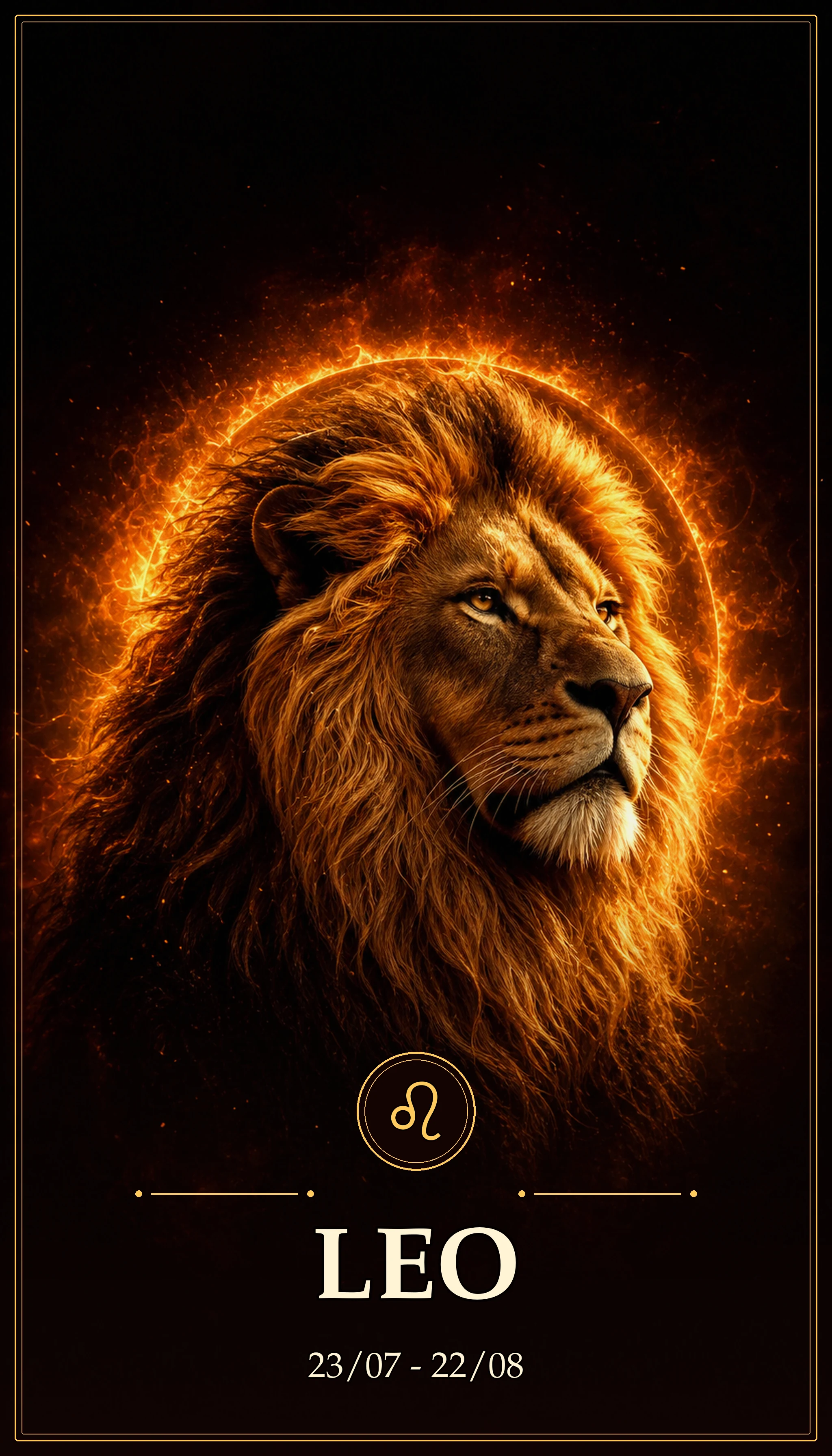
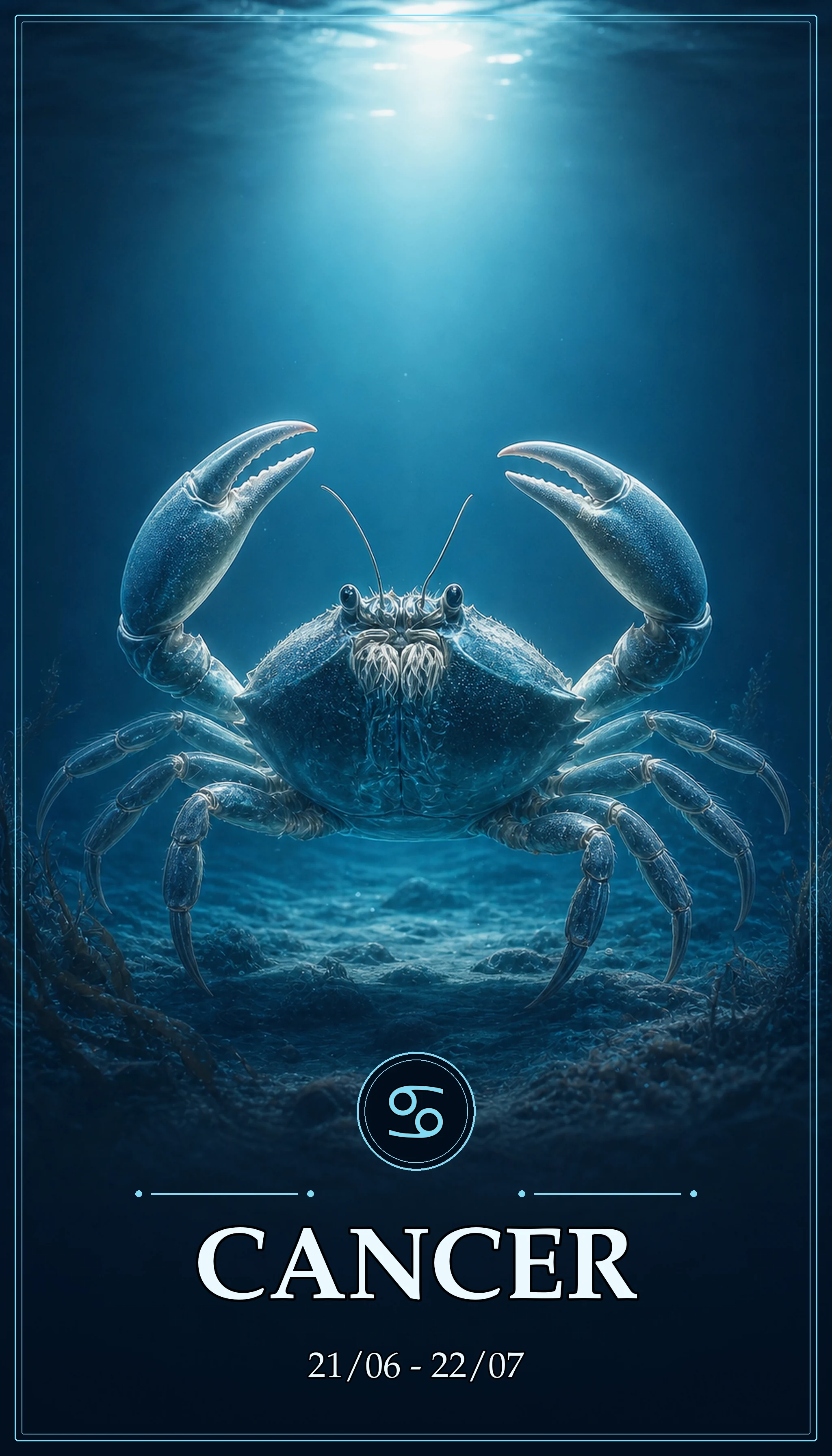
Jean Tirole's chart is framed by Sun in Leo, Moon in Leo, and Cancer Rising. These three factors give identity and ego, personal dream, play, childhood image, and first impression before the details.

Chart detail:

Moon conjunct Mars (orb 2.5°) gives a central dynamic in this reading. The orb is tight enough to count in the main reading.

In plain terms, this aspect makes the personal dream, inner child, or protective instinct react through action, defense, or combat.

  • Sun in Leo , in House 3
  • Moon in Leo , in House 2
  • Rising sign in Cancer

Because the birth time is available, houses and angular dominants can be used, with each conclusion tied to a precise chart combination.

Learn the zodiac signs  ·  Learn the planets  ·  Learn the houses  ·  Browse celebrity charts  ·  Calculate your own birth chart

Displayed: 09/08/1953, 02:00 at Troyes, France
(4°04' E, 48°17' N, GMT 1.0).

Source: Astro-Databank
RSIIIIIIVVVIVIIVIIIIXMHXIXII25°21'22°42'21°28'20°28'22°15'19°56'6°36'5°39'28°27'9°4'16°9'
Displayed: 09/08/1953, 02:00 at Troyes, France
(4°04' E, 48°17' N, GMT 1.0).

Source: Astro-Databank

Sun Leo
Leo

Sun in Leo

Moon Leo
Leo

Moon in Leo

RS Cancer
Cancer

Rising sign in Cancer


Element Sign Degrees Speed House
Sun Leo 16° 08' 57" 0.959 / day 3
Moon Leo 09° 04' 10" 12.211 / day 2
Mercury Cancer 28° 27' 14" 0.463 / day 2
Venus Cancer 05° 39' 15" 1.137 / day 1
Mars Leo 06° 35' 60" 0.643 / day 2
Jupiter Gemini 19° 56' 18" 0.174 / day 12
Saturn Libra 22° 15' 29" 0.07 / day 5
Uranus Cancer 20° 28' 04" 0.056 / day 1
Neptune Libra 21° 28' 26" 0.019 / day 5
Pluto Leo 22° 41' 56" 0.031 / day 3
Lilith Virgo 25° 20' 57" 0.111 / day 4
RS Cancer 04° 52' 21"
MH Pisces 04° 26' 49"

Click on a planet

 Log in or create and account to be able to save your own charts (it's free!).


Analysis

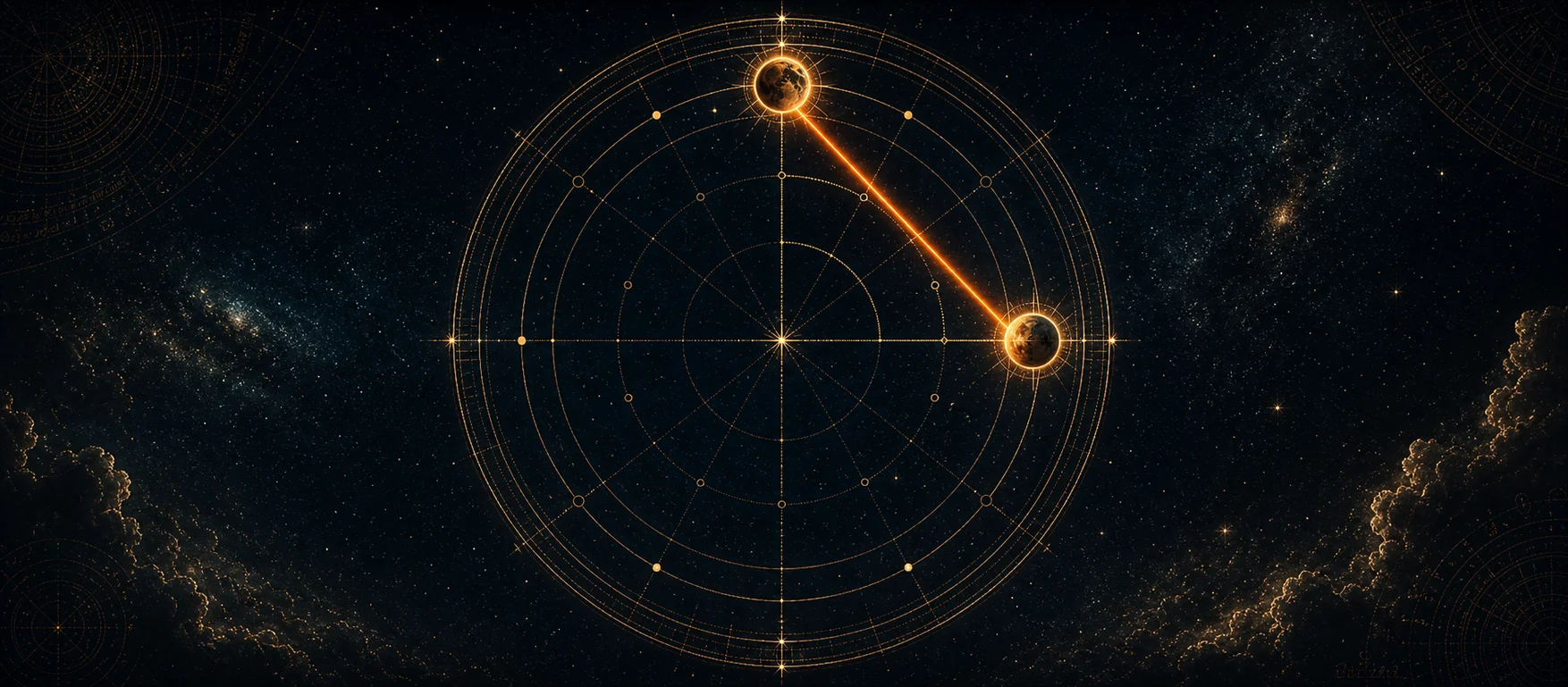
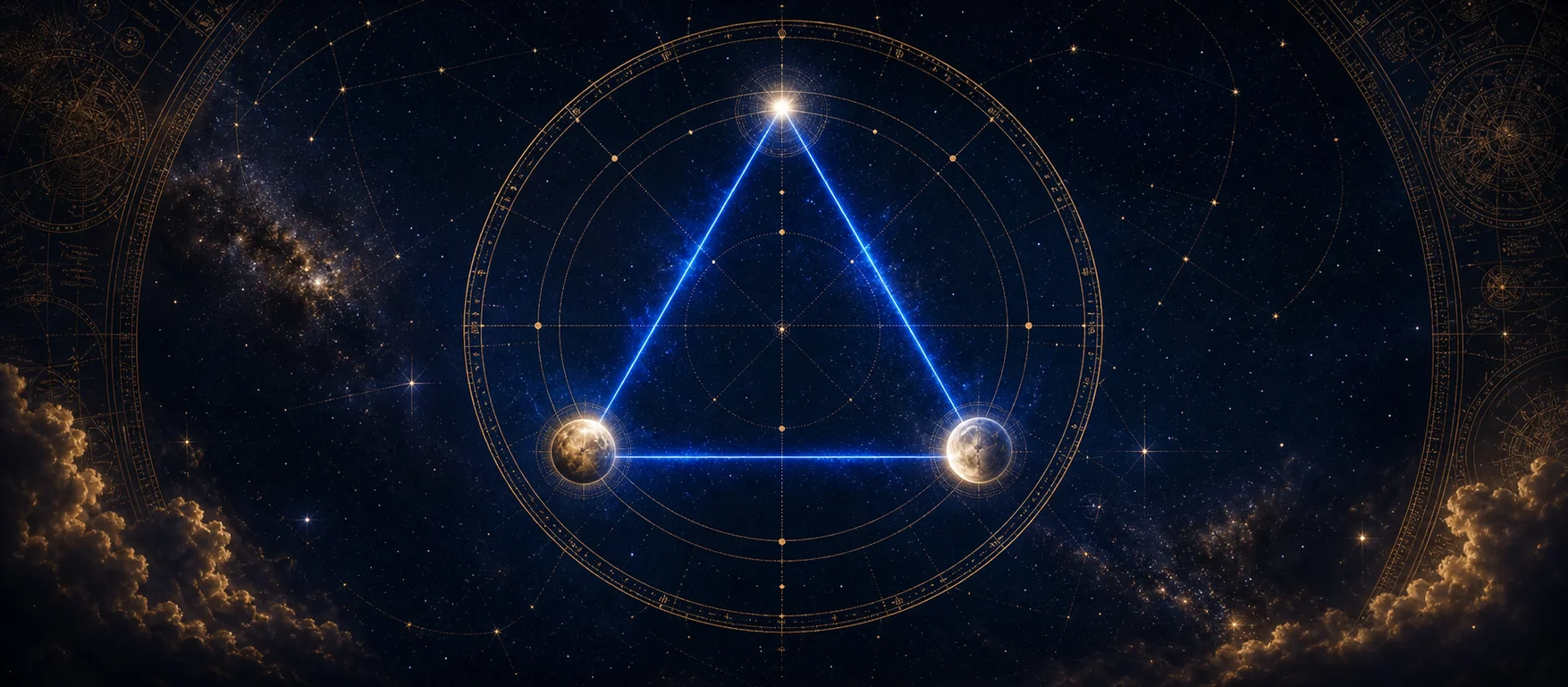
Astrological birth chart geometry with aspect lines
This visual shows the chart geometry before the reading separates the Big Three, planets, houses, and aspects.

How to read this chart

This section gives a concrete reading thread. It highlights the most visible signatures, then the tabs keep each placement separate instead of mixing everything together.

Reading map

Start here: a short reading that shows what hooks, what helps, what pushes back, and where it becomes concrete.

1. Big Three, Personal Essence

Sun in Leo · Moon in Leo · Cancer Rising

First hook: this is where the chart often becomes recognizable in real life. Sun in Leo: identity and direction move through presence, pride, creation, and the wish to be seen; Moon in Leo: emotional safety looks for presence, pride, creation, and the wish to be seen; Cancer Rising: the first way into situations uses memory, protection, belonging, and family sensitivity. Then read the supports, tensions, and houses to see where this base becomes easy, charged, or visible.

2. Dominants (visible planets)

Visible planets: Venus

Dominants are planets close to the Rising sign, Midheaven, Descendant, or IC. They describe what becomes visible quickly: presence, public role, direct relationship style, or private climate. Every angular dominant found within the orb is listed below.

  • Visible Venus near the Rising sign (orb 0.8°) Venus is close to an angle: its signature shows more easily through first impression, body language, reflexes, and entry style. Here, that highlights desire, taste, relationship, and attraction. It matters most when it repeats in choices, relationships, or visible role.
3. Important harmonious aspects

Harmonious triangle: Saturn, Pluto, and Jupiter

This is the easiest door into the chart: it shows what tends to cooperate naturally.

This pattern describes what comes more easily. It shows up mainly through House 3 (speech, learning, and close surroundings), House 5 (creativity, romance, play, and personal visibility), and House 12 (private time, solitude, retreat, and hidden pressure). It connects Saturn (responsibility, limits, effort, and patience), Pluto (power, crisis, intensity, and deep transformation), and Jupiter (growth, faith, luck, and confidence in the future).

This is the clearest cooperation pattern in the chart: Saturn sextile Pluto (orb 0.4°), Jupiter trine Saturn (orb 2.3°), and Jupiter sextile Pluto (orb 2.8°). It shows where functions support each other, recover, or come naturally when used together. Because several planets are connected, the full pattern matters more than one isolated aspect.

  • Harmony Saturn sextile Pluto (orb 0.4°) Sextile: Saturn in Libra in House 5 can cooperate with Pluto in Leo in House 3 in the same concrete choice or situation.
  • Harmony Jupiter trine Saturn (orb 2.3°) Trine: Jupiter in Gemini in House 12 can support Saturn in Libra in House 5 naturally and positively. For this pair, the aspect gives ease growing without losing structure.
  • Harmony Jupiter sextile Pluto (orb 2.8°) Sextile: Jupiter in Gemini in House 12 can cooperate with Pluto in Leo in House 3 in the same concrete choice or situation.
4. Important tensions

Tension link: Saturn and Uranus

This is the pressure line to read first: it shows where tension repeats in concrete situations.

This pattern shows where pressure builds fastest. It shows up mainly through House 1 (body, presence, and first reactions) and House 5 (creativity, romance, play, and personal visibility). It connects Saturn (responsibility, limits, effort, and patience) and Uranus (change, freedom, rupture, and originality).

This is the clearest friction pattern in the chart: Saturn square Uranus (orb 1.8°). It shows where pressure, contradiction, or repeated effort concentrates. No wider group outranks this link, so read it as a strong but isolated signal.

  • Tension Saturn square Uranus (orb 1.8°) Square in real life: House 5 (creation, performance, and personal expression) is in friction with House 1 (presence, body, and the way experience is entered); this can create blockage, inhibition, overreaction, or repeated conflict between the two fields.
5. Important houses

These houses answer the concrete question: where in life does the chart become visible? Look here for the repeated choices, relationships, work, or crises that make the rest of the chart real.

  • House 2: Moon, Mercury, and Mars resources, values, and security.
  • House 3: Sun and Pluto speech, learning, and the close environment.
  • House 1: Venus and Uranus presence, body, and the way experience is entered.


Sun
Sun in Leo Identity, ego, father figure
Moon
Moon in Leo Dream, inner child, mother figure
Rising sign Cancer
Rising in Cancer First impression, entry style
The three foundations

Start from the three base placements below: the Sun gives identity, ego, and father image; the Moon gives personal dream, play, childhood imprint, mother image, and the inner child; the Rising sign gives first impression, body language, and entry style. Then dominant planets and exact aspects show what carries the most weight.

Dominant layer: Venus near the Rising sign (orb 0.8°) is close enough to an angle to color what other people perceive. Venus (desire, taste, relationship, and attraction) is most visible through first impression, body language, reflexes, and entry style.

Jean Tirole has Sun in Leo, in the House 3

How to read this placement

Sun in Leo in House 3 is one concrete combination: the Sun gives identity, ego, father figure, visibility, and direction, the Leo style gives presence, pride, creation, and the wish to be seen, and House 3 gives the life field: speech, learning, and the close environment.

More about this placement

Concretely, this placement brings identity, ego, father figure, recognition, and personal direction into speech, writing, learning, short trips, and the everyday environment. House 3 (speech, learning, and the close environment) gives the field; exact aspects show whether the planet is supported, blocked, fused, or contradicted.

With the Sun in Leo, identity forms through creative presence, pride, generosity, and the wish to radiate something personal. The person often needs to feel seen for what they create, lead, love, or perform. This placement can give warmth, loyalty, courage, dramatic instinct, and a natural sense of style. It is not only vanity; it is the need to put the heart into visible form. When unbalanced, the person may depend too much on applause or turn vulnerability into performance.
In the 3rd house, the Sun puts identity into speech, learning, siblings, local movement, and the everyday exchange of information. The person often becomes more themselves by asking, explaining, writing, debating, teaching, or connecting people and ideas. Their ego needs movement and mental contact rather than silence or isolation. At best, this gives curiosity, verbal confidence, and a strong ability to name what is happening around them. Under stress, it can become nervous self-display, scattered attention, or a need to always have the last word.

    Sun sextile Jupiter (orb 3.8°) shows active cooperation between the two planets. The orb is moderate; it stays secondary beside tighter signatures.

    Concrete cooperation: identity and fulfillment can cooperate when a wide vision receives clear direction. Father-image layer: ego, personal direction, and the father imprint can cooperate with Jupiter.

    Sun conjunct Pluto (orb 6.5°) is minor in this chart. The orb is wide; this aspect stays a light nuance.

    Here, both planets pass through the same life area: House 3 (speech, learning, and the close environment), with the same Leo style (presence, pride, creation, and the wish to be seen). Sun in Leo in House 3 brings identity, ego, father figure, visibility, and direction; Pluto in Leo in House 3 brings crisis, power, survival, and regeneration.

    Concrete effect: this aspect joins the Sun to Pluto: identity, ego, father image, power, crisis, and survival instinct come out together.

    Sun sextile Neptune (orb 5.3°) shows active cooperation between the two planets. The orb is moderate; it stays secondary beside tighter signatures.

    Concrete cooperation: identity and collective imagination can cooperate when the person uses both sides together. Father-image layer: ego, personal direction, and the father imprint can cooperate with Neptune.


Jean Tirole has Moon in Leo, in the House 2

How to read this placement

Moon in Leo in House 2 is one concrete combination: the Moon gives personal dream, play, inner child, childhood imprint, mother figure, mother image, optimism, and inner rhythm, the Leo style gives presence, pride, creation, and the wish to be seen, and House 2 gives the life field: resources, values, and security.

More about this placement

Concretely, this placement brings personal dream, play instinct, inner child, childhood imprint, mother figure, mother image, optimism, and inner rhythm into personal money, possessions, security needs, and value choices. House 2 (resources, values, and security) gives the field; exact aspects show whether the planet is supported, blocked, fused, or contradicted.

Aspect connected to this placement: Moon conjunct Mars (orb 2.5°). Aspect effect: makes the personal dream, inner child, or protective instinct react through action, defense, or combat.

With the Moon in Leo, the inner child wants warmth, play, recognition, loyalty, and love that is visible rather than hidden. The personal dream often has a creative or theatrical tone: to shine, to be loved openly, to protect the heart, and to make life feel generous. This Moon can give confidence, joy, dramatic instinct, and the ability to lift the mood of a room. The mother image or childhood imprint may be linked to pride, attention, performance, or the need to feel special. When hurt, it can become proud, theatrical, or unable to admit how much approval matters.
In the 2nd house, the Moon brings personal dream, inner child, and childhood imprint into security, money, body, food, comfort, voice, and personal value. The person often needs tangible stability before they can relax into confidence or optimism. The inner child looks for safety through rhythm, familiar objects, physical ease, and the feeling that life will provide enough. At best, this gives patience, sensuality, practical care, and a strong instinct for what nourishes life. Under stress, the person may cling to possessions, eat or spend emotionally, or feel unsafe when resources fluctuate.

    Moon conjunct Mars (orb 2.5°) brings the two planets out together. The orb is tight enough to count in the main reading.

    Here, both planets pass through the same life area: House 2 (resources, values, and security), with the same Leo style (presence, pride, creation, and the wish to be seen). Moon in Leo in House 2 brings personal dream, play, inner child, childhood imprint, mother figure, mother image, optimism, and inner rhythm; Mars in Leo in House 2 brings action, courage, competition, and effort.

    Concrete effect: this aspect makes the personal dream, inner child, or protective instinct react through action, defense, or combat.


Jean Tirole has Rising sign in Cancer

How to read this placement

Cancer Rising combines the Rising sign with the sign on the first-house cusp. The Rising sign describes first impression, body language, reflexes, and the way the person enters situations; the Cancer style gives memory, protection, belonging, and family sensitivity.

More about this placement

Concretely, this signature appears through immediate presence: posture, arrival rhythm, spontaneous reaction, and first contact with other people. A planet close to the Rising sign can become louder than the sign itself.

Cancer rising gives a receptive first impression: protection, memory, emotional caution, and a strong sense of atmosphere. The person may seem approachable or guarded depending on the context, but the entry into life is usually sensitive to safety and belonging.


Mercury
Mercury Intellect, language, technique
Venus
Venus Desire, taste, attraction
Mars
Mars Action, courage, competition
Jupiter
Jupiter Fulfillment, confidence, horizons

Jean Tirole has Mercury in Cancer, in the House 2

How to read this placement

Mercury in Cancer in House 2 is one concrete combination: Mercury gives intellect, language, thought, and technique, the Cancer style gives memory, protection, belonging, and family sensitivity, and House 2 gives the life field: resources, values, and security.

More about this placement

Concretely, this placement brings thinking, speech, learning, technique, and mental strategy into personal money, possessions, security needs, and value choices. House 2 (resources, values, and security) gives the field; exact aspects show whether the planet is supported, blocked, fused, or contradicted.

With Mercury in Cancer, the intellect is guided by memory, emotional context, and the need to protect what matters. The person may communicate indirectly, through tone, story, image, family reference, or what is left unsaid. This placement can give excellent memory, emotional intelligence, and the ability to speak from lived experience. It is not irrational; it thinks with feeling included. Under stress, it can become defensive, nostalgic, subjective, or reluctant to say things too plainly.
In the 2nd house, Mercury puts intellect into money, skills, voice, resources, possessions, and personal value. The person may learn best through practical use and may think carefully about what can be built, earned, stored, sold, or made useful. Speech can become a resource: a voice, a craft, a technical skill, or a way to negotiate value. At best, this gives business sense, practical intelligence, and the ability to turn ideas into tangible assets. Under stress, it can become worry about money, mental attachment to security, or reducing value to what can be counted.

    Mercury sextile Lilith (orb 3.1°) shows active cooperation between the two planets. The orb is tight enough to count in the main reading.

    Here, Mercury in Cancer in House 2 brings intellect, language, thought, and technique into House 2 (resources, values, and security), with Cancer style (memory, protection, belonging, and family sensitivity); Lilith in Virgo in House 4 brings pure ideal, absolute demand, fascination, and refusal of compromise into House 4 (roots, privacy, and inner foundation), with Virgo style (precision, method, usefulness, and attention to detail).

    Concrete cooperation: intellect and Lilith's ideal can cooperate without becoming fixation.


Jean Tirole has Venus in Cancer, in the House 1

How to read this placement

Venus in Cancer in House 1 is one concrete combination: Venus gives desire, taste, relationship, and attraction, the Cancer style gives memory, protection, belonging, and family sensitivity, and House 1 gives the life field: presence, body, and the way experience is entered.

More about this placement

Concretely, this placement brings desire, taste, attraction, pleasure, and love style into body language, arrival style, reflexes, and first impression. House 1 (presence, body, and the way experience is entered) gives the field; exact aspects show whether the planet is supported, blocked, fused, or contradicted.

Visible angle: Venus near the Rising sign (orb 0.8°) touches an angle; this placement is easier to notice through first impression, body language, reflexes, and entry style.

With Venus in Cancer, affection is protective, tender, and tied to memory, home, and emotional safety. The person often loves by caring, feeding, remembering, defending, and creating a private world where the bond feels held. Taste can be nostalgic, intimate, soft, or connected to family and familiar places. This placement needs emotional trust before it fully opens. Under stress, it can cling, withdraw into hurt, test the other person's loyalty, or confuse love with the need to be sheltered.
In the 1st house, Venus puts attraction, charm, pleasure, taste, and relational style directly into presence and first impression. Others may notice softness, beauty, sociability, elegance, or a desire to be pleasant before they know the rest of the chart. The person often enters situations by smoothing the atmosphere, attracting attention, or making themselves agreeable. At best, this gives grace, social ease, aesthetic presence, and a warm way of meeting life. Under stress, it can become vanity, people-pleasing, dependence on being liked, or avoiding direct conflict to preserve the image.


Jean Tirole has Mars in Leo, in the House 2

How to read this placement

Mars in Leo in House 2 is one concrete combination: Mars gives action, courage, competition, and effort, the Leo style gives presence, pride, creation, and the wish to be seen, and House 2 gives the life field: resources, values, and security.

More about this placement

Concretely, this placement brings action, anger, courage, competition, and effort into personal money, possessions, security needs, and value choices. House 2 (resources, values, and security) gives the field; exact aspects show whether the planet is supported, blocked, fused, or contradicted.

With Mars in Leo, action wants style, visibility, courage, and pride. The person often acts better when there is a stage, an audience, a role to defend, or a chance to show strength. This Mars can be charismatic, brave, creative, loyal, and powerful in performance or leadership. Under stress, it can become dramatic, authoritarian, overly proud, or unable to admit defeat without turning conflict into theater.
In the 2nd house, Mars puts action into money, resources, possessions, body, voice, and personal value. The person may fight for security, work hard to earn, and defend what belongs to them. Desire becomes concrete here: it wants objects, results, physical comfort, and proof of value. At best, this gives productive drive, financial courage, and the ability to build resources through effort. Under stress, it can become possessiveness, spending from impulse, conflict over money, or anger when self-worth feels threatened.


Jean Tirole has Jupiter in Gemini, in the House 12

How to read this placement

Jupiter in Gemini in House 12 is one concrete combination: Jupiter gives personal fulfillment, confidence, encouragement, and broader horizons, the Gemini style gives curiosity, language, movement, and mental adaptation, and House 12 gives the life field: retreat, contemplation, long time, and possible confinement.

More about this placement

Concretely, this placement brings personal fulfillment, confidence, and opening of horizons into withdrawal, contemplation, long time, possible isolation, and quiet major works. House 12 (retreat, contemplation, long time, and possible confinement) gives the field; exact aspects show whether the planet is supported, blocked, fused, or contradicted.

Aspect connected to this placement: Jupiter trine Neptune (orb 1.5°). Aspect effect: gives natural support between personal fulfillment and collective imagination: confidence, inspiration, story, and popularity can reinforce each other.

With Jupiter in Gemini, the person finds fulfillment through learning, conversation, writing, humor, mobility, and the exchange of information. They often become more confident by connecting people, collecting ideas, explaining things, or keeping several interests alive. This Jupiter can give social intelligence, curiosity, verbal generosity, and a lively relation to knowledge. Under stress, it can become scattered, superficial, too talkative, or unable to stay with one direction long enough to deepen it.
With Jupiter in the 12th house, the person finds fulfillment through solitude, retreat, contemplation, compassion, private faith, and long background processes. This is not escape by default; it is the horizon of inner life, long time, invisible support, and meaning found away from immediate noise. At best, it gives quiet faith, generosity toward suffering, and a broad view of life from behind the scenes. Under stress, it can become passive hope, escapism, spiritual inflation, or waiting for rescue instead of acting when action is needed.

    Jupiter trine Neptune (orb 1.5°) shows positive structural ease between the two planets. The orb is very tight; this describes a stable character pattern more than a passing reaction.

    Here, Jupiter in Gemini in House 12 brings personal fulfillment, confidence, encouragement, and broader horizons into House 12 (retreat, contemplation, long time, and possible confinement), with Gemini style (curiosity, language, movement, and mental adaptation); Neptune in Libra in House 5 brings imagination, image, popularity, collective moods, and inspiration into House 5 (creation, performance, and personal expression), with Libra style (relationship, balance, negotiation, and sense of form).

    Concrete support: this aspect gives natural support between personal fulfillment and collective imagination: confidence, inspiration, story, and popularity can reinforce each other.

    Jupiter trine Saturn (orb 2.3°) shows positive structural ease between the two planets. The orb is tight enough to count in the main reading.

    Here, Jupiter in Gemini in House 12 brings personal fulfillment, confidence, encouragement, and broader horizons into House 12 (retreat, contemplation, long time, and possible confinement), with Gemini style (curiosity, language, movement, and mental adaptation); Saturn in Libra in House 5 brings discipline, constraint, endurance, and mastery into House 5 (creation, performance, and personal expression), with Libra style (relationship, balance, negotiation, and sense of form).

    Concrete support: this aspect gives ease growing without losing structure.

    Jupiter sextile Pluto (orb 2.8°) shows active cooperation between the two planets. The orb is tight enough to count in the main reading.

    Here, Jupiter in Gemini in House 12 brings personal fulfillment, confidence, encouragement, and broader horizons into House 12 (retreat, contemplation, long time, and possible confinement), with Gemini style (curiosity, language, movement, and mental adaptation); Pluto in Leo in House 3 brings crisis, power, survival, and regeneration into House 3 (speech, learning, and the close environment), with Leo style (presence, pride, creation, and the wish to be seen).

    Concrete cooperation: this aspect shows active cooperation between Jupiter (personal fulfillment, confidence, encouragement, and broader horizons) and Pluto: the person can use pressure or difficult situations as a resource.

    Same aspect, other side: the full reading is under the other planet, and it also applies to Jupiter.

    Open the full aspect reading under Sun


Saturn
Saturn Discipline, limits, structure
Uranus
Uranus Freedom, rupture, invention
Neptune
Neptune Image, popularity, inspiration
Pluto
Pluto Crisis, power, regeneration
Lilith
Lilith Ideal, fascination, refusal

Jean Tirole has Saturn in Libra, in the House 5

How to read this placement

Saturn in Libra in House 5 is one concrete combination: Saturn gives discipline, constraint, endurance, and mastery, the Libra style gives relationship, balance, negotiation, and sense of form, and House 5 gives the life field: creation, performance, and personal expression.

More about this placement

Concretely, this placement brings discipline, limits, duty, fear, and long construction into creation, play, performance, children, and personal risk-taking. House 5 (creation, performance, and personal expression) gives the field; exact aspects show whether the planet is supported, blocked, fused, or contradicted.

Aspect connected to this placement: Saturn conjunct Neptune (orb 0.8°). Aspect effect: brings hard structure, limits, dream, image, and collective inspiration together.

With Saturn in Libra, discipline is applied to relationships, fairness, agreements, and social balance. The person may take commitment seriously and need clear rules before trusting a partnership. This can give diplomatic maturity, respect for justice, and the ability to build relationships that survive pressure. Under stress, it can bring fear of conflict, coldness, dependence on approval, or the feeling that love must always be negotiated.
In the 5th house, Saturn puts discipline into creativity, romance, children, play, performance, and pleasure. The person may need time to trust their own joy and may take love, art, or creation seriously. At best, this gives craft, artistic rigor, loyal affection, mature creativity, and the ability to turn talent into something durable. Under stress, it can become blocked pleasure, fear of ridicule, difficulty playing, overly controlled romance, or treating creativity as a test instead of a living expression.

    Saturn sextile Pluto (orb 0.4°) shows active cooperation between the two planets. The orb is extremely tight; this aspect is one of the chart's strongest signals.

    Here, Saturn in Libra in House 5 brings discipline, constraint, endurance, and mastery into House 5 (creation, performance, and personal expression), with Libra style (relationship, balance, negotiation, and sense of form); Pluto in Leo in House 3 brings crisis, power, survival, and regeneration into House 3 (speech, learning, and the close environment), with Leo style (presence, pride, creation, and the wish to be seen).

    Concrete cooperation: this aspect shows active cooperation between Saturn (discipline, constraint, endurance, and mastery) and Pluto: the person can use pressure or difficult situations as a resource.

    Saturn conjunct Neptune (orb 0.8°) brings the two planets out together. The orb is extremely tight; this aspect is one of the chart's strongest signals.

    Here, both planets pass through the same life area: House 5 (creation, performance, and personal expression), with the same Libra style (relationship, balance, negotiation, and sense of form). Saturn in Libra in House 5 brings discipline, constraint, endurance, and mastery; Neptune in Libra in House 5 brings imagination, image, popularity, collective moods, and inspiration.

    Concrete effect: this aspect brings hard structure, limits, dream, image, and collective inspiration together.

    Same aspect, other side: the full reading is under the other planet, and it also applies to Saturn.

    Open the full aspect reading under Jupiter

    Saturn square Uranus (orb 1.8°) creates concrete friction between the two planets. The orb is very tight; this describes a stable character pattern more than a passing reaction.

    Here, Saturn in Libra in House 5 brings discipline, constraint, endurance, and mastery into House 5 (creation, performance, and personal expression), with Libra style (relationship, balance, negotiation, and sense of form); Uranus in Cancer in House 1 brings disruption, independence, and change into House 1 (presence, body, and the way experience is entered), with Cancer style (memory, protection, belonging, and family sensitivity).

    Concrete friction: this aspect puts Saturn (discipline, constraint, endurance, and mastery) and Uranus (disruption, independence, and change) into repeated friction: one can interrupt, inhibit, or provoke the other in concrete situations. House 5 (creation, performance, and personal expression) is in friction with House 1 (presence, body, and the way experience is entered); this can create blockage, inhibition, overreaction, or repeated conflict between the two fields.


Jean Tirole has Uranus in Cancer, in the House 1

How to read this placement

Uranus in Cancer in House 1 is one concrete combination: Uranus gives disruption, independence, and change, the Cancer style gives memory, protection, belonging, and family sensitivity, and House 1 gives the life field: presence, body, and the way experience is entered.

More about this placement

Concretely, this placement brings freedom, disruption, broken rhythms, and the need for independence into body language, arrival style, reflexes, and first impression. House 1 (presence, body, and the way experience is entered) gives the field; exact aspects show whether the planet is supported, blocked, fused, or contradicted.

With Uranus in Cancer, independence expresses itself through family, home, memory, belonging, and emotional security. The person may break inherited family patterns, create a nontraditional home, or protect loved ones in unusual ways. This placement can give emotional originality, instinctive care for outsiders, and the courage to define family differently. Under stress, it can bring domestic instability, sudden withdrawals, or a nervous relationship to attachment and vulnerability.
In the 1st house, Uranus puts independence, originality, rupture, and unpredictability directly into presence and first impression. The person may appear unusual, free, nervous, inventive, hard to classify, or unwilling to perform a standard social role. At best, this gives courage to be different, personal freedom, speed of adaptation, and a visible ability to break stale patterns. Under stress, it can become instability, contrarian behavior, sudden exits, or a reflex to reject expectations before knowing whether they matter.


Jean Tirole has Neptune in Libra, in the House 5

How to read this placement

Neptune in Libra in House 5 is one concrete combination: Neptune gives imagination, image, popularity, collective moods, and inspiration, the Libra style gives relationship, balance, negotiation, and sense of form, and House 5 gives the life field: creation, performance, and personal expression.

More about this placement

Concretely, this placement brings imagination, image, popularity, and the ability to read collective currents into creation, play, performance, children, and personal risk-taking. House 5 (creation, performance, and personal expression) gives the field; exact aspects show whether the planet is supported, blocked, fused, or contradicted.

With Neptune in Libra, the dream function takes the color of love, beauty, justice, style, diplomacy, and partnership. The person may sense collective moods through romance, aesthetic ideals, public taste, and the longing for harmony between people. This placement can give charm, artistic grace, and popularity through an image of peace or elegance. Under stress, it can idealize relationships, avoid conflict, mistake politeness for love, or chase an impossible perfect balance.
In the 5th house, Neptune puts imagination into creativity, romance, children, play, performance, and pleasure. The person may seek enchantment through art, love, music, cinema, fantasy, or experiences that make life feel larger than ordinary reality. At best, this gives artistic inspiration, romantic tenderness, compassion with children, and a gift for creating magic. Under stress, it can become romantic illusion, escapist pleasure, creative vagueness, disappointment after idealization, or falling in love with an image rather than a person.


Jean Tirole has Pluto in Leo, in the House 3

How to read this placement

Pluto in Leo in House 3 is one concrete combination: Pluto gives crisis, power, survival, and regeneration, the Leo style gives presence, pride, creation, and the wish to be seen, and House 3 gives the life field: speech, learning, and the close environment.

More about this placement

Concretely, this placement brings crisis, power, sexuality, survival, and transformation into speech, writing, learning, short trips, and the everyday environment. House 3 (speech, learning, and the close environment) gives the field; exact aspects show whether the planet is supported, blocked, fused, or contradicted.

With Pluto in Leo, power concentrates around ego, creativity, visibility, love, children, pride, and the need to leave a mark. The person may meet pressure through being seen, admired, rejected, or challenged in creative authority. This placement can give magnetic presence, dramatic willpower, and the ability to turn personal expression into influence. Under stress, it can become control of attention, domination through charisma, fear of humiliation, or obsession with being exceptional.
In the 3rd house, Pluto puts intensity into speech, learning, writing, siblings, short trips, and everyday information. The person may speak with force, investigate what is not said, and sense hidden motives in ordinary exchanges. At best, this gives penetrating intellect, research ability, persuasive language, and courage to name difficult truths. Under stress, it can become verbal control, suspicion, obsession with information, family or sibling power struggles, or using words to dominate instead of clarify.


Jean Tirole has Lilith in Virgo, in the House 4

How to read this placement

Lilith in Virgo in House 4 is one concrete combination: Lilith gives pure ideal, absolute demand, fascination, and refusal of compromise, the Virgo style gives precision, method, usefulness, and attention to detail, and House 4 gives the life field: roots, privacy, and inner foundation.

More about this placement

Concretely, this placement brings the pure ideal, absolute demand, desire, fascination, and what refuses to become ordinary into family, home, privacy, roots, and psychological foundation. House 4 (roots, privacy, and inner foundation) gives the field; exact aspects show whether the planet is supported, blocked, fused, or contradicted.

With Black Moon Lilith in Virgo, the non-negotiable point concerns purity, competence, work, health, usefulness, and the refusal of false efficiency. The person may reject sloppy methods, vague promises, or service that turns into submission. This placement can give exacting skill, uncompromising standards, and a sharp instinct for what must be corrected. Under stress, it can become harsh criticism, disgust, perfectionism, or a feeling that nothing is ever clean or good enough.
In the 4th house, Black Moon Lilith puts refusal of compromise into family, home, roots, childhood, memory, and the private base of life. The person may need to break from inherited emotional roles and define private safety on their own terms. At best, this gives radical honesty about family patterns, deep instinct, and the courage to protect an authentic inner life. Under stress, it can become rejection of belonging, family rupture, emotional exile, or a home life organized around what must never be touched.