Logo

Birth chart of Tim Leibold

Tim Leibold birth chart is shown with zodiac signs and aspects. Because the birth time is unknown, Arcadia does not use houses, Rising sign, or angular dominants as the main basis of interpretation.

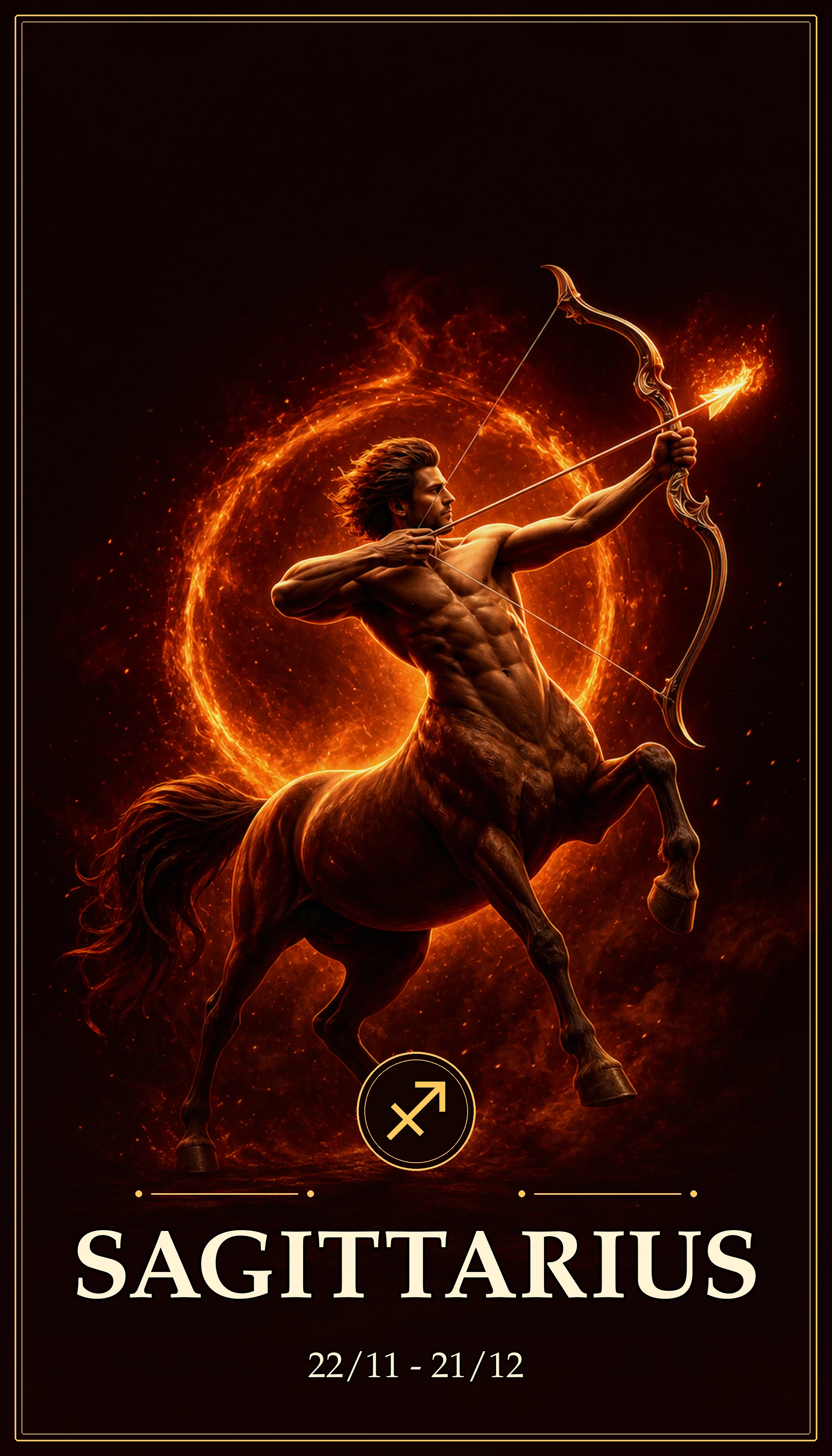
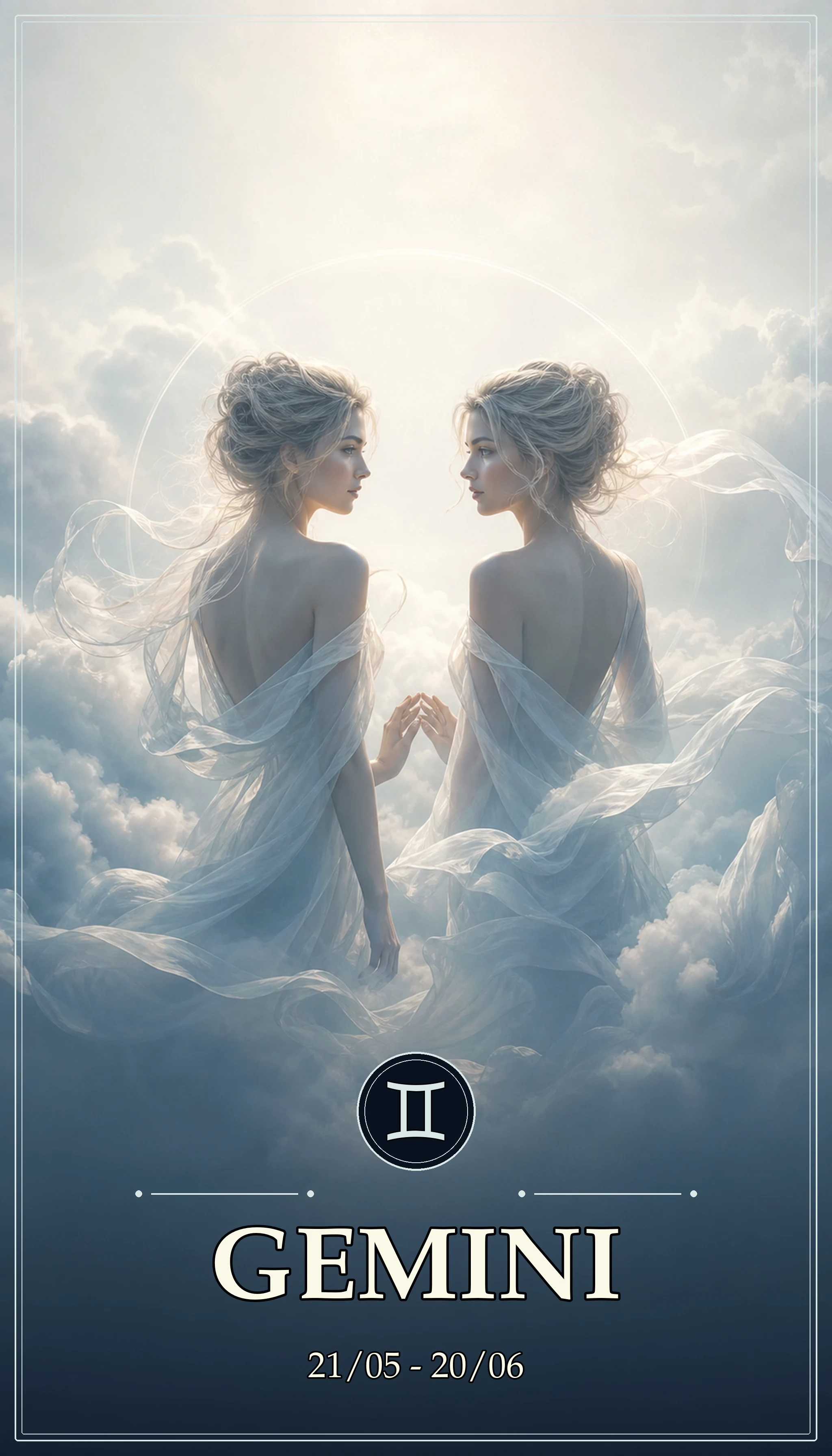
Tim Leibold's chart rests first on the stable factors: Sun in Sagittarius and Moon in Gemini. Without a reliable time, signs and aspects are stronger than the Rising sign or houses.

Chart detail:

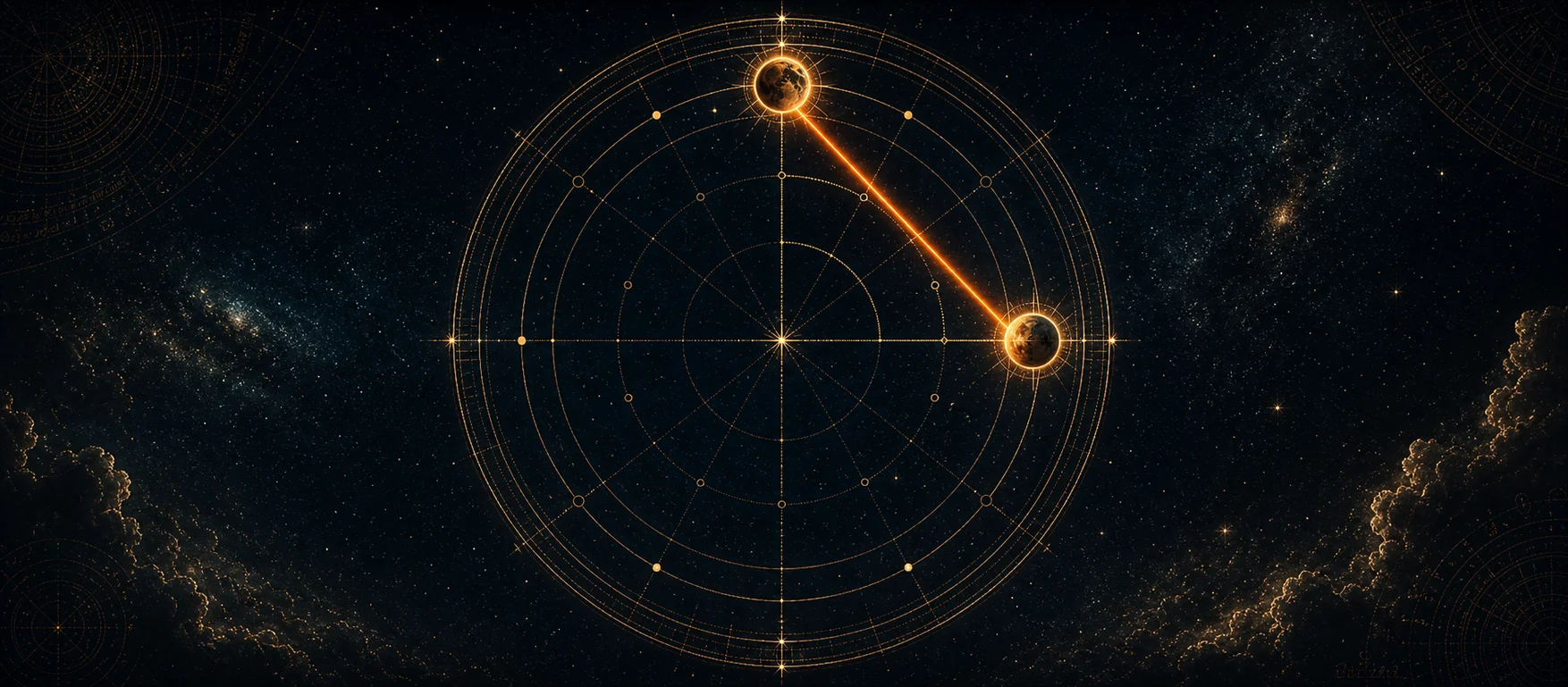
Venus conjunct Pluto (orb 0.9°) gives a central dynamic in this reading. The orb is extremely tight; this aspect is one of the chart's strongest signals.

In plain terms, this aspect joins Venus to Pluto: desire, attraction, beauty, sexuality, power, and crisis come out together.

The birth time is not known with certainty, so the Rising sign and houses are less reliable. Signs and exact aspects give the safer reading base.

Learn the zodiac signs  ·  Learn the planets  ·  Learn the houses  ·  Browse celebrity charts  ·  Calculate your own birth chart

Displayed: 30/11/1993, 12:00 (unknown hour) at
(0°00' E, 0°00' N, GMT 0).

Source: Wikipedia
15°49'25°56'19°22'19°52'24°35'4°9'15°27'26°52'20°29'22°26'8°18'
Displayed: 30/11/1993, 12:00 (unknown hour) at
(0°00' E, 0°00' N, GMT 0).

Source: Wikipedia

Sun Sagittarius
Sagittarius

Sun in Sagittarius

Moon Gemini
Gemini

Moon in Gemini


The Rising sign cannot be determined if the time is not known.

Element Sign Degrees Speed
Sun Sagittarius 08° 17' 57" 1.013 / day
Moon Gemini 22° 26' 09" 12.645 / day
Mercury Scorpio 20° 28' 34" 1.396 / day
Venus Scorpio 26° 51' 48" 1.256 / day
Mars Sagittarius 15° 27' 27" 0.736 / day
Jupiter Scorpio 04° 08' 59" 0.197 / day
Saturn Aquarius 24° 34' 40" 0.055 / day
Uranus Capricorn 19° 52' 30" 0.047 / day
Neptune Capricorn 19° 22' 16" 0.03 / day
Pluto Scorpio 25° 56' 07" 0.039 / day
Lilith Aries 15° 49' 22" 0.111 / day
RS Pisces 07° 41' 25"
MH Sagittarius 10° 56' 41"

Click on a planet

 Log in or create and account to be able to save your own charts (it's free!).


Analysis

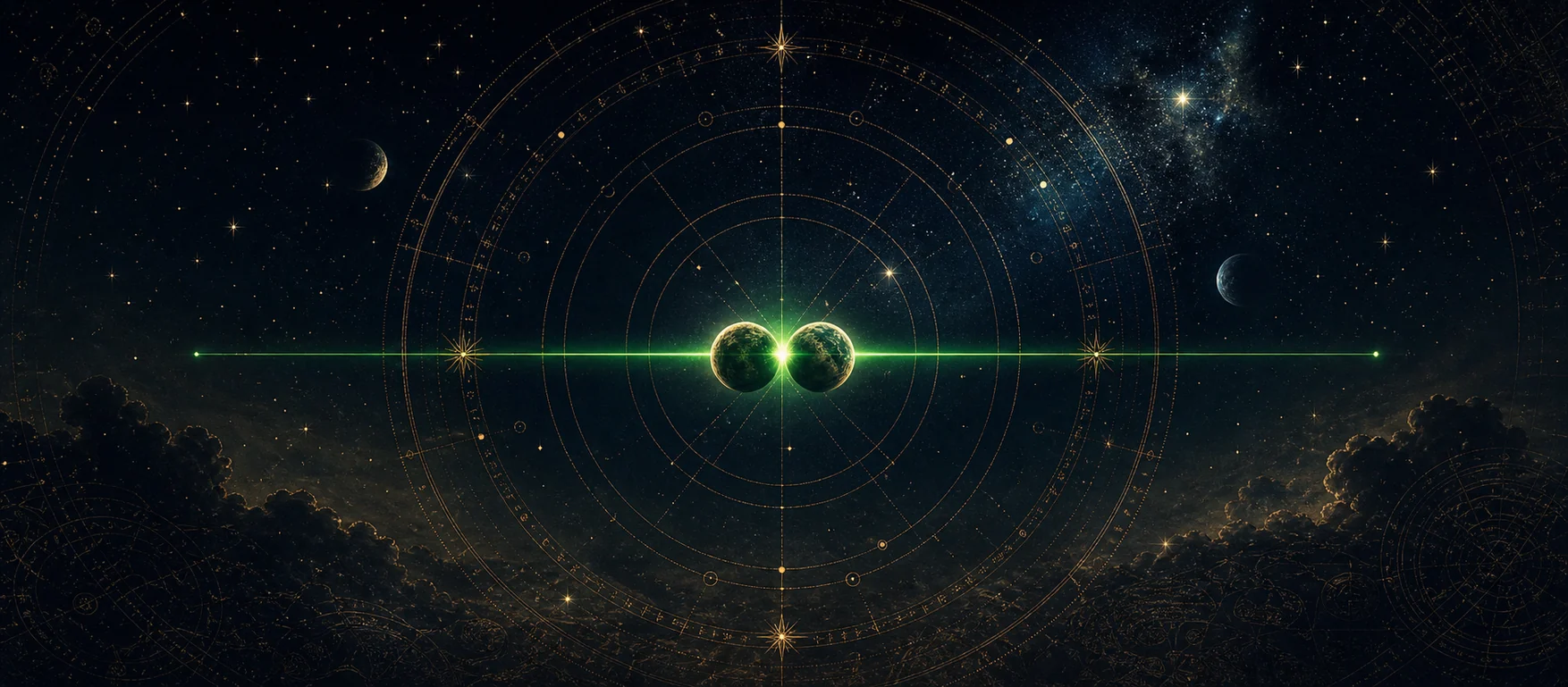
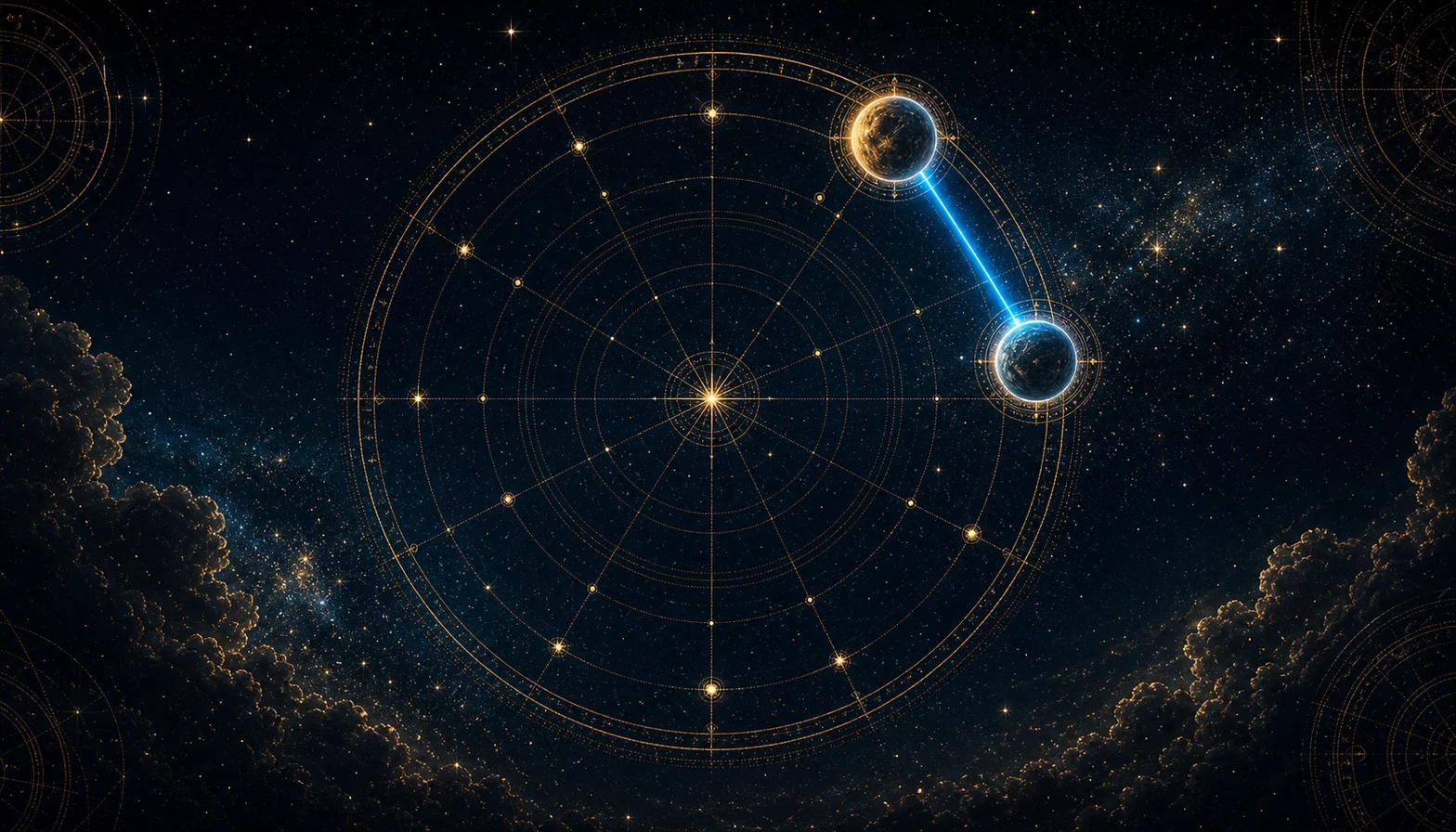
Astrological birth chart geometry with aspect lines
This visual introduces the aspect section; houses stay out of the main reading when the birth time is unknown.

How to read this chart

This section gives a concrete reading thread. It highlights the most visible signatures, then the tabs keep each placement separate instead of mixing everything together.

Important: Unknown birth time: the Rising sign, houses, and angular dominants are too time-sensitive to anchor the interpretation. The Moon remains useful, but its exact aspects can shift during the day: tight non-Moon aspects are more reliable when they exist.

Reading map

Start here: a short reading that shows what hooks, what helps, what pushes back, and where it becomes concrete.

1. Big Three, Personal Essence

Sun in Sagittarius · Moon in Gemini

First hook: this is where the chart often becomes recognizable in real life. Sun in Sagittarius: identity and direction move through expansion, travel, belief, and the search for meaning; Moon in Gemini: emotional safety looks for curiosity, language, movement, and mental adaptation. Because the birth time is missing, reliable aspects should carry the next step before houses or angles.

2. Dominants (visible planets)

Dominants unavailable without reliable birth time

Angular dominants depend on birth time. Without a reliable hour, do not use them as primary evidence.

3. Important harmonious aspects

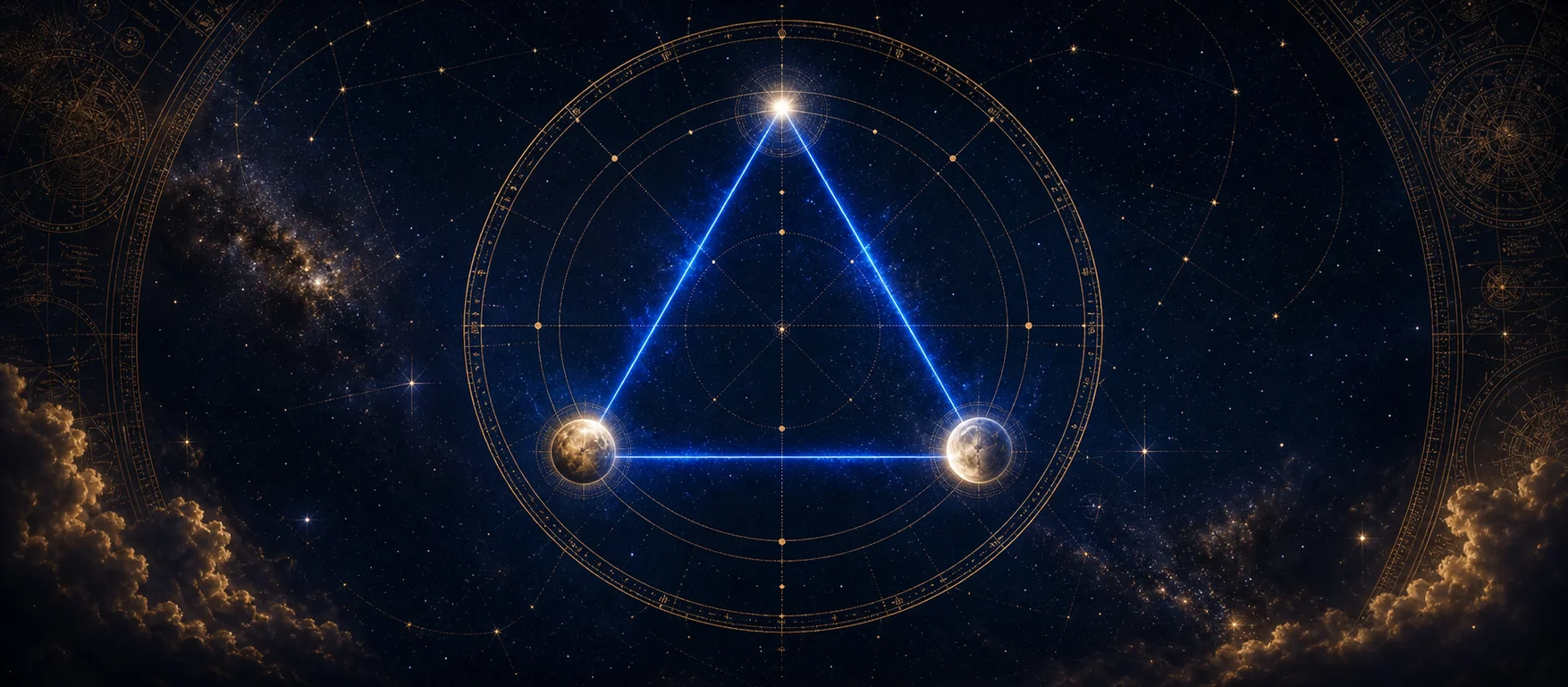
Harmonious circuit: Mercury, Uranus, and Neptune

This is the easiest door into the chart: it shows what tends to cooperate naturally.

This pattern describes what comes more easily. Houses are not used here: unknown time. It connects Mercury (thinking, speech, and decisions), Uranus (change, freedom, rupture, and originality), and Neptune (dreams, ideals, imagination, and confusion).

This is the clearest cooperation pattern in the chart: Mercury sextile Uranus (orb 0.6°) and Mercury sextile Neptune (orb 1.1°). It shows where functions support each other, recover, or come naturally when used together. Because several planets are connected, the full pattern matters more than one isolated aspect.

  • Harmony Mercury sextile Uranus (orb 0.6°) Sextile: Mercury in Scorpio can cooperate with Uranus in Capricorn in the same concrete choice or situation. For this pair, the aspect lets intellect and Uranus cooperate in invention, quick replies, technology, or a changed perspective.
  • Harmony Mercury sextile Neptune (orb 1.1°) Sextile: Mercury in Scorpio can cooperate with Neptune in Capricorn in the same concrete choice or situation. For this pair, the aspect lets intellect and imagination cooperate when language gives image a channel.
4. Important tensions

Tension circuit: Saturn, Pluto, Venus, and Mercury

This is the pressure line to read first: it shows where tension repeats in concrete situations.

This pattern shows where pressure builds fastest. Houses are not used here: unknown time. It connects Saturn (responsibility, limits, effort, and patience), Pluto (power, crisis, intensity, and deep transformation), Venus (attraction, pleasure, taste, and relationships), and Mercury (thinking, speech, and decisions).

This is the clearest friction pattern in the chart: Saturn square Pluto (orb 1.4°), Venus square Saturn (orb 2.3°), and Mercury square Saturn (orb 4.1°). It shows where pressure, contradiction, or repeated effort concentrates. Because several planets are connected, the full pattern matters more than one isolated aspect.

  • Tension Saturn square Pluto (orb 1.4°) Square in real life: the friction is between Saturn in Aquarius and Pluto in Scorpio. This can show as blockage, inhibition, overreaction, or repeated conflict between the two planets.
  • Tension Venus square Saturn (orb 2.3°) Square in real life: the friction is between Venus in Scorpio and Saturn in Aquarius. This can show as blockage, inhibition, overreaction, or repeated conflict between the two planets. For this pair, the aspect creates tension between pleasure, affection, self-worth, and restraint.
  • Tension Mercury square Saturn (orb 4.1°) Square in real life: the friction is between Mercury in Scorpio and Saturn in Aquarius. This can show as blockage, inhibition, overreaction, or repeated conflict between the two planets. For this pair, the aspect creates tension between thought, doubt, rigidity, and the demand for precision.
5. Important houses

Houses unavailable without reliable birth time

Houses describe domains of existence, but they depend on birth time. Without a reliable hour, signs and aspects should carry the reading.


Sun
Sun in Sagittarius Identity, ego, father figure
Moon
Moon in Gemini Dream, inner child, mother figure
The three foundations

Without a reliable birth time, the Sun, Moon, and exact aspects become the reliable base. The Rising sign, houses, and angular dominants need a reliable birth time.

The Moon can change signs during a day. Near a lunar sign change, the Moon sign remains a hypothesis.

Without a reliable hour, exact aspects and reliable repetitions can strongly nuance the starting reading.

Tim Leibold has Sun in Sagittarius

How to read this placement

Sun in Sagittarius remains a reliable combination even without a birth time. The Sun describes identity, ego, father figure, visibility, and direction, with Sagittarius style: expansion, travel, belief, and the search for meaning.

More about this placement

Concretely, the person expresses identity, ego, father figure, recognition, and personal direction through the Sagittarius style (expansion, travel, belief, and the search for meaning). Exact aspects and repeated patterns indicate whether this theme becomes central.

With the Sun in Sagittarius, identity forms through exploration, belief, distance, teaching, and larger meaning. The person often needs horizon: travel, study, philosophy, politics, religion, culture, or any path that expands the mind beyond the immediate environment. This placement can give optimism, frankness, humor, vision, and the ability to transmit enthusiasm. It is not only restlessness; it is the need to orient life around a bigger direction. When excessive, the person may overstate, promise too much, or confuse conviction with truth.


Tim Leibold has Moon in Gemini

How to read this placement

Moon in Gemini remains a useful base without a birth time. The Moon sign is often usable, but near a Moon sign change it remains a hypothesis; the Moon describes personal dream, play, inner child, childhood imprint, mother figure, mother image, optimism, and inner rhythm, with Gemini style: curiosity, language, movement, and mental adaptation.

More about this placement

Concretely, the person expresses personal dream, play instinct, inner child, childhood imprint, mother figure, mother image, optimism, and inner rhythm through the Gemini style (curiosity, language, movement, and mental adaptation). Exact aspects and repeated patterns indicate whether this theme becomes central.

Aspect connected to this placement: Moon trine Saturn (orb 2.1°). Aspect effect: gives positive steadiness when personal dream, inner child, and mother image accept structure. Mother-image layer: childhood, mother image, and inner child are supported by Saturn.

With the Moon in Gemini, the inner child stays alive through words, humor, curiosity, movement, and exchange. The personal dream often needs language: naming things, comparing stories, asking questions, and keeping the mind in circulation. This Moon can give adaptability, wit, nervous intelligence, and a talent for translating inner states into speech. The mother image or childhood imprint may be linked to talking, learning, siblings, mobility, or a home where everything had to be understood quickly. When scattered, it can turn everything into thought, change moods quickly, or stay busy to avoid one difficult feeling.

    Time-sensitive Moon aspect: Moon trine Saturn (orb 2.1°). Because the birth time is unknown, the Moon's exact degree can shift during the day. This interpretation stays provisional and gains weight only if the aspect remains tight across the possible birth window or repeats another clear signature.

    Here, Moon in Gemini brings personal dream, play, inner child, childhood imprint, mother figure, mother image, optimism, and inner rhythm with Gemini style (curiosity, language, movement, and mental adaptation); Saturn in Aquarius brings discipline, constraint, endurance, and mastery with Aquarius style (independence, networks, distance, and collective change).

    Concrete support: this aspect gives positive steadiness when personal dream, inner child, and mother image accept structure. Mother-image layer: childhood, mother image, and inner child are supported by Saturn.


The Rising sign cannot be determined if the time is not known.


Mercury
Mercury Intellect, language, technique
Venus
Venus Desire, taste, attraction
Mars
Mars Action, courage, competition
Jupiter
Jupiter Fulfillment, confidence, horizons

Tim Leibold has Mercury in Scorpio

How to read this placement

Mercury in Scorpio remains a reliable combination even without a birth time. Mercury describes intellect, language, thought, and technique, with Scorpio style: intensity, desire, crisis, secrecy, and invisible power.

More about this placement

Concretely, the person expresses thinking, speech, learning, technique, and mental strategy through the Scorpio style (intensity, desire, crisis, secrecy, and invisible power). Exact aspects and repeated patterns indicate whether this theme becomes central.

Aspect connected to this placement: Mercury sextile Uranus (orb 0.6°). Aspect effect: lets intellect and Uranus cooperate in invention, quick replies, technology, or a changed perspective.

With Mercury in Scorpio, the intellect investigates, penetrates, and looks for hidden motives. The person often hears what is not being said and may prefer precise, intense, private, or strategic communication. This placement can give psychological insight, research ability, persuasive force, and courage to examine taboo material. It is not satisfied with surface explanations. Under stress, it can become suspicious, secretive, verbally cutting, or too focused on control.

    Mercury sextile Uranus (orb 0.6°) shows active cooperation between the two planets. The orb is extremely tight; this aspect is one of the chart's strongest signals.

    Here, Mercury in Scorpio brings intellect, language, thought, and technique with Scorpio style (intensity, desire, crisis, secrecy, and invisible power); Uranus in Capricorn brings disruption, independence, and change with Capricorn style (structure, ambition, responsibility, and long construction).

    Concrete cooperation: intellect and Uranus can cooperate in invention, quick replies, technology, or a changed perspective.

    Mercury sextile Neptune (orb 1.1°) shows active cooperation between the two planets. The orb is very tight; this describes a stable character pattern more than a passing reaction.

    Here, Mercury in Scorpio brings intellect, language, thought, and technique with Scorpio style (intensity, desire, crisis, secrecy, and invisible power); Neptune in Capricorn brings imagination, image, popularity, collective moods, and inspiration with Capricorn style (structure, ambition, responsibility, and long construction).

    Concrete cooperation: intellect and imagination can cooperate when language gives image a channel.

    Mercury conjunct Pluto (orb 5.5°) brings the two planets out together. The orb is moderate; it stays secondary beside tighter signatures.

    Here, both planets use the same Scorpio style (intensity, desire, crisis, secrecy, and invisible power). Mercury in Scorpio brings intellect, language, thought, and technique; Pluto in Scorpio brings crisis, power, survival, and regeneration.

    Concrete effect: this aspect joins Mercury to Pluto: intellect seeks what is hidden, risky, strategic, or difficult to say.

    Mercury conjunct Venus (orb 6.4°) is minor in this chart. The orb is wide; this aspect stays a light nuance.

    Here, both planets use the same Scorpio style (intensity, desire, crisis, secrecy, and invisible power). Mercury in Scorpio brings intellect, language, thought, and technique; Venus in Scorpio brings desire, taste, relationship, and attraction.

    Concrete effect: this aspect brings intellect, language, taste, desire, and charm together: thought seeks an attractive or pleasant form.

    Mercury square Saturn (orb 4.1°) creates concrete friction between the two planets. The orb is moderate; it stays secondary beside tighter signatures.

    Concrete friction: this aspect creates tension between thought, doubt, rigidity, and the demand for precision.


Tim Leibold has Venus in Scorpio

How to read this placement

Venus in Scorpio remains a reliable combination even without a birth time. Venus describes desire, taste, relationship, and attraction, with Scorpio style: intensity, desire, crisis, secrecy, and invisible power.

More about this placement

Concretely, the person expresses desire, taste, attraction, pleasure, and love style through the Scorpio style (intensity, desire, crisis, secrecy, and invisible power). Exact aspects and repeated patterns indicate whether this theme becomes central.

Aspect connected to this placement: Venus conjunct Pluto (orb 0.9°). Aspect effect: joins Venus to Pluto: desire, attraction, beauty, sexuality, power, and crisis come out together.

With Venus in Scorpio, affection becomes intense, private, magnetic, and hard to separate from trust, vulnerability, and desire. The person often wants bonds that feel total, honest, and emotionally real, not merely pleasant. Taste can be dark, deep, erotic, powerful, or drawn to what reveals hidden layers. This placement does not usually enjoy superficial attachment. Under stress, it can become jealous, controlling, suspicious, or test love by pushing it toward extremes.

    Venus conjunct Pluto (orb 0.9°) brings the two planets out together. The orb is extremely tight; this aspect is one of the chart's strongest signals.

    Here, both planets use the same Scorpio style (intensity, desire, crisis, secrecy, and invisible power). Venus in Scorpio brings desire, taste, relationship, and attraction; Pluto in Scorpio brings crisis, power, survival, and regeneration.

    Concrete effect: this aspect joins Venus to Pluto: desire, attraction, beauty, sexuality, power, and crisis come out together.

    Venus square Saturn (orb 2.3°) creates concrete friction between the two planets. The orb is tight enough to count in the main reading.

    Here, Venus in Scorpio brings desire, taste, relationship, and attraction with Scorpio style (intensity, desire, crisis, secrecy, and invisible power); Saturn in Aquarius brings discipline, constraint, endurance, and mastery with Aquarius style (independence, networks, distance, and collective change).

    Concrete friction: this aspect creates tension between pleasure, affection, self-worth, and restraint.

    Same aspect, other side: the full reading is under the other planet, and it also applies to Venus.

    Open the full aspect reading under Mercury


Tim Leibold has Mars in Sagittarius

How to read this placement

Mars in Sagittarius remains a reliable combination even without a birth time. Mars describes action, courage, competition, and effort, with Sagittarius style: expansion, travel, belief, and the search for meaning.

More about this placement

Concretely, the person expresses action, anger, courage, competition, and effort through the Sagittarius style (expansion, travel, belief, and the search for meaning). Exact aspects and repeated patterns indicate whether this theme becomes central.

Aspect connected to this placement: Mars trine Lilith (orb 0.4°). Aspect effect: lets Lilith's ideal sharpen Mars into courage, precision, and clean action under pressure.

With Mars in Sagittarius, action needs distance, meaning, truth, movement, and a horizon. The person often acts through travel, teaching, sport, debate, belief, humor, or the defense of a principle. This Mars can be bold, enthusiastic, frank, adventurous, and motivating. Under stress, it can become reckless, preachy, impatient with limits, or too sure that its own direction is the only honest one.

    Mars trine Lilith (orb 0.4°) shows positive structural ease between the two planets. The orb is extremely tight; this aspect is one of the chart's strongest signals.

    Here, Mars in Sagittarius brings action, courage, competition, and effort with Sagittarius style (expansion, travel, belief, and the search for meaning); Lilith in Aries brings pure ideal, absolute demand, fascination, and refusal of compromise with Aries style (initiative, speed, confrontation, and direct action).

    Concrete support: Lilith's ideal can sharpen Mars into courage, precision, and clean action under pressure.


Tim Leibold has Jupiter in Scorpio

How to read this placement

Jupiter in Scorpio remains a reliable combination even without a birth time. Jupiter describes personal fulfillment, confidence, encouragement, and broader horizons, with Scorpio style: intensity, desire, crisis, secrecy, and invisible power.

More about this placement

Concretely, the person expresses personal fulfillment, confidence, and opening of horizons through the Scorpio style (intensity, desire, crisis, secrecy, and invisible power). Exact aspects and repeated patterns indicate whether this theme becomes central.

With Jupiter in Scorpio, the person finds fulfillment through intensity, trust, sexuality, crisis, research, and the courage to enter what is hidden. They often become more confident when life requires depth rather than surface optimism. This Jupiter can give crisis confidence, magnetic influence, emotional bravery, and the ability to find opportunity inside difficult material. Under stress, it can become excessive, suspicious, controlling, or attracted to drama because ordinary peace feels too thin.


Saturn
Saturn Discipline, limits, structure
Uranus
Uranus Freedom, rupture, invention
Neptune
Neptune Image, popularity, inspiration
Pluto
Pluto Crisis, power, regeneration
Lilith
Lilith Ideal, fascination, refusal

Tim Leibold has Saturn in Aquarius

How to read this placement

Saturn in Aquarius remains a reliable combination even without a birth time. Saturn describes discipline, constraint, endurance, and mastery, with Aquarius style: independence, networks, distance, and collective change.

More about this placement

Concretely, the person expresses discipline, limits, duty, fear, and long construction through the Aquarius style (independence, networks, distance, and collective change). Exact aspects and repeated patterns indicate whether this theme becomes central.

Aspect connected to this placement: Saturn square Pluto (orb 1.4°). Aspect effect: creates friction between Saturn (discipline, constraint, endurance, and mastery) and Pluto's crisis instinct: pressure can become domination, fear, or destructive escalation unless it receives a clear outlet.

With Saturn in Aquarius, discipline is applied to groups, systems, friendship, reform, and the future. The person may care less about fitting in than about building a coherent structure for collective life. This can give principled independence, technical seriousness, and the ability to organize ideas, networks, or causes over time. Under stress, it can become social distance, ideological rigidity, or the feeling of being responsible for a group while remaining emotionally separate from it.


Tim Leibold has Uranus in Capricorn

How to read this placement

Uranus in Capricorn remains a reliable combination even without a birth time. Uranus describes disruption, independence, and change, with Capricorn style: structure, ambition, responsibility, and long construction.

More about this placement

Concretely, the person expresses freedom, disruption, broken rhythms, and the need for independence through the Capricorn style (structure, ambition, responsibility, and long construction). Exact aspects and repeated patterns indicate whether this theme becomes central.

With Uranus in Capricorn, independence expresses itself through career, hierarchy, institutions, authority, and public structure. The person may challenge old systems from inside the system, or build a professional path that does not follow the expected ladder. This placement can give strategic reform, practical innovation, and the ability to modernize rigid organizations. Under stress, it can bring sudden career breaks, conflict with authority, or a cold need to overturn structures before knowing what replaces them.


Tim Leibold has Neptune in Capricorn

How to read this placement

Neptune in Capricorn remains a reliable combination even without a birth time. Neptune describes imagination, image, popularity, collective moods, and inspiration, with Capricorn style: structure, ambition, responsibility, and long construction.

More about this placement

Concretely, the person expresses imagination, image, popularity, and the ability to read collective currents through the Capricorn style (structure, ambition, responsibility, and long construction). Exact aspects and repeated patterns indicate whether this theme becomes central.

With Neptune in Capricorn, the dream function takes the color of authority, career, status, institutions, rules, and long-term ambition. The person may sense collective moods through the image of success, the myth of the leader, or the desire to give a dream a concrete structure. This placement can give strategic imagination, public mystique, and the ability to make institutions carry symbolic power. Under stress, it can idealize authority, blur ethical lines around ambition, or make achievement feel like salvation.


Tim Leibold has Pluto in Scorpio

How to read this placement

Pluto in Scorpio remains a reliable combination even without a birth time. Pluto describes crisis, power, survival, and regeneration, with Scorpio style: intensity, desire, crisis, secrecy, and invisible power.

More about this placement

Concretely, the person expresses crisis, power, sexuality, survival, and transformation through the Scorpio style (intensity, desire, crisis, secrecy, and invisible power). Exact aspects and repeated patterns indicate whether this theme becomes central.

With Pluto in Scorpio, power concentrates around sexuality, death, crisis, shared resources, secrets, instinct, and deep emotional bonds. The person may be drawn to what is intense, forbidden, dangerous, or psychologically revealing. This placement can give extraordinary regenerative force, survival instinct, and the ability to face truths other people avoid. Under stress, it can become obsession, control, jealousy, manipulation, or an inability to leave a crisis before it consumes everything.


Tim Leibold has Lilith in Aries

How to read this placement

Lilith in Aries remains a reliable combination even without a birth time. Lilith describes pure ideal, absolute demand, fascination, and refusal of compromise, with Aries style: initiative, speed, confrontation, and direct action.

More about this placement

Concretely, the person expresses the pure ideal, absolute demand, desire, fascination, and what refuses to become ordinary through the Aries style (initiative, speed, confrontation, and direct action). Exact aspects and repeated patterns indicate whether this theme becomes central.

With Black Moon Lilith in Aries, the non-negotiable point concerns action, courage, desire, and the right to exist without asking permission. The person may reject weakness, passivity, or any situation where their instinct has to be softened too much. This placement can give fierce autonomy, raw courage, and a refusal to let fear decide. Under stress, it can become rage, impatience, provocative independence, or a need to prove strength even when no battle is necessary.