Start here: a short reading that shows what hooks, what helps, what pushes back, and where it becomes concrete.
1. Big Three, Personal Essence
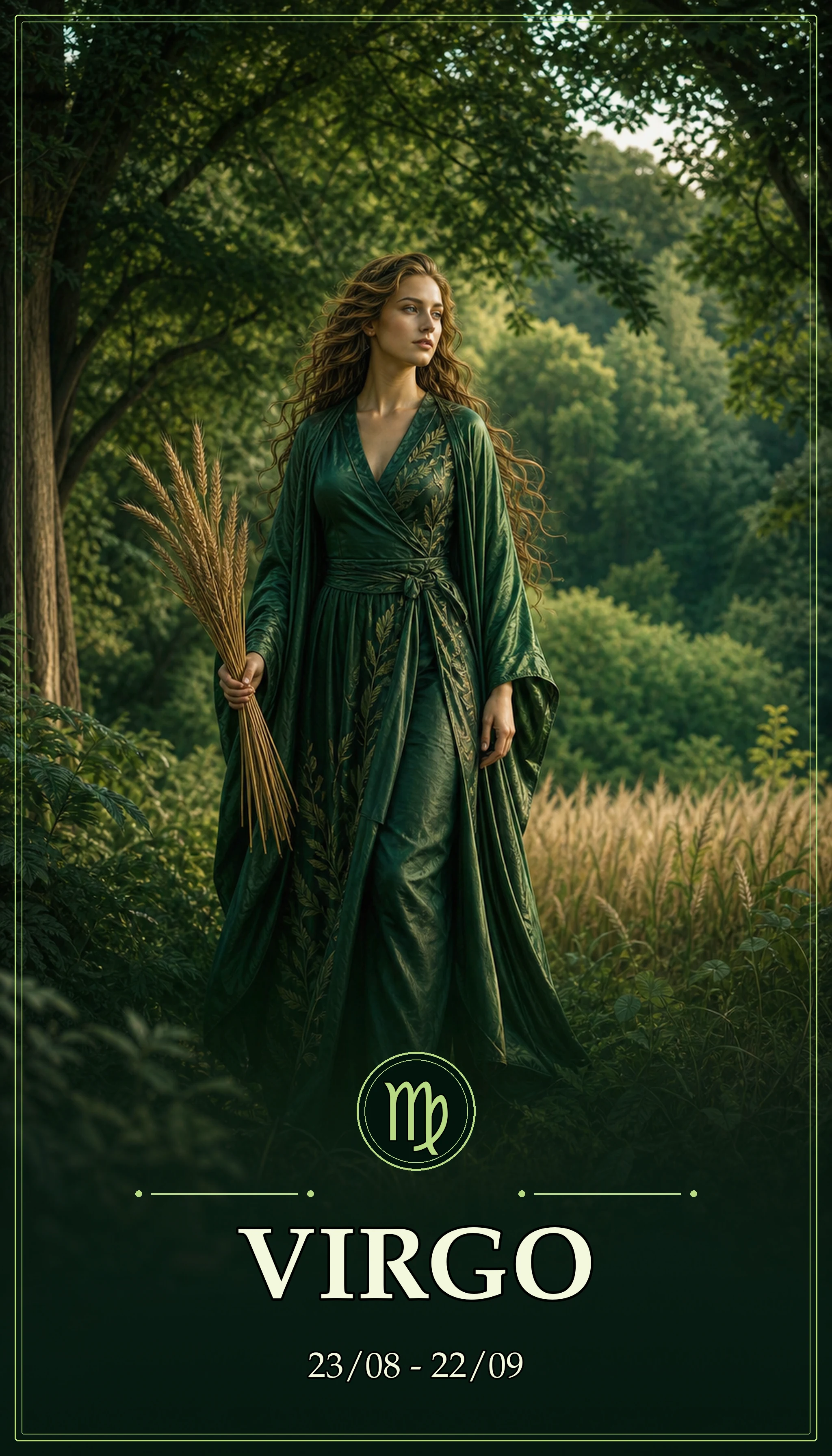
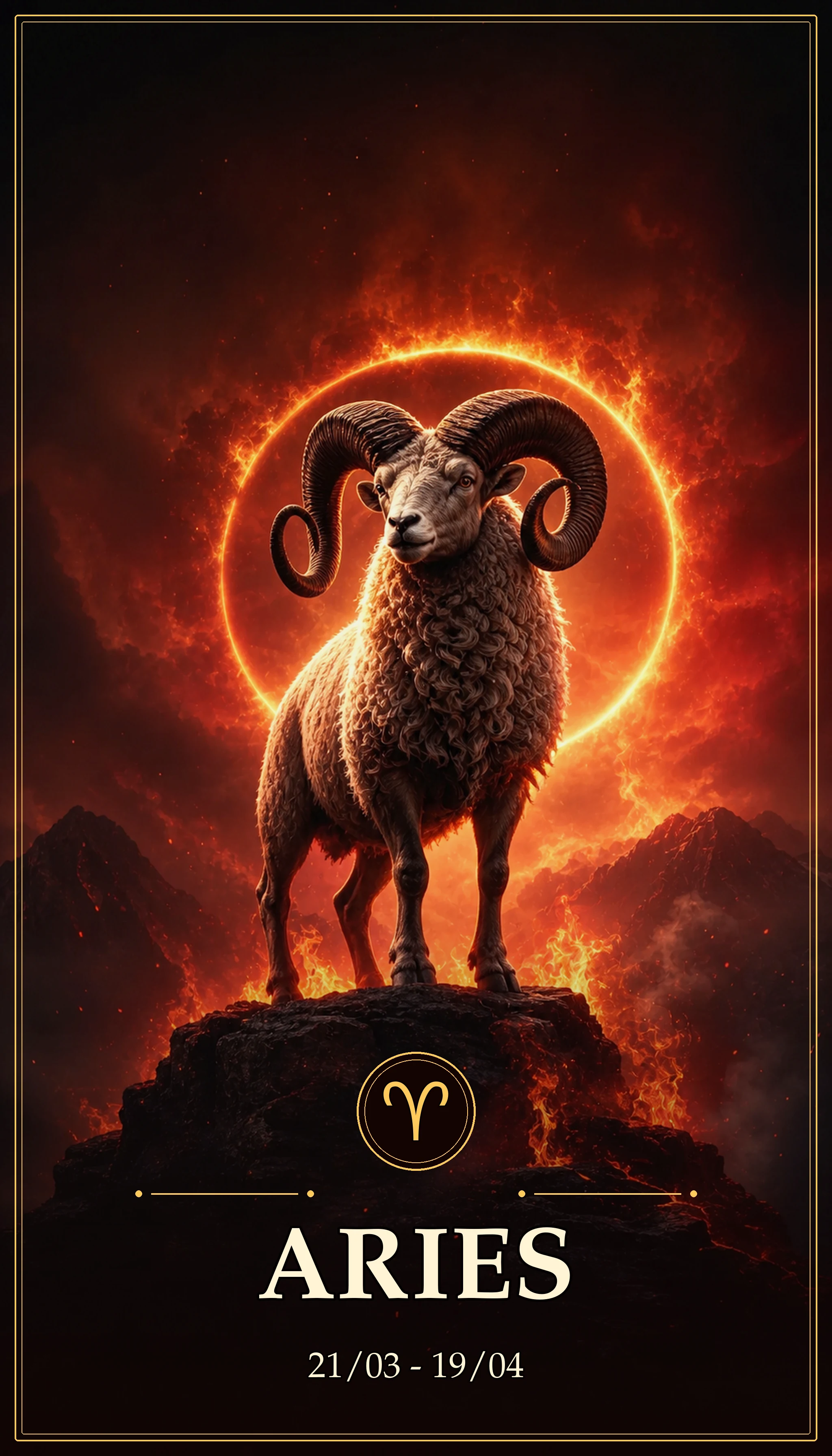
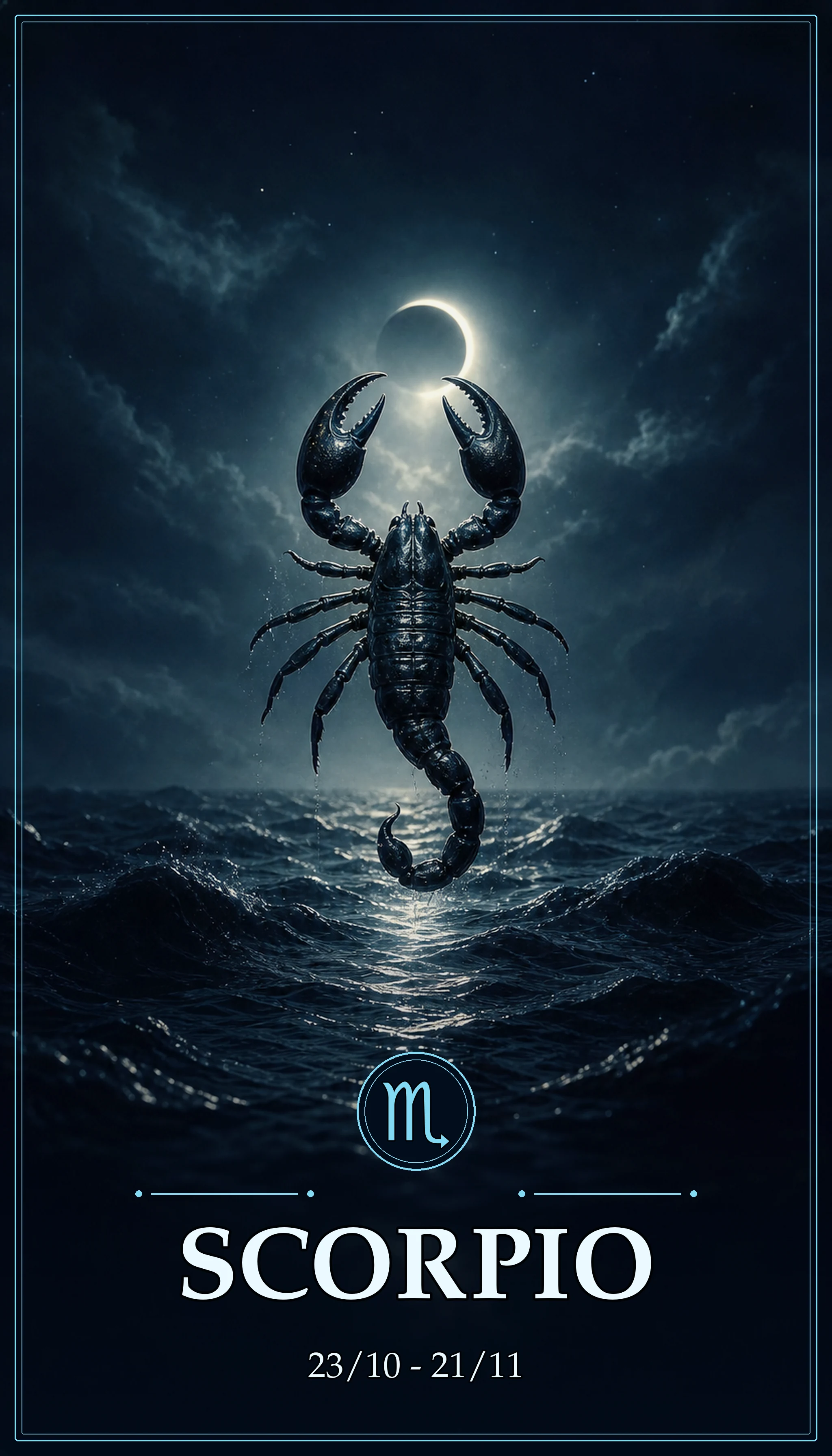
Sun in Virgo · Moon in Aries · Scorpio Rising
First hook: this is where the chart often becomes recognizable in real life. Sun in Virgo: identity and direction move through precision, method, usefulness, and attention to detail; Moon in Aries: emotional safety looks for initiative, speed, confrontation, and direct action; Scorpio Rising: the first way into situations uses intensity, desire, crisis, secrecy, and invisible power. Then read the supports, tensions, and houses to see where this base becomes easy, charged, or visible.
2. Dominants (visible planets)
No clear angular dominant
No planet is close enough to an angle to dominate visibly. Read the Big Three, exact aspects, and important houses instead.
3. Important harmonious aspects
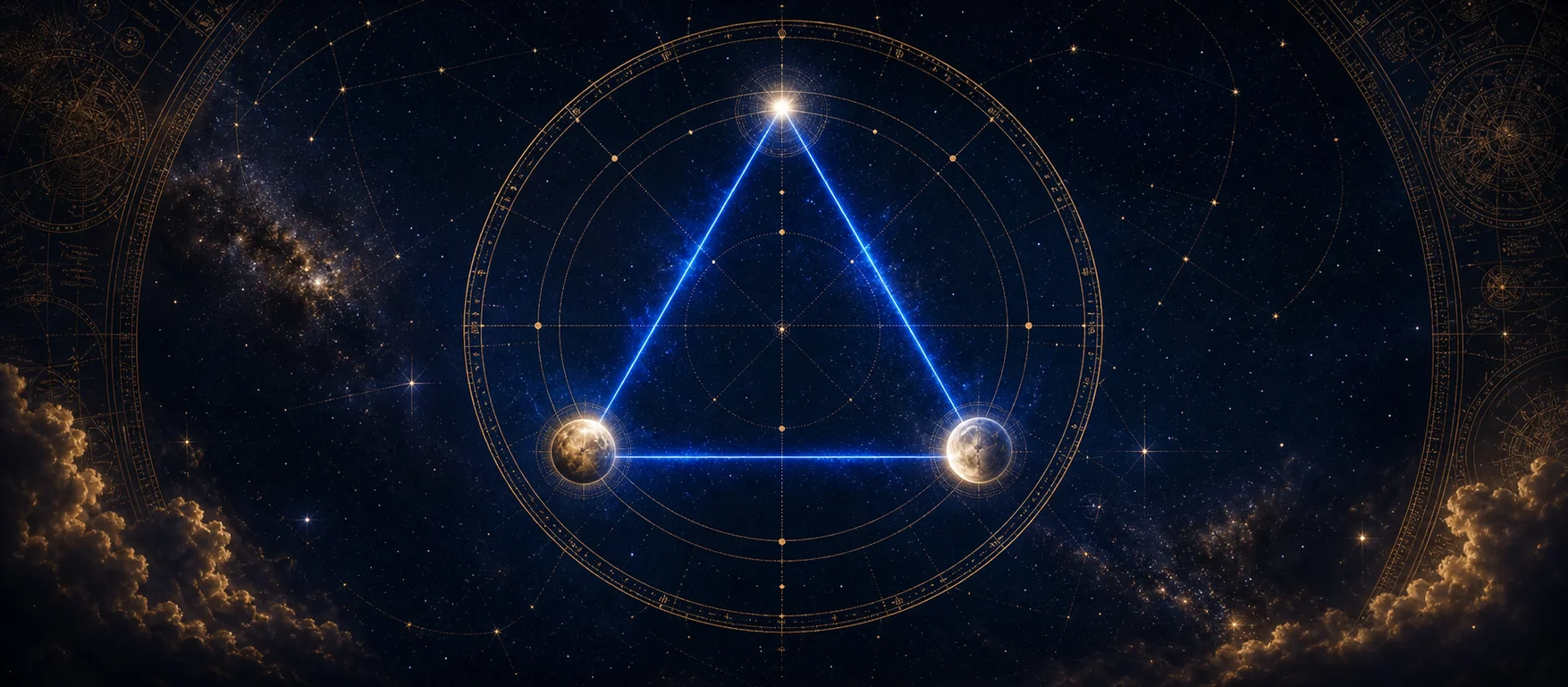
Harmonious circuit: Neptune, Venus, Uranus, Saturn, and Sun
This is the easiest door into the chart: it shows what tends to cooperate naturally.
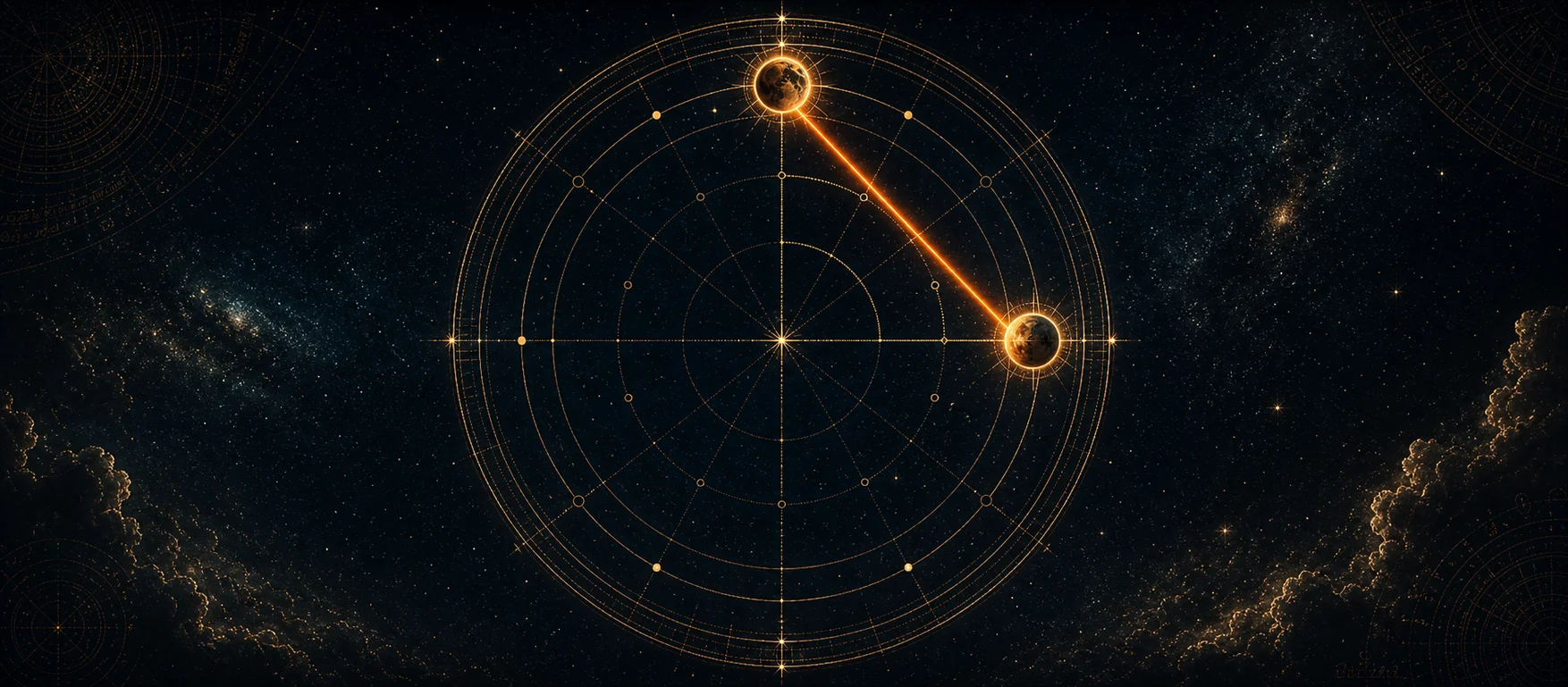
This pattern describes what comes more easily. It shows up mainly through House 10 (career, status, responsibility, and public role), House 3 (speech, learning, and close surroundings), and House 4 (home, family, and private life). It connects Neptune (dreams, ideals, imagination, and confusion), Venus (attraction, pleasure, taste, and relationships), Uranus (change, freedom, rupture, and originality), and Saturn (responsibility, limits, effort, and patience).
This is the clearest cooperation pattern in the chart: Venus trine Uranus (orb 1.4°), Venus trine Neptune (orb 2.4°), and Saturn sextile Neptune (orb 1.4°). It shows where functions support each other, recover, or come naturally when used together. Because several planets are connected, the full pattern matters more than one isolated aspect.
-
Harmony
Venus trine Uranus (orb 1.4°)
Trine: Venus in Virgo in House 10 can support Uranus in Capricorn in House 3 naturally and positively. For this pair, the aspect gives positive ease between charm and originality: attraction can become free, inventive, modern, or unexpected.
-
Harmony
Venus trine Neptune (orb 2.4°)
Trine: Venus in Virgo in House 10 can support Neptune in Capricorn in House 3 naturally and positively. For this pair, the aspect gives positive ease between charm, beauty, imagination, and collective receptivity: attraction can carry a very popular or inspiring image.
-
Harmony
Saturn sextile Neptune (orb 1.4°)
Sextile: Saturn in Pisces in House 4 can cooperate with Neptune in Capricorn in House 3 in the same concrete choice or situation. For this pair, the aspect lets structure and imagination cooperate when the dream receives a method.
-
Harmony
Sun trine Neptune (orb 3.7°)
Trine: Sun in Virgo in House 10 can support Neptune in Capricorn in House 3 naturally and positively. For this pair, the aspect gives positive ease embodying an inspiring or popular image. Father-image layer: ego, personal direction, and the father imprint are supported by Neptune.
4. Important tensions
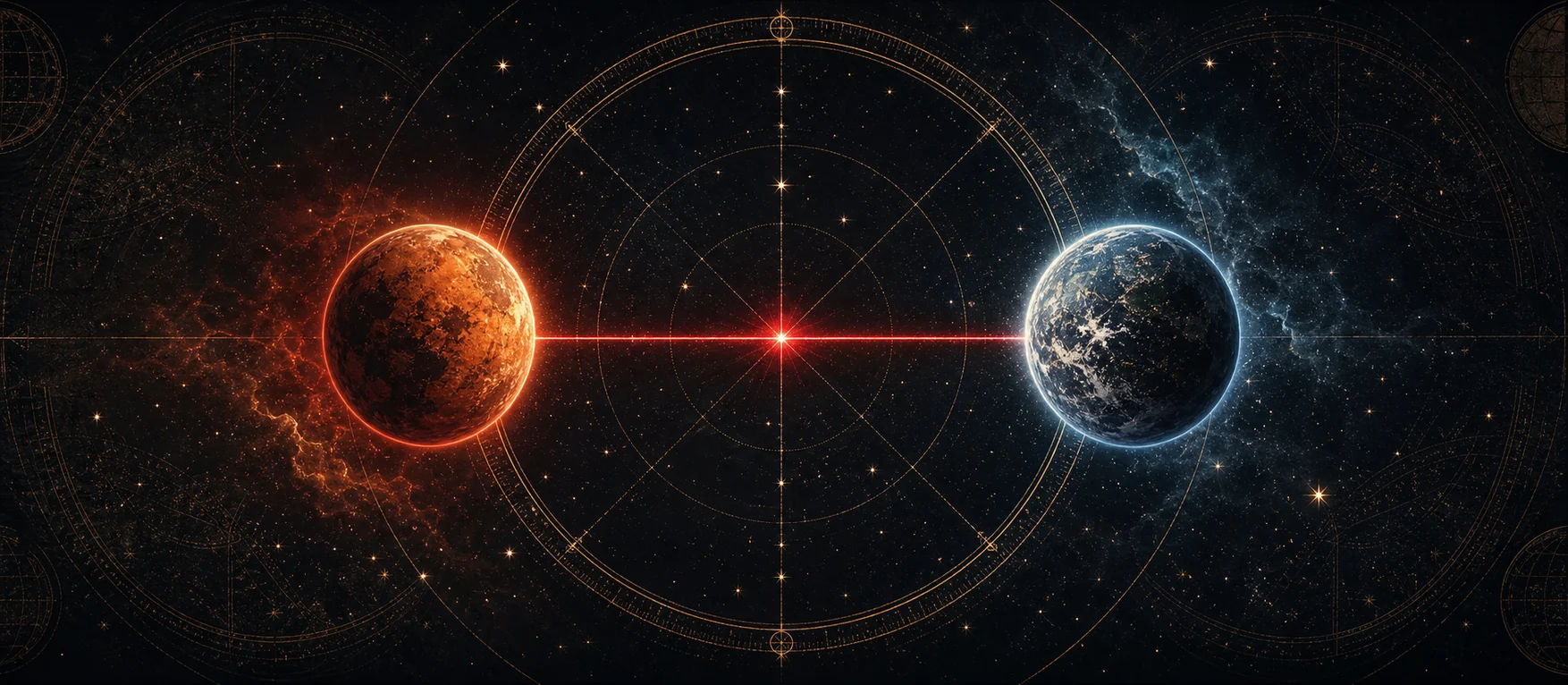
Tension circuit: Saturn, Sun, and Venus
This is the pressure line to read first: it shows where tension repeats in concrete situations.
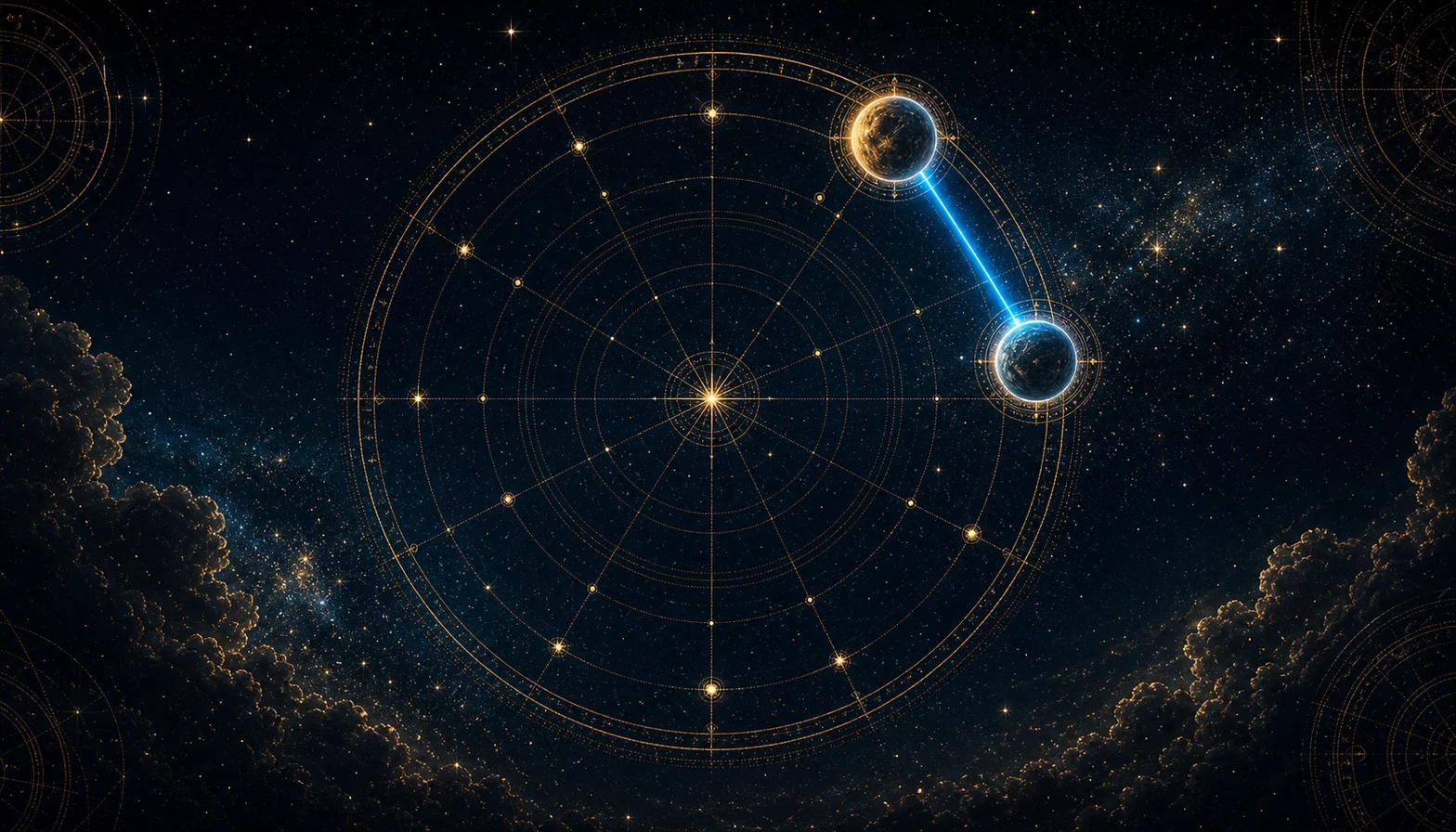
This pattern shows where pressure builds fastest. It shows up mainly through House 10 (career, status, responsibility, and public role) and House 4 (home, family, and private life). It connects Saturn (responsibility, limits, effort, and patience), Sun (identity, confidence, and direction), and Venus (attraction, pleasure, taste, and relationships).
This is the clearest friction pattern in the chart: Sun opposite Saturn (orb 2.3°) and Venus opposite Saturn (orb 3.8°). It shows where pressure, contradiction, or repeated effort concentrates. Because several planets are connected, the full pattern matters more than one isolated aspect.
-
Tension
Sun opposite Saturn (orb 2.3°)
Opposition in real life: The house conflict is between House 10 (vocation, status, responsibility, and public image) and House 4 (roots, privacy, and inner foundation); pressure in one field tends to reactivate the other. For this pair, the aspect sets personal direction, ego, or father image against Saturn pressure: duty, limits, fear, authority, or a demanding father image.
-
Tension
Venus opposite Saturn (orb 3.8°)
Opposition in real life: The house conflict is between House 10 (vocation, status, responsibility, and public image) and House 4 (roots, privacy, and inner foundation); pressure in one field tends to reactivate the other. For this pair, the aspect opposes the desire for connection to reserve, fear of lack, or high standards.
5. Important houses
These houses answer the concrete question: where in life does the chart become visible? Look here for the repeated choices, relationships, work, or crises that make the rest of the chart real.
-
House 10: Sun and Venus
vocation, status, responsibility, and public image.
-
House 6: Moon
daily work, technique, and bodily discipline.
-
House 1: Jupiter and Pluto
presence, body, and the way experience is entered.