Logo

Birth chart of Theodore E. Chandler

Theodore E. Chandler birth chart is shown with zodiac signs and aspects. Because the birth time is unknown, Arcadia does not use houses, Rising sign, or angular dominants as the main basis of interpretation.

Theodore E. Chandler's chart rests first on the stable factors: Sun in Capricorn and Moon in Sagittarius. Without a reliable time, signs and aspects are stronger than the Rising sign or houses.

Chart detail:

Mercury trine Mars (orb 1.9°) gives a central dynamic in this reading. The orb is very tight; this describes a stable character pattern more than a passing reaction.

In plain terms, this aspect sharpens decision-making, speech, and execution.

The birth time is not known with certainty, so the Rising sign and houses are less reliable. Signs and exact aspects give the safer reading base.

Learn the zodiac signs  ·  Learn the planets  ·  Learn the houses  ·  Browse celebrity charts  ·  Calculate your own birth chart

Displayed: 26/12/1894, 12:00 (unknown hour) at
(0°00' E, 0°00' N, GMT 0).

Source: Wikipedia
10°28'10°21'13°51'18°27'5°8'0°48'28°13'10°59'26°22'28°5'4°45'
Displayed: 26/12/1894, 12:00 (unknown hour) at
(0°00' E, 0°00' N, GMT 0).

Source: Wikipedia

Sun Capricorn
Capricorn

Sun in Capricorn

Moon Sagittarius
Sagittarius

Moon in Sagittarius


The Rising sign cannot be determined if the time is not known.

Element Sign Degrees Speed
Sun Capricorn 04° 45' 28" 1.019 / day
Moon Sagittarius 28° 05' 02" 12.237 / day
Mercury Sagittarius 26° 21' 33" 1.553 / day
Venus Capricorn 10° 58' 44" 1.257 / day
Mars Aries 28° 13' 06" 0.352 / day
Jupiter Cancer 00° 47' 59" R -0.135 / day
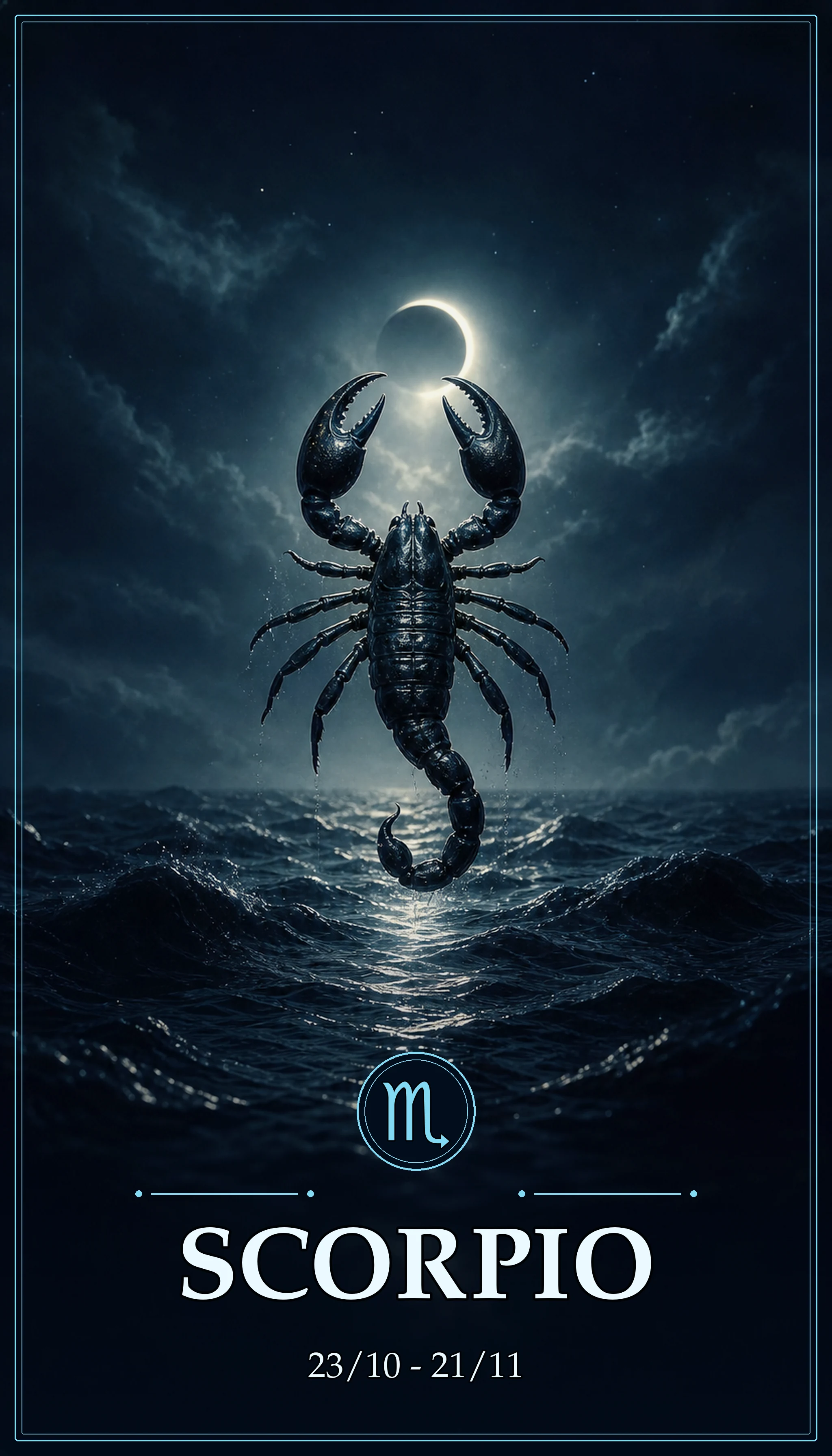
Saturn Scorpio 05° 08' 02" 0.079 / day
Uranus Scorpio 18° 26' 46" 0.047 / day
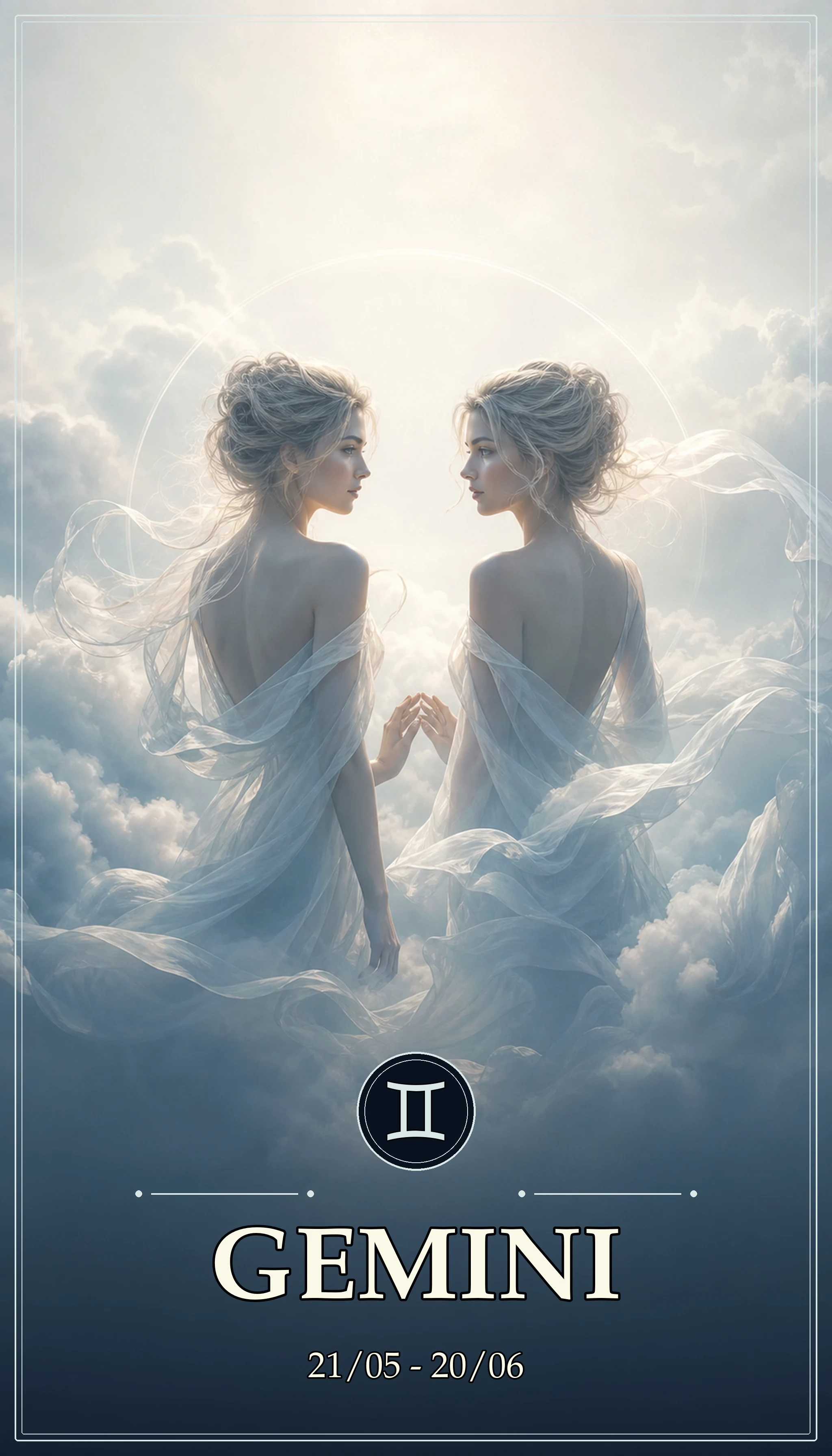
Neptune Gemini 13° 51' 02" R -0.026 / day
Pluto Gemini 10° 20' 44" R -0.017 / day
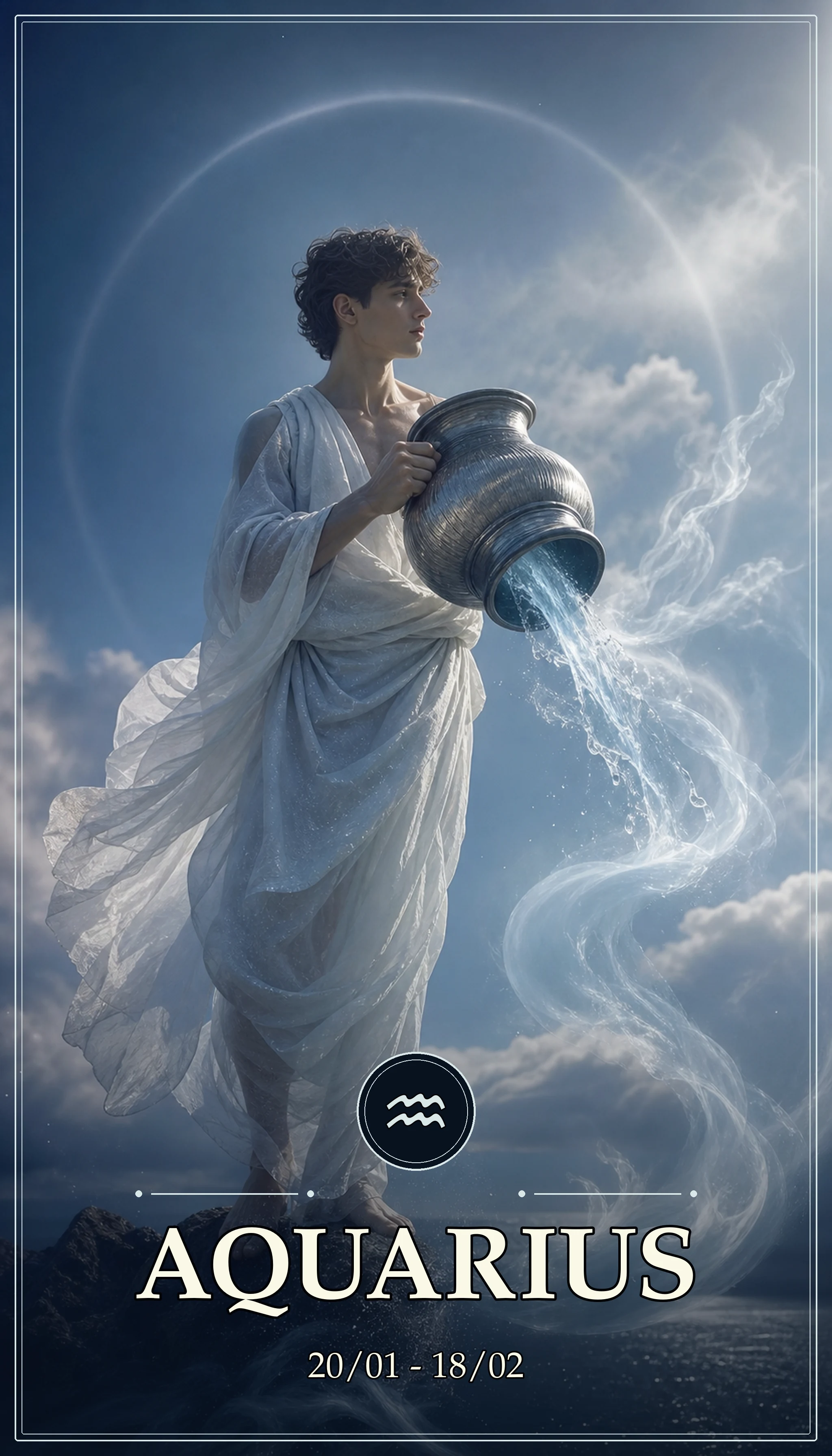
Lilith Aquarius 10° 27' 52" 0.111 / day
RS Aries 05° 24' 59"
MH Capricorn 04° 33' 44"

Click on a planet

 Log in or create and account to be able to save your own charts (it's free!).


Analysis

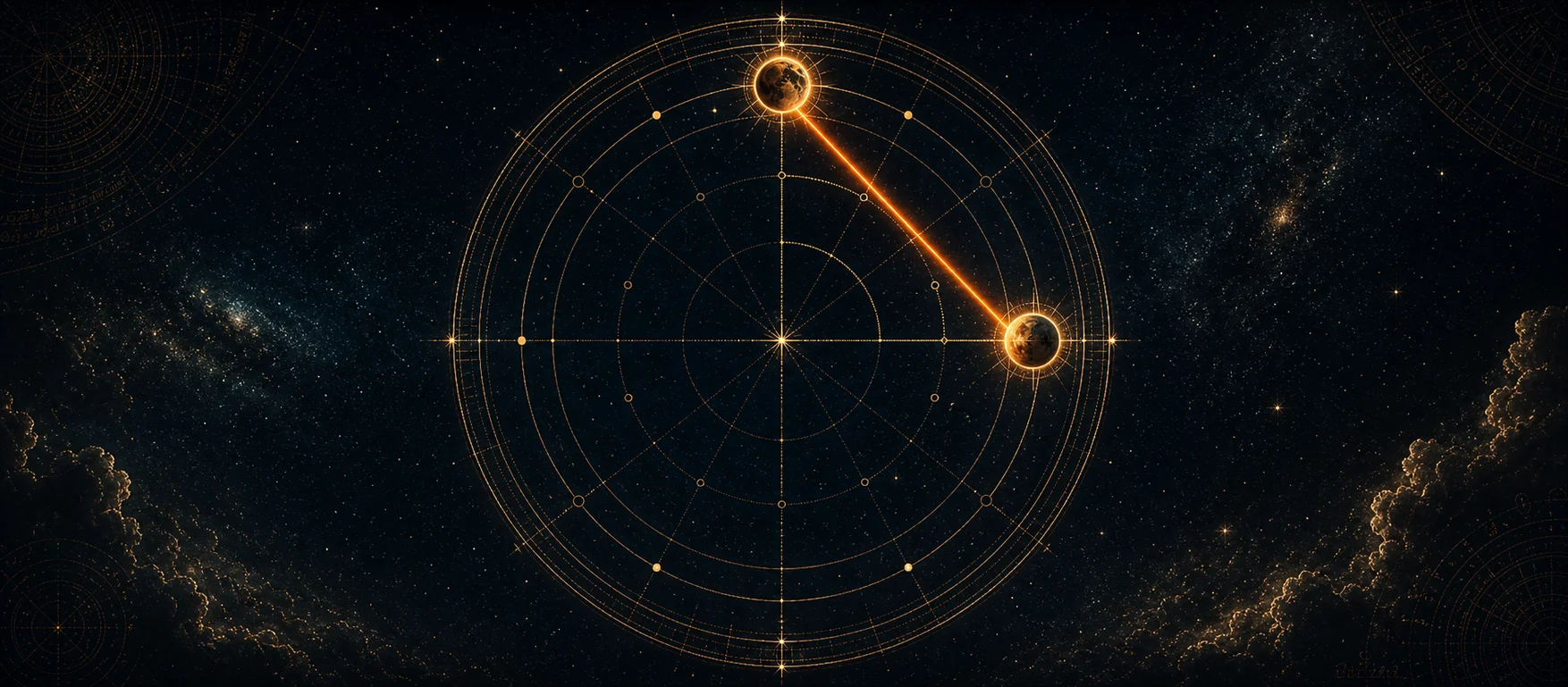
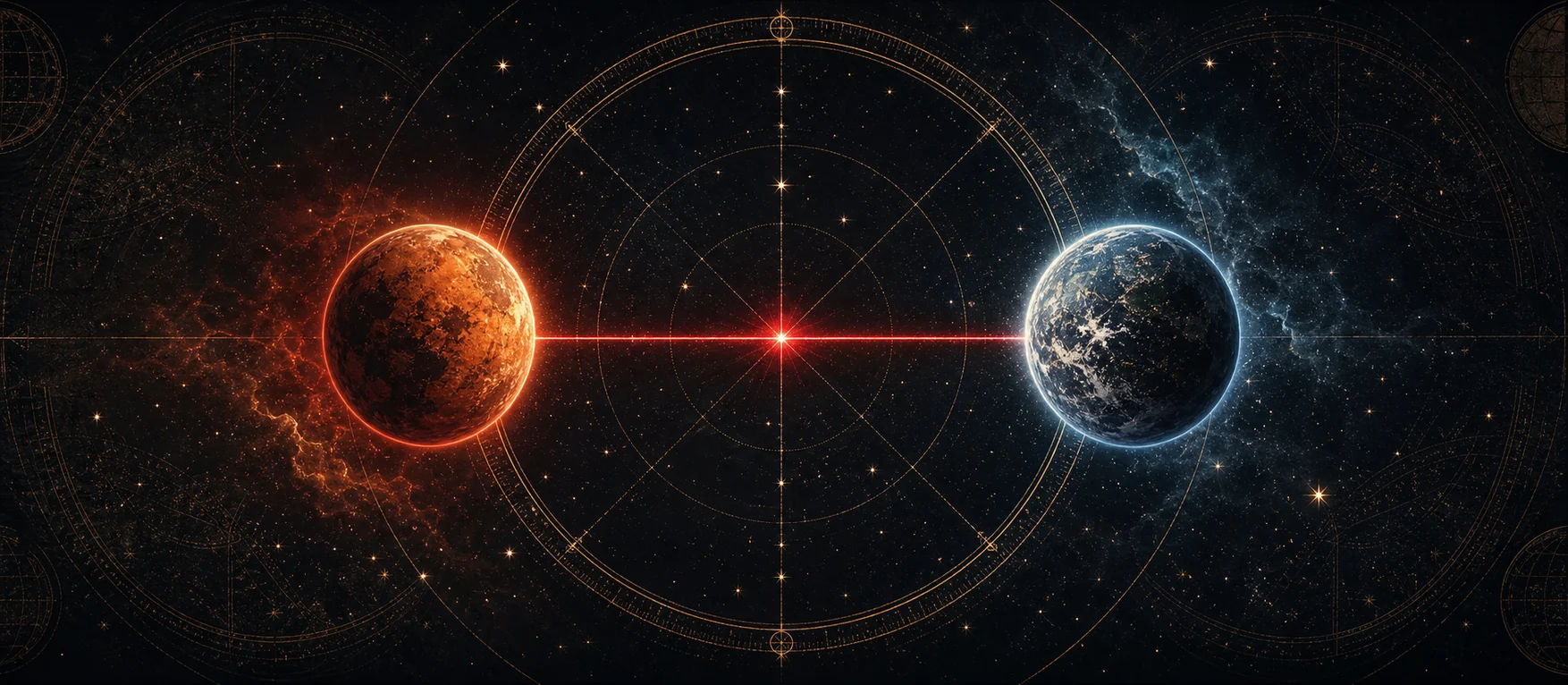
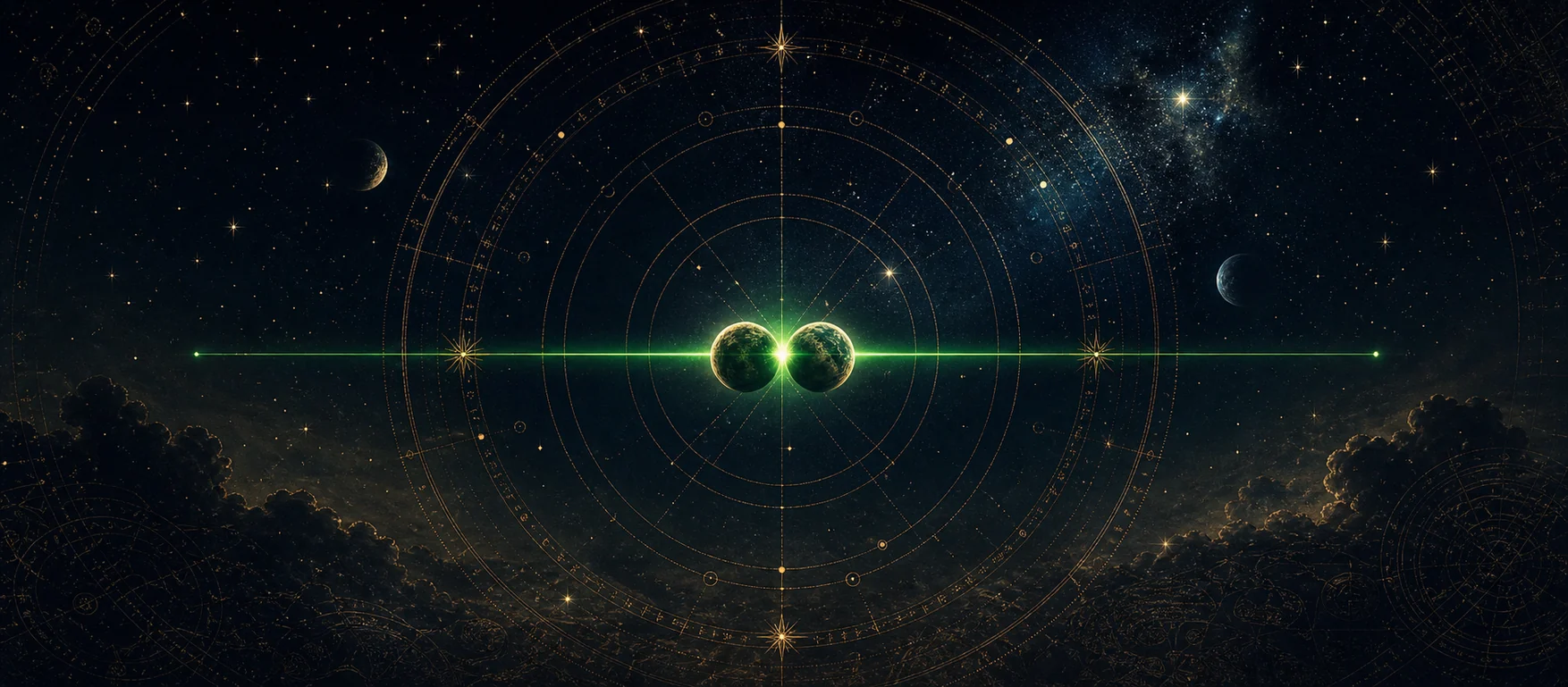
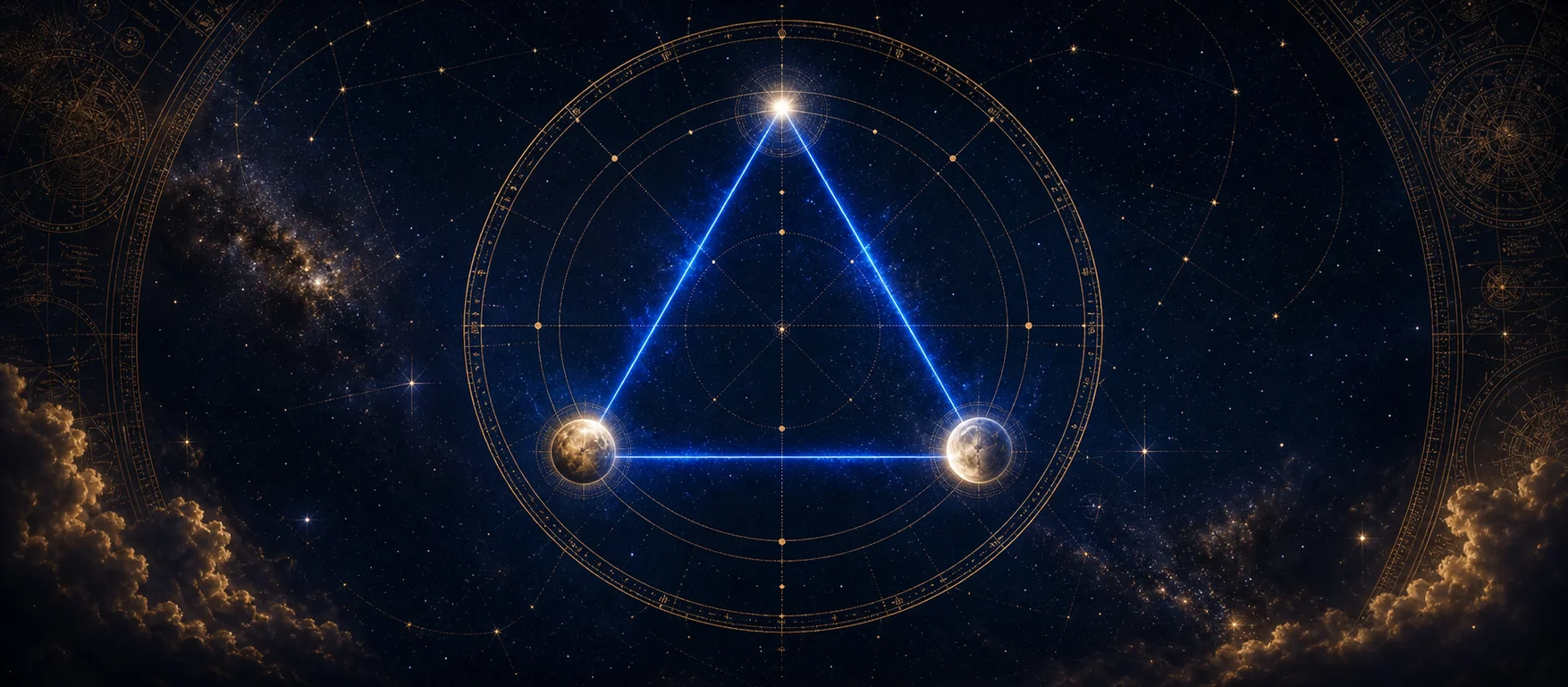
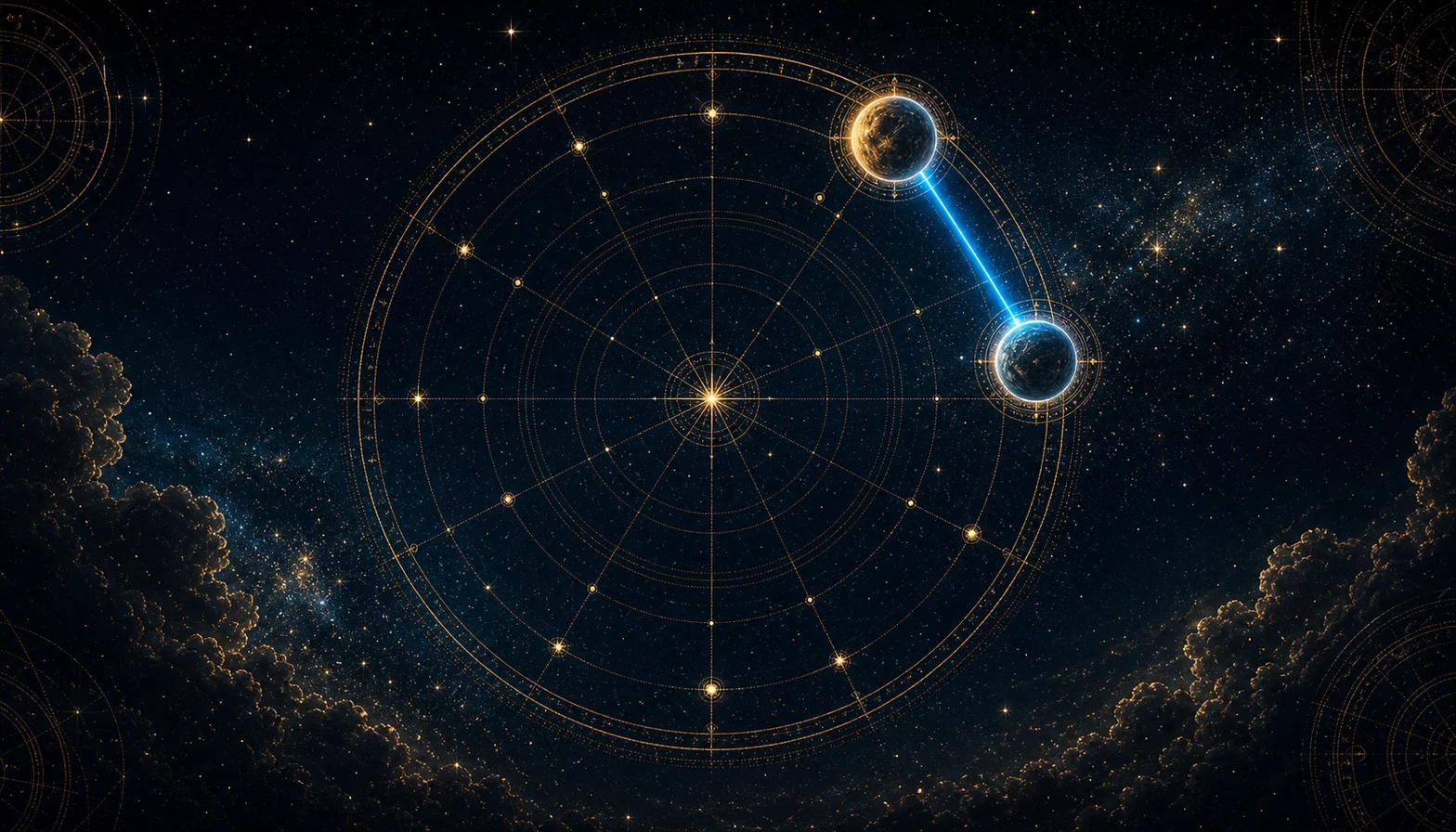
Astrological birth chart geometry with aspect lines
This visual introduces the aspect section; houses stay out of the main reading when the birth time is unknown.

How to read this chart

This section gives a concrete reading thread. It highlights the most visible signatures, then the tabs keep each placement separate instead of mixing everything together.

Important: Unknown birth time: the Rising sign, houses, and angular dominants are too time-sensitive to anchor the interpretation. The Moon remains useful, but its exact aspects can shift during the day: tight non-Moon aspects are more reliable when they exist.

Reading map

Start here: a short reading that shows what hooks, what helps, what pushes back, and where it becomes concrete.

1. Big Three, Personal Essence

Sun in Capricorn · Moon in Sagittarius

First hook: this is where the chart often becomes recognizable in real life. Sun in Capricorn: identity and direction move through structure, ambition, responsibility, and long construction; Moon in Sagittarius: emotional safety looks for expansion, travel, belief, and the search for meaning. Because the birth time is missing, reliable aspects should carry the next step before houses or angles.

2. Dominants (visible planets)

Dominants unavailable without reliable birth time

Angular dominants depend on birth time. Without a reliable hour, do not use them as primary evidence.

3. Important harmonious aspects

Harmonious circuit: Mars, Jupiter, Moon, Mercury, and Saturn

This is the easiest door into the chart: it shows what tends to cooperate naturally.

This pattern describes what comes more easily. Houses are not used here: unknown time. It connects Mars (action, anger, desire, and courage), Jupiter (growth, faith, luck, and confidence in the future), Moon (emotional needs, instinct, and inner safety), and Mercury (thinking, speech, and decisions).

This is the clearest cooperation pattern in the chart: Moon trine Mars (orb 0.1°), Mercury trine Mars (orb 1.9°), and Mars sextile Jupiter (orb 2.6°). It shows where functions support each other, recover, or come naturally when used together. Because several planets are connected, the full pattern matters more than one isolated aspect.

  • Harmony Moon trine Mars (orb 0.1°) Trine: Moon in Sagittarius can support Mars in Aries naturally and positively. For this pair, the aspect gives instinctive courage because personal dream, protection, and action support each other. Mother-image layer: childhood, mother image, and inner child are supported by Mars.
  • Harmony Mercury trine Mars (orb 1.9°) Trine: Mercury in Sagittarius can support Mars in Aries naturally and positively. For this pair, the aspect sharpens decision-making, speech, and execution.
  • Harmony Mars sextile Jupiter (orb 2.6°) Sextile: Mars in Aries can cooperate with Jupiter in Cancer in the same concrete choice or situation. For this pair, the aspect lets action and fulfillment cooperate when the person chooses a concrete goal.
  • Harmony Jupiter trine Saturn (orb 4.3°) Trine: Jupiter in Cancer can support Saturn in Scorpio naturally and positively. For this pair, the aspect gives ease growing without losing structure.
4. Important tensions

Tension circuit: Jupiter, Moon, Sun, and Mercury

This is the pressure line to read first: it shows where tension repeats in concrete situations.

This pattern shows where pressure builds fastest. Houses are not used here: unknown time. It connects Jupiter (growth, faith, luck, and confidence in the future), Moon (emotional needs, instinct, and inner safety), Sun (identity, confidence, and direction), and Mercury (thinking, speech, and decisions).

This is the clearest friction pattern in the chart: Moon opposite Jupiter (orb 2.7°), Sun opposite Jupiter (orb 4°), and Mercury opposite Jupiter (orb 4.4°). It shows where pressure, contradiction, or repeated effort concentrates. Because several planets are connected, the full pattern matters more than one isolated aspect.

  • Tension Moon opposite Jupiter (orb 2.7°) Opposition in real life: Moon in Sagittarius pulls one way, while Jupiter in Cancer answers from the other side. This can create alternation, contradiction, or the need to carry two opposite demands. For this pair, the aspect sets personal dream or mother image against personal fulfillment: inner protection can contradict the drive to widen life, or enthusiasm can become too large for the inner rhythm.
  • Tension Sun opposite Jupiter (orb 4°) Opposition in real life: Sun in Capricorn pulls one way, while Jupiter in Cancer answers from the other side. This can create alternation, contradiction, or the need to carry two opposite demands. For this pair, the aspect sets identity or father image against personal fulfillment: ego direction can conflict with excess, promise, or the need to think bigger.
  • Tension Mercury opposite Jupiter (orb 4.4°) Opposition in real life: Mercury in Sagittarius pulls one way, while Jupiter in Cancer answers from the other side. This can create alternation, contradiction, or the need to carry two opposite demands. For this pair, the aspect sets intellect against fulfillment and big vision: facts, technique, or wording can contradict enthusiasm, promise, or the wider meaning.
5. Important houses

Houses unavailable without reliable birth time

Houses describe domains of existence, but they depend on birth time. Without a reliable hour, signs and aspects should carry the reading.



Sun
Sun in Capricorn Identity, ego, father figure
Moon
Moon in Sagittarius Dream, inner child, mother figure
The three foundations

Without a reliable birth time, the Sun, Moon, and exact aspects become the reliable base. The Rising sign, houses, and angular dominants need a reliable birth time.

The Moon can change signs during a day. Near a lunar sign change, the Moon sign remains a hypothesis.

Without a reliable hour, exact aspects and reliable repetitions can strongly nuance the starting reading.

Theodore E. Chandler has Sun in Capricorn

How to read this placement

Sun in Capricorn remains a reliable combination even without a birth time. The Sun describes identity, ego, father figure, visibility, and direction, with Capricorn style: structure, ambition, responsibility, and long construction.

More about this placement

Concretely, the person expresses identity, ego, father figure, recognition, and personal direction through the Capricorn style (structure, ambition, responsibility, and long construction). Exact aspects and repeated patterns indicate whether this theme becomes central.

Aspect connected to this placement: Sun sextile Saturn (orb 0.4°). Aspect effect: lets identity, father image, and discipline cooperate over time. Father-image layer: ego, personal direction, and the father imprint can cooperate with Saturn.

With the Sun in Capricorn, identity forms through structure, responsibility, achievement, and long-term construction. The person often needs to prove competence through time, work, discipline, and concrete results. This placement can give ambition, patience, strategic realism, and respect for what has been earned. It is not only coldness; it is the need to build a life that can stand pressure. When heavy, the person may identify too much with duty, status, control, or the fear of failure.

    Sun sextile Saturn (orb 0.4°) shows active cooperation between the two planets. The orb is extremely tight; this aspect is one of the chart's strongest signals.

    Here, Sun in Capricorn brings identity, ego, father figure, visibility, and direction with Capricorn style (structure, ambition, responsibility, and long construction); Saturn in Scorpio brings discipline, constraint, endurance, and mastery with Scorpio style (intensity, desire, crisis, secrecy, and invisible power).

    Concrete cooperation: identity, father image, and discipline can cooperate over time. Father-image layer: ego, personal direction, and the father imprint can cooperate with Saturn.

    Sun opposite Jupiter (orb 4°) puts the two planets face to face, with visible back-and-forth or tension. The orb is moderate; it stays secondary beside tighter signatures.

    Concrete conflict: this aspect sets identity or father image against personal fulfillment: ego direction can conflict with excess, promise, or the need to think bigger.

    Sun conjunct Venus (orb 6.2°) is minor in this chart. The orb is wide; this aspect stays a light nuance.

    Here, both planets use the same Capricorn style (structure, ambition, responsibility, and long construction). Sun in Capricorn brings identity, ego, father figure, visibility, and direction; Venus in Capricorn brings desire, taste, relationship, and attraction.

    Concrete effect: this aspect brings identity, ego, father image, desire, taste, and attraction together: the person wants to be seen through what they love or embody.

    Reading note: Common solar conjunction: Mercury and Venus always stay close to the Sun. It becomes genuinely meaningful when the orb is very tight, one factor is angular, or the same theme repeats elsewhere.


Theodore E. Chandler has Moon in Sagittarius

How to read this placement

Moon in Sagittarius remains a useful base without a birth time. The Moon sign is often usable, but near a Moon sign change it remains a hypothesis; the Moon describes personal dream, play, inner child, childhood imprint, mother figure, mother image, optimism, and inner rhythm, with Sagittarius style: expansion, travel, belief, and the search for meaning.

More about this placement

Concretely, the person expresses personal dream, play instinct, inner child, childhood imprint, mother figure, mother image, optimism, and inner rhythm through the Sagittarius style (expansion, travel, belief, and the search for meaning). Exact aspects and repeated patterns indicate whether this theme becomes central.

Aspect connected to this placement: Moon trine Mars (orb 0.1°). Aspect effect: gives instinctive courage because personal dream, protection, and action support each other. Mother-image layer: childhood, mother image, and inner child are supported by Mars.

With the Moon in Sagittarius, the inner child needs space, meaning, honesty, humor, and the sense that life can keep expanding. The personal dream often points toward travel, study, belief, teaching, adventure, foreign cultures, or a larger story that makes difficulty bearable. This Moon can give optimism, frankness, enthusiasm, and strong rebound capacity. The mother image or childhood imprint may be linked to distance, freedom, moral conviction, travel, or the need for a horizon. Under tension, it can run from heaviness, preach instead of listening, or turn restlessness into avoidance.

    Time-sensitive Moon aspect: Moon trine Mars (orb 0.1°). Because the birth time is unknown, the Moon's exact degree can shift during the day. This interpretation stays provisional and gains weight only if the aspect remains tight across the possible birth window or repeats another clear signature.

    Here, Moon in Sagittarius brings personal dream, play, inner child, childhood imprint, mother figure, mother image, optimism, and inner rhythm with Sagittarius style (expansion, travel, belief, and the search for meaning); Mars in Aries brings action, courage, competition, and effort with Aries style (initiative, speed, confrontation, and direct action).

    Concrete support: this aspect gives instinctive courage because personal dream, protection, and action support each other. Mother-image layer: childhood, mother image, and inner child are supported by Mars.

    Time-sensitive Moon aspect: Moon conjunct Mercury (orb 1.7°). Because the birth time is unknown, the Moon's exact degree can shift during the day. This interpretation stays provisional and gains weight only if the aspect remains tight across the possible birth window or repeats another clear signature.

    Here, both planets use the same Sagittarius style (expansion, travel, belief, and the search for meaning). Moon in Sagittarius brings personal dream, play, inner child, childhood imprint, mother figure, mother image, optimism, and inner rhythm; Mercury in Sagittarius brings intellect, language, thought, and technique.

    Concrete effect: this aspect makes personal dream, childhood memory, mother image, intellect, and language come out together: thought often speaks from an inner imprint.

    Time-sensitive Moon aspect: Moon opposite Jupiter (orb 2.7°). Because the birth time is unknown, the Moon's exact degree can shift during the day. This interpretation stays provisional and gains weight only if the aspect remains tight across the possible birth window or repeats another clear signature.

    Here, Moon in Sagittarius brings personal dream, play, inner child, childhood imprint, mother figure, mother image, optimism, and inner rhythm with Sagittarius style (expansion, travel, belief, and the search for meaning); Jupiter in Cancer brings personal fulfillment, confidence, encouragement, and broader horizons with Cancer style (memory, protection, belonging, and family sensitivity).

    Concrete conflict: this aspect sets personal dream or mother image against personal fulfillment: inner protection can contradict the drive to widen life, or enthusiasm can become too large for the inner rhythm.


The Rising sign cannot be determined if the time is not known.


Mercury
Mercury Intellect, language, technique
Venus
Venus Desire, taste, attraction
Mars
Mars Action, courage, competition
Jupiter
Jupiter Fulfillment, confidence, horizons

Theodore E. Chandler has Mercury in Sagittarius

How to read this placement

Mercury in Sagittarius remains a reliable combination even without a birth time. Mercury describes intellect, language, thought, and technique, with Sagittarius style: expansion, travel, belief, and the search for meaning.

More about this placement

Concretely, the person expresses thinking, speech, learning, technique, and mental strategy through the Sagittarius style (expansion, travel, belief, and the search for meaning). Exact aspects and repeated patterns indicate whether this theme becomes central.

With Mercury in Sagittarius, the intellect seeks meaning, horizon, principles, and the larger pattern. The person often communicates through teaching, humor, conviction, stories, philosophy, politics, travel, or culture. This placement can give vision, enthusiasm, directness, and the ability to connect facts to a bigger worldview. It is not built for tiny details first. Under stress, it can generalize, preach, exaggerate, or confuse confidence with accuracy.


Theodore E. Chandler has Venus in Capricorn

How to read this placement

Venus in Capricorn remains a reliable combination even without a birth time. Venus describes desire, taste, relationship, and attraction, with Capricorn style: structure, ambition, responsibility, and long construction.

More about this placement

Concretely, the person expresses desire, taste, attraction, pleasure, and love style through the Capricorn style (structure, ambition, responsibility, and long construction). Exact aspects and repeated patterns indicate whether this theme becomes central.

With Venus in Capricorn, affection is serious, loyal, selective, and often expressed through commitment more than display. The person may value maturity, competence, patience, ambition, and relationships that can survive time. Taste can be restrained, classic, well-built, expensive in quality rather than flashy, or linked to status and craft. This placement can love deeply but cautiously. Under stress, it can become guarded, transactional, emotionally dry, or afraid to want something it cannot control.


Theodore E. Chandler has Mars in Aries

How to read this placement

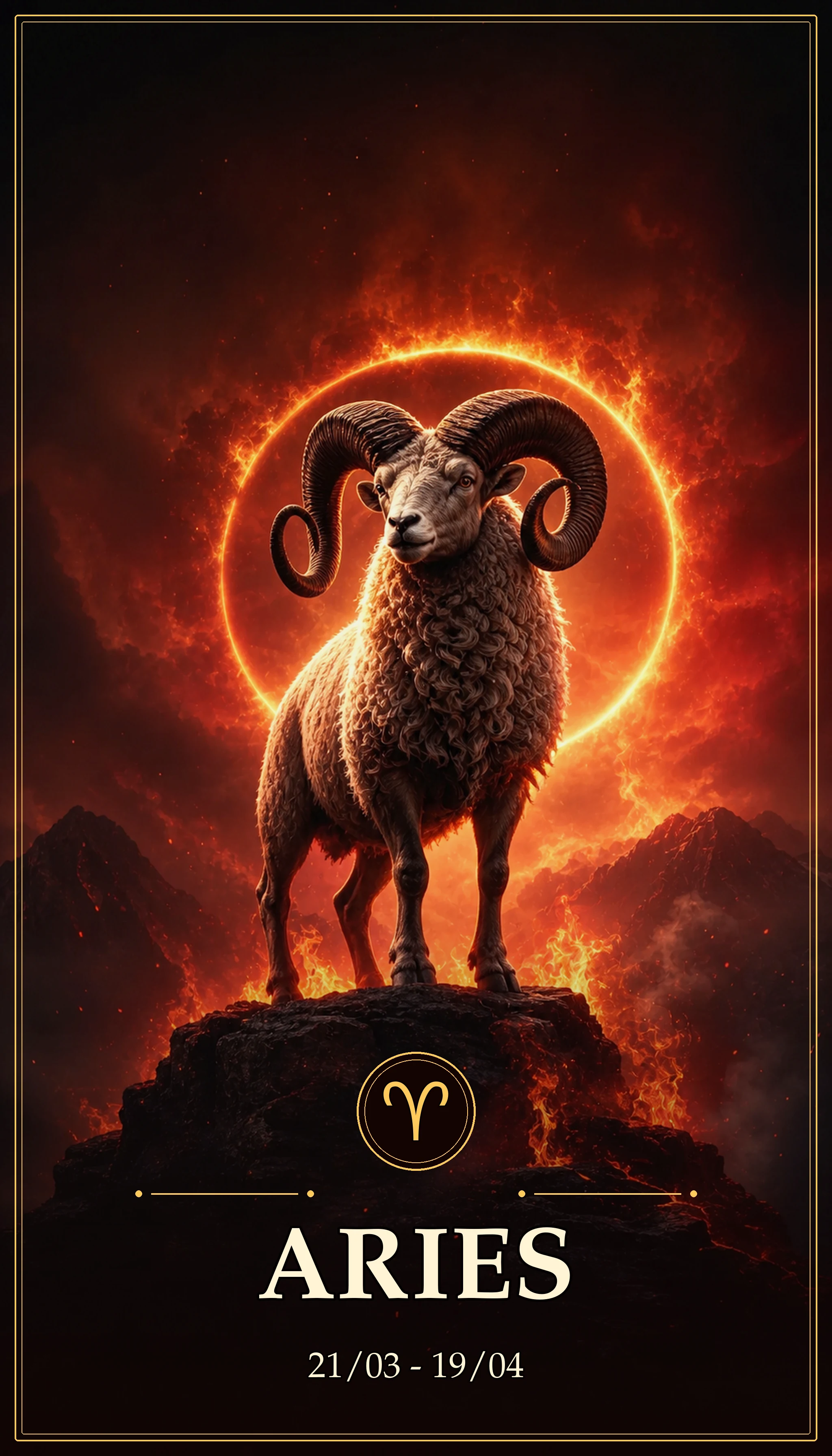
Mars in Aries remains a reliable combination even without a birth time. Mars describes action, courage, competition, and effort, with Aries style: initiative, speed, confrontation, and direct action.

More about this placement

Concretely, the person expresses action, anger, courage, competition, and effort through the Aries style (initiative, speed, confrontation, and direct action). Exact aspects and repeated patterns indicate whether this theme becomes central.

With Mars in Aries, action is direct, fast, and instinctive. The person tends to act before the room has finished discussing the problem, and courage is often easier than patience. At best this gives initiative, physical drive, competitive freshness, and the ability to start things without asking permission. Under stress, the same Mars can become impulsive, blunt, reactive, or unable to wait for other people to catch up.


Theodore E. Chandler has Jupiter in Cancer

How to read this placement

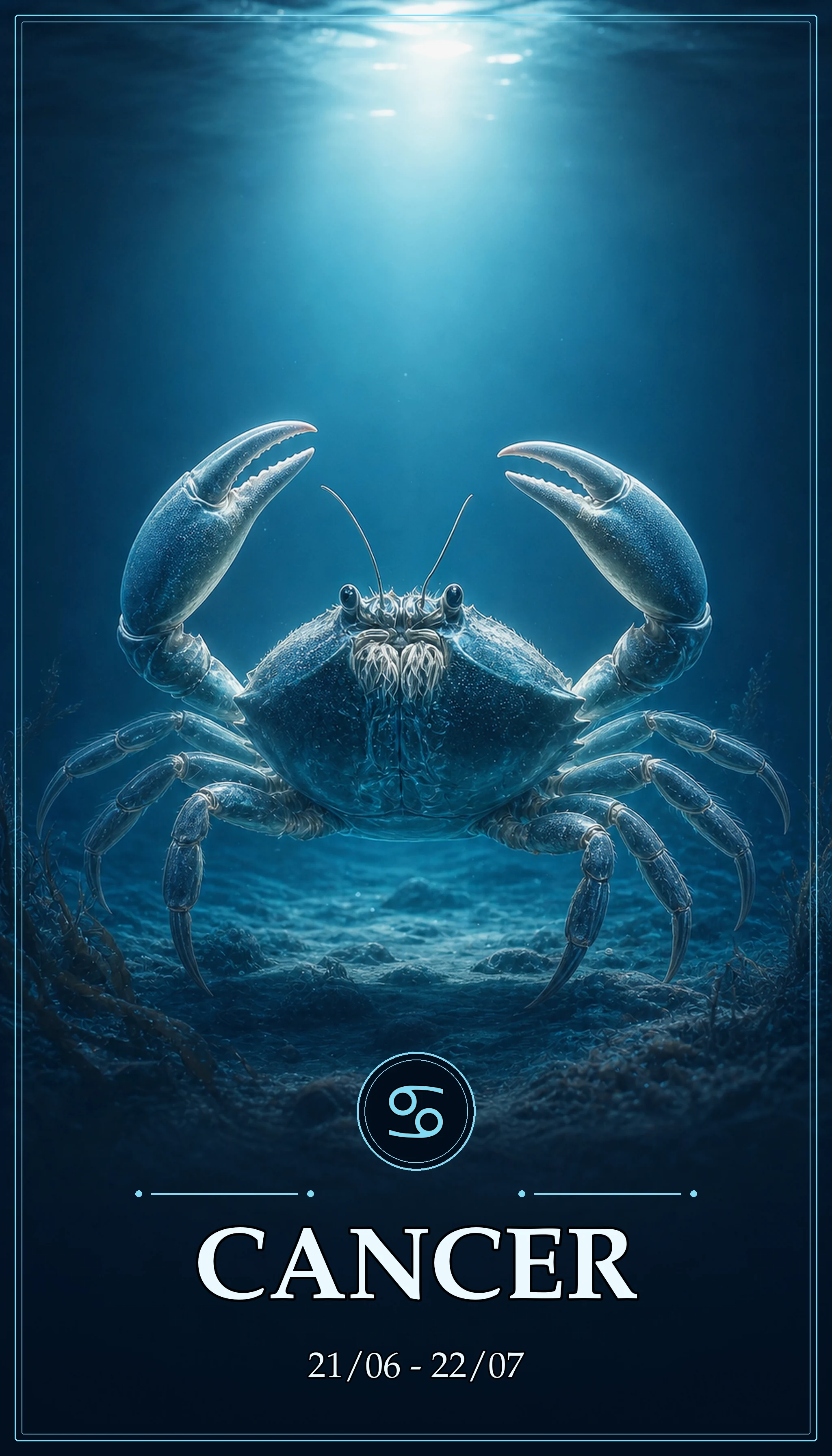
Jupiter in Cancer remains a reliable combination even without a birth time. Jupiter describes personal fulfillment, confidence, encouragement, and broader horizons, with Cancer style: memory, protection, belonging, and family sensitivity.

More about this placement

Concretely, the person expresses personal fulfillment, confidence, and opening of horizons through the Cancer style (memory, protection, belonging, and family sensitivity). Exact aspects and repeated patterns indicate whether this theme becomes central.

With Jupiter in Cancer, the person finds fulfillment through family, memory, care, food, belonging, and emotional protection. They often become more confident when they can create a safe atmosphere for themselves or others. This Jupiter can give warmth, hospitality, protective generosity, and a strong instinct for emotional timing. Under stress, it can become clannish, sentimental, overprotective, or too dependent on familiar emotional patterns.


Saturn
Saturn Discipline, limits, structure
Uranus
Uranus Freedom, rupture, invention
Neptune
Neptune Image, popularity, inspiration
Pluto
Pluto Crisis, power, regeneration
Lilith
Lilith Ideal, fascination, refusal

Theodore E. Chandler has Saturn in Scorpio

How to read this placement

Saturn in Scorpio remains a reliable combination even without a birth time. Saturn describes discipline, constraint, endurance, and mastery, with Scorpio style: intensity, desire, crisis, secrecy, and invisible power.

More about this placement

Concretely, the person expresses discipline, limits, duty, fear, and long construction through the Scorpio style (intensity, desire, crisis, secrecy, and invisible power). Exact aspects and repeated patterns indicate whether this theme becomes central.

With Saturn in Scorpio, discipline is applied to power, intimacy, sexuality, crisis, trust, and psychological depth. The person may be forced to confront fear, control, loss, jealousy, or hidden motives rather than staying on the surface. This can give emotional endurance, strategic depth, and the ability to stay lucid in intense situations. Under stress, it can become suspicion, secrecy, control, or difficulty surrendering to another person.


Theodore E. Chandler has Uranus in Scorpio

How to read this placement

Uranus in Scorpio remains a reliable combination even without a birth time. Uranus describes disruption, independence, and change, with Scorpio style: intensity, desire, crisis, secrecy, and invisible power.

More about this placement

Concretely, the person expresses freedom, disruption, broken rhythms, and the need for independence through the Scorpio style (intensity, desire, crisis, secrecy, and invisible power). Exact aspects and repeated patterns indicate whether this theme becomes central.

With Uranus in Scorpio, independence expresses itself through power, sexuality, intimacy, crisis, secrets, and psychological transformation. The person may break silence around taboo subjects or challenge hidden control systems. This placement can give radical emotional insight, fearlessness in crisis, and the ability to transform buried material quickly. Under stress, it can become explosive intensity, fascination with danger, distrust, or abrupt breaks when intimacy feels too controlled.


Theodore E. Chandler has Neptune in Gemini

How to read this placement

Neptune in Gemini remains a reliable combination even without a birth time. Neptune describes imagination, image, popularity, collective moods, and inspiration, with Gemini style: curiosity, language, movement, and mental adaptation.

More about this placement

Concretely, the person expresses imagination, image, popularity, and the ability to read collective currents through the Gemini style (curiosity, language, movement, and mental adaptation). Exact aspects and repeated patterns indicate whether this theme becomes central.

With Neptune in Gemini, the dream function takes the color of language, media, curiosity, humor, and mental movement. The person may sense collective moods through words, slogans, images, gossip, stories, and the way ideas circulate. This placement can give poetic speech, imaginative intelligence, and a gift for making a public mood easy to name. Under stress, it can create confusion, scattered attention, unreliable information, or a tendency to believe a story because it sounds beautiful.


Theodore E. Chandler has Pluto in Gemini

How to read this placement

Pluto in Gemini remains a reliable combination even without a birth time. Pluto describes crisis, power, survival, and regeneration, with Gemini style: curiosity, language, movement, and mental adaptation.

More about this placement

Concretely, the person expresses crisis, power, sexuality, survival, and transformation through the Gemini style (curiosity, language, movement, and mental adaptation). Exact aspects and repeated patterns indicate whether this theme becomes central.

With Pluto in Gemini, power concentrates around words, information, learning, media, and the ability to influence perception. The person may be drawn to hidden facts, forbidden questions, sharp arguments, or the power of language to expose and manipulate. This placement can give investigative intelligence, persuasive speech, and the ability to change how people think by revealing difficult information. Under stress, it can become mental obsession, verbal control, paranoia around information, or using knowledge as a weapon.


Theodore E. Chandler has Lilith in Aquarius

How to read this placement

Lilith in Aquarius remains a reliable combination even without a birth time. Lilith describes pure ideal, absolute demand, fascination, and refusal of compromise, with Aquarius style: independence, networks, distance, and collective change.

More about this placement

Concretely, the person expresses the pure ideal, absolute demand, desire, fascination, and what refuses to become ordinary through the Aquarius style (independence, networks, distance, and collective change). Exact aspects and repeated patterns indicate whether this theme becomes central.

With Black Moon Lilith in Aquarius, the non-negotiable point concerns independence, friendship, groups, ideas, technology, and the right to remain mentally free. The person may refuse conformity, emotional pressure from the group, or social belonging that requires self-betrayal. This placement can give radical originality, intellectual defiance, and a sharp instinct for collective hypocrisy. Under stress, it can become detachment, ideological provocation, rejection of closeness, or refusal to belong anywhere.