Logo

Birth chart of Stromae (rapper)

Stromae (rapper) birth chart is shown with zodiac signs, planetary houses, and aspects so it can be read as a complete astrological structure rather than a single Sun sign.

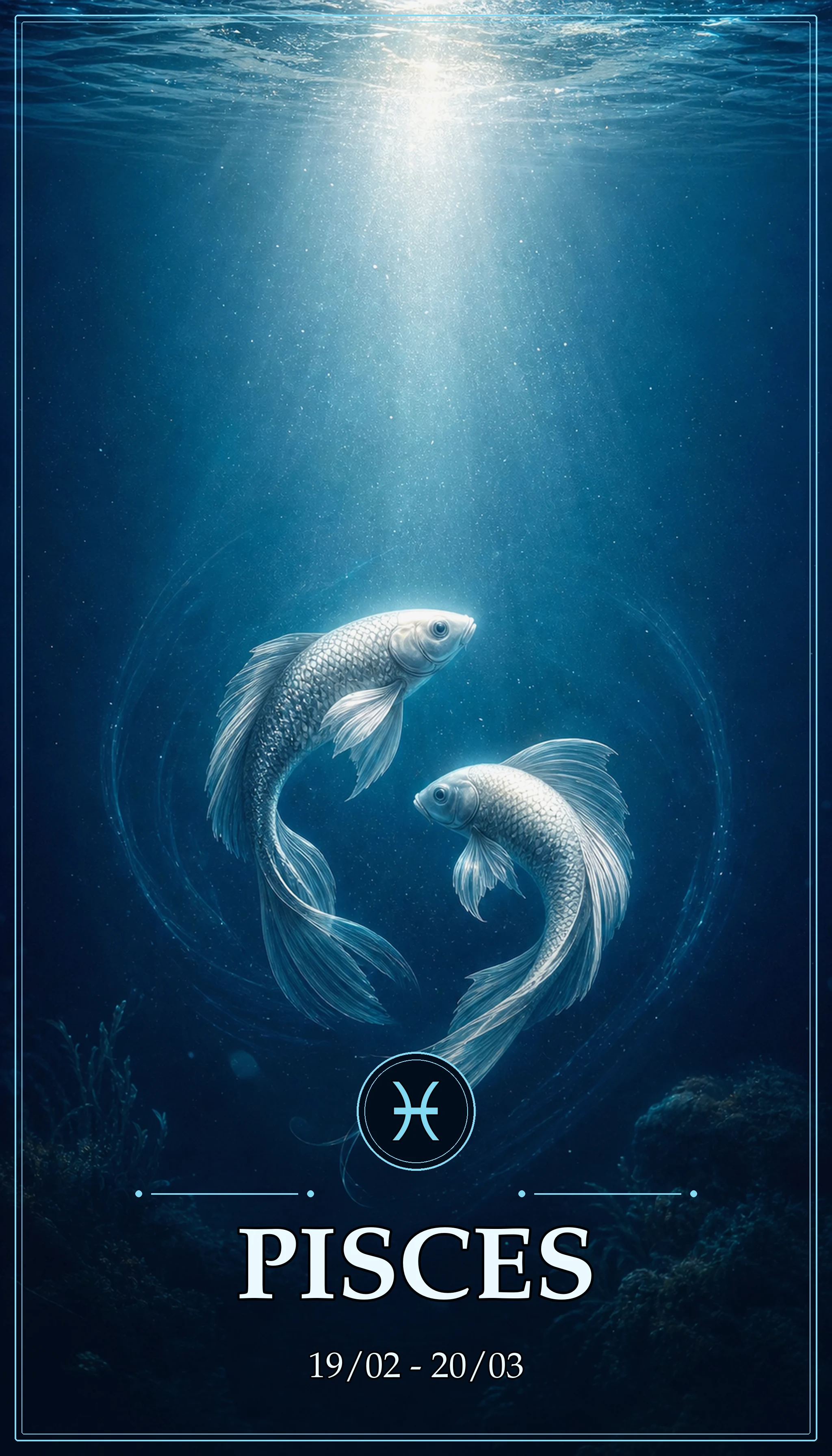
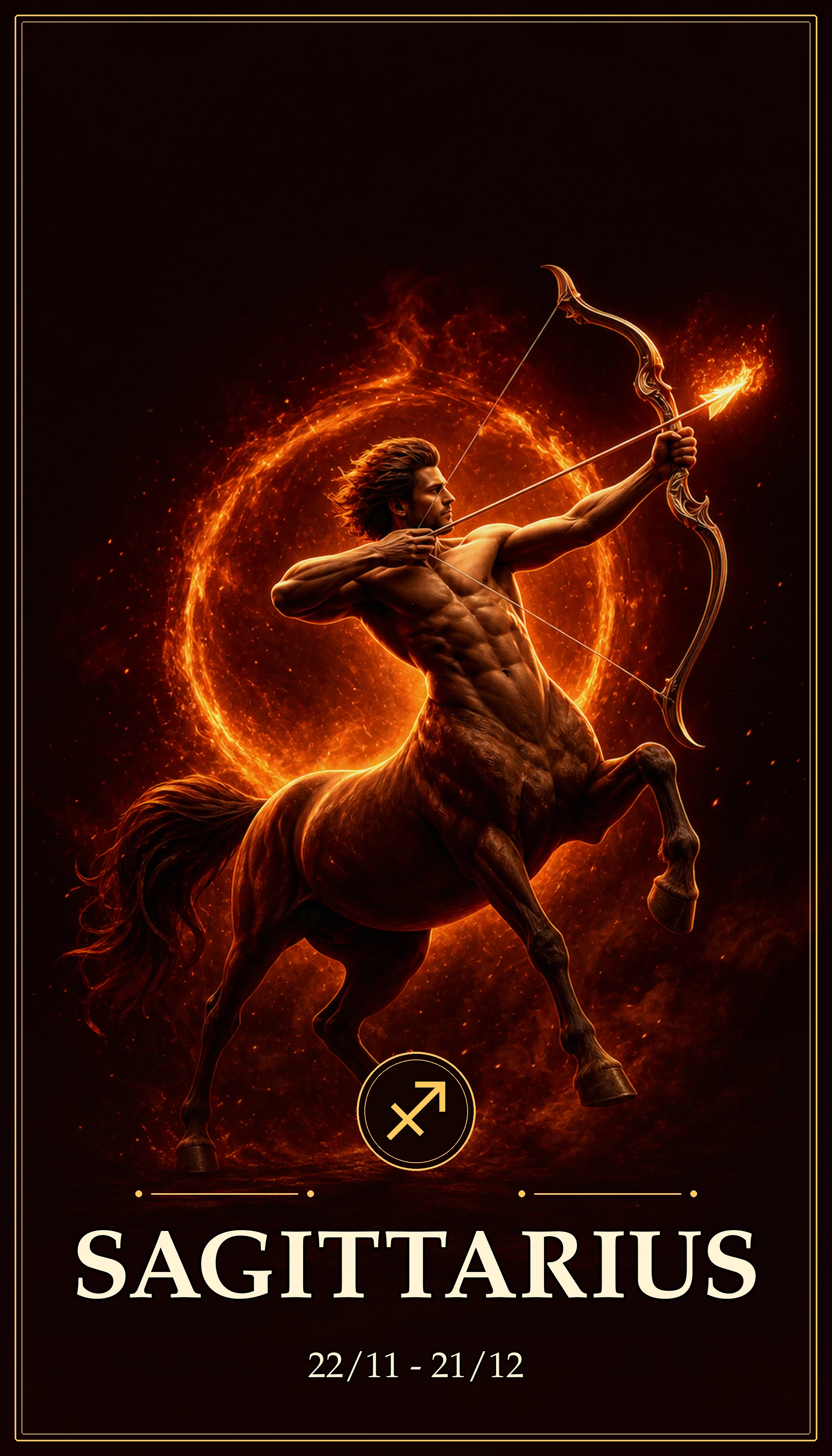
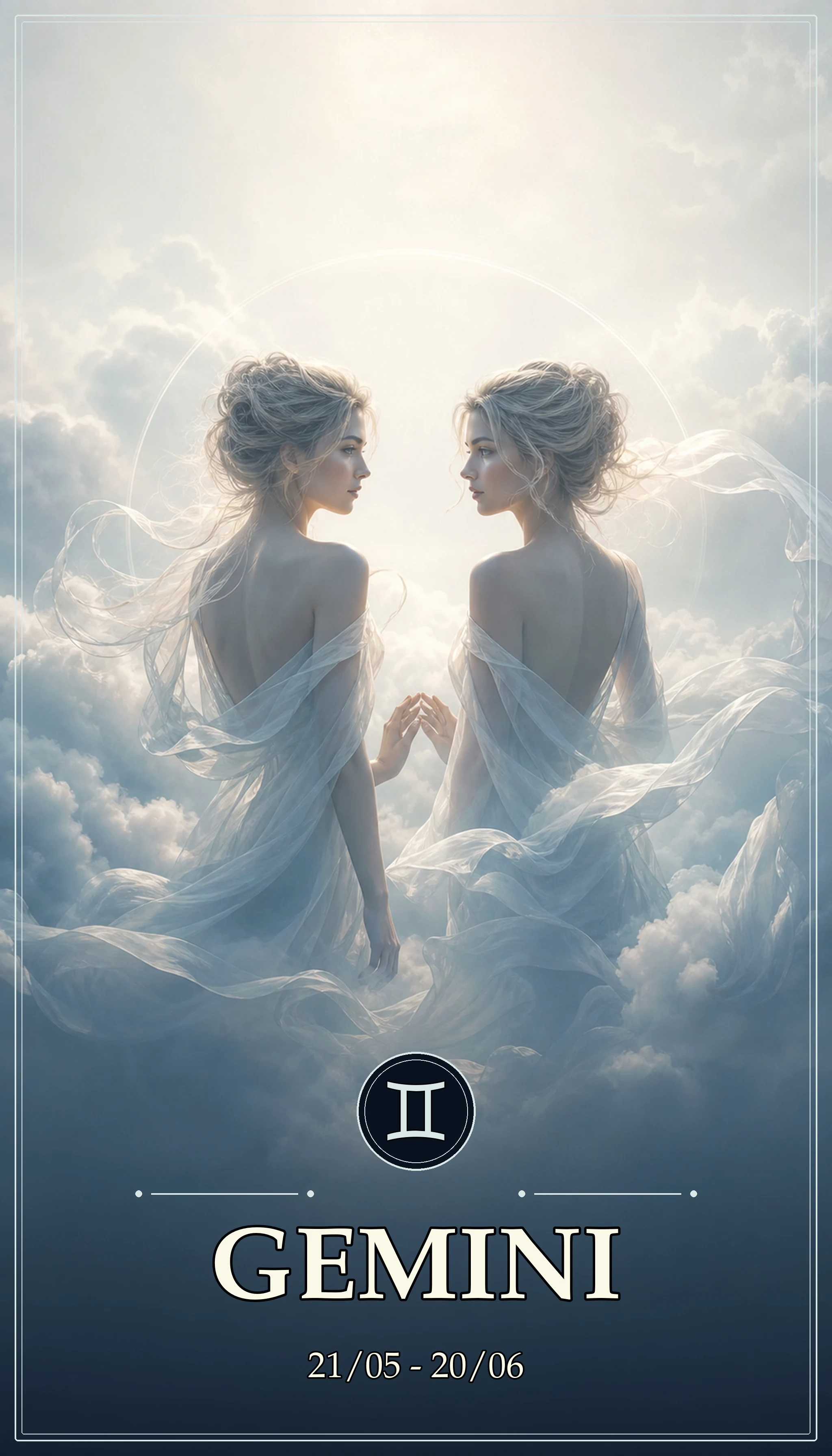
Stromae (rapper)'s chart is framed by Sun in Pisces, Moon in Sagittarius, and Gemini Rising. These three factors give identity and ego, personal dream, play, childhood image, and first impression before the details.

Chart detail:

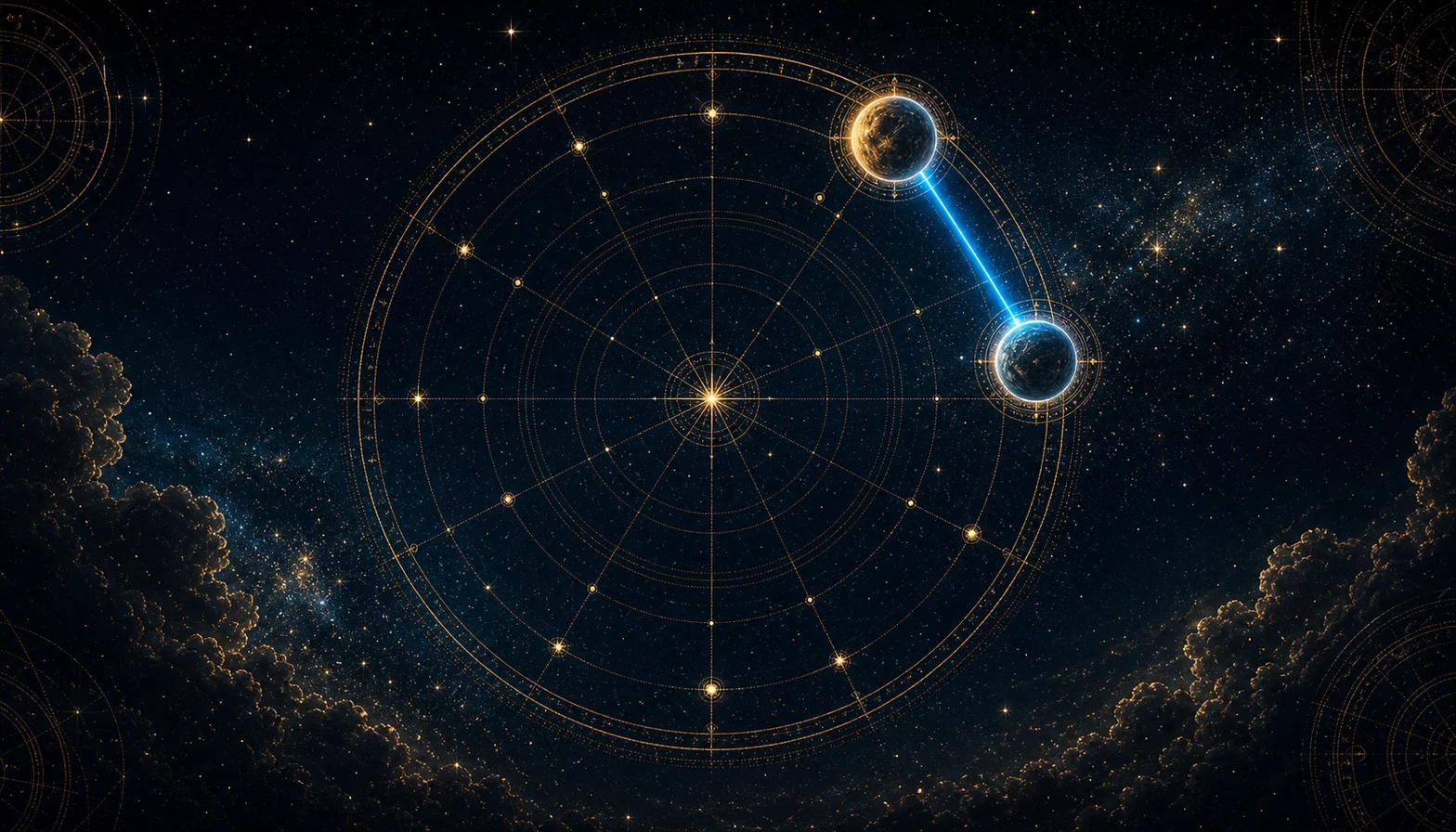
Venus conjunct Lilith (orb 1.3°) gives a central dynamic in this reading. The orb is very tight; this describes a stable character pattern more than a passing reaction.

In plain terms, this aspect joins Venus to Lilith's pure ideal, so beauty, desire, and attraction express with fascination but can reject ordinary imperfection.

Because the birth time is available, houses and angular dominants can be used, with each conclusion tied to a precise chart combination.

Learn the zodiac signs  ·  Learn the planets  ·  Learn the houses  ·  Browse celebrity charts  ·  Calculate your own birth chart

Displayed: 12/03/1985, 09:31 at Etterbeek, Belgium
(4°23' E, 50°50' N, GMT 1.0).

Source: Astro-Databank
RSIIIIIIVVVIVIIVIIIIXMHXIXII20°58'4°25'3°28'17°56'28°6'7°18'27°55'22°15'8°51'4°8'21°43'
Displayed: 12/03/1985, 09:31 at Etterbeek, Belgium
(4°23' E, 50°50' N, GMT 1.0).

Source: Astro-Databank

Sun Pisces
Pisces

Sun in Pisces

Moon Sagittarius
Sagittarius

Moon in Sagittarius

RS Gemini
Gemini

Rising sign in Gemini


Element Sign Degrees Speed House
Sun Pisces 21° 42' 50" 0.997 / day 11
Moon Sagittarius 04° 07' 31" 14.018 / day 7
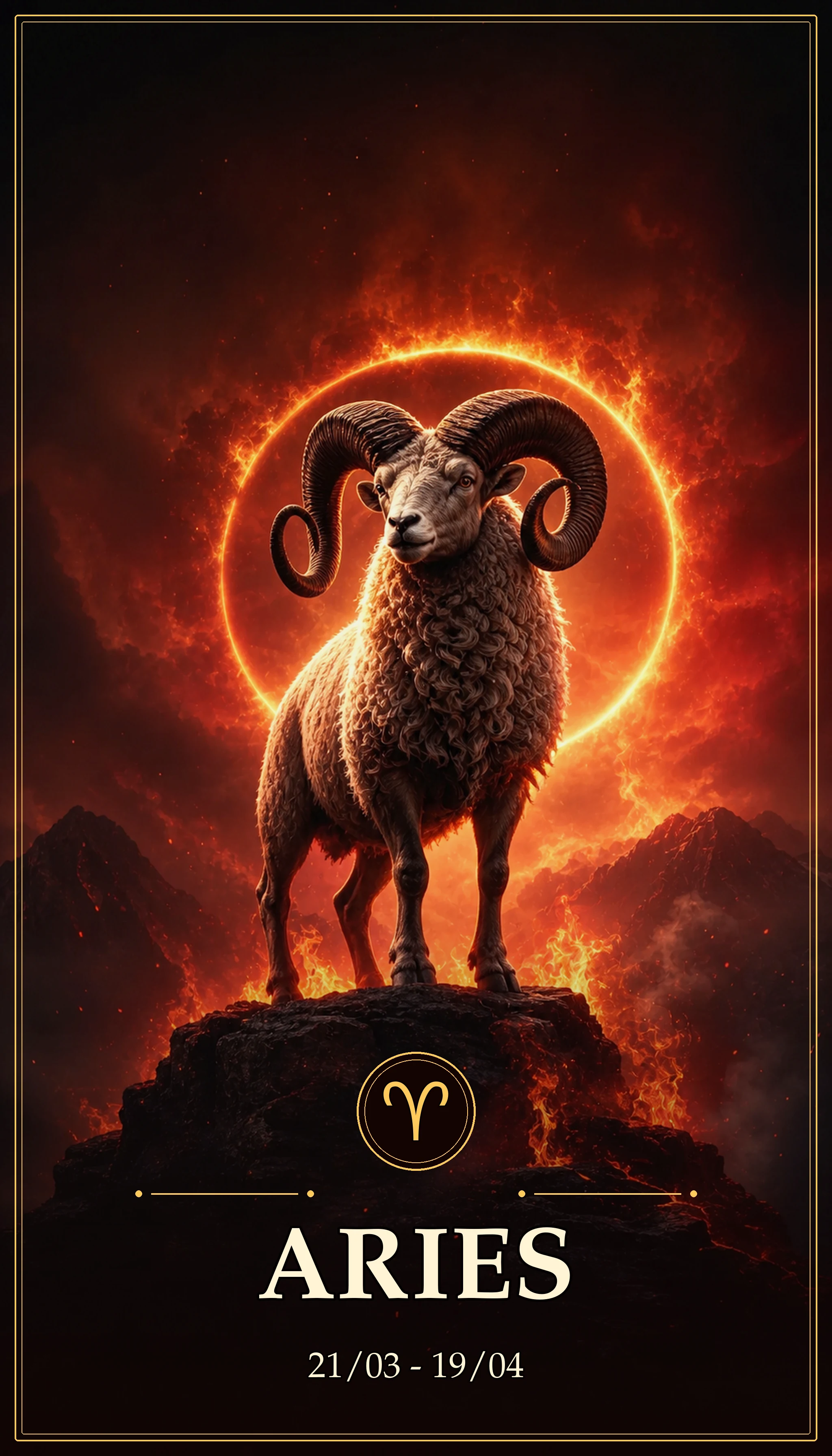
Mercury Aries 08° 51' 09" 1.474 / day 12
Venus Aries 22° 15' 23" 0.056 / day 12
Mars Aries 27° 55' 09" 0.729 / day 12
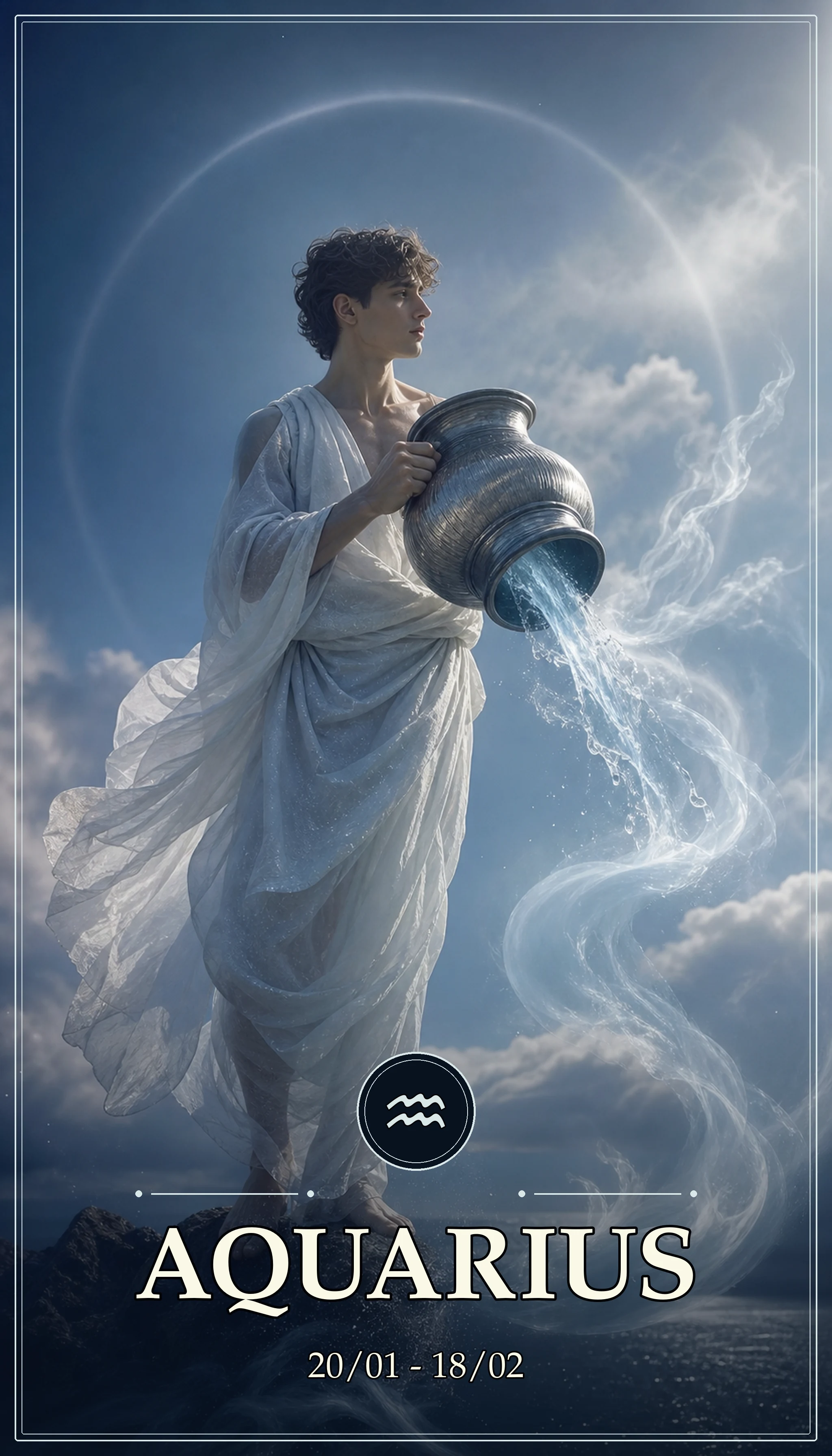
Jupiter Aquarius 07° 18' 05" 0.199 / day 10
Saturn Scorpio 28° 06' 23" R -0.008 / day 6
Uranus Sagittarius 17° 56' 10" 0.009 / day 7
Neptune Capricorn 03° 27' 36" 0.013 / day 8
Pluto Scorpio 04° 24' 51" R -0.018 / day 6
Lilith Aries 20° 57' 51" 0.111 / day 12
RS Gemini 01° 25' 46"
MH Capricorn 29° 53' 21"

Click on a planet

 Log in or create and account to be able to save your own charts (it's free!).


Analysis

Astrological birth chart geometry with aspect lines
This visual shows the chart geometry before the reading separates the Big Three, planets, houses, and aspects.

How to read this chart

This section gives a concrete reading thread. It highlights the most visible signatures, then the tabs keep each placement separate instead of mixing everything together.

Reading map

Start here: a short reading that shows what hooks, what helps, what pushes back, and where it becomes concrete.

1. Big Three, Personal Essence

Sun in Pisces · Moon in Sagittarius · Gemini Rising

First hook: this is where the chart often becomes recognizable in real life. Sun in Pisces: identity and direction move through imagination, faith, compassion, dream, and permeability; Moon in Sagittarius: emotional safety looks for expansion, travel, belief, and the search for meaning; Gemini Rising: the first way into situations uses curiosity, language, movement, and mental adaptation. Then read the supports, tensions, and houses to see where this base becomes easy, charged, or visible.

2. Dominants (visible planets)

Visible planets: Moon and Saturn

Dominants are planets close to the Rising sign, Midheaven, Descendant, or IC. They describe what becomes visible quickly: presence, public role, direct relationship style, or private climate. Every angular dominant found within the orb is listed below.

  • Visible Moon near the Descendant (orb 2.7°) The Moon is close to an angle: its signature shows more easily through direct relationships, partners, opponents, and the way others are met. Here, that highlights personal dream, play, inner child, childhood imprint, mother figure, mother image, optimism, and inner rhythm. It matters most when it repeats in choices, relationships, or visible role.
  • Visible Saturn near the Descendant (orb 3.3°) Saturn is close to an angle: its signature shows more easily through direct relationships, partners, opponents, and the way others are met. Here, that highlights discipline, constraint, endurance, and mastery. It matters most when it repeats in choices, relationships, or visible role.
3. Important harmonious aspects

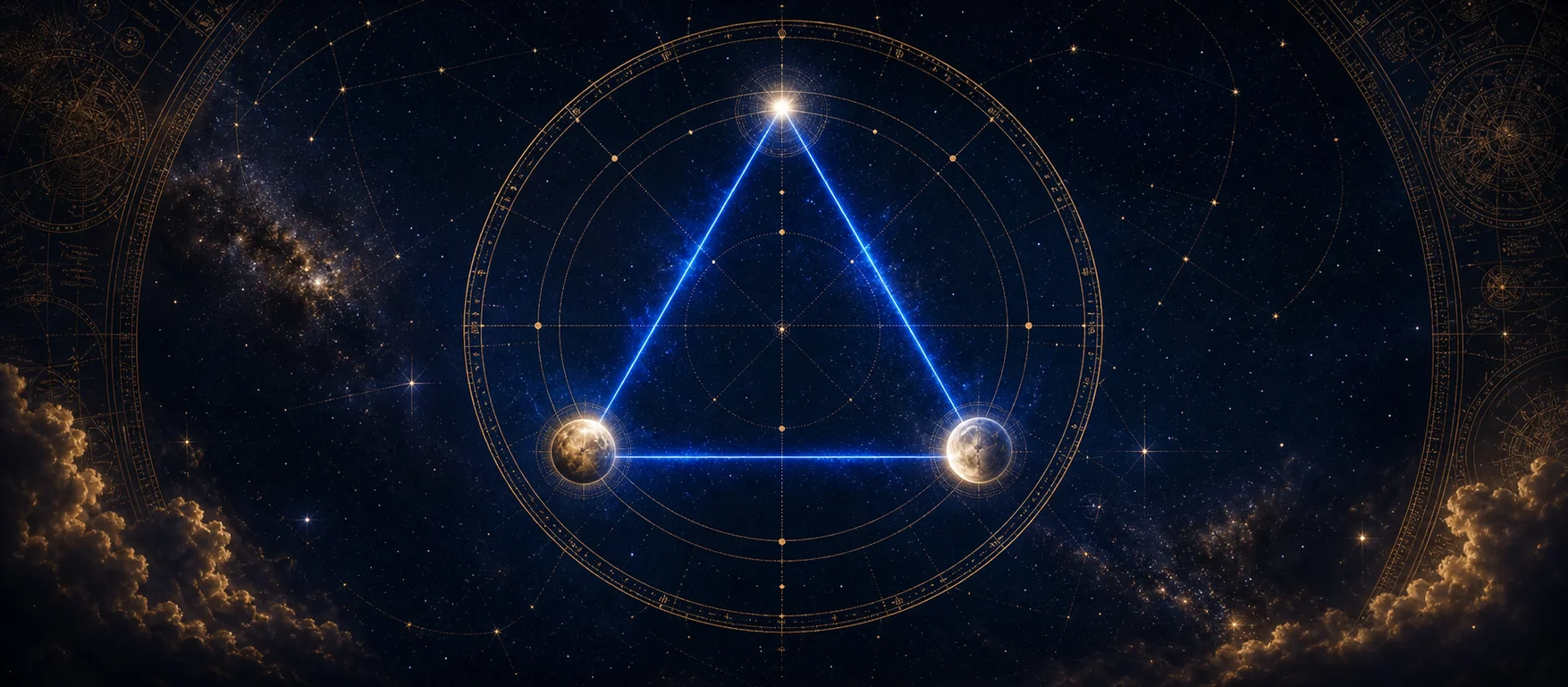
Harmonious triangle: Jupiter, Mercury, and Moon

This is the easiest door into the chart: it shows what tends to cooperate naturally.

This pattern describes what comes more easily. It shows up mainly through House 7 (partners, contracts, and direct encounters with others), House 10 (career, status, responsibility, and public role), and House 12 (private time, solitude, retreat, and hidden pressure). It connects Jupiter (growth, faith, luck, and confidence in the future), Mercury (thinking, speech, and decisions), and Moon (emotional needs, instinct, and inner safety).

This is the clearest cooperation pattern in the chart: Mercury sextile Jupiter (orb 1.6°), Moon sextile Jupiter (orb 3.2°), and Moon trine Mercury (orb 4.7°). It shows where functions support each other, recover, or come naturally when used together. Because several planets are connected, the full pattern matters more than one isolated aspect.

  • Harmony Mercury sextile Jupiter (orb 1.6°) Sextile: Mercury in Aries in House 12 can cooperate with Jupiter in Aquarius in House 10 in the same concrete choice or situation. For this pair, the aspect lets intellect and Jupiter cooperate actively: the person can turn knowledge, words, or technique into teaching, confidence, and wider horizons.
  • Harmony Moon sextile Jupiter (orb 3.2°) Sextile: Moon in Sagittarius in House 7 can cooperate with Jupiter in Aquarius in House 10 in the same concrete choice or situation. For this pair, the aspect lets personal dream and fulfillment cooperate when optimism becomes a concrete horizon. Mother-image layer: childhood, mother image, and inner child can cooperate with Jupiter.
  • Harmony Moon trine Mercury (orb 4.7°) Trine: Moon in Sagittarius in House 7 can support Mercury in Aries in House 12 naturally and positively. For this pair, the aspect gives natural support between memory, personal dream, and intellect: words can give clear form to the inner child. Mother-image layer: childhood, mother image, and inner child are supported by Mercury.
4. Important tensions

Tension link: Jupiter and Pluto

This is the pressure line to read first: it shows where tension repeats in concrete situations.

This pattern shows where pressure builds fastest. It shows up mainly through House 10 (career, status, responsibility, and public role) and House 6 (work, routines, health, and daily organization). It connects Jupiter (growth, faith, luck, and confidence in the future) and Pluto (power, crisis, intensity, and deep transformation).

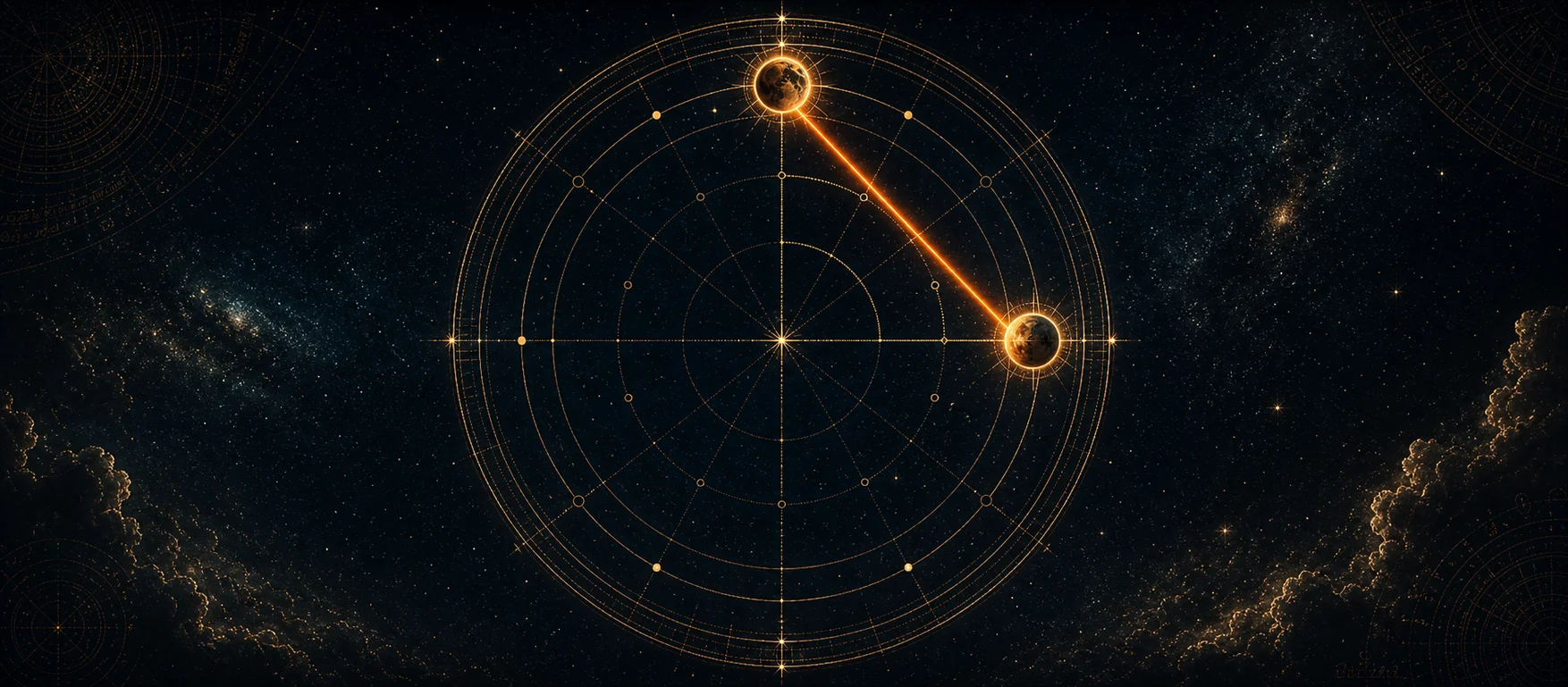
This is the clearest friction pattern in the chart: Jupiter square Pluto (orb 2.9°). It shows where pressure, contradiction, or repeated effort concentrates. No wider group outranks this link, so read it as a strong but isolated signal.

  • Tension Jupiter square Pluto (orb 2.9°) Square in real life: House 10 (vocation, status, responsibility, and public image) is in friction with House 6 (daily work, technique, and bodily discipline); this can create blockage, inhibition, overreaction, or repeated conflict between the two fields.
5. Important houses

These houses answer the concrete question: where in life does the chart become visible? Look here for the repeated choices, relationships, work, or crises that make the rest of the chart real.

  • House 12: Mercury, Venus, Mars, and Lilith retreat, contemplation, long time, and possible confinement.
  • House 7: Moon and Uranus relationship, confrontation, and the mirror of others.
  • House 11: Sun networks, audience, groups, ideas, ideologies, political beliefs, and collective projects.


Sun
Sun in Pisces Identity, ego, father figure
Moon
Moon in Sagittarius Dream, inner child, mother figure
Rising sign Gemini
Rising in Gemini First impression, entry style
The three foundations

Start from the three base placements below: the Sun gives identity, ego, and father image; the Moon gives personal dream, play, childhood imprint, mother image, and the inner child; the Rising sign gives first impression, body language, and entry style. Then dominant planets and exact aspects show what carries the most weight.

Dominant layer: Moon near the Descendant (orb 2.7°) is close enough to an angle to color what other people perceive. Moon (personal dream, play, inner child, childhood imprint, mother figure, mother image, optimism, and inner rhythm) is most visible through direct relationships, partners, opponents, and the way others are met.

Stromae (rapper) has Sun in Pisces, in the House 11

How to read this placement

Sun in Pisces in House 11 is one concrete combination: the Sun gives identity, ego, father figure, visibility, and direction, the Pisces style gives imagination, faith, compassion, dream, and permeability, and House 11 gives the life field: networks, audience, groups, ideas, ideologies, political beliefs, and collective projects.

More about this placement

Concretely, this placement brings identity, ego, father figure, recognition, and personal direction into networks, audiences, friends, groups, ideas, ideologies, political beliefs, and collective projects. House 11 (networks, audience, groups, ideas, ideologies, political beliefs, and collective projects) gives the field; exact aspects show whether the planet is supported, blocked, fused, or contradicted.

Aspect connected to this placement: Sun trine Saturn (orb 6.4°). Aspect effect: gives positive ease building identity, confidence, and the father-image field through seriousness and endurance. Father-image layer: ego, personal direction, and the father imprint are supported by Saturn.

With the Sun in Pisces, identity forms through imagination, sensitivity, compassion, retreat, and porous contact with the invisible atmosphere around life. The person often needs art, spirituality, dream, music, solitude, or service to something larger than the ego. This placement can give empathy, adaptability, symbolic intelligence, and the ability to feel what others cannot name. It is not only confusion; it is the need to live with permeable boundaries. When ungrounded, the person may avoid definition, absorb too much, or drift away from practical reality.
In the 11th house, the Sun puts identity into friends, networks, audiences, publics, ideas, ideologies, political beliefs, collective projects, and the future the person wants to help build. The person may feel most alive when connected to a group, a movement, a community, or a wider audience. This house is not only friendship; it is also social reach and the ability to become visible through collective participation. At best, it gives influence in networks, loyalty to ideals, and creative participation in group life. Under stress, the ego can depend too much on popularity, belonging, or the approval of a community.

    Sun square Uranus (orb 3.8°) creates concrete friction between the two planets. The orb is moderate; it stays secondary beside tighter signatures.

    Concrete friction: this aspect creates tension between ego, personal stability, and refusal of the frame. House 11 (networks, audience, groups, ideas, ideologies, political beliefs, and collective projects) is in friction with House 7 (relationship, confrontation, and the mirror of others); this can create blockage, inhibition, overreaction, or repeated conflict between the two fields.

    Sun trine Saturn (orb 6.4°) is minor in this chart. The orb is wide; this aspect stays a light nuance.

    Here, Sun in Pisces in House 11 brings identity, ego, father figure, visibility, and direction into House 11 (networks, audience, groups, ideas, ideologies, political beliefs, and collective projects), with Pisces style (imagination, faith, compassion, dream, and permeability); Saturn in Scorpio in House 6 brings discipline, constraint, endurance, and mastery into House 6 (daily work, technique, and bodily discipline), with Scorpio style (intensity, desire, crisis, secrecy, and invisible power).

    Concrete support: this aspect gives positive ease building identity, confidence, and the father-image field through seriousness and endurance. Father-image layer: ego, personal direction, and the father imprint are supported by Saturn. Visible angle: Saturn near the Descendant (orb 3.3°) touches an angle; this aspect is easier to notice through direct relationships, partners, opponents, and the way others are met.


Stromae (rapper) has Moon in Sagittarius, in the House 7

How to read this placement

Moon in Sagittarius in House 7 is one concrete combination: the Moon gives personal dream, play, inner child, childhood imprint, mother figure, mother image, optimism, and inner rhythm, the Sagittarius style gives expansion, travel, belief, and the search for meaning, and House 7 gives the life field: relationship, confrontation, and the mirror of others.

More about this placement

Concretely, this placement brings personal dream, play instinct, inner child, childhood imprint, mother figure, mother image, optimism, and inner rhythm into partners, clients, opponents, negotiations, and direct confrontations. House 7 (relationship, confrontation, and the mirror of others) gives the field; exact aspects show whether the planet is supported, blocked, fused, or contradicted.

Aspect connected to this placement: Moon conjunct Saturn (orb 6°). Aspect effect: ties the inner child, personal dream, and mother image to discipline, duty, fear, or restraint.

Visible angle: Moon near the Descendant (orb 2.7°) touches an angle; this placement is easier to notice through direct relationships, partners, opponents, and the way others are met.

With the Moon in Sagittarius, the inner child needs space, meaning, honesty, humor, and the sense that life can keep expanding. The personal dream often points toward travel, study, belief, teaching, adventure, foreign cultures, or a larger story that makes difficulty bearable. This Moon can give optimism, frankness, enthusiasm, and strong rebound capacity. The mother image or childhood imprint may be linked to distance, freedom, moral conviction, travel, or the need for a horizon. Under tension, it can run from heaviness, preach instead of listening, or turn restlessness into avoidance.
In the 7th house, the Moon brings personal dream, inner child, and childhood imprint into partnership, confrontation, clients, opponents, and the mirror of other people. The person often discovers their feelings through relationship: a partner's mood, approval, absence, or conflict can strongly affect inner security. The inner child looks for companionship and may need to feel chosen. At best, this gives relational sensitivity, tenderness, and a gift for sensing what another person needs. Under stress, it can become dependency, projection, fear of being alone, or changing too much to keep the relationship safe.

    Moon sextile Jupiter (orb 3.2°) shows active cooperation between the two planets. The orb is tight enough to count in the main reading.

    Here, Moon in Sagittarius in House 7 brings personal dream, play, inner child, childhood imprint, mother figure, mother image, optimism, and inner rhythm into House 7 (relationship, confrontation, and the mirror of others), with Sagittarius style (expansion, travel, belief, and the search for meaning); Jupiter in Aquarius in House 10 brings personal fulfillment, confidence, encouragement, and broader horizons into House 10 (vocation, status, responsibility, and public image), with Aquarius style (independence, networks, distance, and collective change).

    Concrete cooperation: personal dream and fulfillment can cooperate when optimism becomes a concrete horizon. Mother-image layer: childhood, mother image, and inner child can cooperate with Jupiter. Visible angle: Moon near the Descendant (orb 2.7°) touches an angle; this aspect is easier to notice through direct relationships, partners, opponents, and the way others are met.

    Moon trine Mercury (orb 4.7°) shows positive structural ease between the two planets. The orb is moderate; it stays secondary beside tighter signatures.

    Here, Moon in Sagittarius in House 7 brings personal dream, play, inner child, childhood imprint, mother figure, mother image, optimism, and inner rhythm into House 7 (relationship, confrontation, and the mirror of others), with Sagittarius style (expansion, travel, belief, and the search for meaning); Mercury in Aries in House 12 brings intellect, language, thought, and technique into House 12 (retreat, contemplation, long time, and possible confinement), with Aries style (initiative, speed, confrontation, and direct action).

    Concrete support: this aspect gives natural support between memory, personal dream, and intellect: words can give clear form to the inner child. Mother-image layer: childhood, mother image, and inner child are supported by Mercury. Visible angle: Moon near the Descendant (orb 2.7°) touches an angle; this aspect is easier to notice through direct relationships, partners, opponents, and the way others are met.

    Moon conjunct Saturn (orb 6°) is minor in this chart. The orb is wide; this aspect stays a light nuance.

    Here, Moon in Sagittarius in House 7 brings personal dream, play, inner child, childhood imprint, mother figure, mother image, optimism, and inner rhythm into House 7 (relationship, confrontation, and the mirror of others), with Sagittarius style (expansion, travel, belief, and the search for meaning); Saturn in Scorpio in House 6 brings discipline, constraint, endurance, and mastery into House 6 (daily work, technique, and bodily discipline), with Scorpio style (intensity, desire, crisis, secrecy, and invisible power).

    Concrete effect: this aspect ties the inner child, personal dream, and mother image to discipline, duty, fear, or restraint. Visible angle: Moon near the Descendant (orb 2.7°) and Saturn near the Descendant (orb 3.3°) touch angles; this aspect is easier to notice through direct relationships, partners, opponents, and the way others are met.


Stromae (rapper) has Rising sign in Gemini

How to read this placement

Gemini Rising combines the Rising sign with the sign on the first-house cusp. The Rising sign describes first impression, body language, reflexes, and the way the person enters situations; the Gemini style gives curiosity, language, movement, and mental adaptation.

More about this placement

Concretely, this signature appears through immediate presence: posture, arrival rhythm, spontaneous reaction, and first contact with other people. A planet close to the Rising sign can become louder than the sign itself.

Gemini rising gives a mobile first impression: words, curiosity, quick observation, and visible mental movement. The person often meets situations by asking, speaking, connecting, and changing angle quickly.


Mercury
Mercury Intellect, language, technique
Venus
Venus Desire, taste, attraction
Mars
Mars Action, courage, competition
Jupiter
Jupiter Fulfillment, confidence, horizons

Stromae (rapper) has Mercury in Aries, in the House 12

How to read this placement

Mercury in Aries in House 12 is one concrete combination: Mercury gives intellect, language, thought, and technique, the Aries style gives initiative, speed, confrontation, and direct action, and House 12 gives the life field: retreat, contemplation, long time, and possible confinement.

More about this placement

Concretely, this placement brings thinking, speech, learning, technique, and mental strategy into withdrawal, contemplation, long time, possible isolation, and quiet major works. House 12 (retreat, contemplation, long time, and possible confinement) gives the field; exact aspects show whether the planet is supported, blocked, fused, or contradicted.

Aspect connected to this placement: Mercury sextile Jupiter (orb 1.6°). Aspect effect: lets intellect and Jupiter cooperate actively: the person can turn knowledge, words, or technique into teaching, confidence, and wider horizons.

With Mercury in Aries, the intellect moves fast and wants to reach a decision. The person often speaks directly, argues from instinct, and learns best by trying rather than waiting for perfect information. This placement can give mental courage, quick replies, tactical improvisation, and a talent for launching ideas. It is not built for endless hesitation. Under stress, it can interrupt, oversimplify, decide too quickly, or treat disagreement as a contest that must be won.
In the 12th house, Mercury puts intellect into solitude, retreat, contemplation, dreams, private research, long processes, and the background of life. The mind may work quietly, indirectly, or behind the scenes, needing distance from noise to understand what it has perceived. This placement can be strong for writing, listening, symbolic thinking, therapy, spiritual study, or research done away from the crowd. At best, it gives subtle perception, compassionate listening, and a mind able to connect hidden patterns. Under stress, it can become anxious silence, confusion, secrecy, self-doubt, or feeling mentally trapped when thoughts have no clear outlet.

    Mercury sextile Jupiter (orb 1.6°) shows active cooperation between the two planets. The orb is very tight; this describes a stable character pattern more than a passing reaction.

    Here, Mercury in Aries in House 12 brings intellect, language, thought, and technique into House 12 (retreat, contemplation, long time, and possible confinement), with Aries style (initiative, speed, confrontation, and direct action); Jupiter in Aquarius in House 10 brings personal fulfillment, confidence, encouragement, and broader horizons into House 10 (vocation, status, responsibility, and public image), with Aquarius style (independence, networks, distance, and collective change).

    Concrete cooperation: intellect and Jupiter can cooperate actively: the person can turn knowledge, words, or technique into teaching, confidence, and wider horizons.

    Same aspect, other side: the full reading is under the other planet, and it also applies to Mercury.

    Open the full aspect reading under Moon

    Mercury square Neptune (orb 5.4°) creates concrete friction between the two planets. The orb is moderate; it stays secondary beside tighter signatures.

    Concrete friction: this aspect creates tension between analysis, language, confusion, ideal, and collective perception. House 12 (retreat, contemplation, long time, and possible confinement) is in friction with House 8 (sexuality, shared power, crisis, and invisible bonds); this can create blockage, inhibition, overreaction, or repeated conflict between the two fields.


Stromae (rapper) has Venus in Aries, in the House 12

How to read this placement

Venus in Aries in House 12 is one concrete combination: Venus gives desire, taste, relationship, and attraction, the Aries style gives initiative, speed, confrontation, and direct action, and House 12 gives the life field: retreat, contemplation, long time, and possible confinement.

More about this placement

Concretely, this placement brings desire, taste, attraction, pleasure, and love style into withdrawal, contemplation, long time, possible isolation, and quiet major works. House 12 (retreat, contemplation, long time, and possible confinement) gives the field; exact aspects show whether the planet is supported, blocked, fused, or contradicted.

Aspect connected to this placement: Venus conjunct Lilith (orb 1.3°). Aspect effect: joins Venus to Lilith's pure ideal, so beauty, desire, and attraction express with fascination but can reject ordinary imperfection.

With Venus in Aries, affection is direct, warm, and difficult to separate from desire. The person often likes relationships that feel alive: initiative, flirting, courage, physical attraction, and the feeling that something is starting. Taste can be bold, simple, sporty, or dramatic rather than overly polished. This placement often loves through action more than long explanation. Under stress, it can rush, lose interest once the chase is over, or treat love like a contest where someone must win.
In the 12th house, Venus puts attraction and pleasure into solitude, retreat, contemplation, hidden love, private imagination, and long background processes. Love may be quiet, secret, sacrificial, spiritual, artistic, or difficult to explain directly. The person may need beauty away from noise and may be moved by compassion, music, silence, or private longing. At best, this gives subtle affection, artistic depth, tenderness toward suffering, and love that does not need constant display. Under stress, it can become hidden relationships, impossible longing, self-sacrifice, avoidance of real desire, or confinement inside a private fantasy.

    Venus conjunct Lilith (orb 1.3°) brings the two planets out together. The orb is very tight; this describes a stable character pattern more than a passing reaction.

    Here, both planets pass through the same life area: House 12 (retreat, contemplation, long time, and possible confinement), with the same Aries style (initiative, speed, confrontation, and direct action). Venus in Aries in House 12 brings desire, taste, relationship, and attraction; Lilith in Aries in House 12 brings pure ideal, absolute demand, fascination, and refusal of compromise.

    Concrete effect: this aspect joins Venus to Lilith's pure ideal, so beauty, desire, and attraction express with fascination but can reject ordinary imperfection.

    Venus trine Uranus (orb 4.3°) shows positive structural ease between the two planets. The orb is moderate; it stays secondary beside tighter signatures.

    Concrete support: this aspect gives positive ease between charm and originality: attraction can become free, inventive, modern, or unexpected.

    Venus conjunct Mars (orb 5.7°) brings the two planets out together. The orb is moderate; it stays secondary beside tighter signatures.

    Here, both planets pass through the same life area: House 12 (retreat, contemplation, long time, and possible confinement), with the same Aries style (initiative, speed, confrontation, and direct action). Venus in Aries in House 12 brings desire, taste, relationship, and attraction; Mars in Aries in House 12 brings action, courage, competition, and effort.

    Concrete effect: this aspect makes desire, attraction, physical style, and action come out together.


Stromae (rapper) has Mars in Aries, in the House 12

How to read this placement

Mars in Aries in House 12 is one concrete combination: Mars gives action, courage, competition, and effort, the Aries style gives initiative, speed, confrontation, and direct action, and House 12 gives the life field: retreat, contemplation, long time, and possible confinement.

More about this placement

Concretely, this placement brings action, anger, courage, competition, and effort into withdrawal, contemplation, long time, possible isolation, and quiet major works. House 12 (retreat, contemplation, long time, and possible confinement) gives the field; exact aspects show whether the planet is supported, blocked, fused, or contradicted.

With Mars in Aries, action is direct, fast, and instinctive. The person tends to act before the room has finished discussing the problem, and courage is often easier than patience. At best this gives initiative, physical drive, competitive freshness, and the ability to start things without asking permission. Under stress, the same Mars can become impulsive, blunt, reactive, or unable to wait for other people to catch up.
In the 12th house, Mars puts action into solitude, retreat, hidden effort, long private processes, contemplation, and sometimes confinement. The person's anger or drive may not be obvious at first; it can work behind the scenes, in private discipline, service, research, spiritual'effort, or suppressed conflict. At best, this gives quiet courage, endurance in isolation, and the ability to fight for people or work that remains unseen. Under stress, it can become hidden anger, self-sabotage, passive conflict, exhaustion from repressed desire, or feeling trapped when action has no clear outlet.


Stromae (rapper) has Jupiter in Aquarius, in the House 10

How to read this placement

Jupiter in Aquarius in House 10 is one concrete combination: Jupiter gives personal fulfillment, confidence, encouragement, and broader horizons, the Aquarius style gives independence, networks, distance, and collective change, and House 10 gives the life field: vocation, status, responsibility, and public image.

More about this placement

Concretely, this placement brings personal fulfillment, confidence, and opening of horizons into career, reputation, status, visible responsibility, and social role. House 10 (vocation, status, responsibility, and public image) gives the field; exact aspects show whether the planet is supported, blocked, fused, or contradicted.

Aspect connected to this placement: Jupiter square Pluto (orb 2.9°). Aspect effect: creates friction between Jupiter (personal fulfillment, confidence, encouragement, and broader horizons) and Pluto's crisis instinct: pressure can become domination, fear, or destructive escalation unless it receives a clear outlet.

With Jupiter in Aquarius, the person finds fulfillment through friendship, ideas, networks, technology, reform, and participation in a wider collective future. They often become more confident when they can think freely and connect with people through shared principles. This Jupiter can give intellectual generosity, social vision, tolerance, and talent for making space for difference. Under stress, it can become detached, ideological, contrarian, or more interested in humanity than in the person nearby.
With Jupiter in the 10th house, the person finds fulfillment through career, status, public role, reputation, and social responsibility. The public role needs room to guide, teach, encourage, lead, or make life wider for others. At best, this gives social confidence, respected guidance, generosity in leadership, and success through a broad vision. Under stress, it can become inflated status, overpromising publicly, moralizing from authority, or assuming reputation will protect against consequences.

    Same aspect, other side: the full reading is under the other planet, and it also applies to Jupiter.

    Open the full aspect reading under Mercury

    Jupiter square Pluto (orb 2.9°) creates concrete friction between the two planets. The orb is tight enough to count in the main reading.

    Here, Jupiter in Aquarius in House 10 brings personal fulfillment, confidence, encouragement, and broader horizons into House 10 (vocation, status, responsibility, and public image), with Aquarius style (independence, networks, distance, and collective change); Pluto in Scorpio in House 6 brings crisis, power, survival, and regeneration into House 6 (daily work, technique, and bodily discipline), with Scorpio style (intensity, desire, crisis, secrecy, and invisible power).

    Concrete friction: this aspect creates friction between Jupiter (personal fulfillment, confidence, encouragement, and broader horizons) and Pluto's crisis instinct: pressure can become domination, fear, or destructive escalation unless it receives a clear outlet. House 10 (vocation, status, responsibility, and public image) is in friction with House 6 (daily work, technique, and bodily discipline); this can create blockage, inhibition, overreaction, or repeated conflict between the two fields.

    Same aspect, other side: the full reading is under the other planet, and it also applies to Jupiter.

    Open the full aspect reading under Moon


Saturn
Saturn Discipline, limits, structure
Uranus
Uranus Freedom, rupture, invention
Neptune
Neptune Image, popularity, inspiration
Pluto
Pluto Crisis, power, regeneration
Lilith
Lilith Ideal, fascination, refusal

Stromae (rapper) has Saturn in Scorpio, in the House 6

How to read this placement

Saturn in Scorpio in House 6 is one concrete combination: Saturn gives discipline, constraint, endurance, and mastery, the Scorpio style gives intensity, desire, crisis, secrecy, and invisible power, and House 6 gives the life field: daily work, technique, and bodily discipline.

More about this placement

Concretely, this placement brings discipline, limits, duty, fear, and long construction into daily work, technical gestures, habits, and bodily discipline. House 6 (daily work, technique, and bodily discipline) gives the field; exact aspects show whether the planet is supported, blocked, fused, or contradicted.

Visible angle: Saturn near the Descendant (orb 3.3°) touches an angle; this placement is easier to notice through direct relationships, partners, opponents, and the way others are met.

With Saturn in Scorpio, discipline is applied to power, intimacy, sexuality, crisis, trust, and psychological depth. The person may be forced to confront fear, control, loss, jealousy, or hidden motives rather than staying on the surface. This can give emotional endurance, strategic depth, and the ability to stay lucid in intense situations. Under stress, it can become suspicion, secrecy, control, or difficulty surrendering to another person.
In the 6th house, Saturn puts discipline into work, service, health, routine, tools, and daily responsibility. The person may carry duties carefully and may become strong through repetition, craft, and practical reliability. At best, this gives competence, work ethic, patience with methods, and the ability to make life function through structure. Under stress, it can become overwork, self-criticism, health anxiety, harsh routines, or the feeling that every day must be earned through duty.


Stromae (rapper) has Uranus in Sagittarius, in the House 7

How to read this placement

Uranus in Sagittarius in House 7 is one concrete combination: Uranus gives disruption, independence, and change, the Sagittarius style gives expansion, travel, belief, and the search for meaning, and House 7 gives the life field: relationship, confrontation, and the mirror of others.

More about this placement

Concretely, this placement brings freedom, disruption, broken rhythms, and the need for independence into partners, clients, opponents, negotiations, and direct confrontations. House 7 (relationship, confrontation, and the mirror of others) gives the field; exact aspects show whether the planet is supported, blocked, fused, or contradicted.

With Uranus in Sagittarius, independence expresses itself through belief, travel, foreign cultures, education, politics, and the search for truth. The person may rebel against dogma and need direct experience before accepting any worldview. This placement can give intellectual adventure, prophetic humor, and the ability to open minds through unfamiliar perspectives. Under stress, it can become restless preaching, ideological rebellion, impatience with limits, or constant escape toward the next horizon.
In the 7th house, Uranus puts independence and surprise into partnership, clients, contracts, opponents, and direct relationship. The person may need relationships with space, honesty, friendship, experimentation, and freedom from rigid roles. At best, this gives open-minded partnership, unusual alliances, the courage to relate without possession, and talent for meeting people who change the direction of life. Under stress, it can become unstable commitment, sudden separations, attraction to unavailable partners, or rebellion against compromise itself.


Stromae (rapper) has Neptune in Capricorn, in the House 8

How to read this placement

Neptune in Capricorn in House 8 is one concrete combination: Neptune gives imagination, image, popularity, collective moods, and inspiration, the Capricorn style gives structure, ambition, responsibility, and long construction, and House 8 gives the life field: sexuality, shared power, crisis, and invisible bonds.

More about this placement

Concretely, this placement brings imagination, image, popularity, and the ability to read collective currents into sexuality, shared money, crises, dependencies, and power dynamics. House 8 (sexuality, shared power, crisis, and invisible bonds) gives the field; exact aspects show whether the planet is supported, blocked, fused, or contradicted.

With Neptune in Capricorn, the dream function takes the color of authority, career, status, institutions, rules, and long-term ambition. The person may sense collective moods through the image of success, the myth of the leader, or the desire to give a dream a concrete structure. This placement can give strategic imagination, public mystique, and the ability to make institutions carry symbolic power. Under stress, it can idealize authority, blur ethical lines around ambition, or make achievement feel like salvation.
In the 8th house, Neptune puts sensitivity and fog into intimacy, sexuality, shared resources, trust, crisis, and invisible power. The person may long for deep fusion, spiritual sexuality, or compassion inside intense bonds. At best, this gives intuitive depth, healing intimacy, sexual imagination, and the ability to feel the invisible currents in shared life. Under stress, it can become blurred consent, financial confusion with others, manipulation through pity, intoxication with crisis, or difficulty seeing where one's desire ends and another person's begins.


Stromae (rapper) has Pluto in Scorpio, in the House 6

How to read this placement

Pluto in Scorpio in House 6 is one concrete combination: Pluto gives crisis, power, survival, and regeneration, the Scorpio style gives intensity, desire, crisis, secrecy, and invisible power, and House 6 gives the life field: daily work, technique, and bodily discipline.

More about this placement

Concretely, this placement brings crisis, power, sexuality, survival, and transformation into daily work, technical gestures, habits, and bodily discipline. House 6 (daily work, technique, and bodily discipline) gives the field; exact aspects show whether the planet is supported, blocked, fused, or contradicted.

With Pluto in Scorpio, power concentrates around sexuality, death, crisis, shared resources, secrets, instinct, and deep emotional bonds. The person may be drawn to what is intense, forbidden, dangerous, or psychologically revealing. This placement can give extraordinary regenerative force, survival instinct, and the ability to face truths other people avoid. Under stress, it can become obsession, control, jealousy, manipulation, or an inability to leave a crisis before it consumes everything.
In the 6th house, Pluto puts control, crisis, and regeneration into work, service, health, routine, tools, and daily systems. The person may see what is toxic, inefficient, or hidden in ordinary life and may feel driven to purge, repair, or master it. At best, this gives diagnostic power, intense work ethic, crisis competence, and the ability to rebuild daily systems after pressure. Under stress, it can become work obsession, control over colleagues, health anxiety, compulsive routines, or turning every practical problem into a battle for power.


Stromae (rapper) has Lilith in Aries, in the House 12

How to read this placement

Lilith in Aries in House 12 is one concrete combination: Lilith gives pure ideal, absolute demand, fascination, and refusal of compromise, the Aries style gives initiative, speed, confrontation, and direct action, and House 12 gives the life field: retreat, contemplation, long time, and possible confinement.

More about this placement

Concretely, this placement brings the pure ideal, absolute demand, desire, fascination, and what refuses to become ordinary into withdrawal, contemplation, long time, possible isolation, and quiet major works. House 12 (retreat, contemplation, long time, and possible confinement) gives the field; exact aspects show whether the planet is supported, blocked, fused, or contradicted.

With Black Moon Lilith in Aries, the non-negotiable point concerns action, courage, desire, and the right to exist without asking permission. The person may reject weakness, passivity, or any situation where their instinct has to be softened too much. This placement can give fierce autonomy, raw courage, and a refusal to let fear decide. Under stress, it can become rage, impatience, provocative independence, or a need to prove strength even when no battle is necessary.
In the 12th house, Black Moon Lilith puts absolute desire into solitude, retreat, contemplation, long background processes, hidden work, institutions, and possible confinement. The person may carry a private non-negotiable truth that takes time, silence, art, or spiritual work to understand. At best, this gives deep authenticity behind the scenes, instinctive spiritual refusal, and the courage to face what has been exiled from consciousness. Under stress, it can become private shame, isolation, hidden obsession, fascination with suffering, or a refusal so buried that it acts from the background instead of becoming conscious.