Logo

Birth chart of Henri-Pierre Roché

Henri-Pierre Roché birth chart is shown with zodiac signs, planetary houses, and aspects so it can be read as a complete astrological structure rather than a single Sun sign.

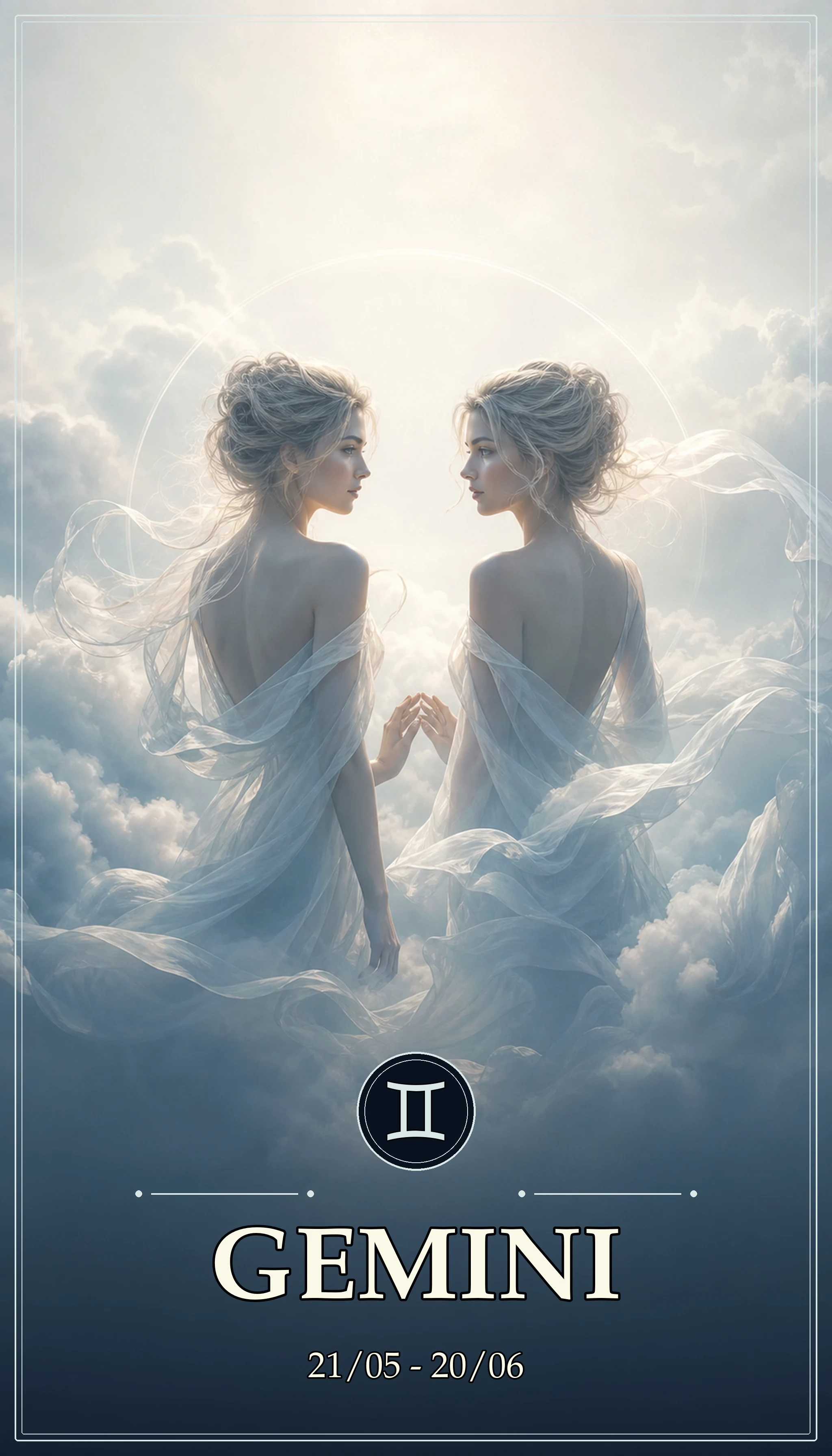
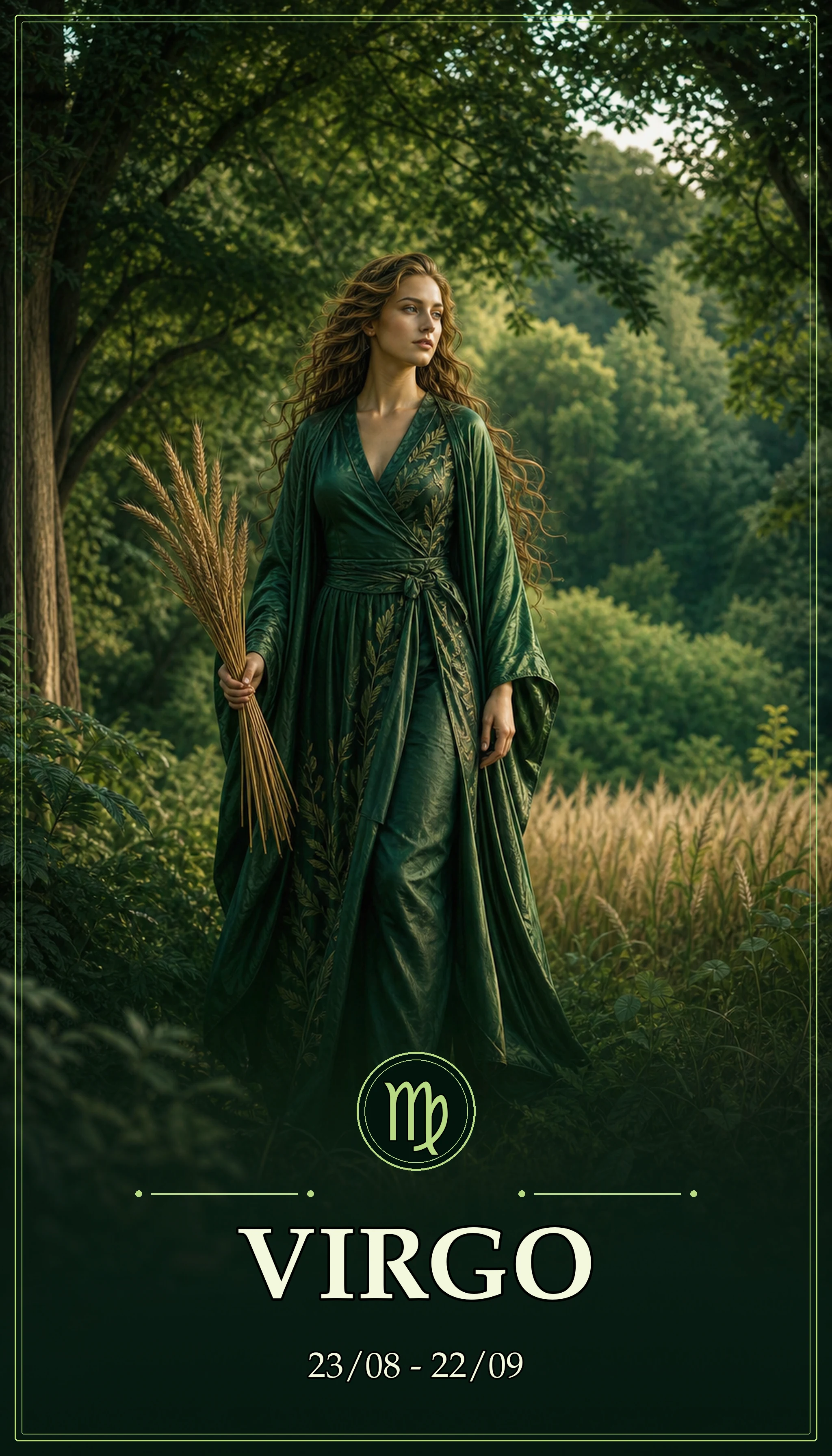
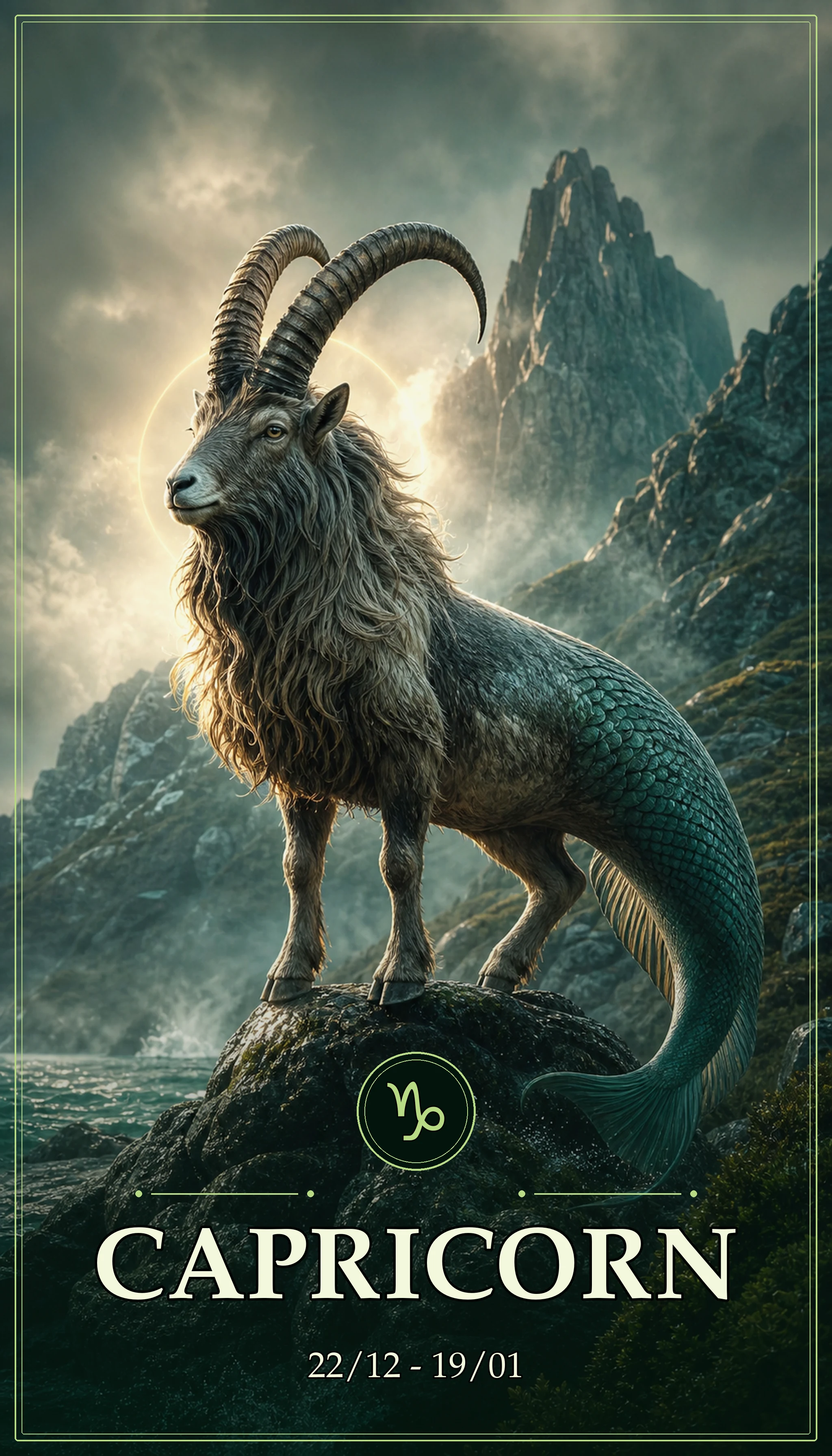
Henri-Pierre Roché's chart is framed by Sun in Gemini, Moon in Virgo, and Capricorn Rising. These three factors give identity and ego, personal dream, play, childhood image, and first impression before the details.

Chart detail:

Sun square Moon (orb 0.4°) gives a central dynamic in this reading. The orb is extremely tight; this aspect is one of the chart's strongest signals.

In plain terms, this aspect creates tension between conscious direction, the inner child, and the personal dream.

Because the birth time is available, houses and angular dominants can be used, with each conclusion tied to a precise chart combination.

Learn the zodiac signs  ·  Learn the planets  ·  Learn the houses  ·  Browse celebrity charts  ·  Calculate your own birth chart

Displayed: 28/05/1879, 23:00 at Paris, France
(2°20' E, 48°52' N, GMT 0.155555555555556).

Source: Astro-Databank
RSIIIIIIVVVIVIIVIIIIXMHXIXII6°26'26°12'10°33'0°17'12°52'10°53'22°7'17°15'15°59'6°47'7°11'
Displayed: 28/05/1879, 23:00 at Paris, France
(2°20' E, 48°52' N, GMT 0.155555555555556).

Source: Astro-Databank

Sun Gemini
Gemini

Sun in Gemini

Moon Virgo
Virgo

Moon in Virgo

RS Capricorn
Capricorn

Rising sign in Capricorn


Element Sign Degrees Speed House
Sun Gemini 07° 10' 56" 0.958 / day 4
Moon Virgo 06° 46' 34" 13.611 / day 7
Mercury Taurus 15° 58' 52" 1.582 / day 3
Venus Cancer 17° 14' 44" 1.143 / day 6
Mars Pisces 22° 06' 50" 0.719 / day 2
Jupiter Pisces 10° 52' 40" 0.103 / day 1
Saturn Aries 12° 52' 15" 0.089 / day 2
Uranus Virgo 00° 16' 51" 0.018 / day 7
Neptune Taurus 10° 32' 41" 0.034 / day 3
Pluto Taurus 26° 12' 04" 0.022 / day 4
Lilith Taurus 06° 26' 14" 0.112 / day 3
RS Capricorn 22° 21' 01"
MH Scorpio 23° 29' 28"

Click on a planet

 Log in or create and account to be able to save your own charts (it's free!).


Analysis

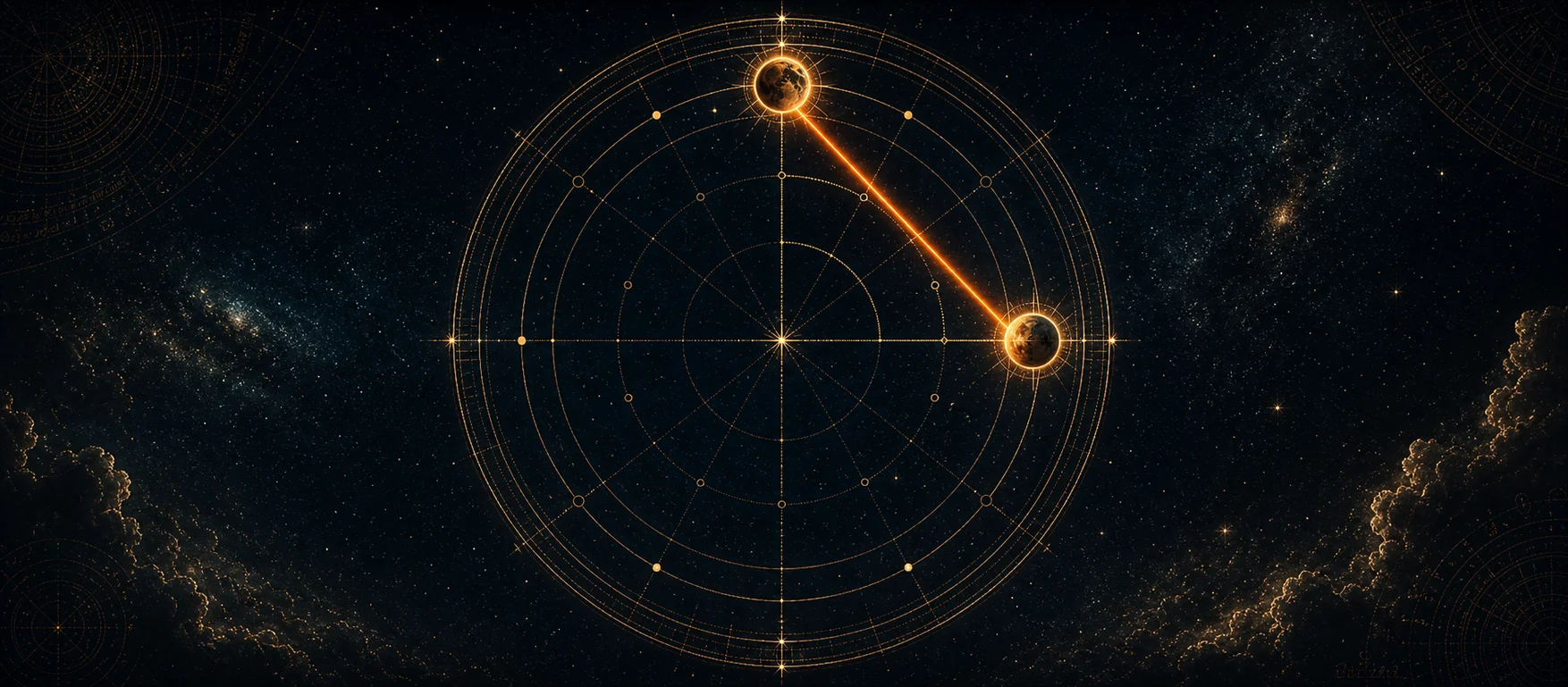
Astrological birth chart geometry with aspect lines
This visual shows the chart geometry before the reading separates the Big Three, planets, houses, and aspects.

How to read this chart

This section gives a concrete reading thread. It highlights the most visible signatures, then the tabs keep each placement separate instead of mixing everything together.

Reading map

Start here: a short reading that shows what hooks, what helps, what pushes back, and where it becomes concrete.

1. Big Three, Personal Essence

Sun in Gemini · Moon in Virgo · Capricorn Rising

First hook: this is where the chart often becomes recognizable in real life. Sun in Gemini: identity and direction move through curiosity, language, movement, and mental adaptation; Moon in Virgo: emotional safety looks for precision, method, usefulness, and attention to detail; Capricorn Rising: the first way into situations uses structure, ambition, responsibility, and long construction. Then read the supports, tensions, and houses to see where this base becomes easy, charged, or visible.

2. Dominants (visible planets)

Visible planets: Pluto and Venus

Dominants are planets close to the Rising sign, Midheaven, Descendant, or IC. They describe what becomes visible quickly: presence, public role, direct relationship style, or private climate. Every angular dominant found within the orb is listed below.

  • Visible Pluto near the IC (orb 2.7°) Pluto touches a private angle: its signature shows most clearly to close people through private base, family roots, and intimate psychological climate. Here, that highlights crisis, power, survival, and regeneration. It matters most when it repeats in private choices, close relationships, or family patterns.
  • Visible Venus near the Descendant (orb 5.1°) Venus is close to an angle: its signature shows more easily through direct relationships, partners, opponents, and the way others are met. Here, that highlights desire, taste, relationship, and attraction. It matters most when it repeats in choices, relationships, or visible role.
3. Important harmonious aspects

Harmonious circuit: Venus, Jupiter, Mercury, Neptune, and Mars

This is the easiest door into the chart: it shows what tends to cooperate naturally.

This pattern describes what comes more easily. It shows up mainly through House 3 (speech, learning, and close surroundings), House 1 (body, presence, and first reactions), and House 2 (money, security, and self-worth). It connects Venus (attraction, pleasure, taste, and relationships), Jupiter (growth, faith, luck, and confidence in the future), Mercury (thinking, speech, and decisions), and Neptune (dreams, ideals, imagination, and confusion).

This is the clearest cooperation pattern in the chart: Mercury sextile Venus (orb 1.3°), Jupiter sextile Neptune (orb 0.3°), and Venus trine Mars (orb 4.9°). It shows where functions support each other, recover, or come naturally when used together. Because several planets are connected, the full pattern matters more than one isolated aspect.

  • Harmony Mercury sextile Venus (orb 1.3°) Sextile: Mercury in Taurus in House 3 can cooperate with Venus in Cancer in House 6 in the same concrete choice or situation. For this pair, the aspect lets intellect and Venus cooperate in speech, art, negotiation, or the formulation of desire.
  • Harmony Jupiter sextile Neptune (orb 0.3°) Sextile: Jupiter in Pisces in House 1 can cooperate with Neptune in Taurus in House 3 in the same concrete choice or situation. For this pair, the aspect lets fulfillment and collective image cooperate when the person gives the dream a concrete form.
  • Harmony Venus trine Mars (orb 4.9°) Trine: Venus in Cancer in House 6 can support Mars in Pisces in House 2 naturally and positively. For this pair, the aspect gives positive ease between charm, desire, action, and physical energy.
  • Harmony Venus trine Jupiter (orb 6.4°) Trine: Venus in Cancer in House 6 can support Jupiter in Pisces in House 1 naturally and positively. For this pair, the aspect gives positive ease between charm, desire, generosity, and fulfillment: attraction can open horizons.
4. Important tensions

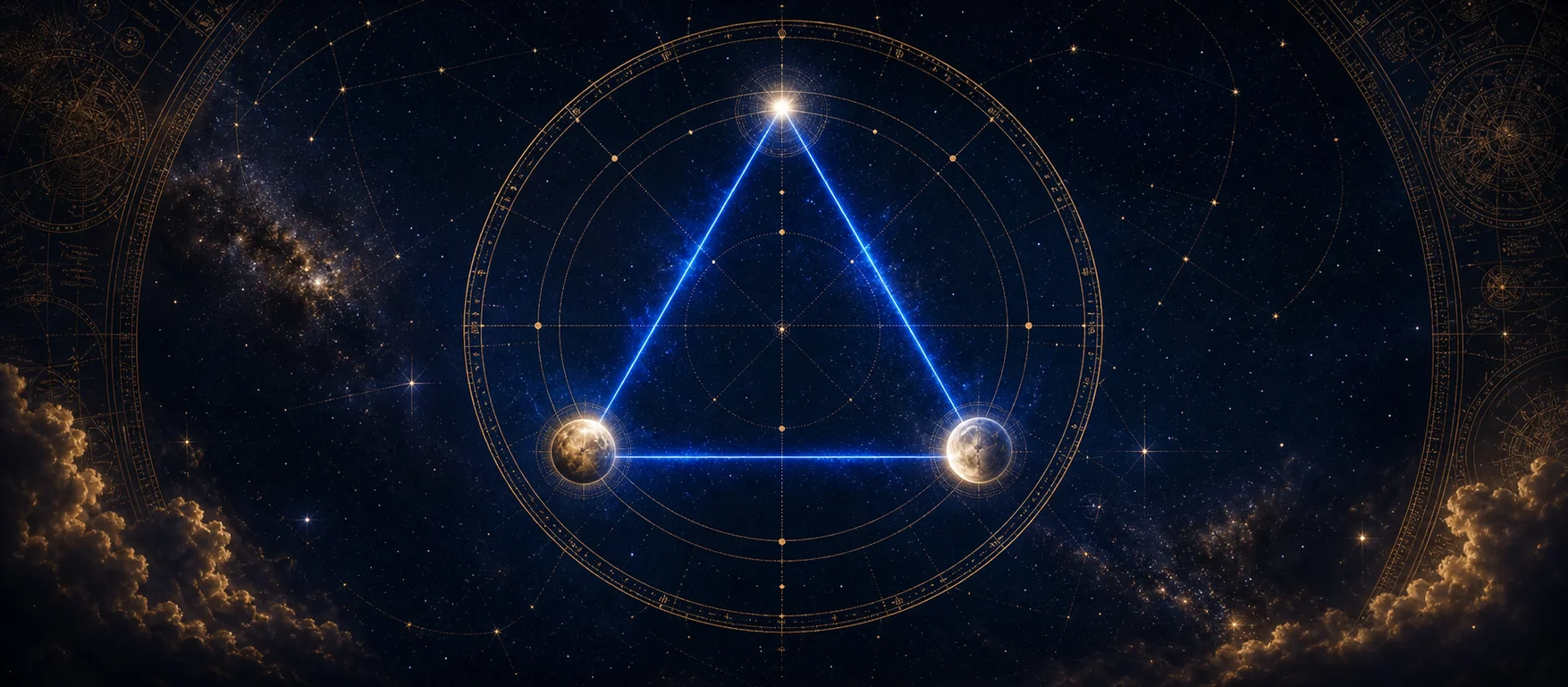
Tension triangle: Moon, Sun, and Jupiter

This is the pressure line to read first: it shows where tension repeats in concrete situations.

This pattern shows where pressure builds fastest. It shows up mainly through House 4 (home, family, and private life), House 7 (partners, contracts, and direct encounters with others), and House 1 (body, presence, and first reactions). It connects Moon (emotional needs, instinct, and inner safety), Sun (identity, confidence, and direction), and Jupiter (growth, faith, luck, and confidence in the future).

This is the clearest friction pattern in the chart: Sun square Moon (orb 0.4°), Moon opposite Jupiter (orb 4.1°), and Sun square Jupiter (orb 3.7°). It shows where pressure, contradiction, or repeated effort concentrates. Because several planets are connected, the full pattern matters more than one isolated aspect.

  • Tension Sun square Moon (orb 0.4°) Square in real life: House 4 (roots, privacy, and inner foundation) is in friction with House 7 (relationship, confrontation, and the mirror of others); this can create blockage, inhibition, overreaction, or repeated conflict between the two fields. For this pair, the aspect creates tension between conscious direction, the inner child, and the personal dream.
  • Tension Moon opposite Jupiter (orb 4.1°) Opposition in real life: The house conflict is between House 7 (relationship, confrontation, and the mirror of others) and House 1 (presence, body, and the way experience is entered); pressure in one field tends to reactivate the other. For this pair, the aspect sets personal dream or mother image against personal fulfillment: inner protection can contradict the drive to widen life, or enthusiasm can become too large for the inner rhythm.
  • Tension Sun square Jupiter (orb 3.7°) Square in real life: House 4 (roots, privacy, and inner foundation) is in friction with House 1 (presence, body, and the way experience is entered); this can create blockage, inhibition, overreaction, or repeated conflict between the two fields. For this pair, the aspect creates tension between ego, father image, confidence, and excess: the person may need to separate real personal direction from an oversized promise.
5. Important houses

These houses answer the concrete question: where in life does the chart become visible? Look here for the repeated choices, relationships, work, or crises that make the rest of the chart real.

  • House 4: Sun and Pluto roots, privacy, and inner foundation.
  • House 7: Moon and Uranus relationship, confrontation, and the mirror of others.
  • House 3: Mercury, Neptune, and Lilith speech, learning, and the close environment.


Sun
Sun in Gemini Identity, ego, father figure
Moon
Moon in Virgo Dream, inner child, mother figure
Rising sign Capricorn
Rising in Capricorn First impression, entry style
The three foundations

Start from the three base placements below: the Sun gives identity, ego, and father image; the Moon gives personal dream, play, childhood imprint, mother image, and the inner child; the Rising sign gives first impression, body language, and entry style. Then dominant planets and exact aspects show what carries the most weight.

Dominant layer: Pluto near the IC (orb 2.7°) is close enough to an angle to color what other people perceive. Pluto (crisis, power, survival, and regeneration) is most visible through private base, family roots, and intimate psychological climate.

Henri-Pierre Roché has Sun in Gemini, in the House 4

How to read this placement

Sun in Gemini in House 4 is one concrete combination: the Sun gives identity, ego, father figure, visibility, and direction, the Gemini style gives curiosity, language, movement, and mental adaptation, and House 4 gives the life field: roots, privacy, and inner foundation.

More about this placement

Concretely, this placement brings identity, ego, father figure, recognition, and personal direction into family, home, privacy, roots, and psychological foundation. House 4 (roots, privacy, and inner foundation) gives the field; exact aspects show whether the planet is supported, blocked, fused, or contradicted.

Aspect connected to this placement: Sun square Moon (orb 0.4°). Aspect effect: creates tension between conscious direction, the inner child, and the personal dream.

With the Sun in Gemini, identity forms through language, movement, comparison, and curiosity. The person needs contact with information, conversation, people, and changing perspectives. This placement often gives a quick mind, social agility, humor, and the ability to connect separate ideas. It is not only superficiality; it is a solar need to keep the world mentally alive. When scattered, the person may jump between subjects without choosing a direction or avoid depth by staying in constant motion.
In the 4th house, the Sun puts identity into roots, family, private life, home, memory, and the inner foundation of the chart. The person may need a strong base before they can act confidently in the world. Their ego is not only public; it is shaped by origin, family position, and the private place where they feel real. At best, this gives inner authority, loyalty, and the ability to build a stable home or private center. Under stress, it can make family history, emotional security, or the need to belong carry too much weight.

    Sun square Moon (orb 0.4°) creates concrete friction between the two planets. The orb is extremely tight; this aspect is one of the chart's strongest signals.

    Here, Sun in Gemini in House 4 brings identity, ego, father figure, visibility, and direction into House 4 (roots, privacy, and inner foundation), with Gemini style (curiosity, language, movement, and mental adaptation); Moon in Virgo in House 7 brings personal dream, play, inner child, childhood imprint, mother figure, mother image, optimism, and inner rhythm into House 7 (relationship, confrontation, and the mirror of others), with Virgo style (precision, method, usefulness, and attention to detail).

    Concrete friction: this aspect creates tension between conscious direction, the inner child, and the personal dream. House 4 (roots, privacy, and inner foundation) is in friction with House 7 (relationship, confrontation, and the mirror of others); this can create blockage, inhibition, overreaction, or repeated conflict between the two fields.

    Sun square Jupiter (orb 3.7°) creates concrete friction between the two planets. The orb is moderate; it stays secondary beside tighter signatures.

    Concrete friction: this aspect creates tension between ego, father image, confidence, and excess: the person may need to separate real personal direction from an oversized promise. House 4 (roots, privacy, and inner foundation) is in friction with House 1 (presence, body, and the way experience is entered); this can create blockage, inhibition, overreaction, or repeated conflict between the two fields.


Henri-Pierre Roché has Moon in Virgo, in the House 7

How to read this placement

Moon in Virgo in House 7 is one concrete combination: the Moon gives personal dream, play, inner child, childhood imprint, mother figure, mother image, optimism, and inner rhythm, the Virgo style gives precision, method, usefulness, and attention to detail, and House 7 gives the life field: relationship, confrontation, and the mirror of others.

More about this placement

Concretely, this placement brings personal dream, play instinct, inner child, childhood imprint, mother figure, mother image, optimism, and inner rhythm into partners, clients, opponents, negotiations, and direct confrontations. House 7 (relationship, confrontation, and the mirror of others) gives the field; exact aspects show whether the planet is supported, blocked, fused, or contradicted.

With the Moon in Virgo, the inner child looks for order, usefulness, practical care, and the sense that life can be improved. The personal dream often becomes concrete through skill, service, health, technique, routines, and the quiet satisfaction of doing something well. This Moon can give attentiveness, humility, precision, and devotion to everyday support. The mother image or childhood imprint may be linked to duty, worry, helpfulness, or the feeling that love had to be useful. Under tension, it can become anxious, self-critical, or unable to rest because something always seems unfinished.
In the 7th house, the Moon brings personal dream, inner child, and childhood imprint into partnership, confrontation, clients, opponents, and the mirror of other people. The person often discovers their feelings through relationship: a partner's mood, approval, absence, or conflict can strongly affect inner security. The inner child looks for companionship and may need to feel chosen. At best, this gives relational sensitivity, tenderness, and a gift for sensing what another person needs. Under stress, it can become dependency, projection, fear of being alone, or changing too much to keep the relationship safe.

    Moon trine Lilith (orb 0.3°) shows positive structural ease between the two planets. The orb is extremely tight; this aspect is one of the chart's strongest signals.

    Here, Moon in Virgo in House 7 brings personal dream, play, inner child, childhood imprint, mother figure, mother image, optimism, and inner rhythm into House 7 (relationship, confrontation, and the mirror of others), with Virgo style (precision, method, usefulness, and attention to detail); Lilith in Taurus in House 3 brings pure ideal, absolute demand, fascination, and refusal of compromise into House 3 (speech, learning, and the close environment), with Taurus style (nature, good food, physical sensuality, roots, resources, and perseverance).

    Concrete support: Lilith's ideal can support the personal dream and mother-image field without drowning it in refusal. Mother-image layer: childhood, mother image, and inner child are supported by Lilith.

    Same aspect, other side: the full reading is under the other planet, and it also applies to Moon.

    Open the full aspect reading under Sun

    Moon opposite Jupiter (orb 4.1°) puts the two planets face to face, with visible back-and-forth or tension. The orb is moderate; it stays secondary beside tighter signatures.

    Concrete conflict: this aspect sets personal dream or mother image against personal fulfillment: inner protection can contradict the drive to widen life, or enthusiasm can become too large for the inner rhythm. The house conflict is between House 7 (relationship, confrontation, and the mirror of others) and House 1 (presence, body, and the way experience is entered); pressure in one field tends to reactivate the other.

    Moon trine Neptune (orb 3.8°) shows positive structural ease between the two planets. The orb is moderate; it stays secondary beside tighter signatures.

    Concrete support: this aspect gives positive ease between sensitivity, imagination, personal dream, and audience receptivity. Mother-image layer: childhood, mother image, and inner child are supported by Neptune.

    Moon conjunct Uranus (orb 6.5°) is minor in this chart. The orb is wide; this aspect stays a light nuance.

    Here, both planets pass through the same life area: House 7 (relationship, confrontation, and the mirror of others), with the same Virgo style (precision, method, usefulness, and attention to detail). Moon in Virgo in House 7 brings personal dream, play, inner child, childhood imprint, mother figure, mother image, optimism, and inner rhythm; Uranus in Virgo in House 7 brings disruption, independence, and change.

    Concrete effect: this aspect ties the inner child and personal dream to independence, unpredictability, and broken rhythms.


Henri-Pierre Roché has Rising sign in Capricorn

How to read this placement

Capricorn Rising combines the Rising sign with the sign on the first-house cusp. The Rising sign describes first impression, body language, reflexes, and the way the person enters situations; the Capricorn style gives structure, ambition, responsibility, and long construction.

More about this placement

Concretely, this signature appears through immediate presence: posture, arrival rhythm, spontaneous reaction, and first contact with other people. A planet close to the Rising sign can become louder than the sign itself.

Capricorn rising gives a composed first impression: control, seriousness, endurance, and a sense of responsibility. The person may seem older, guarded, or already carrying a role, entering life through structure, effort, and long-term direction.


Mercury
Mercury Intellect, language, technique
Venus
Venus Desire, taste, attraction
Mars
Mars Action, courage, competition
Jupiter
Jupiter Fulfillment, confidence, horizons

Henri-Pierre Roché has Mercury in Taurus, in the House 3

How to read this placement

Mercury in Taurus in House 3 is one concrete combination: Mercury gives intellect, language, thought, and technique, the Taurus style gives nature, good food, physical sensuality, roots, resources, and perseverance, and House 3 gives the life field: speech, learning, and the close environment.

More about this placement

Concretely, this placement brings thinking, speech, learning, technique, and mental strategy into speech, writing, learning, short trips, and the everyday environment. House 3 (speech, learning, and the close environment) gives the field; exact aspects show whether the planet is supported, blocked, fused, or contradicted.

Aspect connected to this placement: Mercury sextile Venus (orb 1.3°). Aspect effect: lets intellect and Venus cooperate in speech, art, negotiation, or the formulation of desire.

With Mercury in Taurus, the intellect becomes concrete, steady, and attached to what can be verified. The person often learns through repetition, practical use, sensory memory, and real examples rather than abstract theory alone. This placement can give patience, good judgment, a reliable voice, and the ability to turn ideas into something usable. It is not slow in a weak sense; it wants solid ground. Under stress, it can resist new information, repeat a fixed opinion, or take too long to adapt.
In the 3rd house, Mercury puts intellect into its most natural field: speech, learning, siblings, writing, short trips, and everyday information. The person often needs conversation, movement, and mental variety to stay alive intellectually. They may be good at explaining, connecting details, learning languages, teaching basics, or navigating local networks. At best, this gives quick perception, flexible communication, and a strong learning instinct. Under stress, it can become scattered attention, gossip, nervous comparison, or a mind that stays busy without going deep.

    Mercury sextile Venus (orb 1.3°) shows active cooperation between the two planets. The orb is very tight; this describes a stable character pattern more than a passing reaction.

    Here, Mercury in Taurus in House 3 brings intellect, language, thought, and technique into House 3 (speech, learning, and the close environment), with Taurus style (nature, good food, physical sensuality, roots, resources, and perseverance); Venus in Cancer in House 6 brings desire, taste, relationship, and attraction into House 6 (daily work, technique, and bodily discipline), with Cancer style (memory, protection, belonging, and family sensitivity).

    Concrete cooperation: intellect and Venus can cooperate in speech, art, negotiation, or the formulation of desire. Visible angle: Venus near the Descendant (orb 5.1°) touches an angle; this aspect is easier to notice through direct relationships, partners, opponents, and the way others are met.

    Mercury conjunct Neptune (orb 5.4°) brings the two planets out together. The orb is moderate; it stays secondary beside tighter signatures.

    Here, both planets pass through the same life area: House 3 (speech, learning, and the close environment), with the same Taurus style (nature, good food, physical sensuality, roots, resources, and perseverance). Mercury in Taurus in House 3 brings intellect, language, thought, and technique; Neptune in Taurus in House 3 brings imagination, image, popularity, collective moods, and inspiration.

    Concrete effect: this aspect mixes intellect with images, imagination, popularity, and collective moods.

    Mercury sextile Jupiter (orb 5.1°) shows active cooperation between the two planets. The orb is moderate; it stays secondary beside tighter signatures.

    Concrete cooperation: intellect and Jupiter can cooperate actively: the person can turn knowledge, words, or technique into teaching, confidence, and wider horizons.


Henri-Pierre Roché has Venus in Cancer, in the House 6

How to read this placement

Venus in Cancer in House 6 is one concrete combination: Venus gives desire, taste, relationship, and attraction, the Cancer style gives memory, protection, belonging, and family sensitivity, and House 6 gives the life field: daily work, technique, and bodily discipline.

More about this placement

Concretely, this placement brings desire, taste, attraction, pleasure, and love style into daily work, technical gestures, habits, and bodily discipline. House 6 (daily work, technique, and bodily discipline) gives the field; exact aspects show whether the planet is supported, blocked, fused, or contradicted.

Visible angle: Venus near the Descendant (orb 5.1°) touches an angle; this placement is easier to notice through direct relationships, partners, opponents, and the way others are met.

With Venus in Cancer, affection is protective, tender, and tied to memory, home, and emotional safety. The person often loves by caring, feeding, remembering, defending, and creating a private world where the bond feels held. Taste can be nostalgic, intimate, soft, or connected to family and familiar places. This placement needs emotional trust before it fully opens. Under stress, it can cling, withdraw into hurt, test the other person's loyalty, or confuse love with the need to be sheltered.
In the 6th house, Venus puts attraction and pleasure into work, service, routine, health, tools, craft, and daily care. The person may show affection by helping, improving conditions, making work pleasant, or bringing beauty into ordinary tasks. Pleasure needs rhythm and usefulness here, not only luxury. At best, this gives tact at work, aesthetic skill, care for the body, and the ability to make daily life more harmonious. Under stress, it can become conflict avoidance in work settings, over-service to be liked, perfectionism around appearance, or comfort habits that weaken health.

    Same aspect, other side: the full reading is under the other planet, and it also applies to Venus.

    Open the full aspect reading under Mercury

    Venus trine Mars (orb 4.9°) shows positive structural ease between the two planets. The orb is moderate; it stays secondary beside tighter signatures.

    Here, Venus in Cancer in House 6 brings desire, taste, relationship, and attraction into House 6 (daily work, technique, and bodily discipline), with Cancer style (memory, protection, belonging, and family sensitivity); Mars in Pisces in House 2 brings action, courage, competition, and effort into House 2 (resources, values, and security), with Pisces style (imagination, faith, compassion, dream, and permeability).

    Concrete support: this aspect gives positive ease between charm, desire, action, and physical energy. Visible angle: Venus near the Descendant (orb 5.1°) touches an angle; this aspect is easier to notice through direct relationships, partners, opponents, and the way others are met.

    Venus square Saturn (orb 4.4°) creates concrete friction between the two planets. The orb is moderate; it stays secondary beside tighter signatures.

    Here, Venus in Cancer in House 6 brings desire, taste, relationship, and attraction into House 6 (daily work, technique, and bodily discipline), with Cancer style (memory, protection, belonging, and family sensitivity); Saturn in Aries in House 2 brings discipline, constraint, endurance, and mastery into House 2 (resources, values, and security), with Aries style (initiative, speed, confrontation, and direct action).

    Concrete friction: this aspect creates tension between pleasure, affection, self-worth, and restraint. Visible angle: Venus near the Descendant (orb 5.1°) touches an angle; this aspect is easier to notice through direct relationships, partners, opponents, and the way others are met. House 6 (daily work, technique, and bodily discipline) is in friction with House 2 (resources, values, and security); this can create blockage, inhibition, overreaction, or repeated conflict between the two fields.

    Venus trine Jupiter (orb 6.4°) is minor in this chart. The orb is wide; this aspect stays a light nuance.

    Here, Venus in Cancer in House 6 brings desire, taste, relationship, and attraction into House 6 (daily work, technique, and bodily discipline), with Cancer style (memory, protection, belonging, and family sensitivity); Jupiter in Pisces in House 1 brings personal fulfillment, confidence, encouragement, and broader horizons into House 1 (presence, body, and the way experience is entered), with Pisces style (imagination, faith, compassion, dream, and permeability).

    Concrete support: this aspect gives positive ease between charm, desire, generosity, and fulfillment: attraction can open horizons. Visible angle: Venus near the Descendant (orb 5.1°) touches an angle; this aspect is easier to notice through direct relationships, partners, opponents, and the way others are met.


Henri-Pierre Roché has Mars in Pisces, in the House 2

How to read this placement

Mars in Pisces in House 2 is one concrete combination: Mars gives action, courage, competition, and effort, the Pisces style gives imagination, faith, compassion, dream, and permeability, and House 2 gives the life field: resources, values, and security.

More about this placement

Concretely, this placement brings action, anger, courage, competition, and effort into personal money, possessions, security needs, and value choices. House 2 (resources, values, and security) gives the field; exact aspects show whether the planet is supported, blocked, fused, or contradicted.

With Mars in Pisces, action is porous, imaginative, indirect, and guided by atmosphere. The person may act through music, image, compassion, faith, escape, or the desire to protect what is vulnerable. This Mars can be inspired, adaptive, gentle, artistic, and surprisingly strong when moved by a dream. Under stress, it can lose direction, avoid confrontation, dissolve into fantasy, or act from confusion instead of clear desire.
In the 2nd house, Mars puts action into money, resources, possessions, body, voice, and personal value. The person may fight for security, work hard to earn, and defend what belongs to them. Desire becomes concrete here: it wants objects, results, physical comfort, and proof of value. At best, this gives productive drive, financial courage, and the ability to build resources through effort. Under stress, it can become possessiveness, spending from impulse, conflict over money, or anger when self-worth feels threatened.

    Same aspect, other side: the full reading is under the other planet, and it also applies to Mars.

    Open the full aspect reading under Venus

    Mars sextile Pluto (orb 4.1°) shows active cooperation between the two planets. The orb is moderate; it stays secondary beside tighter signatures.

    Here, Mars in Pisces in House 2 brings action, courage, competition, and effort into House 2 (resources, values, and security), with Pisces style (imagination, faith, compassion, dream, and permeability); Pluto in Taurus in House 4 brings crisis, power, survival, and regeneration into House 4 (roots, privacy, and inner foundation), with Taurus style (nature, good food, physical sensuality, roots, resources, and perseverance).

    Concrete cooperation: this aspect shows active cooperation between Mars (action, courage, competition, and effort) and Pluto: the person can use pressure or difficult situations as a resource. Visible angle: Pluto near the IC (orb 2.7°) touches an angle; this aspect is easier to notice through private base, family roots, and intimate psychological climate.


Henri-Pierre Roché has Jupiter in Pisces, in the House 1

How to read this placement

Jupiter in Pisces in House 1 is one concrete combination: Jupiter gives personal fulfillment, confidence, encouragement, and broader horizons, the Pisces style gives imagination, faith, compassion, dream, and permeability, and House 1 gives the life field: presence, body, and the way experience is entered.

More about this placement

Concretely, this placement brings personal fulfillment, confidence, and opening of horizons into body language, arrival style, reflexes, and first impression. House 1 (presence, body, and the way experience is entered) gives the field; exact aspects show whether the planet is supported, blocked, fused, or contradicted.

Aspect connected to this placement: Jupiter sextile Neptune (orb 0.3°). Aspect effect: lets fulfillment and collective image cooperate when the person gives the dream a concrete form.

With Jupiter in Pisces, the person finds fulfillment through imagination, compassion, music, faith, dreams, images, and the feeling that life is larger than the visible world. They often become more confident when they can trust intuition or participate in something emotionally meaningful. This Jupiter can give spiritual generosity, artistic openness, forgiveness, and a strong capacity for wonder. Under stress, it can become vague, escapist, gullible, or unable to separate real hope from fantasy.
With Jupiter in the 1st house, the person finds fulfillment through presence, body, behavior, and the way they enter life. Confidence strengthens when they take up space honestly, meet situations with openness, and let their personality become larger than simple self-protection. At best, this gives optimism, generosity, humor, social ease, and the ability to encourage others by example. Under stress, it can become exaggeration, overconfidence, taking up too much space, or promising more than the body or situation can carry.


Saturn
Saturn Discipline, limits, structure
Uranus
Uranus Freedom, rupture, invention
Neptune
Neptune Image, popularity, inspiration
Pluto
Pluto Crisis, power, regeneration
Lilith
Lilith Ideal, fascination, refusal

Henri-Pierre Roché has Saturn in Aries, in the House 2

How to read this placement

Saturn in Aries in House 2 is one concrete combination: Saturn gives discipline, constraint, endurance, and mastery, the Aries style gives initiative, speed, confrontation, and direct action, and House 2 gives the life field: resources, values, and security.

More about this placement

Concretely, this placement brings discipline, limits, duty, fear, and long construction into personal money, possessions, security needs, and value choices. House 2 (resources, values, and security) gives the field; exact aspects show whether the planet is supported, blocked, fused, or contradicted.

With Saturn in Aries, discipline is applied to action, courage, conflict, and the right to begin. The person may feel early that initiative has consequences, so they learn to act with control instead of rushing blindly. At best, this gives calm bravery, strategic leadership, and the ability to keep moving when others lose nerve. Under stress, it can create fear of starting, frustration with authority, or a habit of turning every obstacle into a test of will.
In the 2nd house, Saturn puts discipline and responsibility into money, resources, body, voice, possessions, and personal value. The person may learn slowly but strongly how to build security, protect what they have, and use resources with care. At best, this gives patience with money, practical self-respect, skill built through repetition, and long-term material stability. Under stress, it can become fear of lack, harsh self-worth, hoarding, scarcity thinking, or reducing value to what feels safe and measurable.


Henri-Pierre Roché has Uranus in Virgo, in the House 7

How to read this placement

Uranus in Virgo in House 7 is one concrete combination: Uranus gives disruption, independence, and change, the Virgo style gives precision, method, usefulness, and attention to detail, and House 7 gives the life field: relationship, confrontation, and the mirror of others.

More about this placement

Concretely, this placement brings freedom, disruption, broken rhythms, and the need for independence into partners, clients, opponents, negotiations, and direct confrontations. House 7 (relationship, confrontation, and the mirror of others) gives the field; exact aspects show whether the planet is supported, blocked, fused, or contradicted.

Aspect connected to this placement: Uranus square Pluto (orb 4.1°). Aspect effect: creates friction between Uranus (disruption, independence, and change) and Pluto's crisis instinct: pressure can become domination, fear, or destructive escalation unless it receives a clear outlet.

With Uranus in Virgo, independence expresses itself through work methods, tools, health, craft, service, and practical systems. The person may see a better way to organize a task and feel irritated by routines that waste time. This placement can give technical invention, analytical originality, and a gift for improving everyday life. Under stress, it can become restlessness at work, nervous perfectionism, criticism of old methods, or disruption of the body through irregular habits.
In the 7th house, Uranus puts independence and surprise into partnership, clients, contracts, opponents, and direct relationship. The person may need relationships with space, honesty, friendship, experimentation, and freedom from rigid roles. At best, this gives open-minded partnership, unusual alliances, the courage to relate without possession, and talent for meeting people who change the direction of life. Under stress, it can become unstable commitment, sudden separations, attraction to unavailable partners, or rebellion against compromise itself.

    Same aspect, other side: the full reading is under the other planet, and it also applies to Uranus.

    Open the full aspect reading under Moon

    Uranus square Pluto (orb 4.1°) creates concrete friction between the two planets. The orb is moderate; it stays secondary beside tighter signatures.

    Here, Uranus in Virgo in House 7 brings disruption, independence, and change into House 7 (relationship, confrontation, and the mirror of others), with Virgo style (precision, method, usefulness, and attention to detail); Pluto in Taurus in House 4 brings crisis, power, survival, and regeneration into House 4 (roots, privacy, and inner foundation), with Taurus style (nature, good food, physical sensuality, roots, resources, and perseverance).

    Concrete friction: this aspect creates friction between Uranus (disruption, independence, and change) and Pluto's crisis instinct: pressure can become domination, fear, or destructive escalation unless it receives a clear outlet. Visible angle: Pluto near the IC (orb 2.7°) touches an angle; this aspect is easier to notice through private base, family roots, and intimate psychological climate. House 7 (relationship, confrontation, and the mirror of others) is in friction with House 4 (roots, privacy, and inner foundation); this can create blockage, inhibition, overreaction, or repeated conflict between the two fields.


Henri-Pierre Roché has Neptune in Taurus, in the House 3

How to read this placement

Neptune in Taurus in House 3 is one concrete combination: Neptune gives imagination, image, popularity, collective moods, and inspiration, the Taurus style gives nature, good food, physical sensuality, roots, resources, and perseverance, and House 3 gives the life field: speech, learning, and the close environment.

More about this placement

Concretely, this placement brings imagination, image, popularity, and the ability to read collective currents into speech, writing, learning, short trips, and the everyday environment. House 3 (speech, learning, and the close environment) gives the field; exact aspects show whether the planet is supported, blocked, fused, or contradicted.

With Neptune in Taurus, the dream function takes the color of beauty, nature, money, body, voice, and material security. The person may sense collective longing through comfort, food, music, sensuality, craftsmanship, or the desire for a simpler life. This placement can give artistic softness, a healing relation to the physical world, and popularity through a calm or sensuous image. Under stress, it can idealize money, glamourize comfort, blur financial judgment, or make security feel like an unreachable dream.
In the 3rd house, Neptune puts imagination into speech, learning, writing, siblings, short trips, and everyday information. The person may communicate through image, music, metaphor, mood, silence, or intuition before precise logic. At best, this gives poetic language, inspired listening, symbolic intelligence, and a gift for making ordinary words carry atmosphere. Under stress, it can become unclear communication, misunderstandings, mental fog, absorbing other people's ideas, or saying something beautiful without making it usable.


Henri-Pierre Roché has Pluto in Taurus, in the House 4

How to read this placement

Pluto in Taurus in House 4 is one concrete combination: Pluto gives crisis, power, survival, and regeneration, the Taurus style gives nature, good food, physical sensuality, roots, resources, and perseverance, and House 4 gives the life field: roots, privacy, and inner foundation.

More about this placement

Concretely, this placement brings crisis, power, sexuality, survival, and transformation into family, home, privacy, roots, and psychological foundation. House 4 (roots, privacy, and inner foundation) gives the field; exact aspects show whether the planet is supported, blocked, fused, or contradicted.

Visible angle: Pluto near the IC (orb 2.7°) touches an angle; this placement is easier to notice through private base, family roots, and psychological climate close people can perceive.

With Pluto in Taurus, power concentrates around money, body, possession, stability, pleasure, and personal value. The person may meet pressure through attachment: what they own, what they refuse to lose, what makes them feel safe, and what they believe they are worth. This placement can give material endurance, deep sensual force, and the ability to rebuild security from almost nothing. Under stress, it can become possessiveness, fear of loss, financial obsession, or resistance until a material crisis forces the issue.
In the 4th house, Pluto puts deep power and survival instinct into family, home, roots, childhood, memory, and the private base of life. The person may come from or create a private world marked by intensity, crisis, control, secrets, or profound emotional pressure. At best, this gives emotional depth, capacity to regenerate family patterns, strong roots after crisis, and courage to face ancestral material. Under stress, it can become family domination, hidden resentment, fear in private life, difficulty trusting safety, or old emotional pressure that keeps returning until it is faced directly.


Henri-Pierre Roché has Lilith in Taurus, in the House 3

How to read this placement

Lilith in Taurus in House 3 is one concrete combination: Lilith gives pure ideal, absolute demand, fascination, and refusal of compromise, the Taurus style gives nature, good food, physical sensuality, roots, resources, and perseverance, and House 3 gives the life field: speech, learning, and the close environment.

More about this placement

Concretely, this placement brings the pure ideal, absolute demand, desire, fascination, and what refuses to become ordinary into speech, writing, learning, short trips, and the everyday environment. House 3 (speech, learning, and the close environment) gives the field; exact aspects show whether the planet is supported, blocked, fused, or contradicted.
With Black Moon Lilith in Taurus, the non-negotiable point concerns body, pleasure, money, possession, voice, and personal value. The person may refuse to let others define what is desirable, beautiful, safe, or worth keeping. This placement can give deep sensual truth, material magnetism, and a strong instinct for what the body wants. Under stress, it can become possessiveness, refusal to let go, fixation on comfort, or the feeling that no amount of security is ever enough.
In the 3rd house, Black Moon Lilith puts uncompromising truth into speech, learning, writing, siblings, short trips, and everyday information. The person may say what others avoid, question official language, and feel a strong need to speak from a place that is not domesticated. At best, this gives verbal courage, sharp perception, taboo-breaking thought, and a voice that can cut through false politeness. Under stress, it can become harsh speech, intellectual absolutism, refusal to listen, or using words to wound rather than reveal.