Logo

Birth chart of Tayla Parx

Tayla Parx birth chart is shown with zodiac signs, planetary houses, and aspects so it can be read as a complete astrological structure rather than a single Sun sign.

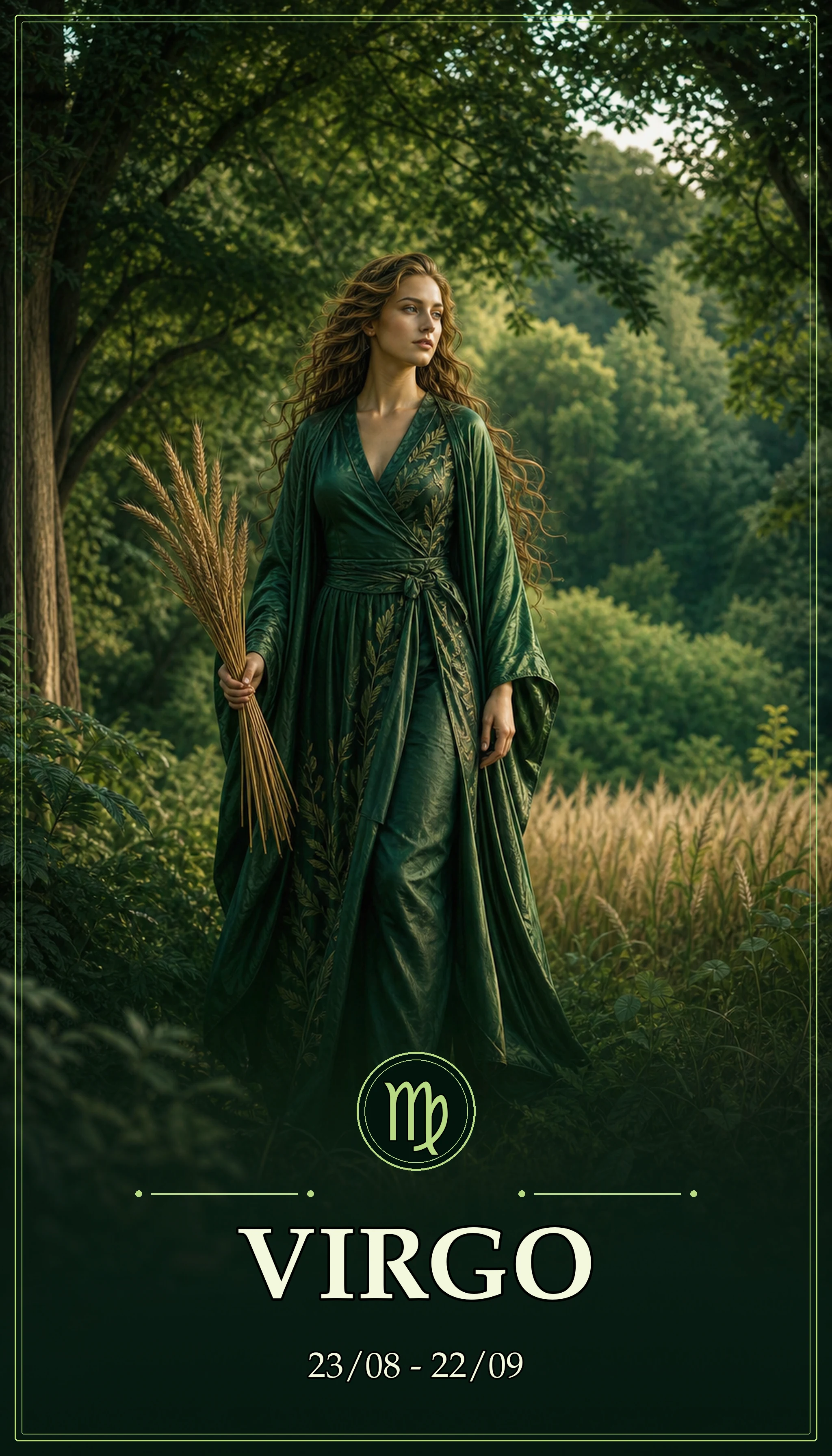
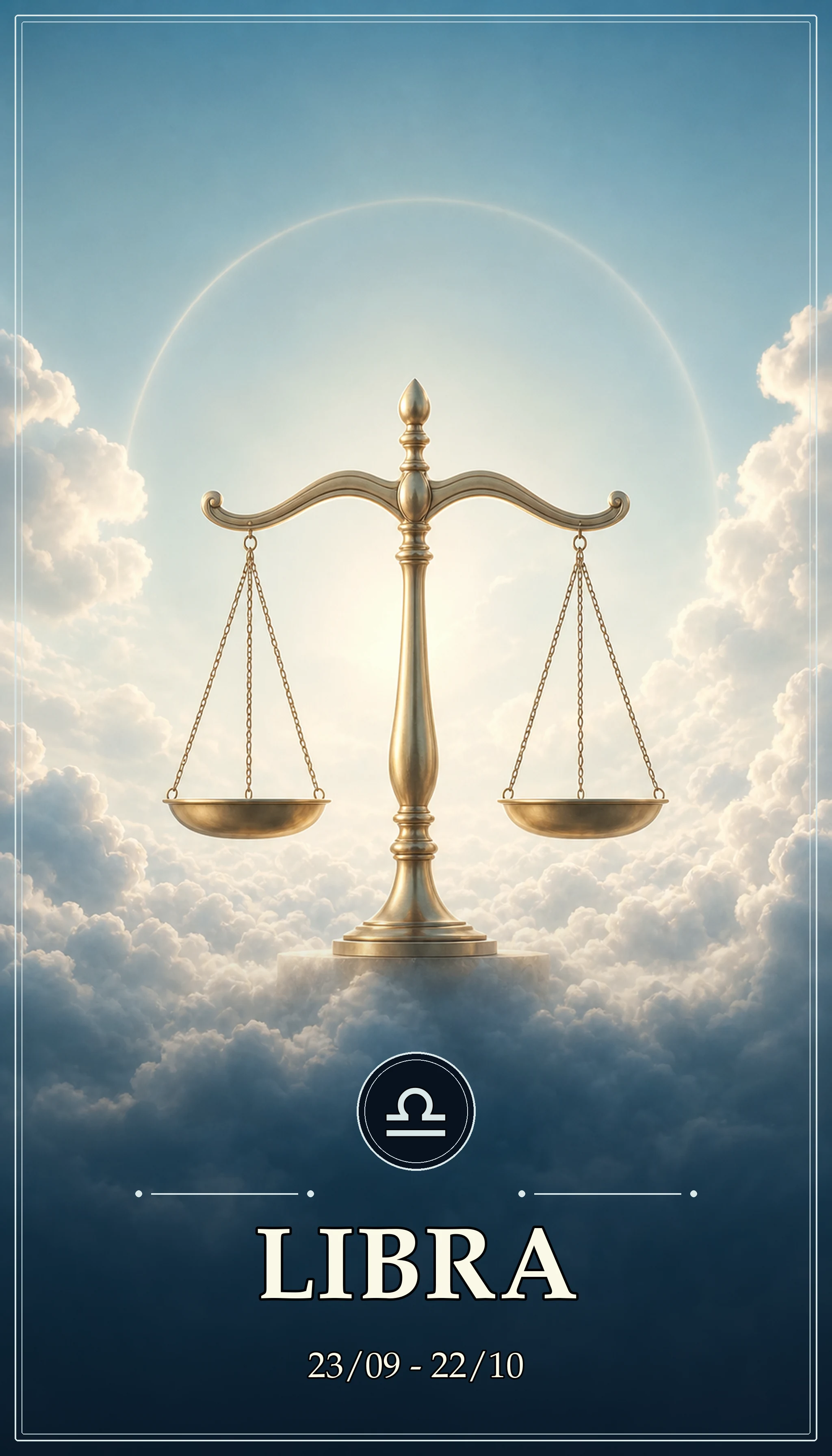
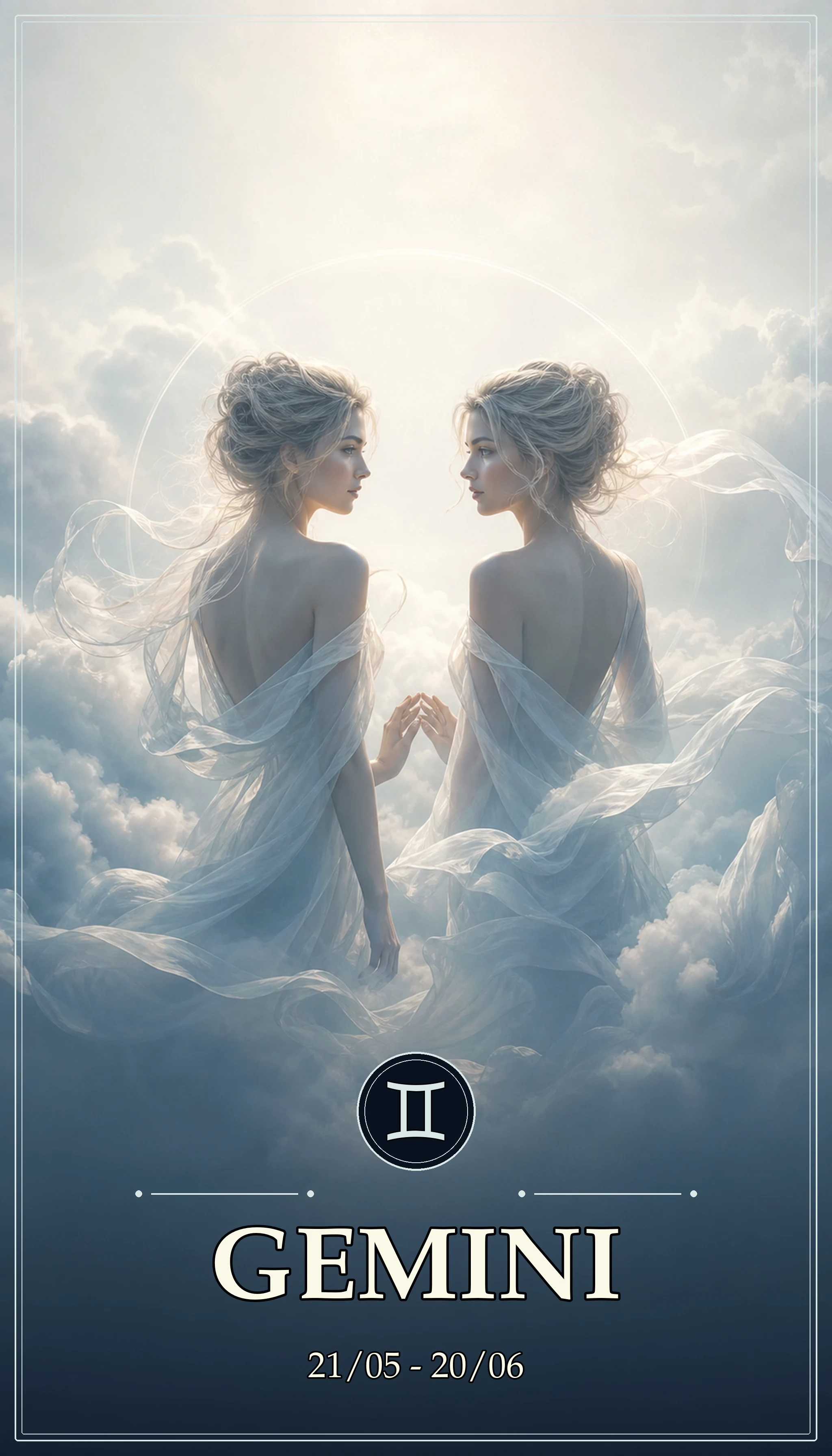
Tayla Parx's chart is framed by Sun in Virgo, Moon in Libra, and Gemini Rising. These three factors give identity and ego, personal dream, play, childhood image, and first impression before the details.

Chart detail:

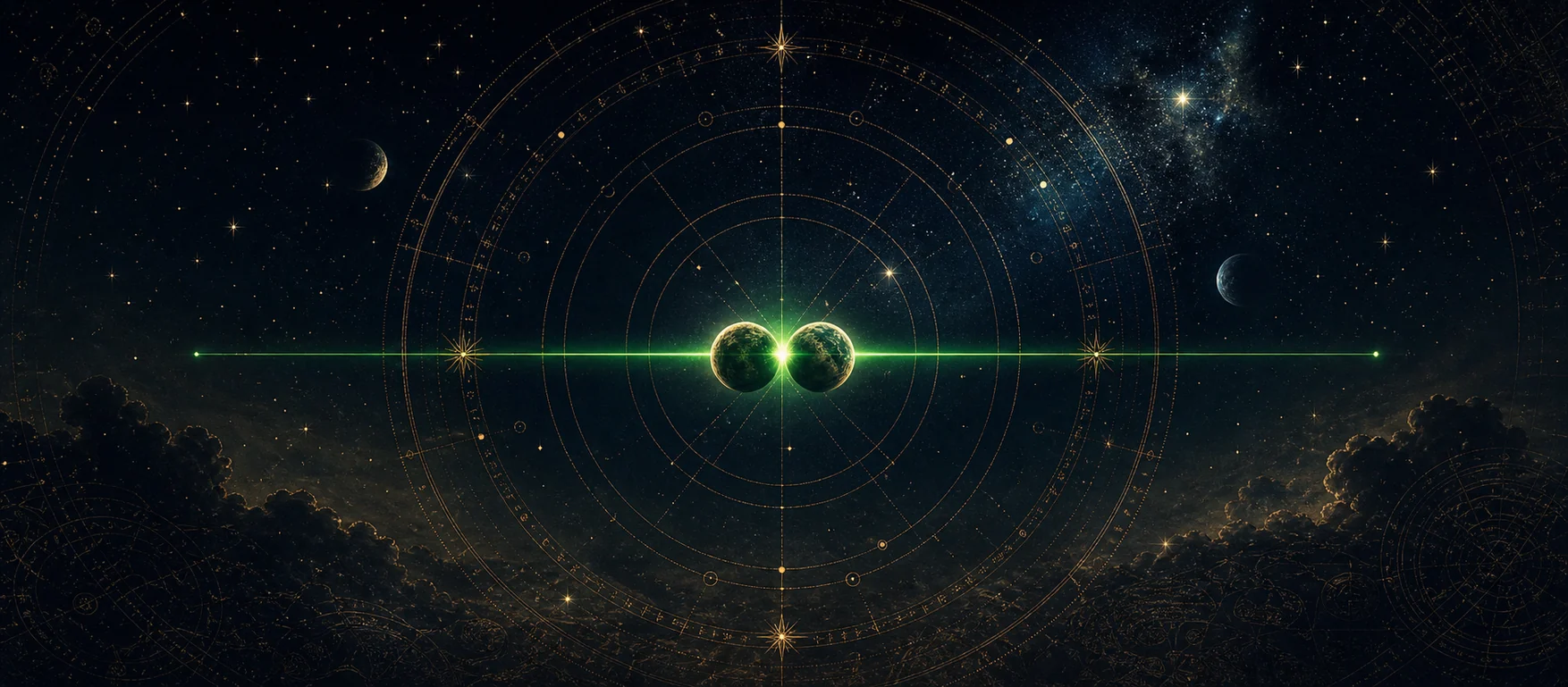
Moon conjunct Mercury (orb 0.3°) gives a central dynamic in this reading. The orb is extremely tight; this aspect is one of the chart's strongest signals.

In plain terms, this aspect makes personal dream, childhood memory, mother image, intellect, and language come out together: thought often speaks from an inner imprint.

Because the birth time is available, houses and angular dominants can be used, with each conclusion tied to a precise chart combination.

Learn the zodiac signs  ·  Learn the planets  ·  Learn the houses  ·  Browse celebrity charts  ·  Calculate your own birth chart

Displayed: 16/09/1993, 23:00 at Dallas, Texas
(96°47' W, 32°46' N, GMT -5.0).

Source: Astro-Databank
RSIIIIIIVVVIVIIVIIIIXMHXIXII7°32'23°17'18°25'18°16'24°58'18°22'23°21'24°37'9°23'9°5'24°17'
Displayed: 16/09/1993, 23:00 at Dallas, Texas
(96°47' W, 32°46' N, GMT -5.0).

Source: Astro-Databank

Sun Virgo
Virgo

Sun in Virgo

Moon Libra
Libra

Moon in Libra

RS Gemini
Gemini

Rising sign in Gemini


Element Sign Degrees Speed House
Sun Virgo 24° 16' 58" 0.976 / day 5
Moon Libra 09° 04' 59" 15.246 / day 5
Mercury Libra 09° 23' 28" 1.598 / day 5
Venus Leo 24° 36' 50" 1.212 / day 4
Mars Libra 23° 21' 18" 0.664 / day 5
Jupiter Libra 18° 22' 24" 0.206 / day 5
Saturn Aquarius 24° 58' 10" R -0.06 / day 10
Uranus Capricorn 18° 16' 22" R -0.008 / day 8
Neptune Capricorn 18° 25' 20" R -0.007 / day 8
Pluto Scorpio 23° 17' 28" 0.024 / day 6
Lilith Aries 07° 31' 42" 0.111 / day 11
RS Gemini 05° 43' 03"
MH Aquarius 16° 51' 07"

Click on a planet

 Log in or create and account to be able to save your own charts (it's free!).


Analysis

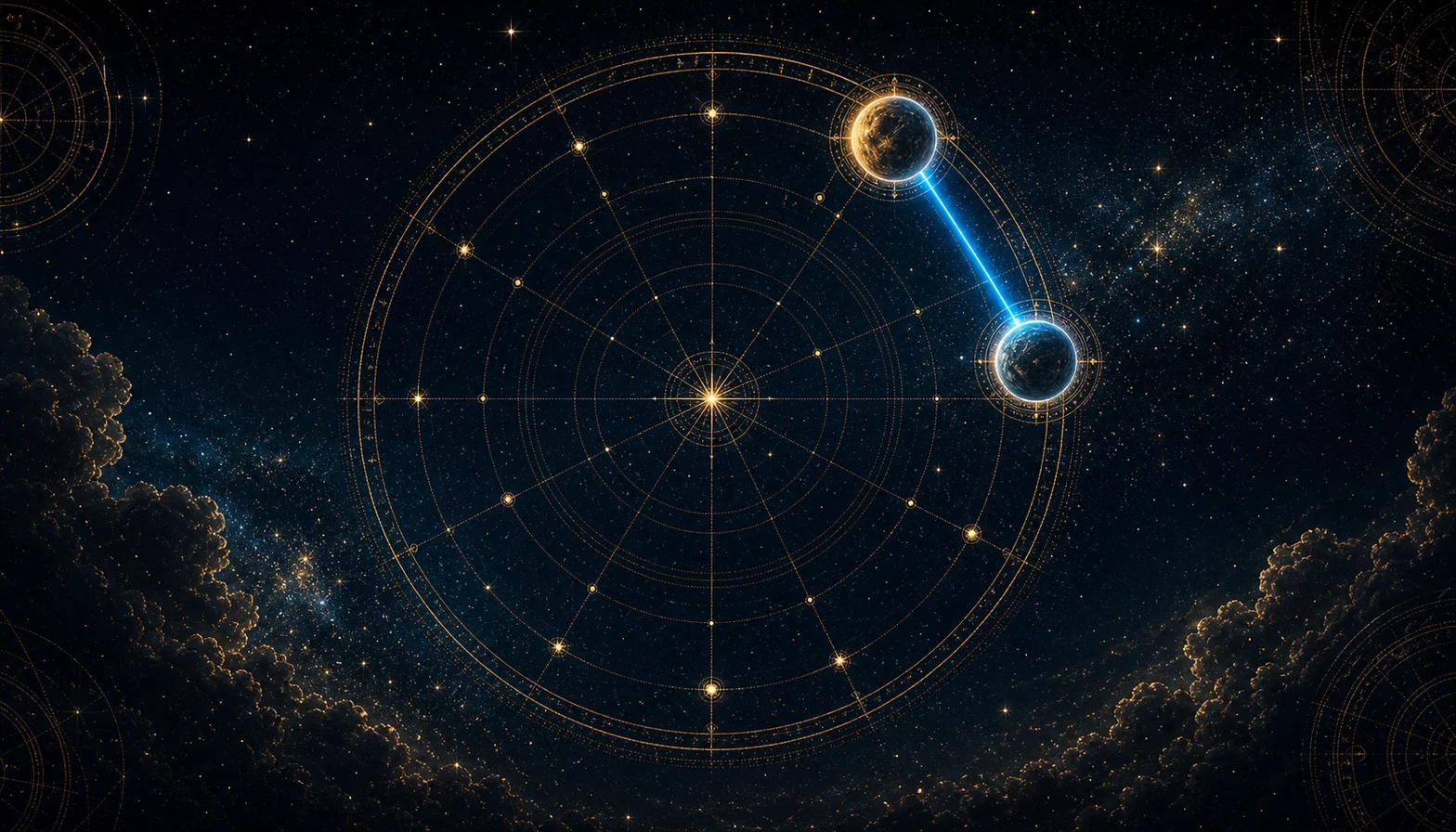
Astrological birth chart geometry with aspect lines
This visual shows the chart geometry before the reading separates the Big Three, planets, houses, and aspects.

How to read this chart

This section gives a concrete reading thread. It highlights the most visible signatures, then the tabs keep each placement separate instead of mixing everything together.

Reading map

Start here: a short reading that shows what hooks, what helps, what pushes back, and where it becomes concrete.

1. Big Three, Personal Essence

Sun in Virgo · Moon in Libra · Gemini Rising

First hook: this is where the chart often becomes recognizable in real life. Sun in Virgo: identity and direction move through precision, method, usefulness, and attention to detail; Moon in Libra: emotional safety looks for relationship, balance, negotiation, and sense of form; Gemini Rising: the first way into situations uses curiosity, language, movement, and mental adaptation. Then read the supports, tensions, and houses to see where this base becomes easy, charged, or visible.

2. Dominants (visible planets)

No clear angular dominant

No planet is close enough to an angle to dominate visibly. Read the Big Three, exact aspects, and important houses instead.

3. Important harmonious aspects

Harmonious circuit: Mars, Venus, and Saturn

This is the easiest door into the chart: it shows what tends to cooperate naturally.

This pattern describes what comes more easily. It shows up mainly through House 4 (home, family, and private life), House 10 (career, status, responsibility, and public role), and House 5 (creativity, romance, play, and personal visibility). It connects Mars (action, anger, desire, and courage), Venus (attraction, pleasure, taste, and relationships), and Saturn (responsibility, limits, effort, and patience).

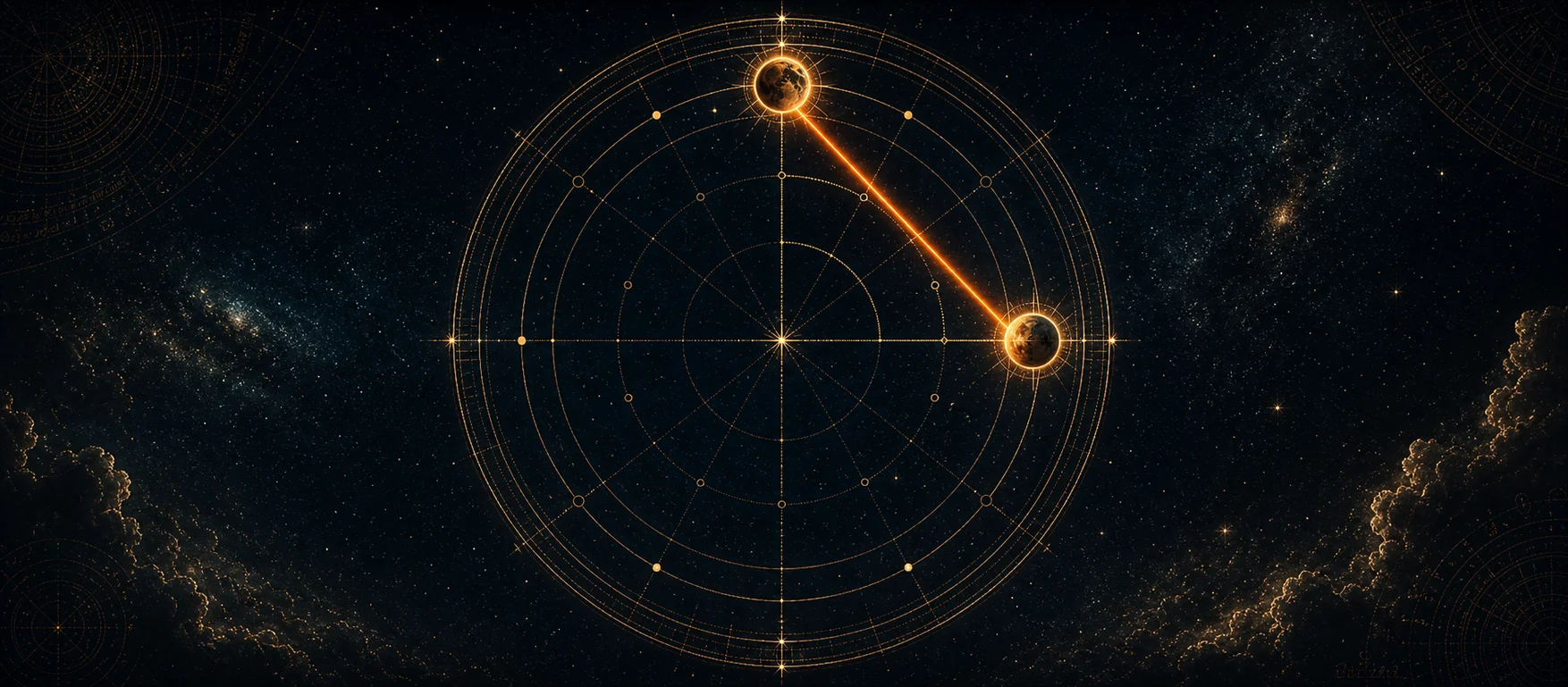
This is the clearest cooperation pattern in the chart: Venus sextile Mars (orb 1.3°) and Mars trine Saturn (orb 1.6°). It shows where functions support each other, recover, or come naturally when used together. Because several planets are connected, the full pattern matters more than one isolated aspect.

  • Harmony Venus sextile Mars (orb 1.3°) Sextile: Venus in Leo in House 4 can cooperate with Mars in Libra in House 5 in the same concrete choice or situation. For this pair, the aspect lets desire and action cooperate when the person engages it.
  • Harmony Mars trine Saturn (orb 1.6°) Trine: Mars in Libra in House 5 can support Saturn in Aquarius in House 10 naturally and positively. For this pair, the aspect gives positive ease between courage and discipline: action becomes more enduring, strategic, and able to hold under pressure.
4. Important tensions

Tension triangle: Venus, Saturn, and Pluto

This is the pressure line to read first: it shows where tension repeats in concrete situations.

This pattern shows where pressure builds fastest. It shows up mainly through House 4 (home, family, and private life), House 10 (career, status, responsibility, and public role), and House 6 (work, routines, health, and daily organization). It connects Venus (attraction, pleasure, taste, and relationships), Saturn (responsibility, limits, effort, and patience), and Pluto (power, crisis, intensity, and deep transformation).

This is the clearest friction pattern in the chart: Venus opposite Saturn (orb 0.4°), Venus square Pluto (orb 1.3°), and Saturn square Pluto (orb 1.7°). It shows where pressure, contradiction, or repeated effort concentrates. Because several planets are connected, the full pattern matters more than one isolated aspect.

  • Tension Venus opposite Saturn (orb 0.4°) Opposition in real life: The house conflict is between House 4 (roots, privacy, and inner foundation) and House 10 (vocation, status, responsibility, and public image); pressure in one field tends to reactivate the other. For this pair, the aspect opposes the desire for connection to reserve, fear of lack, or high standards.
  • Tension Venus square Pluto (orb 1.3°) Square in real life: House 4 (roots, privacy, and inner foundation) is in friction with House 6 (daily work, technique, and bodily discipline); this can create blockage, inhibition, overreaction, or repeated conflict between the two fields. For this pair, the aspect creates compulsive friction around desire, jealousy, possession, sexual power, and the fear of being controlled or devalued: attraction can become a test, a fixation, a power struggle, or a refusal to be vulnerable.
  • Tension Saturn square Pluto (orb 1.7°) Square in real life: House 10 (vocation, status, responsibility, and public image) is in friction with House 6 (daily work, technique, and bodily discipline); this can create blockage, inhibition, overreaction, or repeated conflict between the two fields.
5. Important houses

These houses answer the concrete question: where in life does the chart become visible? Look here for the repeated choices, relationships, work, or crises that make the rest of the chart real.

  • House 5: Sun, Moon, Mercury, Mars, and Jupiter creation, performance, and personal expression.
  • House 4: Venus roots, privacy, and inner foundation.
  • House 10: Saturn vocation, status, responsibility, and public image.


Sun
Sun in Virgo Identity, ego, father figure
Moon
Moon in Libra Dream, inner child, mother figure
Rising sign Gemini
Rising in Gemini First impression, entry style
The three foundations

Start from the three base placements below: the Sun gives identity, ego, and father image; the Moon gives personal dream, play, childhood imprint, mother image, and the inner child; the Rising sign gives first impression, body language, and entry style. Then dominant planets and exact aspects show what carries the most weight.

With no tight angular dominant, very exact aspects and repeated themes carry more weight after these three foundations.

Tayla Parx has Sun in Virgo, in the House 5

How to read this placement

Sun in Virgo in House 5 is one concrete combination: the Sun gives identity, ego, father figure, visibility, and direction, the Virgo style gives precision, method, usefulness, and attention to detail, and House 5 gives the life field: creation, performance, and personal expression.

More about this placement

Concretely, this placement brings identity, ego, father figure, recognition, and personal direction into creation, play, performance, children, and personal risk-taking. House 5 (creation, performance, and personal expression) gives the field; exact aspects show whether the planet is supported, blocked, fused, or contradicted.

With the Sun in Virgo, identity forms through usefulness, precision, improvement, and practical intelligence. The person often needs to understand how things work, correct what is imprecise, and make themselves useful through skill. This placement can give method, discernment, modesty, technical ability, and a strong sense of service. It is not only criticism; it is the need to refine life until it functions better. When tense, the person may become trapped in worry, perfectionism, or the feeling that nothing is ever clean enough.
In the 5th house, the Sun puts identity into creation, love, play, children, pleasure, performance, and the courage to be seen. The person often feels alive when they are making something personal, expressing joy, taking creative risks, or putting their heart into an experience. This is a house of visible ego, but also of generosity and life force. At best, it gives charisma, artistic confidence, warmth, and a strong creative pulse. Under stress, it can become dramatic pride, dependence on applause, or difficulty accepting ordinary moments where nobody is watching.

    Sun sextile Pluto (orb 1.0°) shows active cooperation between the two planets. The orb is extremely tight; this aspect is one of the chart's strongest signals.

    Here, Sun in Virgo in House 5 brings identity, ego, father figure, visibility, and direction into House 5 (creation, performance, and personal expression), with Virgo style (precision, method, usefulness, and attention to detail); Pluto in Scorpio in House 6 brings crisis, power, survival, and regeneration into House 6 (daily work, technique, and bodily discipline), with Scorpio style (intensity, desire, crisis, secrecy, and invisible power).

    Concrete cooperation: identity and Pluto can cooperate when the person turns pressure into clear direction. Father-image layer: ego, personal direction, and the father imprint can cooperate with Pluto.

    Sun trine Neptune (orb 5.9°) shows positive structural ease between the two planets. The orb is moderate; it stays secondary beside tighter signatures.

    Concrete support: this aspect gives positive ease embodying an inspiring or popular image. Father-image layer: ego, personal direction, and the father imprint are supported by Neptune.


Tayla Parx has Moon in Libra, in the House 5

How to read this placement

Moon in Libra in House 5 is one concrete combination: the Moon gives personal dream, play, inner child, childhood imprint, mother figure, mother image, optimism, and inner rhythm, the Libra style gives relationship, balance, negotiation, and sense of form, and House 5 gives the life field: creation, performance, and personal expression.

More about this placement

Concretely, this placement brings personal dream, play instinct, inner child, childhood imprint, mother figure, mother image, optimism, and inner rhythm into creation, play, performance, children, and personal risk-taking. House 5 (creation, performance, and personal expression) gives the field; exact aspects show whether the planet is supported, blocked, fused, or contradicted.

Aspect connected to this placement: Moon conjunct Mercury (orb 0.3°). Aspect effect: makes personal dream, childhood memory, mother image, intellect, and language come out together: thought often speaks from an inner imprint.

With the Moon in Libra, the inner child looks for harmony, fairness, beauty, and relationships where both sides are considered. The personal dream often passes through love, art, form, diplomacy, and the desire to live in a world that feels balanced rather than brutal. This Moon can give tact, charm, mediation, aesthetic sensitivity, and a gift for sensing what is out of proportion in a room. The mother image or childhood imprint may be linked to peacekeeping, elegance, comparison, or the need to be agreeable. Under stress, it can avoid conflict, over-adapt, or wait too long before choosing.
In the 5th house, the Moon brings personal dream, inner child, and childhood imprint into play, romance, creativity, children, performance, and pleasure. The inner child wants joy, delight, and permission to dream out loud. The person may feel most emotionally alive when creating, loving, entertaining, or receiving warm attention. At best, this gives charm, artistic feeling, generosity, and the confidence to follow a personal dream. Under stress, the person may become dramatic, dependent on affection, easily hurt by rejection, or afraid that ordinary life has no magic.

    Moon conjunct Mercury (orb 0.3°) brings the two planets out together. The orb is extremely tight; this aspect is one of the chart's strongest signals.

    Here, both planets pass through the same life area: House 5 (creation, performance, and personal expression), with the same Libra style (relationship, balance, negotiation, and sense of form). Moon in Libra in House 5 brings personal dream, play, inner child, childhood imprint, mother figure, mother image, optimism, and inner rhythm; Mercury in Libra in House 5 brings intellect, language, thought, and technique.

    Concrete effect: this aspect makes personal dream, childhood memory, mother image, intellect, and language come out together: thought often speaks from an inner imprint.

    Moon opposite Lilith (orb 1.6°) puts the two planets face to face, with visible back-and-forth or tension. The orb is very tight; this describes a stable character pattern more than a passing reaction.

    Here, Moon in Libra in House 5 brings personal dream, play, inner child, childhood imprint, mother figure, mother image, optimism, and inner rhythm into House 5 (creation, performance, and personal expression), with Libra style (relationship, balance, negotiation, and sense of form); Lilith in Aries in House 11 brings pure ideal, absolute demand, fascination, and refusal of compromise into House 11 (networks, audience, groups, ideas, ideologies, political beliefs, and collective projects), with Aries style (initiative, speed, confrontation, and direct action).

    Concrete conflict: this aspect opposes personal dream, childhood image, and mother image to ideal demand, fascination, or refusal to depend. The house conflict is between House 5 (creation, performance, and personal expression) and House 11 (networks, audience, groups, ideas, ideologies, political beliefs, and collective projects); pressure in one field tends to reactivate the other.


Tayla Parx has Rising sign in Gemini

How to read this placement

Gemini Rising combines the Rising sign with the sign on the first-house cusp. The Rising sign describes first impression, body language, reflexes, and the way the person enters situations; the Gemini style gives curiosity, language, movement, and mental adaptation.

More about this placement

Concretely, this signature appears through immediate presence: posture, arrival rhythm, spontaneous reaction, and first contact with other people. A planet close to the Rising sign can become louder than the sign itself.

Gemini rising gives a mobile first impression: words, curiosity, quick observation, and visible mental movement. The person often meets situations by asking, speaking, connecting, and changing angle quickly.


Mercury
Mercury Intellect, language, technique
Venus
Venus Desire, taste, attraction
Mars
Mars Action, courage, competition
Jupiter
Jupiter Fulfillment, confidence, horizons

Tayla Parx has Mercury in Libra, in the House 5

How to read this placement

Mercury in Libra in House 5 is one concrete combination: Mercury gives intellect, language, thought, and technique, the Libra style gives relationship, balance, negotiation, and sense of form, and House 5 gives the life field: creation, performance, and personal expression.

More about this placement

Concretely, this placement brings thinking, speech, learning, technique, and mental strategy into creation, play, performance, children, and personal risk-taking. House 5 (creation, performance, and personal expression) gives the field; exact aspects show whether the planet is supported, blocked, fused, or contradicted.

With Mercury in Libra, the intellect compares, weighs, negotiates, and looks for proportion. The person often communicates diplomatically and can understand several sides of a question before choosing a position. This placement can give tact, aesthetic judgment, legal or relational intelligence, and skill in mediation. It is not merely indecisive; it wants the answer to be balanced. Under stress, it can avoid a necessary statement, soften the truth too much, or keep weighing options after the moment has passed.
In the 5th house, Mercury puts intellect into creativity, play, romance, children, performance, and pleasure. The person may express intelligence through storytelling, humor, games, flirting, teaching children, or turning ideas into entertainment. Speech wants to be alive here, not only correct. At best, this gives creative language, theatrical intelligence, playful teaching, and a gift for making ideas enjoyable. Under stress, it can become showing off, dramatic speech, cleverness used for attention, or treating love as a game of words.

    Same aspect, other side: the full reading is under the other planet, and it also applies to Mercury.

    Open the full aspect reading under Moon

    Mercury opposite Lilith (orb 1.9°) puts the two planets face to face, with visible back-and-forth or tension. The orb is very tight; this describes a stable character pattern more than a passing reaction.

    Here, Mercury in Libra in House 5 brings intellect, language, thought, and technique into House 5 (creation, performance, and personal expression), with Libra style (relationship, balance, negotiation, and sense of form); Lilith in Aries in House 11 brings pure ideal, absolute demand, fascination, and refusal of compromise into House 11 (networks, audience, groups, ideas, ideologies, political beliefs, and collective projects), with Aries style (initiative, speed, confrontation, and direct action).

    Concrete conflict: this aspect opposes intellect to ideal demand, obsession, or speech that refuses approximation. The house conflict is between House 5 (creation, performance, and personal expression) and House 11 (networks, audience, groups, ideas, ideologies, political beliefs, and collective projects); pressure in one field tends to reactivate the other.


Tayla Parx has Venus in Leo, in the House 4

How to read this placement

Venus in Leo in House 4 is one concrete combination: Venus gives desire, taste, relationship, and attraction, the Leo style gives presence, pride, creation, and the wish to be seen, and House 4 gives the life field: roots, privacy, and inner foundation.

More about this placement

Concretely, this placement brings desire, taste, attraction, pleasure, and love style into family, home, privacy, roots, and psychological foundation. House 4 (roots, privacy, and inner foundation) gives the field; exact aspects show whether the planet is supported, blocked, fused, or contradicted.

Aspect connected to this placement: Venus opposite Saturn (orb 0.4°). Aspect effect: opposes the desire for connection to reserve, fear of lack, or high standards.

With Venus in Leo, affection wants warmth, visibility, generosity, and a little radiance. The person often loves through attention, praise, loyalty, play, performance, gifts, and the feeling that the relationship is special rather than ordinary. Taste can be theatrical, sunny, luxurious, or personally branded. This placement often has a strong romantic pride. Under stress, it can demand admiration, dramatize disappointment, or take a lack of attention as proof that love is missing.
In the 4th house, Venus puts attraction and pleasure into home, family, roots, private life, memory, and emotional safety. The person may need a beautiful, peaceful, or affectionate private base to feel open to love. Taste often appears in the home, in family rituals, or in the desire to create a soft refuge. At best, this gives warmth, hospitality, loyalty, and the ability to make private life beautiful. Under stress, it can become avoidance of family conflict, attachment to comfort, idealization of the past, or needing the home to stay pleasant at any cost.

    Venus opposite Saturn (orb 0.4°) puts the two planets face to face, with visible back-and-forth or tension. The orb is extremely tight; this aspect is one of the chart's strongest signals.

    Here, Venus in Leo in House 4 brings desire, taste, relationship, and attraction into House 4 (roots, privacy, and inner foundation), with Leo style (presence, pride, creation, and the wish to be seen); Saturn in Aquarius in House 10 brings discipline, constraint, endurance, and mastery into House 10 (vocation, status, responsibility, and public image), with Aquarius style (independence, networks, distance, and collective change).

    Concrete conflict: this aspect opposes the desire for connection to reserve, fear of lack, or high standards. The house conflict is between House 4 (roots, privacy, and inner foundation) and House 10 (vocation, status, responsibility, and public image); pressure in one field tends to reactivate the other.

    Venus sextile Mars (orb 1.3°) shows active cooperation between the two planets. The orb is very tight; this describes a stable character pattern more than a passing reaction.

    Here, Venus in Leo in House 4 brings desire, taste, relationship, and attraction into House 4 (roots, privacy, and inner foundation), with Leo style (presence, pride, creation, and the wish to be seen); Mars in Libra in House 5 brings action, courage, competition, and effort into House 5 (creation, performance, and personal expression), with Libra style (relationship, balance, negotiation, and sense of form).

    Concrete cooperation: desire and action can cooperate when the person engages it.

    Venus square Pluto (orb 1.3°) creates concrete friction between the two planets. The orb is very tight; this describes a stable character pattern more than a passing reaction.

    Here, Venus in Leo in House 4 brings desire, taste, relationship, and attraction into House 4 (roots, privacy, and inner foundation), with Leo style (presence, pride, creation, and the wish to be seen); Pluto in Scorpio in House 6 brings crisis, power, survival, and regeneration into House 6 (daily work, technique, and bodily discipline), with Scorpio style (intensity, desire, crisis, secrecy, and invisible power).

    Concrete friction: this aspect creates compulsive friction around desire, jealousy, possession, sexual power, and the fear of being controlled or devalued: attraction can become a test, a fixation, a power struggle, or a refusal to be vulnerable. House 4 (roots, privacy, and inner foundation) is in friction with House 6 (daily work, technique, and bodily discipline); this can create blockage, inhibition, overreaction, or repeated conflict between the two fields.


Tayla Parx has Mars in Libra, in the House 5

How to read this placement

Mars in Libra in House 5 is one concrete combination: Mars gives action, courage, competition, and effort, the Libra style gives relationship, balance, negotiation, and sense of form, and House 5 gives the life field: creation, performance, and personal expression.

More about this placement

Concretely, this placement brings action, anger, courage, competition, and effort into creation, play, performance, children, and personal risk-taking. House 5 (creation, performance, and personal expression) gives the field; exact aspects show whether the planet is supported, blocked, fused, or contradicted.

Aspect connected to this placement: Mars trine Saturn (orb 1.6°). Aspect effect: gives positive ease between courage and discipline: action becomes more enduring, strategic, and able to hold under pressure.

With Mars in Libra, action moves through comparison, strategy, charm, negotiation, and the presence of other people. The person may fight for fairness, beauty, balance, or social correctness, but conflict is often filtered through relationship. This Mars can be diplomatic, persuasive, elegant, and tactically aware. Under stress, it can hesitate, avoid direct confrontation, become passive-aggressive, or turn every action into a negotiation.
In the 5th house, Mars puts action into creativity, romance, sex appeal, play, children, sport, performance, and competition. The person often wants to create with force, pursue desire openly, and take risks for pleasure or recognition. This placement can make love, art, and games feel alive because there is heat in them. At best, it gives creative courage, athletic play, passion, and bold self-expression. Under stress, it can become dramatic rivalry, risky romance, impatience with children or audiences, or needing excitement to feel alive.

    Mars trine Saturn (orb 1.6°) shows positive structural ease between the two planets. The orb is very tight; this describes a stable character pattern more than a passing reaction.

    Here, Mars in Libra in House 5 brings action, courage, competition, and effort into House 5 (creation, performance, and personal expression), with Libra style (relationship, balance, negotiation, and sense of form); Saturn in Aquarius in House 10 brings discipline, constraint, endurance, and mastery into House 10 (vocation, status, responsibility, and public image), with Aquarius style (independence, networks, distance, and collective change).

    Concrete support: this aspect gives positive ease between courage and discipline: action becomes more enduring, strategic, and able to hold under pressure.

    Same aspect, other side: the full reading is under the other planet, and it also applies to Mars.

    Open the full aspect reading under Venus

    Mars conjunct Jupiter (orb 5°) brings the two planets out together. The orb is moderate; it stays secondary beside tighter signatures.

    Here, both planets pass through the same life area: House 5 (creation, performance, and personal expression), with the same Libra style (relationship, balance, negotiation, and sense of form). Mars in Libra in House 5 brings action, courage, competition, and effort; Jupiter in Libra in House 5 brings personal fulfillment, confidence, encouragement, and broader horizons.

    Concrete effect: this aspect brings action, courage, confidence, competition, and the wish to widen life together.

    Mars square Neptune (orb 4.9°) creates concrete friction between the two planets. The orb is moderate; it stays secondary beside tighter signatures.

    Concrete friction: this aspect creates tension between action, the wish to act, image, vagueness, ideal, and scattered energy. House 5 (creation, performance, and personal expression) is in friction with House 8 (sexuality, shared power, crisis, and invisible bonds); this can create blockage, inhibition, overreaction, or repeated conflict between the two fields.

    Mars square Uranus (orb 5.1°) creates concrete friction between the two planets. The orb is moderate; it stays secondary beside tighter signatures.

    Concrete friction: this aspect creates explosive tension between impulse, anger, speed, and independence. House 5 (creation, performance, and personal expression) is in friction with House 8 (sexuality, shared power, crisis, and invisible bonds); this can create blockage, inhibition, overreaction, or repeated conflict between the two fields.


Tayla Parx has Jupiter in Libra, in the House 5

How to read this placement

Jupiter in Libra in House 5 is one concrete combination: Jupiter gives personal fulfillment, confidence, encouragement, and broader horizons, the Libra style gives relationship, balance, negotiation, and sense of form, and House 5 gives the life field: creation, performance, and personal expression.

More about this placement

Concretely, this placement brings personal fulfillment, confidence, and opening of horizons into creation, play, performance, children, and personal risk-taking. House 5 (creation, performance, and personal expression) gives the field; exact aspects show whether the planet is supported, blocked, fused, or contradicted.

Aspect connected to this placement: Jupiter square Neptune (orb 0.1°). Aspect effect: creates tension between confidence, promise, ideal, image, and vagueness: Jupiter pushes toward a wider personal horizon, while Neptune can make the direction too blurred or fantasized.

With Jupiter in Libra, the person finds fulfillment through relationship, beauty, fairness, social grace, and the art of bringing people together. They often become more confident when harmony, dialogue, style, or partnership opens the situation. This Jupiter can give charm, diplomacy, aesthetic generosity, and talent for making a room feel more civilized. Under stress, it can become dependent on approval, indecisive, conflict-avoidant, or too eager to please.
With Jupiter in the 5th house, the person finds fulfillment through creativity, romance, children, play, performance, and pleasure. This placement wants more than entertainment: it wants the heart to open through creation, joy, love, and the courage to be expressive. At best, it gives creative optimism, warmth with children, romantic enthusiasm, and the ability to inspire others through pleasure. Under stress, it can become dramatic excess, gambling with affection or money, overindulgence, or chasing excitement as if ordinary life were not enough.

    Jupiter square Neptune (orb 0.1°) creates concrete friction between the two planets. The orb is extremely tight; this aspect is one of the chart's strongest signals.

    Here, Jupiter in Libra in House 5 brings personal fulfillment, confidence, encouragement, and broader horizons into House 5 (creation, performance, and personal expression), with Libra style (relationship, balance, negotiation, and sense of form); Neptune in Capricorn in House 8 brings imagination, image, popularity, collective moods, and inspiration into House 8 (sexuality, shared power, crisis, and invisible bonds), with Capricorn style (structure, ambition, responsibility, and long construction).

    Concrete friction: this aspect creates tension between confidence, promise, ideal, image, and vagueness: Jupiter pushes toward a wider personal horizon, while Neptune can make the direction too blurred or fantasized. House 5 (creation, performance, and personal expression) is in friction with House 8 (sexuality, shared power, crisis, and invisible bonds); this can create blockage, inhibition, overreaction, or repeated conflict between the two fields.

    Jupiter square Uranus (orb 0.1°) creates concrete friction between the two planets. The orb is extremely tight; this aspect is one of the chart's strongest signals.

    Here, Jupiter in Libra in House 5 brings personal fulfillment, confidence, encouragement, and broader horizons into House 5 (creation, performance, and personal expression), with Libra style (relationship, balance, negotiation, and sense of form); Uranus in Capricorn in House 8 brings disruption, independence, and change into House 8 (sexuality, shared power, crisis, and invisible bonds), with Capricorn style (structure, ambition, responsibility, and long construction).

    Concrete friction: this aspect creates tension between confidence, excess, impatience for freedom, and refusal of limits. House 5 (creation, performance, and personal expression) is in friction with House 8 (sexuality, shared power, crisis, and invisible bonds); this can create blockage, inhibition, overreaction, or repeated conflict between the two fields.

    Same aspect, other side: the full reading is under the other planet, and it also applies to Jupiter.

    Open the full aspect reading under Mars


Saturn
Saturn Discipline, limits, structure
Uranus
Uranus Freedom, rupture, invention
Neptune
Neptune Image, popularity, inspiration
Pluto
Pluto Crisis, power, regeneration
Lilith
Lilith Ideal, fascination, refusal

Tayla Parx has Saturn in Aquarius, in the House 10

How to read this placement

Saturn in Aquarius in House 10 is one concrete combination: Saturn gives discipline, constraint, endurance, and mastery, the Aquarius style gives independence, networks, distance, and collective change, and House 10 gives the life field: vocation, status, responsibility, and public image.

More about this placement

Concretely, this placement brings discipline, limits, duty, fear, and long construction into career, reputation, status, visible responsibility, and social role. House 10 (vocation, status, responsibility, and public image) gives the field; exact aspects show whether the planet is supported, blocked, fused, or contradicted.
With Saturn in Aquarius, discipline is applied to groups, systems, friendship, reform, and the future. The person may care less about fitting in than about building a coherent structure for collective life. This can give principled independence, technical seriousness, and the ability to organize ideas, networks, or causes over time. Under stress, it can become social distance, ideological rigidity, or the feeling of being responsible for a group while remaining emotionally separate from it.
In the 10th house, Saturn puts discipline, responsibility, status, and long-term effort into career, reputation, public role, and authority. The person may be perceived through seriousness, ambition, competence, caution, or the weight of responsibility. At best, this gives public credibility, endurance, leadership by structure, and success built over time. Under stress, it can become fear of failure, excessive concern with reputation, harsh ambition, isolation at the top, or feeling valued only for performance.

    Same aspect, other side: the full reading is under the other planet, and it also applies to Saturn.

    Open the full aspect reading under Venus

    Same aspect, other side: the full reading is under the other planet, and it also applies to Saturn.

    Open the full aspect reading under Mars

    Saturn square Pluto (orb 1.7°) creates concrete friction between the two planets. The orb is very tight; this describes a stable character pattern more than a passing reaction.

    Here, Saturn in Aquarius in House 10 brings discipline, constraint, endurance, and mastery into House 10 (vocation, status, responsibility, and public image), with Aquarius style (independence, networks, distance, and collective change); Pluto in Scorpio in House 6 brings crisis, power, survival, and regeneration into House 6 (daily work, technique, and bodily discipline), with Scorpio style (intensity, desire, crisis, secrecy, and invisible power).

    Concrete friction: this aspect creates friction between Saturn (discipline, constraint, endurance, and mastery) and Pluto's crisis instinct: pressure can become domination, fear, or destructive escalation unless it receives a clear outlet. House 10 (vocation, status, responsibility, and public image) is in friction with House 6 (daily work, technique, and bodily discipline); this can create blockage, inhibition, overreaction, or repeated conflict between the two fields.


Tayla Parx has Uranus in Capricorn, in the House 8

How to read this placement

Uranus in Capricorn in House 8 is one concrete combination: Uranus gives disruption, independence, and change, the Capricorn style gives structure, ambition, responsibility, and long construction, and House 8 gives the life field: sexuality, shared power, crisis, and invisible bonds.

More about this placement

Concretely, this placement brings freedom, disruption, broken rhythms, and the need for independence into sexuality, shared money, crises, dependencies, and power dynamics. House 8 (sexuality, shared power, crisis, and invisible bonds) gives the field; exact aspects show whether the planet is supported, blocked, fused, or contradicted.

With Uranus in Capricorn, independence expresses itself through career, hierarchy, institutions, authority, and public structure. The person may challenge old systems from inside the system, or build a professional path that does not follow the expected ladder. This placement can give strategic reform, practical innovation, and the ability to modernize rigid organizations. Under stress, it can bring sudden career breaks, conflict with authority, or a cold need to overturn structures before knowing what replaces them.
In the 8th house, Uranus puts rupture and experimentation into intimacy, sexuality, shared resources, crisis, trust, and invisible power. The person may question inherited taboos and need freedom inside deep bonds rather than control or fusion. At best, this gives psychological originality, sexual honesty, crisis intelligence, and the ability to transform shared situations through sudden insight. Under stress, it can become unstable intimacy, risky financial entanglements, fear of dependence, shock around trust, or abrupt breaks when vulnerability feels too controlled.


Tayla Parx has Neptune in Capricorn, in the House 8

How to read this placement

Neptune in Capricorn in House 8 is one concrete combination: Neptune gives imagination, image, popularity, collective moods, and inspiration, the Capricorn style gives structure, ambition, responsibility, and long construction, and House 8 gives the life field: sexuality, shared power, crisis, and invisible bonds.

More about this placement

Concretely, this placement brings imagination, image, popularity, and the ability to read collective currents into sexuality, shared money, crises, dependencies, and power dynamics. House 8 (sexuality, shared power, crisis, and invisible bonds) gives the field; exact aspects show whether the planet is supported, blocked, fused, or contradicted.

With Neptune in Capricorn, the dream function takes the color of authority, career, status, institutions, rules, and long-term ambition. The person may sense collective moods through the image of success, the myth of the leader, or the desire to give a dream a concrete structure. This placement can give strategic imagination, public mystique, and the ability to make institutions carry symbolic power. Under stress, it can idealize authority, blur ethical lines around ambition, or make achievement feel like salvation.
In the 8th house, Neptune puts sensitivity and fog into intimacy, sexuality, shared resources, trust, crisis, and invisible power. The person may long for deep fusion, spiritual sexuality, or compassion inside intense bonds. At best, this gives intuitive depth, healing intimacy, sexual imagination, and the ability to feel the invisible currents in shared life. Under stress, it can become blurred consent, financial confusion with others, manipulation through pity, intoxication with crisis, or difficulty seeing where one's desire ends and another person's begins.


Tayla Parx has Pluto in Scorpio, in the House 6

How to read this placement

Pluto in Scorpio in House 6 is one concrete combination: Pluto gives crisis, power, survival, and regeneration, the Scorpio style gives intensity, desire, crisis, secrecy, and invisible power, and House 6 gives the life field: daily work, technique, and bodily discipline.

More about this placement

Concretely, this placement brings crisis, power, sexuality, survival, and transformation into daily work, technical gestures, habits, and bodily discipline. House 6 (daily work, technique, and bodily discipline) gives the field; exact aspects show whether the planet is supported, blocked, fused, or contradicted.

With Pluto in Scorpio, power concentrates around sexuality, death, crisis, shared resources, secrets, instinct, and deep emotional bonds. The person may be drawn to what is intense, forbidden, dangerous, or psychologically revealing. This placement can give extraordinary regenerative force, survival instinct, and the ability to face truths other people avoid. Under stress, it can become obsession, control, jealousy, manipulation, or an inability to leave a crisis before it consumes everything.
In the 6th house, Pluto puts control, crisis, and regeneration into work, service, health, routine, tools, and daily systems. The person may see what is toxic, inefficient, or hidden in ordinary life and may feel driven to purge, repair, or master it. At best, this gives diagnostic power, intense work ethic, crisis competence, and the ability to rebuild daily systems after pressure. Under stress, it can become work obsession, control over colleagues, health anxiety, compulsive routines, or turning every practical problem into a battle for power.


Tayla Parx has Lilith in Aries, in the House 11

How to read this placement

Lilith in Aries in House 11 is one concrete combination: Lilith gives pure ideal, absolute demand, fascination, and refusal of compromise, the Aries style gives initiative, speed, confrontation, and direct action, and House 11 gives the life field: networks, audience, groups, ideas, ideologies, political beliefs, and collective projects.

More about this placement

Concretely, this placement brings the pure ideal, absolute demand, desire, fascination, and what refuses to become ordinary into networks, audiences, friends, groups, ideas, ideologies, political beliefs, and collective projects. House 11 (networks, audience, groups, ideas, ideologies, political beliefs, and collective projects) gives the field; exact aspects show whether the planet is supported, blocked, fused, or contradicted.

With Black Moon Lilith in Aries, the non-negotiable point concerns action, courage, desire, and the right to exist without asking permission. The person may reject weakness, passivity, or any situation where their instinct has to be softened too much. This placement can give fierce autonomy, raw courage, and a refusal to let fear decide. Under stress, it can become rage, impatience, provocative independence, or a need to prove strength even when no battle is necessary.
In the 11th house, Black Moon Lilith puts uncompromising desire into friends, networks, audiences, movements, ideas, ideologies, political beliefs, and collective projects. The person may refuse group belonging if it requires false agreement and may be drawn to groups that carry taboo, rebellion, or radical honesty. At best, this gives fierce collective integrity, magnetic audience connection, and courage to challenge social hypocrisy. Under stress, it can become ideological absolutism, social exile, conflict with groups, or refusing allies because no collective feels pure enough.