Logo

Birth chart of Siegfried Oberndorfer

Siegfried Oberndorfer birth chart is shown with zodiac signs, planetary houses, and aspects so it can be read as a complete astrological structure rather than a single Sun sign.

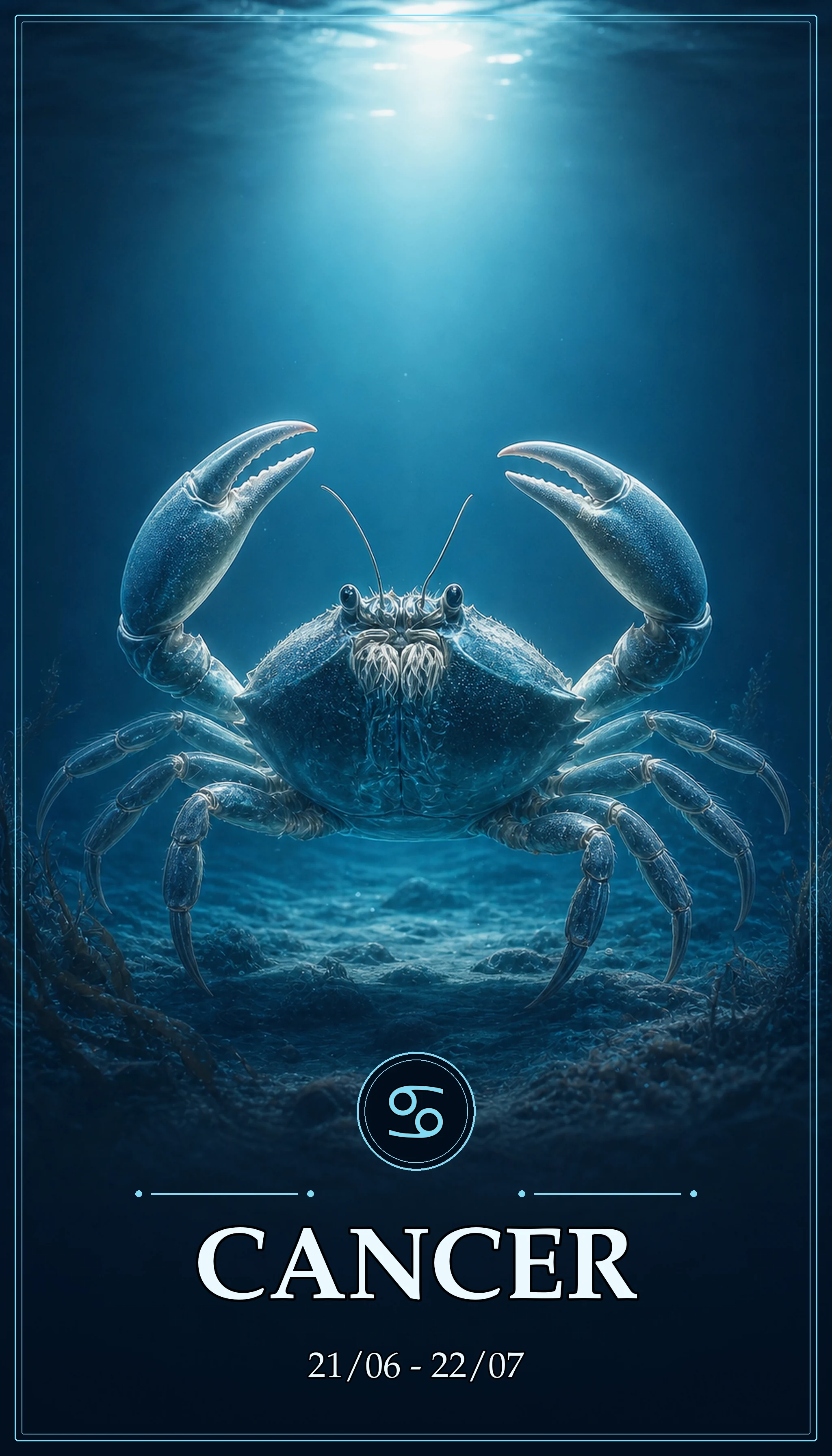
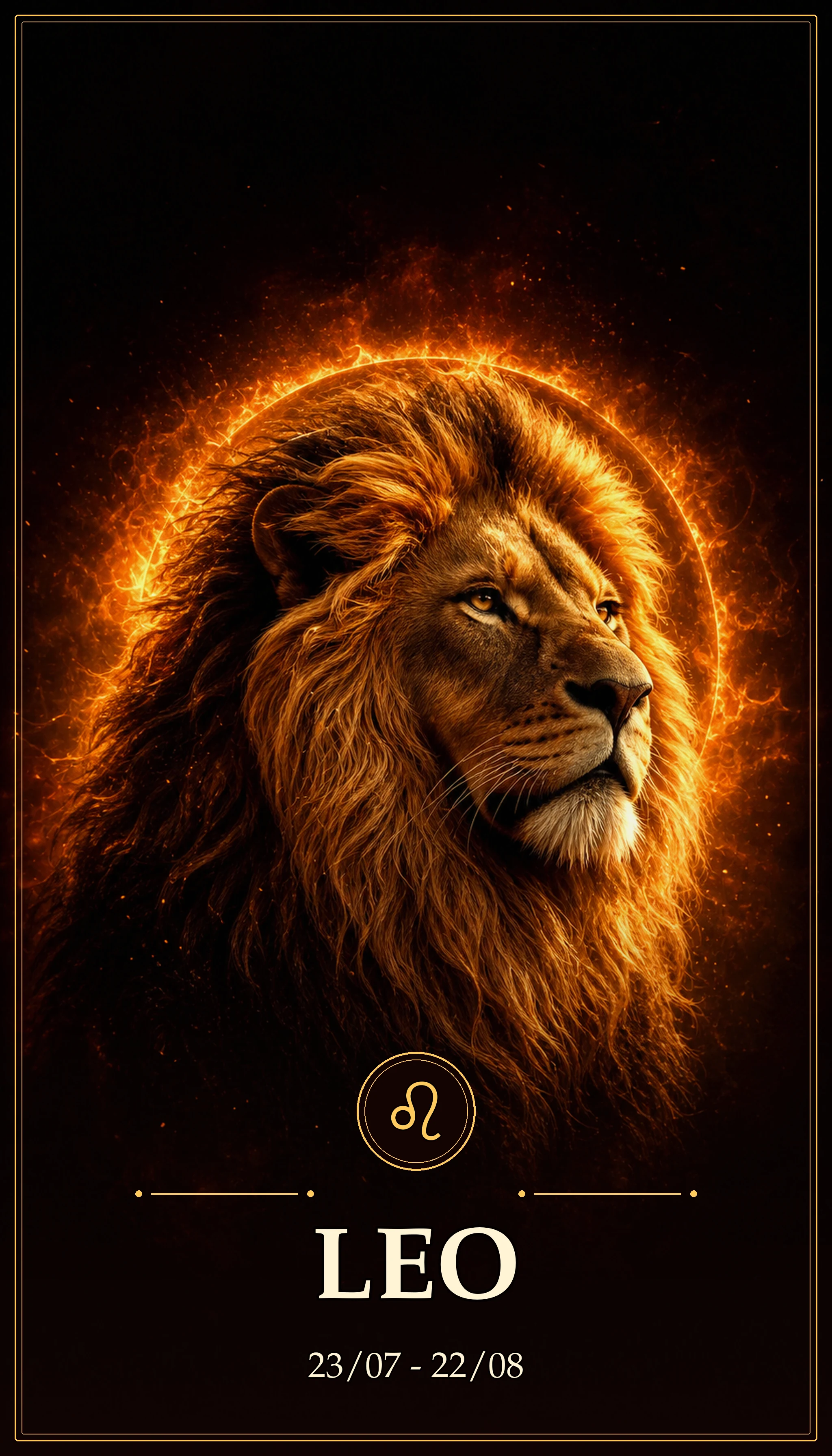
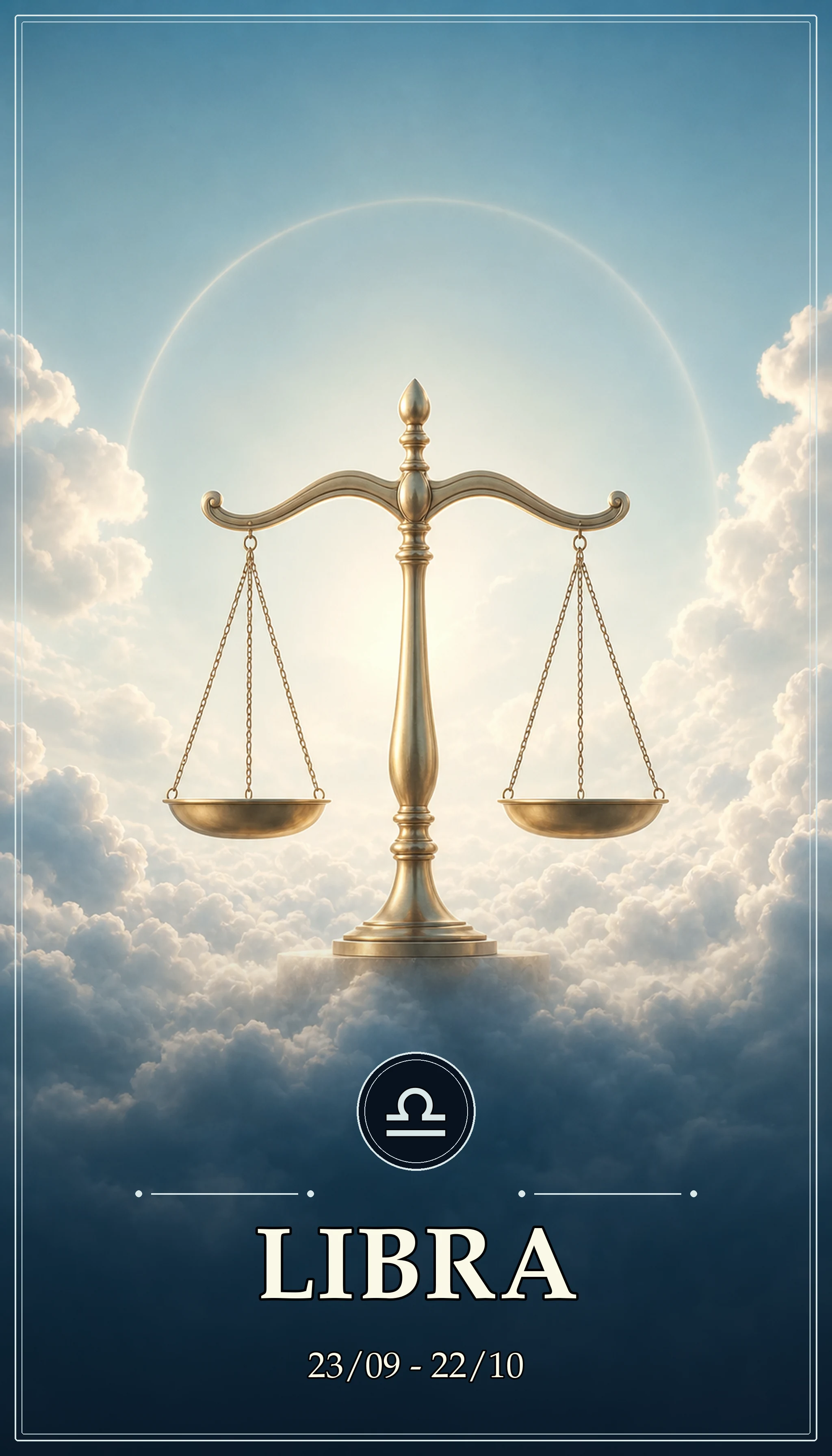
Siegfried Oberndorfer's chart is framed by Sun in Cancer, Moon in Leo, and Libra Rising. These three factors give identity and ego, personal dream, play, childhood image, and first impression before the details.

Chart detail:

Jupiter opposite Pluto (orb 0.9°) gives a central dynamic in this reading. The orb is extremely tight; this aspect is one of the chart's strongest signals.

In plain terms, this aspect puts Jupiter (personal fulfillment, confidence, encouragement, and broader horizons) opposite Pluto: there is a clear conflict between Jupiter and pressure, control, crisis, or hidden power.

  • Sun in Cancer , in House 9
  • Moon in Leo , in House 10
  • Rising sign in Libra

Because the birth time is available, houses and angular dominants can be used, with each conclusion tied to a precise chart combination.

Learn the zodiac signs  ·  Learn the planets  ·  Learn the houses  ·  Browse celebrity charts  ·  Calculate your own birth chart

Displayed: 24/06/1876, 14:30 at Munich, Germany
(11°33' E, 48°07' N, GMT 0.771111111111111).

Source: Astro-Databank
RSIIIIIIVVVIVIIVIIIIXMHXIXII7°26'23°60'4°48'17°30'8°3'23°3'18°54'0°22'21°23'10°49'3°18'
Displayed: 24/06/1876, 14:30 at Munich, Germany
(11°33' E, 48°07' N, GMT 0.771111111111111).

Source: Astro-Databank

Sun Cancer
Cancer

Sun in Cancer

Moon Leo
Leo

Moon in Leo

RS Libra
Libra

Rising sign in Libra


Element Sign Degrees Speed House
Sun Cancer 03° 18' 26" 0.953 / day 9
Moon Leo 10° 48' 50" 14.775 / day 10
Mercury Gemini 21° 23' 09" R -0.233 / day 8
Venus Leo 00° 22' 16" R -0.063 / day 9
Mars Cancer 18° 54' 16" 0.645 / day 9
Jupiter Scorpio 23° 02' 46" R -0.072 / day 1
Saturn Pisces 08° 03' 10" R -0.01 / day 4
Uranus Leo 17° 29' 37" 0.048 / day 10
Neptune Taurus 04° 47' 44" 0.022 / day 7
Pluto Taurus 23° 59' 42" 0.018 / day 7
Lilith Capricorn 07° 25' 42" 0.112 / day 3
RS Libra 29° 40' 12"
MH Leo 08° 07' 46"

Click on a planet

 Log in or create and account to be able to save your own charts (it's free!).


Analysis

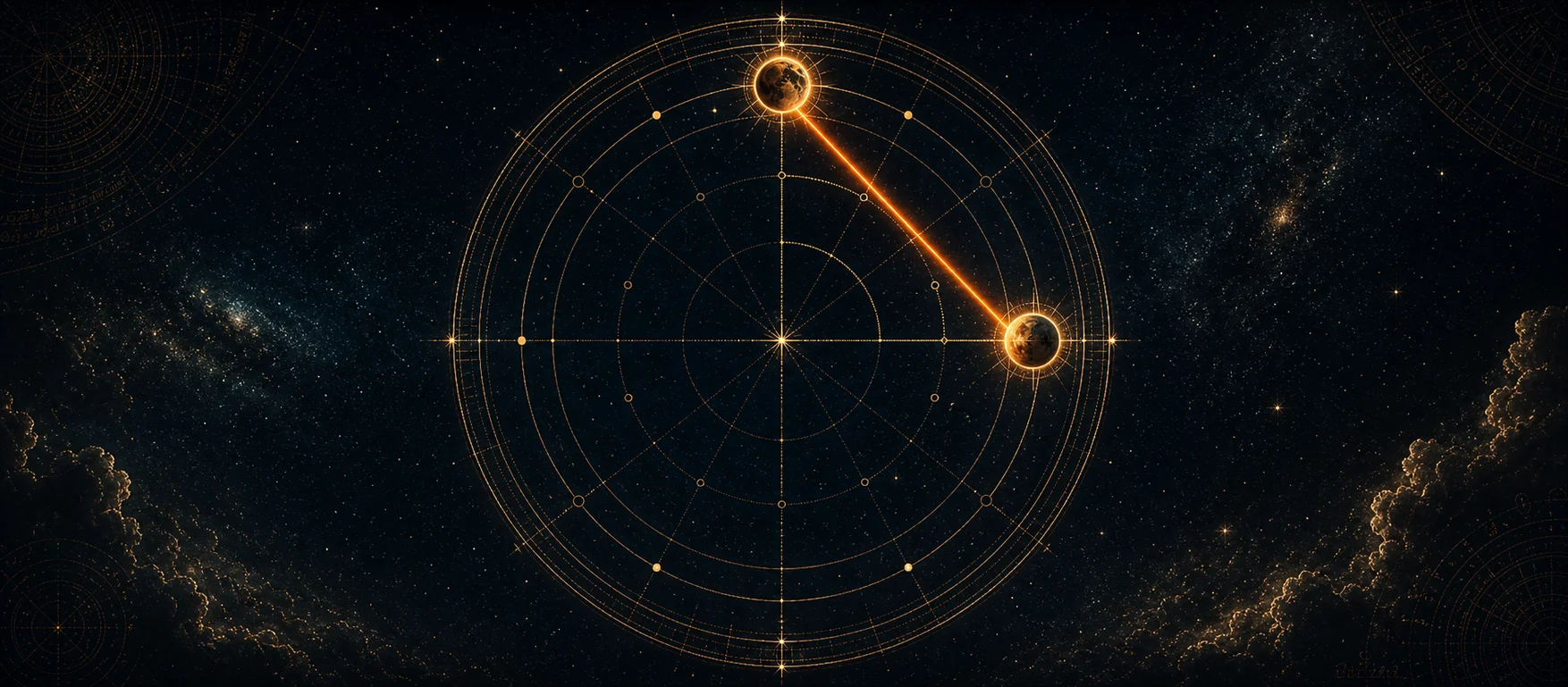
Astrological birth chart geometry with aspect lines
This visual shows the chart geometry before the reading separates the Big Three, planets, houses, and aspects.

How to read this chart

This section gives a concrete reading thread. It highlights the most visible signatures, then the tabs keep each placement separate instead of mixing everything together.

Reading map

Start here: a short reading that shows what hooks, what helps, what pushes back, and where it becomes concrete.

1. Big Three, Personal Essence

Sun in Cancer · Moon in Leo · Libra Rising

First hook: this is where the chart often becomes recognizable in real life. Sun in Cancer: identity and direction move through memory, protection, belonging, and family sensitivity; Moon in Leo: emotional safety looks for presence, pride, creation, and the wish to be seen; Libra Rising: the first way into situations uses relationship, balance, negotiation, and sense of form. Then read the supports, tensions, and houses to see where this base becomes easy, charged, or visible.

2. Dominants (visible planets)

Visible planets: Moon and Neptune

Dominants are planets close to the Rising sign, Midheaven, Descendant, or IC. They describe what becomes visible quickly: presence, public role, direct relationship style, or private climate. Every angular dominant found within the orb is listed below.

  • Visible Moon near the Midheaven (orb 2.7°) The Moon is close to an angle: its signature shows more easily through social role, reputation, career, and public image. Here, that highlights personal dream, play, inner child, childhood imprint, mother figure, mother image, optimism, and inner rhythm. It matters most when it repeats in choices, relationships, or visible role.
  • Visible Neptune near the Descendant (orb 5.1°) Neptune is close to an angle: its signature shows more easily through direct relationships, partners, opponents, and the way others are met. Here, that highlights imagination, image, popularity, collective moods, and inspiration. It matters most when it repeats in choices, relationships, or visible role.
3. Important harmonious aspects

Harmonious triangle: Neptune, Sun, and Saturn

This is the easiest door into the chart: it shows what tends to cooperate naturally.

This pattern describes what comes more easily. It shows up mainly through House 9 (beliefs, studies, travel, and worldview), House 4 (home, family, and private life), and House 7 (partners, contracts, and direct encounters with others). It connects Neptune (dreams, ideals, imagination, and confusion), Sun (identity, confidence, and direction), and Saturn (responsibility, limits, effort, and patience).

This is the clearest cooperation pattern in the chart: Sun sextile Neptune (orb 1.5°), Saturn sextile Neptune (orb 3.3°), and Sun trine Saturn (orb 4.8°). It shows where functions support each other, recover, or come naturally when used together. Because several planets are connected, the full pattern matters more than one isolated aspect.

  • Harmony Sun sextile Neptune (orb 1.5°) Sextile: Sun in Cancer in House 9 can cooperate with Neptune in Taurus in House 7 in the same concrete choice or situation. For this pair, the aspect lets identity and collective imagination cooperate when the person uses both sides together. Father-image layer: ego, personal direction, and the father imprint can cooperate with Neptune.
  • Harmony Saturn sextile Neptune (orb 3.3°) Sextile: Saturn in Pisces in House 4 can cooperate with Neptune in Taurus in House 7 in the same concrete choice or situation. For this pair, the aspect lets structure and imagination cooperate when the dream receives a method.
  • Harmony Sun trine Saturn (orb 4.8°) Trine: Sun in Cancer in House 9 can support Saturn in Pisces in House 4 naturally and positively. For this pair, the aspect gives positive ease building identity, confidence, and the father-image field through seriousness and endurance. Father-image layer: ego, personal direction, and the father imprint are supported by Saturn.
4. Important tensions

Tension link: Jupiter and Pluto

This is the pressure line to read first: it shows where tension repeats in concrete situations.

This pattern shows where pressure builds fastest. It shows up mainly through House 1 (body, presence, and first reactions) and House 7 (partners, contracts, and direct encounters with others). It connects Jupiter (growth, faith, luck, and confidence in the future) and Pluto (power, crisis, intensity, and deep transformation).

This is the clearest friction pattern in the chart: Jupiter opposite Pluto (orb 0.9°). It shows where pressure, contradiction, or repeated effort concentrates. No wider group outranks this link, so read it as a strong but isolated signal.

  • Tension Jupiter opposite Pluto (orb 0.9°) Opposition in real life: The house conflict is between House 1 (presence, body, and the way experience is entered) and House 7 (relationship, confrontation, and the mirror of others); pressure in one field tends to reactivate the other.
5. Important houses

These houses answer the concrete question: where in life does the chart become visible? Look here for the repeated choices, relationships, work, or crises that make the rest of the chart real.

  • House 9: Sun, Venus, and Mars vision, belief, study, and wider horizons.
  • House 10: Moon and Uranus vocation, status, responsibility, and public image.
  • House 7: Neptune and Pluto relationship, confrontation, and the mirror of others.


Sun
Sun in Cancer Identity, ego, father figure
Moon
Moon in Leo Dream, inner child, mother figure
Rising sign Libra
Rising in Libra First impression, entry style
The three foundations

Start from the three base placements below: the Sun gives identity, ego, and father image; the Moon gives personal dream, play, childhood imprint, mother image, and the inner child; the Rising sign gives first impression, body language, and entry style. Then dominant planets and exact aspects show what carries the most weight.

Dominant layer: Moon near the Midheaven (orb 2.7°) is close enough to an angle to color what other people perceive. Moon (personal dream, play, inner child, childhood imprint, mother figure, mother image, optimism, and inner rhythm) is most visible through social role, reputation, career, and public image.

Siegfried Oberndorfer has Sun in Cancer, in the House 9

How to read this placement

Sun in Cancer in House 9 is one concrete combination: the Sun gives identity, ego, father figure, visibility, and direction, the Cancer style gives memory, protection, belonging, and family sensitivity, and House 9 gives the life field: vision, belief, study, and wider horizons.

More about this placement

Concretely, this placement brings identity, ego, father figure, recognition, and personal direction into travel, higher study, beliefs, foreign cultures, and society at large. House 9 (vision, belief, study, and wider horizons) gives the field; exact aspects show whether the planet is supported, blocked, fused, or contradicted.

Aspect connected to this placement: Sun sextile Neptune (orb 1.5°). Aspect effect: lets identity and collective imagination cooperate when the person uses both sides together. Father-image layer: ego, personal direction, and the father imprint can cooperate with Neptune.

With the Sun in Cancer, identity forms through belonging, memory, protection, and emotional continuity. The person often needs to feel connected to family, origin, private life, or a chosen circle of trust. This placement can give strong intuition about atmospheres and a deep instinct to care, shelter, remember, and defend. It is not only sensitivity; it is a protective solar force. When defensive, the person may retreat too quickly, hold on to old emotional material, or confuse safety with withdrawal.
In the 9th house, the Sun puts identity into travel, foreign cultures, politics, higher learning, teaching, belief, and the enlargement of consciousness. The person often needs a wider horizon to feel fully alive: journeys, study, public ideas, society, law, religion, or a worldview that makes life meaningful. This is the house of the great traveler as much as the philosopher. At best, it gives confidence through exploration, teaching, and contact with larger worlds. Under stress, the ego can become dogmatic, restless, or too certain that its truth is the truth.

    Sun sextile Neptune (orb 1.5°) shows active cooperation between the two planets. The orb is very tight; this describes a stable character pattern more than a passing reaction.

    Here, Sun in Cancer in House 9 brings identity, ego, father figure, visibility, and direction into House 9 (vision, belief, study, and wider horizons), with Cancer style (memory, protection, belonging, and family sensitivity); Neptune in Taurus in House 7 brings imagination, image, popularity, collective moods, and inspiration into House 7 (relationship, confrontation, and the mirror of others), with Taurus style (nature, good food, physical sensuality, roots, resources, and perseverance).

    Concrete cooperation: identity and collective imagination can cooperate when the person uses both sides together. Father-image layer: ego, personal direction, and the father imprint can cooperate with Neptune. Visible angle: Neptune near the Descendant (orb 5.1°) touches an angle; this aspect is easier to notice through direct relationships, partners, opponents, and the way others are met.

    Sun opposite Lilith (orb 4.1°) puts the two planets face to face, with visible back-and-forth or tension. The orb is moderate; it stays secondary beside tighter signatures.

    Concrete conflict: this aspect opposes ego or personal direction to Lilith's absolute ideal and refusal to settle for less. The house conflict is between House 9 (vision, belief, study, and wider horizons) and House 3 (speech, learning, and the close environment); pressure in one field tends to reactivate the other.

    Sun trine Saturn (orb 4.8°) shows positive structural ease between the two planets. The orb is moderate; it stays secondary beside tighter signatures.

    Concrete support: this aspect gives positive ease building identity, confidence, and the father-image field through seriousness and endurance. Father-image layer: ego, personal direction, and the father imprint are supported by Saturn.


Siegfried Oberndorfer has Moon in Leo, in the House 10

How to read this placement

Moon in Leo in House 10 is one concrete combination: the Moon gives personal dream, play, inner child, childhood imprint, mother figure, mother image, optimism, and inner rhythm, the Leo style gives presence, pride, creation, and the wish to be seen, and House 10 gives the life field: vocation, status, responsibility, and public image.

More about this placement

Concretely, this placement brings personal dream, play instinct, inner child, childhood imprint, mother figure, mother image, optimism, and inner rhythm into career, reputation, status, visible responsibility, and social role. House 10 (vocation, status, responsibility, and public image) gives the field; exact aspects show whether the planet is supported, blocked, fused, or contradicted.

Aspect connected to this placement: Moon conjunct Uranus (orb 6.7°). Aspect effect: ties the inner child and personal dream to independence, unpredictability, and broken rhythms.

Visible angle: Moon near the Midheaven (orb 2.7°) touches an angle; this placement is easier to notice through social role, career, reputation, and public image.

With the Moon in Leo, the inner child wants warmth, play, recognition, loyalty, and love that is visible rather than hidden. The personal dream often has a creative or theatrical tone: to shine, to be loved openly, to protect the heart, and to make life feel generous. This Moon can give confidence, joy, dramatic instinct, and the ability to lift the mood of a room. The mother image or childhood imprint may be linked to pride, attention, performance, or the need to feel special. When hurt, it can become proud, theatrical, or unable to admit how much approval matters.
In the 10th house, the Moon brings personal dream, inner child, and childhood imprint into career, public role, reputation, responsibility, and social visibility. The person's mood, care function, childhood imprint, or personal dream can become visible to the public. Others may perceive them through sensitivity, popularity, protectiveness, or changing public image. At best, this gives emotional intelligence in leadership, public resonance, and the ability to make a vocation feel human. Under stress, the person may depend too much on public approval, feel exposed by reputation, or let career pressure destabilize private life.

    Moon conjunct Uranus (orb 6.7°) is minor in this chart. The orb is wide; this aspect stays a light nuance.

    Here, both planets pass through the same life area: House 10 (vocation, status, responsibility, and public image), with the same Leo style (presence, pride, creation, and the wish to be seen). Moon in Leo in House 10 brings personal dream, play, inner child, childhood imprint, mother figure, mother image, optimism, and inner rhythm; Uranus in Leo in House 10 brings disruption, independence, and change.

    Concrete effect: this aspect ties the inner child and personal dream to independence, unpredictability, and broken rhythms. Visible angle: Moon near the Midheaven (orb 2.7°) touches an angle; this aspect is easier to notice through social role, reputation, career, and public image.


Siegfried Oberndorfer has Rising sign in Libra

How to read this placement

Libra Rising combines the Rising sign with the sign on the first-house cusp. The Rising sign describes first impression, body language, reflexes, and the way the person enters situations; the Libra style gives relationship, balance, negotiation, and sense of form.

More about this placement

Concretely, this signature appears through immediate presence: posture, arrival rhythm, spontaneous reaction, and first contact with other people. A planet close to the Rising sign can become louder than the sign itself.

Libra rising gives a relational first impression: charm, balance, social awareness, and attention to how the room responds. The person often enters situations through tact, aesthetics, comparison, and the search for the right distance with others.


Mercury
Mercury Intellect, language, technique
Venus
Venus Desire, taste, attraction
Mars
Mars Action, courage, competition
Jupiter
Jupiter Fulfillment, confidence, horizons

Siegfried Oberndorfer has Mercury in Gemini, in the House 8

How to read this placement

Mercury in Gemini in House 8 is one concrete combination: Mercury gives intellect, language, thought, and technique, the Gemini style gives curiosity, language, movement, and mental adaptation, and House 8 gives the life field: sexuality, shared power, crisis, and invisible bonds.

More about this placement

Concretely, this placement brings thinking, speech, learning, technique, and mental strategy into sexuality, shared money, crises, dependencies, and power dynamics. House 8 (sexuality, shared power, crisis, and invisible bonds) gives the field; exact aspects show whether the planet is supported, blocked, fused, or contradicted.

With Mercury in Gemini, the intellect is quick, mobile, verbal, and hungry for variety. The person often needs conversation, reading, comparison, and changing inputs to stay mentally alive. This placement can give wit, language skill, curiosity, social intelligence, and the ability to connect facts that others keep separate. It is Mercury in one of its strongest signs. Under stress, it can scatter attention, talk around the subject, or confuse information with understanding.
In the 8th house, Mercury puts intellect into intimacy, sexuality, secrets, shared resources, crisis, psychology, and hidden power. The person may ask difficult questions and be drawn to what others avoid saying. The mind often wants depth, motives, strategy, and the truth under the surface. At best, this gives investigative intelligence, psychological insight, and courage in serious conversations. Under stress, it can become suspicion, obsessive thinking, verbal control, secretiveness, or using information as leverage in intimate situations.


Siegfried Oberndorfer has Venus in Leo, in the House 9

How to read this placement

Venus in Leo in House 9 is one concrete combination: Venus gives desire, taste, relationship, and attraction, the Leo style gives presence, pride, creation, and the wish to be seen, and House 9 gives the life field: vision, belief, study, and wider horizons.

More about this placement

Concretely, this placement brings desire, taste, attraction, pleasure, and love style into travel, higher study, beliefs, foreign cultures, and society at large. House 9 (vision, belief, study, and wider horizons) gives the field; exact aspects show whether the planet is supported, blocked, fused, or contradicted.

Aspect connected to this placement: Venus square Neptune (orb 4.4°). Aspect effect: creates tension between desire, ideal, glamour, vagueness, and disappointment: the person may project too much image onto love or be caught in other people's projections.

With Venus in Leo, affection wants warmth, visibility, generosity, and a little radiance. The person often loves through attention, praise, loyalty, play, performance, gifts, and the feeling that the relationship is special rather than ordinary. Taste can be theatrical, sunny, luxurious, or personally branded. This placement often has a strong romantic pride. Under stress, it can demand admiration, dramatize disappointment, or take a lack of attention as proof that love is missing.
In the 9th house, Venus puts attraction and pleasure into travel, foreign cultures, higher learning, belief, art, politics, and the widening of consciousness. The person may fall in love with distant places, languages, philosophies, teachers, or ways of life that expand the heart. Beauty is linked to horizon here. At best, this gives cultural openness, joyful learning, artistic travel, and affection for larger meanings. Under stress, it can become romanticizing elsewhere, avoiding local reality, falling for ideals rather than people, or confusing pleasure with truth.

    Venus square Neptune (orb 4.4°) creates concrete friction between the two planets. The orb is moderate; it stays secondary beside tighter signatures.

    Here, Venus in Leo in House 9 brings desire, taste, relationship, and attraction into House 9 (vision, belief, study, and wider horizons), with Leo style (presence, pride, creation, and the wish to be seen); Neptune in Taurus in House 7 brings imagination, image, popularity, collective moods, and inspiration into House 7 (relationship, confrontation, and the mirror of others), with Taurus style (nature, good food, physical sensuality, roots, resources, and perseverance).

    Concrete friction: this aspect creates tension between desire, ideal, glamour, vagueness, and disappointment: the person may project too much image onto love or be caught in other people's projections. Visible angle: Neptune near the Descendant (orb 5.1°) touches an angle; this aspect is easier to notice through direct relationships, partners, opponents, and the way others are met. House 9 (vision, belief, study, and wider horizons) is in friction with House 7 (relationship, confrontation, and the mirror of others); this can create blockage, inhibition, overreaction, or repeated conflict between the two fields.


Siegfried Oberndorfer has Mars in Cancer, in the House 9

How to read this placement

Mars in Cancer in House 9 is one concrete combination: Mars gives action, courage, competition, and effort, the Cancer style gives memory, protection, belonging, and family sensitivity, and House 9 gives the life field: vision, belief, study, and wider horizons.

More about this placement

Concretely, this placement brings action, anger, courage, competition, and effort into travel, higher study, beliefs, foreign cultures, and society at large. House 9 (vision, belief, study, and wider horizons) gives the field; exact aspects show whether the planet is supported, blocked, fused, or contradicted.

With Mars in Cancer, action is tied to protection, memory, family feeling, and emotional safety. The person may not attack openly at first, but will fight strongly for home, children, belonging, or anything felt as intimate. This Mars can be protective, tenacious, responsive, and good at acting from emotional intelligence. Under stress, anger can become indirect, defensive, moody, or attached to old wounds.
In the 9th house, Mars puts action into travel, foreign cultures, belief, politics, teaching, law, and the enlargement of consciousness. The person may fight for ideas, chase distant horizons, argue from conviction, and need adventure to keep energy alive. This placement can make the native a traveler, campaigner, teacher, athlete of belief, or someone who learns through direct experience. At best, it gives courage to explore, defend principles, and act on a larger vision. Under stress, it can become dogmatic anger, moral combat, restlessness, or conflict with foreign places, teachers, or institutions.

    Mars trine Jupiter (orb 4.1°) shows positive structural ease between the two planets. The orb is moderate; it stays secondary beside tighter signatures.

    Concrete support: this aspect gives natural support between effort and confidence: action can open horizons, and fulfillment gives courage more momentum.

    Mars sextile Pluto (orb 5.1°) shows active cooperation between the two planets. The orb is moderate; it stays secondary beside tighter signatures.

    Concrete cooperation: this aspect shows active cooperation between Mars (action, courage, competition, and effort) and Pluto: the person can use pressure or difficult situations as a resource.


Siegfried Oberndorfer has Jupiter in Scorpio, in the House 1

How to read this placement

Jupiter in Scorpio in House 1 is one concrete combination: Jupiter gives personal fulfillment, confidence, encouragement, and broader horizons, the Scorpio style gives intensity, desire, crisis, secrecy, and invisible power, and House 1 gives the life field: presence, body, and the way experience is entered.

More about this placement

Concretely, this placement brings personal fulfillment, confidence, and opening of horizons into body language, arrival style, reflexes, and first impression. House 1 (presence, body, and the way experience is entered) gives the field; exact aspects show whether the planet is supported, blocked, fused, or contradicted.

Aspect connected to this placement: Jupiter opposite Pluto (orb 0.9°). Aspect effect: puts Jupiter (personal fulfillment, confidence, encouragement, and broader horizons) opposite Pluto: there is a clear conflict between Jupiter and pressure, control, crisis, or hidden power.

With Jupiter in Scorpio, the person finds fulfillment through intensity, trust, sexuality, crisis, research, and the courage to enter what is hidden. They often become more confident when life requires depth rather than surface optimism. This Jupiter can give crisis confidence, magnetic influence, emotional bravery, and the ability to find opportunity inside difficult material. Under stress, it can become excessive, suspicious, controlling, or attracted to drama because ordinary peace feels too thin.
With Jupiter in the 1st house, the person finds fulfillment through presence, body, behavior, and the way they enter life. Confidence strengthens when they take up space honestly, meet situations with openness, and let their personality become larger than simple self-protection. At best, this gives optimism, generosity, humor, social ease, and the ability to encourage others by example. Under stress, it can become exaggeration, overconfidence, taking up too much space, or promising more than the body or situation can carry.

    Jupiter opposite Pluto (orb 0.9°) puts the two planets face to face, with visible back-and-forth or tension. The orb is extremely tight; this aspect is one of the chart's strongest signals.

    Here, Jupiter in Scorpio in House 1 brings personal fulfillment, confidence, encouragement, and broader horizons into House 1 (presence, body, and the way experience is entered), with Scorpio style (intensity, desire, crisis, secrecy, and invisible power); Pluto in Taurus in House 7 brings crisis, power, survival, and regeneration into House 7 (relationship, confrontation, and the mirror of others), with Taurus style (nature, good food, physical sensuality, roots, resources, and perseverance).

    Concrete conflict: this aspect puts Jupiter (personal fulfillment, confidence, encouragement, and broader horizons) opposite Pluto: there is a clear conflict between Jupiter and pressure, control, crisis, or hidden power. The house conflict is between House 1 (presence, body, and the way experience is entered) and House 7 (relationship, confrontation, and the mirror of others); pressure in one field tends to reactivate the other.

    Same aspect, other side: the full reading is under the other planet, and it also applies to Jupiter.

    Open the full aspect reading under Mars


Saturn
Saturn Discipline, limits, structure
Uranus
Uranus Freedom, rupture, invention
Neptune
Neptune Image, popularity, inspiration
Pluto
Pluto Crisis, power, regeneration
Lilith
Lilith Ideal, fascination, refusal

Siegfried Oberndorfer has Saturn in Pisces, in the House 4

How to read this placement

Saturn in Pisces in House 4 is one concrete combination: Saturn gives discipline, constraint, endurance, and mastery, the Pisces style gives imagination, faith, compassion, dream, and permeability, and House 4 gives the life field: roots, privacy, and inner foundation.

More about this placement

Concretely, this placement brings discipline, limits, duty, fear, and long construction into family, home, privacy, roots, and psychological foundation. House 4 (roots, privacy, and inner foundation) gives the field; exact aspects show whether the planet is supported, blocked, fused, or contradicted.

Aspect connected to this placement: Saturn sextile Lilith (orb 0.6°). Aspect effect: gives positive cooperation between Saturn (discipline, constraint, endurance, and mastery) and Lilith (pure ideal, absolute demand, fascination, and refusal of compromise) in concrete situations.

With Saturn in Pisces, discipline is applied to imagination, faith, compassion, retreat, and the invisible side of life. The person may need to give shape to dreams, spiritual sensitivity, artistic feeling, or long periods of solitude. This can give quiet endurance, serious intuition, and the ability to make something concrete from a subtle inner world. Under stress, it can become confusion, guilt, porous boundaries, or fear that reality will dissolve if it is not tightly controlled.
In the 4th house, Saturn puts responsibility into family, home, roots, memory, childhood, and the private base of life. The person may feel they must build inner security through effort rather than receiving it easily. At best, this gives emotional endurance, loyalty to roots, capacity to protect a household, and maturity in private life. Under stress, it can become loneliness, family burden, emotional coldness, fear of dependence, or a home life organized more by duty than warmth.

    Saturn sextile Lilith (orb 0.6°) shows active cooperation between the two planets. The orb is extremely tight; this aspect is one of the chart's strongest signals.

    Here, Saturn in Pisces in House 4 brings discipline, constraint, endurance, and mastery into House 4 (roots, privacy, and inner foundation), with Pisces style (imagination, faith, compassion, dream, and permeability); Lilith in Capricorn in House 3 brings pure ideal, absolute demand, fascination, and refusal of compromise into House 3 (speech, learning, and the close environment), with Capricorn style (structure, ambition, responsibility, and long construction).

    Concrete cooperation: this aspect gives positive cooperation between Saturn (discipline, constraint, endurance, and mastery) and Lilith (pure ideal, absolute demand, fascination, and refusal of compromise) in concrete situations.

    Saturn sextile Neptune (orb 3.3°) shows active cooperation between the two planets. The orb is tight enough to count in the main reading.

    Here, Saturn in Pisces in House 4 brings discipline, constraint, endurance, and mastery into House 4 (roots, privacy, and inner foundation), with Pisces style (imagination, faith, compassion, dream, and permeability); Neptune in Taurus in House 7 brings imagination, image, popularity, collective moods, and inspiration into House 7 (relationship, confrontation, and the mirror of others), with Taurus style (nature, good food, physical sensuality, roots, resources, and perseverance).

    Concrete cooperation: structure and imagination can cooperate when the dream receives a method. Visible angle: Neptune near the Descendant (orb 5.1°) touches an angle; this aspect is easier to notice through direct relationships, partners, opponents, and the way others are met.

    Same aspect, other side: the full reading is under the other planet, and it also applies to Saturn.

    Open the full aspect reading under Sun


Siegfried Oberndorfer has Uranus in Leo, in the House 10

How to read this placement

Uranus in Leo in House 10 is one concrete combination: Uranus gives disruption, independence, and change, the Leo style gives presence, pride, creation, and the wish to be seen, and House 10 gives the life field: vocation, status, responsibility, and public image.

More about this placement

Concretely, this placement brings freedom, disruption, broken rhythms, and the need for independence into career, reputation, status, visible responsibility, and social role. House 10 (vocation, status, responsibility, and public image) gives the field; exact aspects show whether the planet is supported, blocked, fused, or contradicted.

With Uranus in Leo, independence expresses itself through creativity, pride, performance, romance, and the need to be seen as unique. The person may refuse ordinary applause and look for a style that cannot be copied. This placement can give artistic audacity, theatrical confidence, and the ability to surprise an audience. Under stress, it can become dramatic rebellion, unstable ego, risky attention-seeking, or difficulty sharing the spotlight.
In the 10th house, Uranus puts originality, rupture, and collective progress into career, status, public role, reputation, and authority. The person may be publicly perceived as independent, unconventional, inventive, disruptive, or difficult to place inside ordinary institutions. At best, this gives professional innovation, public courage, technological or social vision, and the ability to open new paths. Under stress, it can become career instability, conflict with authority, sudden reputation changes, or refusing all structure even when structure would help the work survive.


Siegfried Oberndorfer has Neptune in Taurus, in the House 7

How to read this placement

Neptune in Taurus in House 7 is one concrete combination: Neptune gives imagination, image, popularity, collective moods, and inspiration, the Taurus style gives nature, good food, physical sensuality, roots, resources, and perseverance, and House 7 gives the life field: relationship, confrontation, and the mirror of others.

More about this placement

Concretely, this placement brings imagination, image, popularity, and the ability to read collective currents into partners, clients, opponents, negotiations, and direct confrontations. House 7 (relationship, confrontation, and the mirror of others) gives the field; exact aspects show whether the planet is supported, blocked, fused, or contradicted.

Aspect connected to this placement: Neptune trine Lilith (orb 2.6°). Aspect effect: gives natural positive support between Neptune (imagination, image, popularity, collective moods, and inspiration) and Lilith (pure ideal, absolute demand, fascination, and refusal of compromise).

Visible angle: Neptune near the Descendant (orb 5.1°) touches an angle; this placement is easier to notice through direct relationships, partners, opponents, and the way others are met.

With Neptune in Taurus, the dream function takes the color of beauty, nature, money, body, voice, and material security. The person may sense collective longing through comfort, food, music, sensuality, craftsmanship, or the desire for a simpler life. This placement can give artistic softness, a healing relation to the physical world, and popularity through a calm or sensuous image. Under stress, it can idealize money, glamourize comfort, blur financial judgment, or make security feel like an unreachable dream.
In the 7th house, Neptune puts dream, idealization, sensitivity, and projection into partnership, clients, contracts, opponents, and direct relationship. The person may seek soulful connection and may sense the emotional atmosphere of others quickly. At best, this gives compassion in partnership, romantic imagination, spiritual companionship, and the ability to meet others gently. Under stress, it can become idealizing partners, unclear agreements, rescuing or being rescued, disappointment after projection, or avoiding conflict because the dream of harmony feels safer than the truth.


Siegfried Oberndorfer has Pluto in Taurus, in the House 7

How to read this placement

Pluto in Taurus in House 7 is one concrete combination: Pluto gives crisis, power, survival, and regeneration, the Taurus style gives nature, good food, physical sensuality, roots, resources, and perseverance, and House 7 gives the life field: relationship, confrontation, and the mirror of others.

More about this placement

Concretely, this placement brings crisis, power, sexuality, survival, and transformation into partners, clients, opponents, negotiations, and direct confrontations. House 7 (relationship, confrontation, and the mirror of others) gives the field; exact aspects show whether the planet is supported, blocked, fused, or contradicted.

With Pluto in Taurus, power concentrates around money, body, possession, stability, pleasure, and personal value. The person may meet pressure through attachment: what they own, what they refuse to lose, what makes them feel safe, and what they believe they are worth. This placement can give material endurance, deep sensual force, and the ability to rebuild security from almost nothing. Under stress, it can become possessiveness, fear of loss, financial obsession, or resistance until a material crisis forces the issue.
In the 7th house, Pluto puts power, desire, control, and crisis instinct into partnership, clients, contracts, opponents, and direct relationship. The person may attract intense bonds, strong opponents, or relationships where hidden motives quickly become visible. At best, this gives depth in partnership, honesty about desire, and courage to face relational pressure directly. Under stress, it can become jealousy, manipulation, domination, obsession with the partner, or relationships organized around fear of losing control.


Siegfried Oberndorfer has Lilith in Capricorn, in the House 3

How to read this placement

Lilith in Capricorn in House 3 is one concrete combination: Lilith gives pure ideal, absolute demand, fascination, and refusal of compromise, the Capricorn style gives structure, ambition, responsibility, and long construction, and House 3 gives the life field: speech, learning, and the close environment.

More about this placement

Concretely, this placement brings the pure ideal, absolute demand, desire, fascination, and what refuses to become ordinary into speech, writing, learning, short trips, and the everyday environment. House 3 (speech, learning, and the close environment) gives the field; exact aspects show whether the planet is supported, blocked, fused, or contradicted.

With Black Moon Lilith in Capricorn, the non-negotiable point concerns ambition, authority, status, discipline, and the right to build life on one's own terms. The person may refuse weakness, dependency, public humiliation, or social rules that demand obedience without respect. This placement can give severe determination, magnetic authority, and a powerful instinct for the price of success. Under stress, it can become cold control, contempt for vulnerability, obsession with achievement, or refusal to rest.
In the 3rd house, Black Moon Lilith puts uncompromising truth into speech, learning, writing, siblings, short trips, and everyday information. The person may say what others avoid, question official language, and feel a strong need to speak from a place that is not domesticated. At best, this gives verbal courage, sharp perception, taboo-breaking thought, and a voice that can cut through false politeness. Under stress, it can become harsh speech, intellectual absolutism, refusal to listen, or using words to wound rather than reveal.