Start here: a short reading that shows what hooks, what helps, what pushes back, and where it becomes concrete.
1. Big Three, Personal Essence
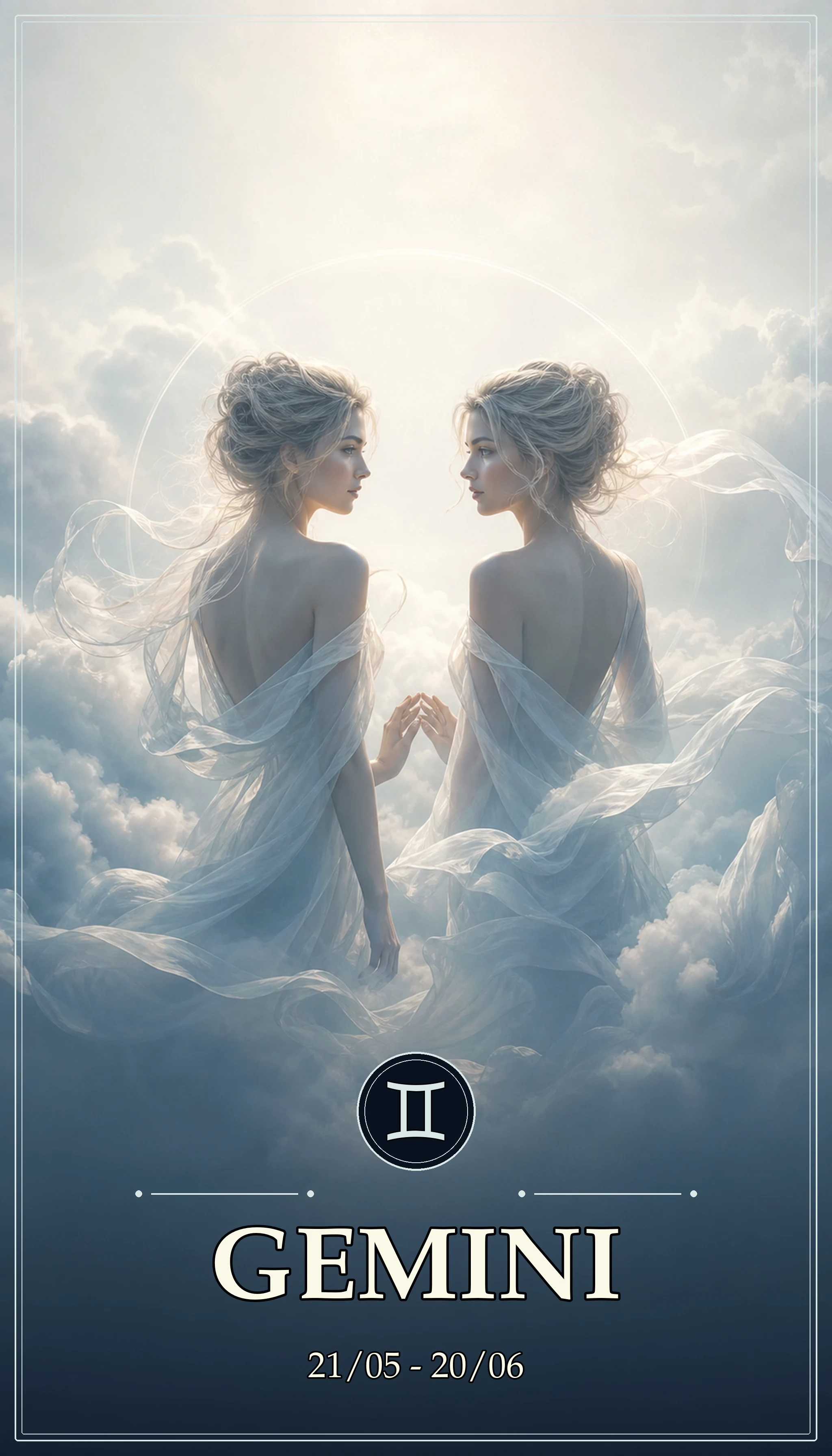
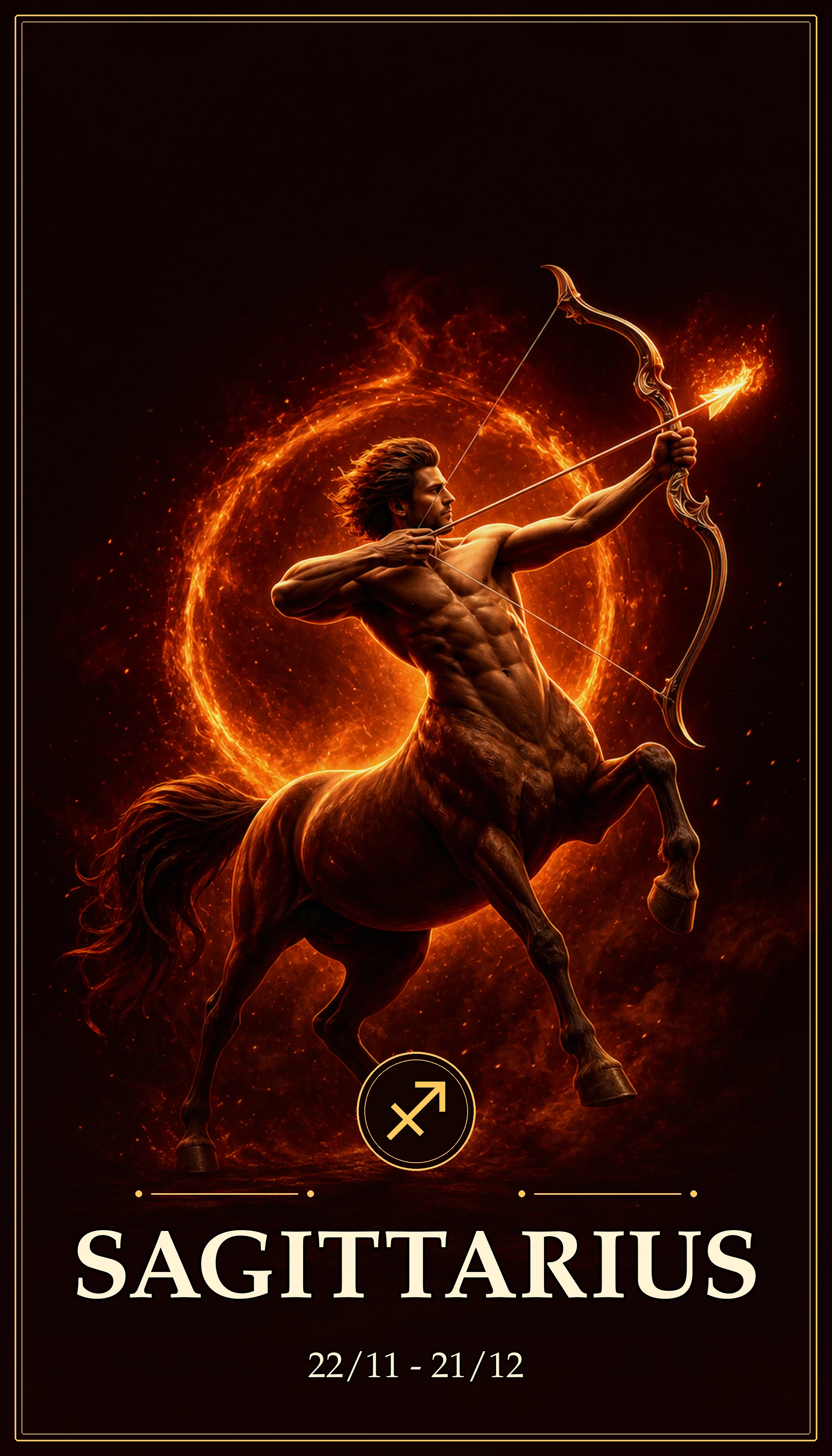
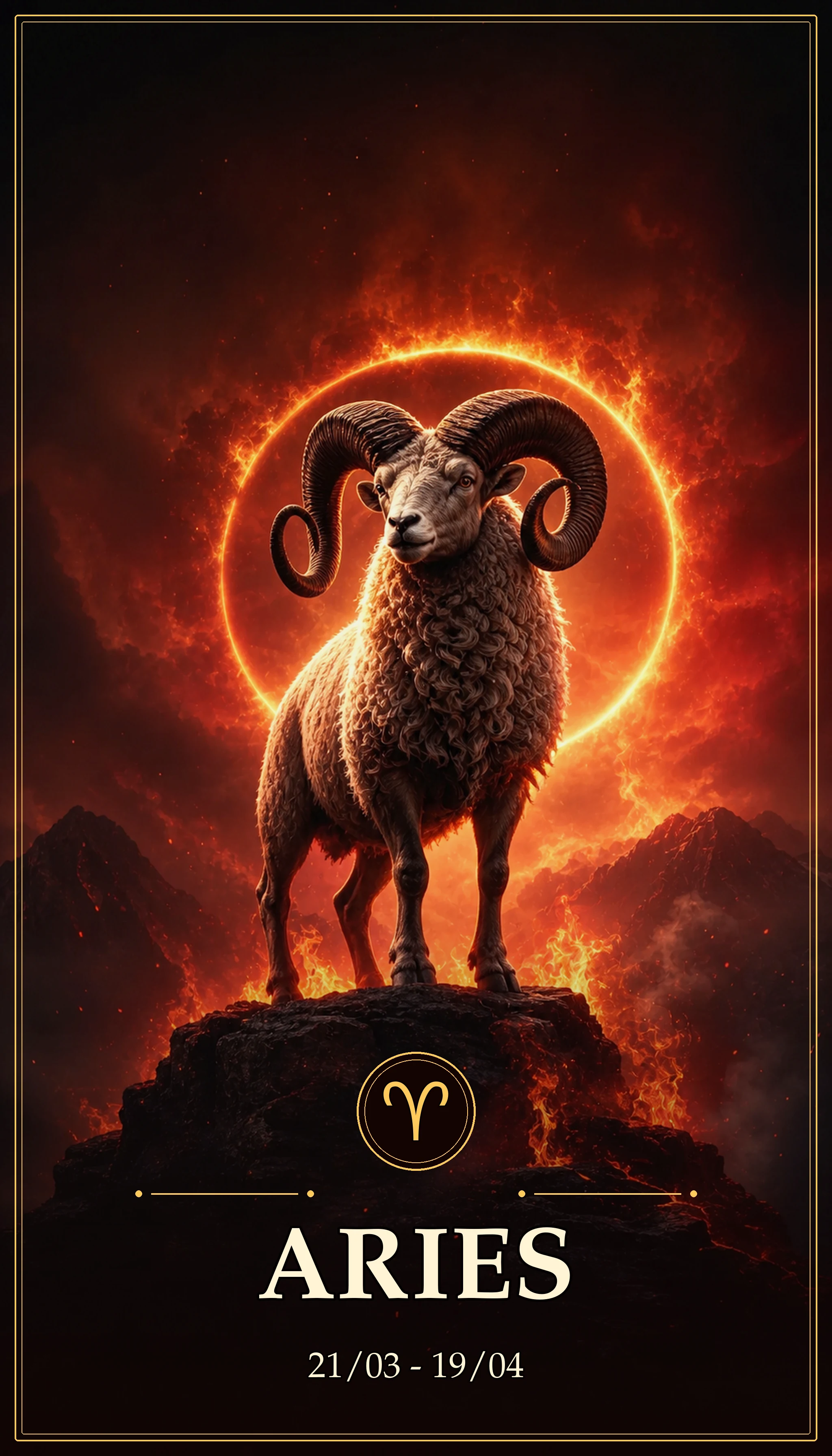
Sun in Gemini · Moon in Sagittarius · Aries Rising
First hook: this is where the chart often becomes recognizable in real life. Sun in Gemini: identity and direction move through curiosity, language, movement, and mental adaptation; Moon in Sagittarius: emotional safety looks for expansion, travel, belief, and the search for meaning; Aries Rising: the first way into situations uses initiative, speed, confrontation, and direct action. Then read the supports, tensions, and houses to see where this base becomes easy, charged, or visible.
2. Dominants (visible planets)
Visible planets: Venus, Lilith, and Uranus
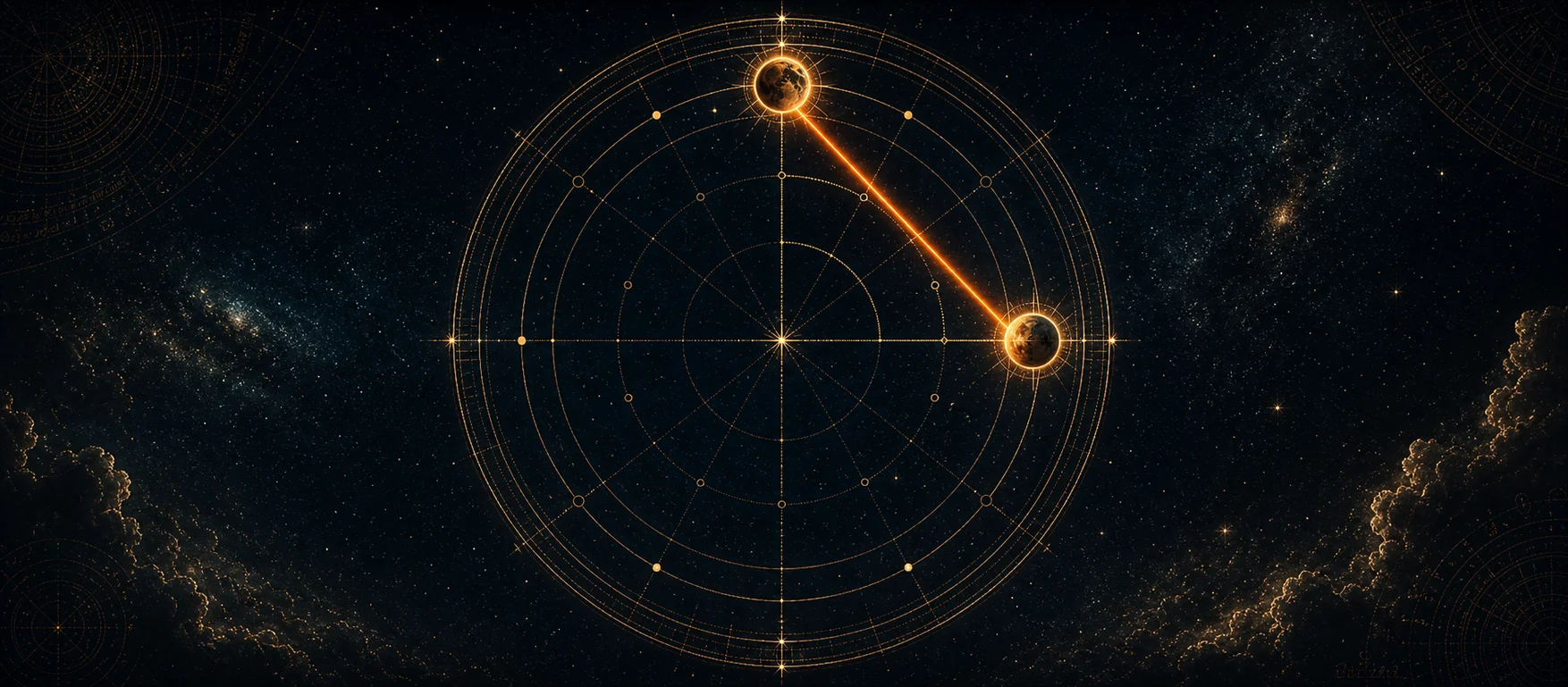
Dominants are planets close to the Rising sign, Midheaven, Descendant, or IC. They describe what becomes visible quickly: presence, public role, direct relationship style, or private climate. Every angular dominant found within the orb is listed below.
-
Visible
Venus near the IC (orb 0.6°)
Venus touches a private angle: its signature shows most clearly to close people through private base, family roots, and intimate psychological climate. Here, that highlights desire, taste, relationship, and attraction. It matters most when it repeats in private choices, close relationships, or family patterns.
-
Visible
Lilith near the Rising sign (orb 1.1°)
Lilith is close to an angle: its signature shows more easily through first impression, body language, reflexes, and entry style. Here, that highlights pure ideal, absolute demand, fascination, and refusal of compromise. It matters most when it repeats in choices, relationships, or visible role.
-
Visible
Uranus near the IC (orb 3°)
Uranus touches a private angle: its signature shows most clearly to close people through private base, family roots, and intimate psychological climate. Here, that highlights disruption, independence, and change. It matters most when it repeats in private choices, close relationships, or family patterns.
3. Important harmonious aspects
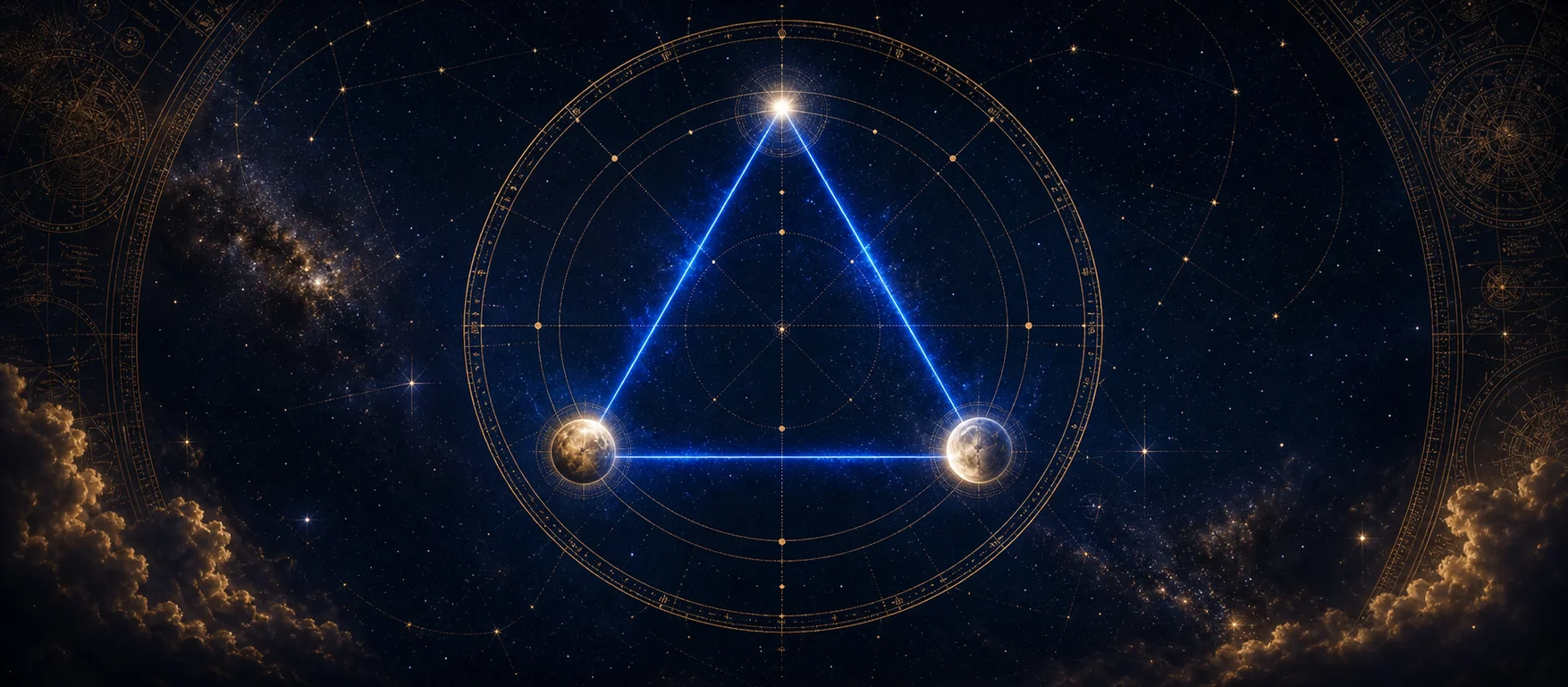
Harmonious circuit: Moon, Neptune, Pluto, Mercury, and Sun
This is the easiest door into the chart: it shows what tends to cooperate naturally.
This pattern describes what comes more easily. It shows up mainly through House 3 (speech, learning, and close surroundings), House 9 (beliefs, studies, travel, and worldview), and House 7 (partners, contracts, and direct encounters with others). It connects Moon (emotional needs, instinct, and inner safety), Neptune (dreams, ideals, imagination, and confusion), Pluto (power, crisis, intensity, and deep transformation), and Mercury (thinking, speech, and decisions).
This is the clearest cooperation pattern in the chart: Moon sextile Neptune (orb 0.3°), Moon trine Pluto (orb 2.5°), and Mercury trine Neptune (orb 2.7°). It shows where functions support each other, recover, or come naturally when used together. Because several planets are connected, the full pattern matters more than one isolated aspect.
-
Harmony
Moon sextile Neptune (orb 0.3°)
Sextile: Moon in Sagittarius in House 9 can cooperate with Neptune in Libra in House 7 in the same concrete choice or situation. For this pair, the aspect lets sensitivity and imagination cooperate through art, intuition, care, or atmosphere. Mother-image layer: childhood, mother image, and inner child can cooperate with Neptune.
-
Harmony
Moon trine Pluto (orb 2.5°)
Trine: Moon in Sagittarius in House 9 can support Pluto in Leo in House 5 naturally and positively. For this pair, the aspect gives the Moon natural support for crossing crises: the inner child can become more lucid, intense, and resilient through contact with Pluto. Mother-image layer: childhood, mother image, and inner child are supported by Pluto.
-
Harmony
Mercury trine Neptune (orb 2.7°)
Trine: Mercury in Gemini in House 2 can support Neptune in Libra in House 7 naturally and positively. For this pair, the aspect gives positive ease translating imagination into words, concepts, or story.
-
Harmony
Sun sextile Pluto (orb 4.5°)
Sextile: Sun in Gemini in House 3 can cooperate with Pluto in Leo in House 5 in the same concrete choice or situation. For this pair, the aspect lets identity and Pluto cooperate when the person turns pressure into clear direction. Father-image layer: ego, personal direction, and the father imprint can cooperate with Pluto.
4. Important tensions
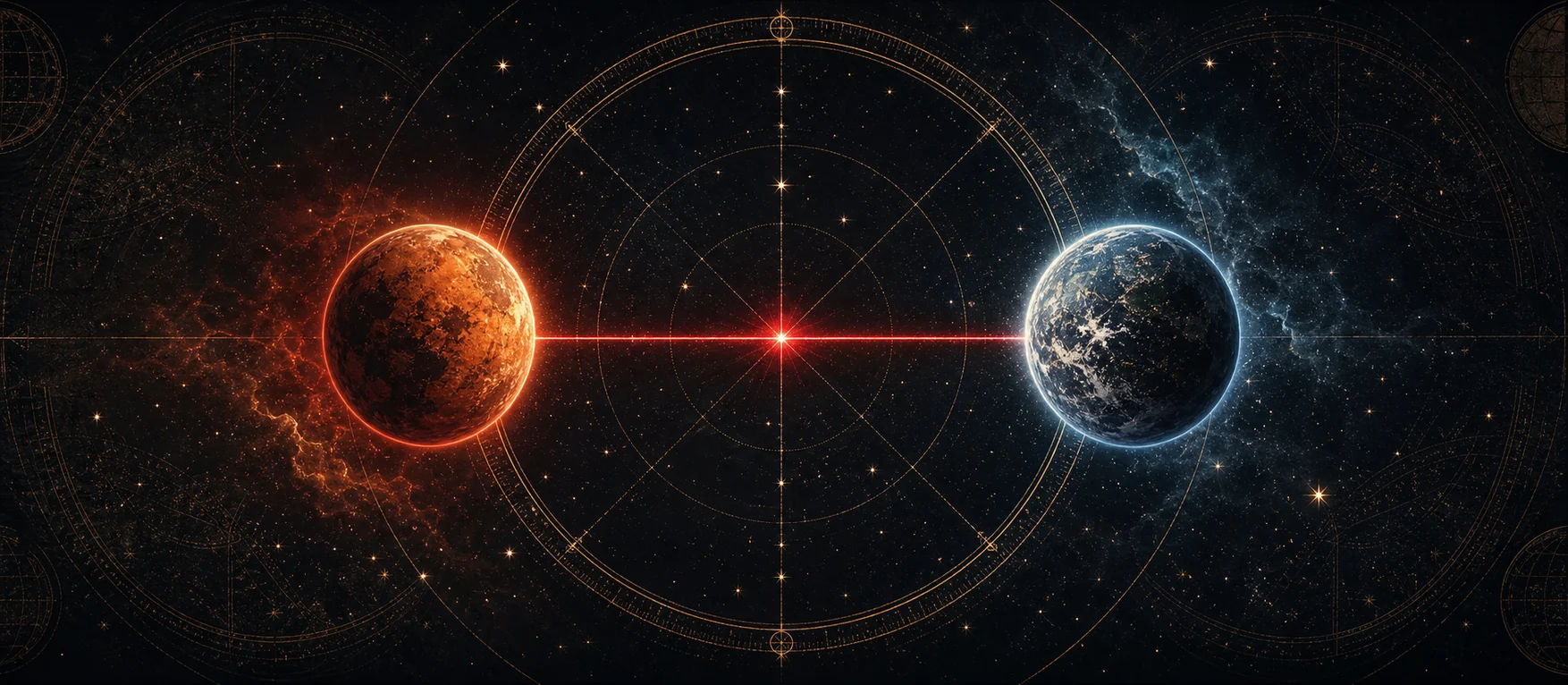
Tension link: Mars and Saturn
This is the pressure line to read first: it shows where tension repeats in concrete situations.
This pattern shows where pressure builds fastest. It shows up mainly through House 2 (money, security, and self-worth) and House 6 (work, routines, health, and daily organization). It connects Mars (action, anger, desire, and courage) and Saturn (responsibility, limits, effort, and patience).
This is the clearest friction pattern in the chart: Mars square Saturn (orb 0.4°). It shows where pressure, contradiction, or repeated effort concentrates. No wider group outranks this link, so read it as a strong but isolated signal.
-
Tension
Mars square Saturn (orb 0.4°)
Square in real life: House 2 (resources, values, and security) is in friction with House 6 (daily work, technique, and bodily discipline); this can create blockage, inhibition, overreaction, or repeated conflict between the two fields. For this pair, the aspect creates tension between action and inhibition: Mars wants to act, Saturn restrains, delays, judges, or blocks, which can produce frustration, heavy effort, or held-in anger.
5. Important houses
These houses answer the concrete question: where in life does the chart become visible? Look here for the repeated choices, relationships, work, or crises that make the rest of the chart real.
-
House 3: Sun and Uranus
speech, learning, and the close environment.
-
House 2: Mercury and Mars
resources, values, and security.
-
House 9: Moon
vision, belief, study, and wider horizons.