Start here: a short reading that shows what hooks, what helps, what pushes back, and where it becomes concrete.
1. Big Three, Personal Essence
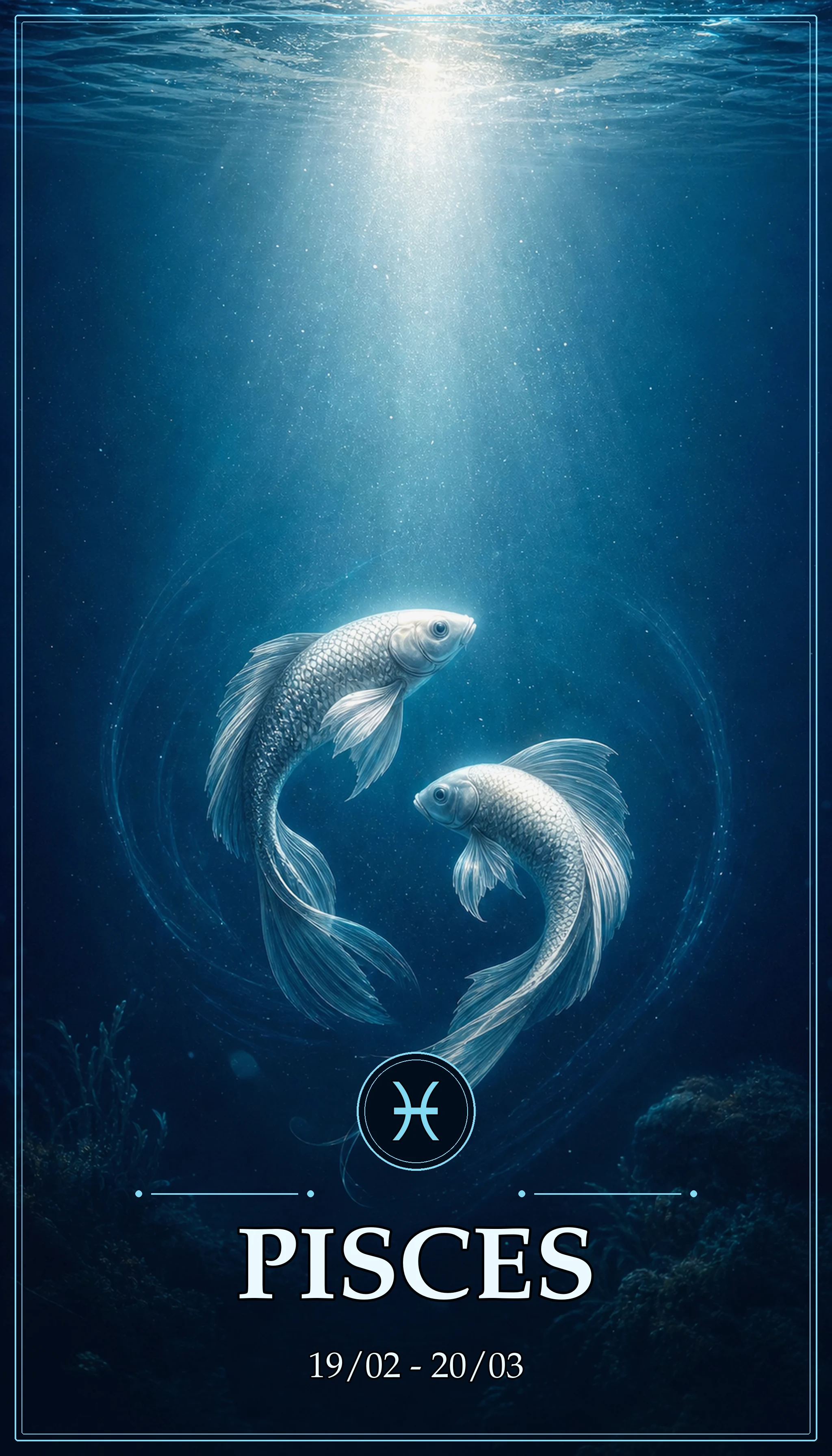
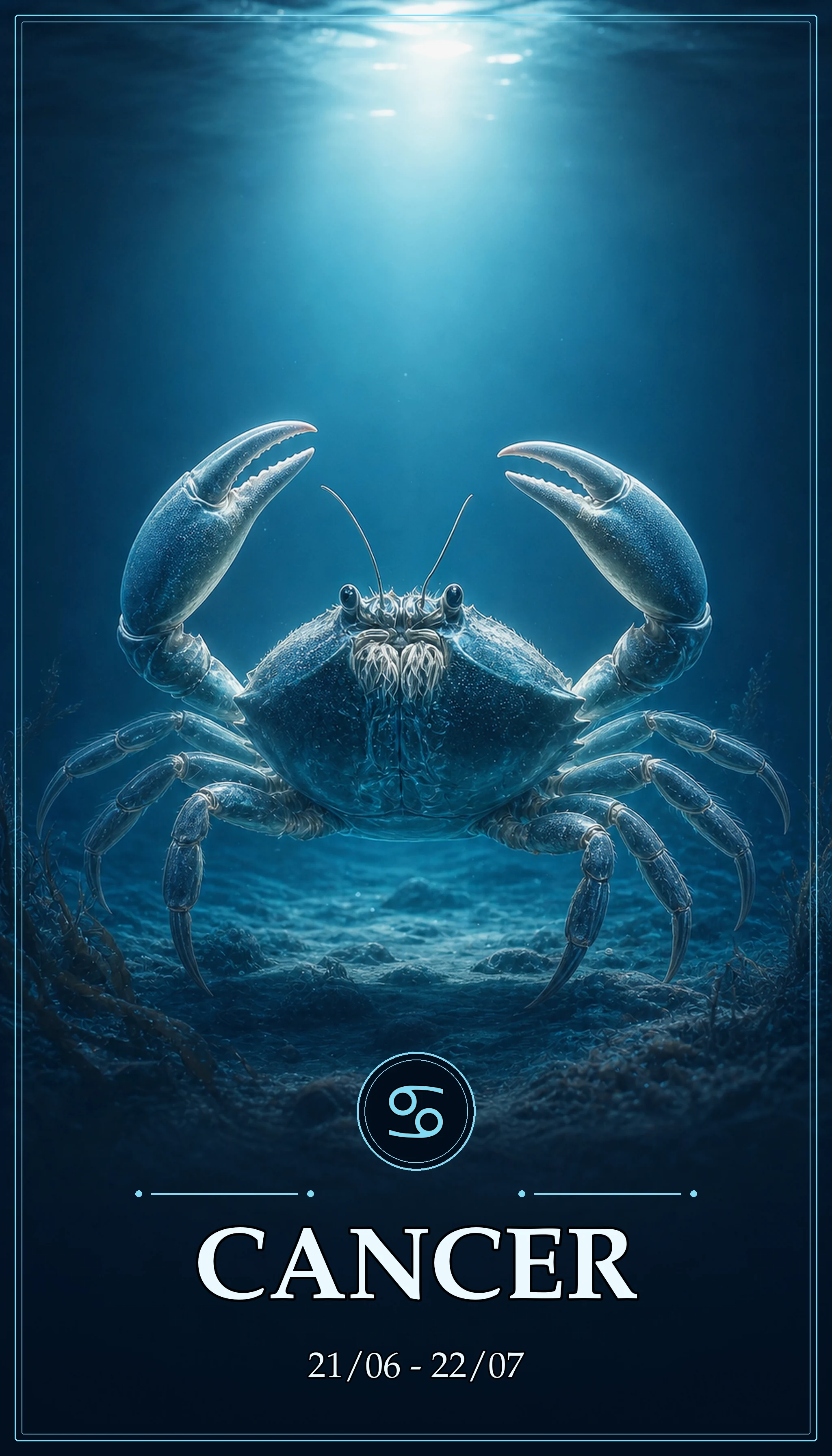
Sun in Pisces · Moon in Cancer
First hook: this is where the chart often becomes recognizable in real life. Sun in Pisces: identity and direction move through imagination, faith, compassion, dream, and permeability; Moon in Cancer: emotional safety looks for memory, protection, belonging, and family sensitivity. Because the birth time is missing, reliable aspects should carry the next step before houses or angles.
2. Dominants (visible planets)
Dominants unavailable without reliable birth time
Angular dominants depend on birth time. Without a reliable hour, do not use them as primary evidence.
3. Important harmonious aspects
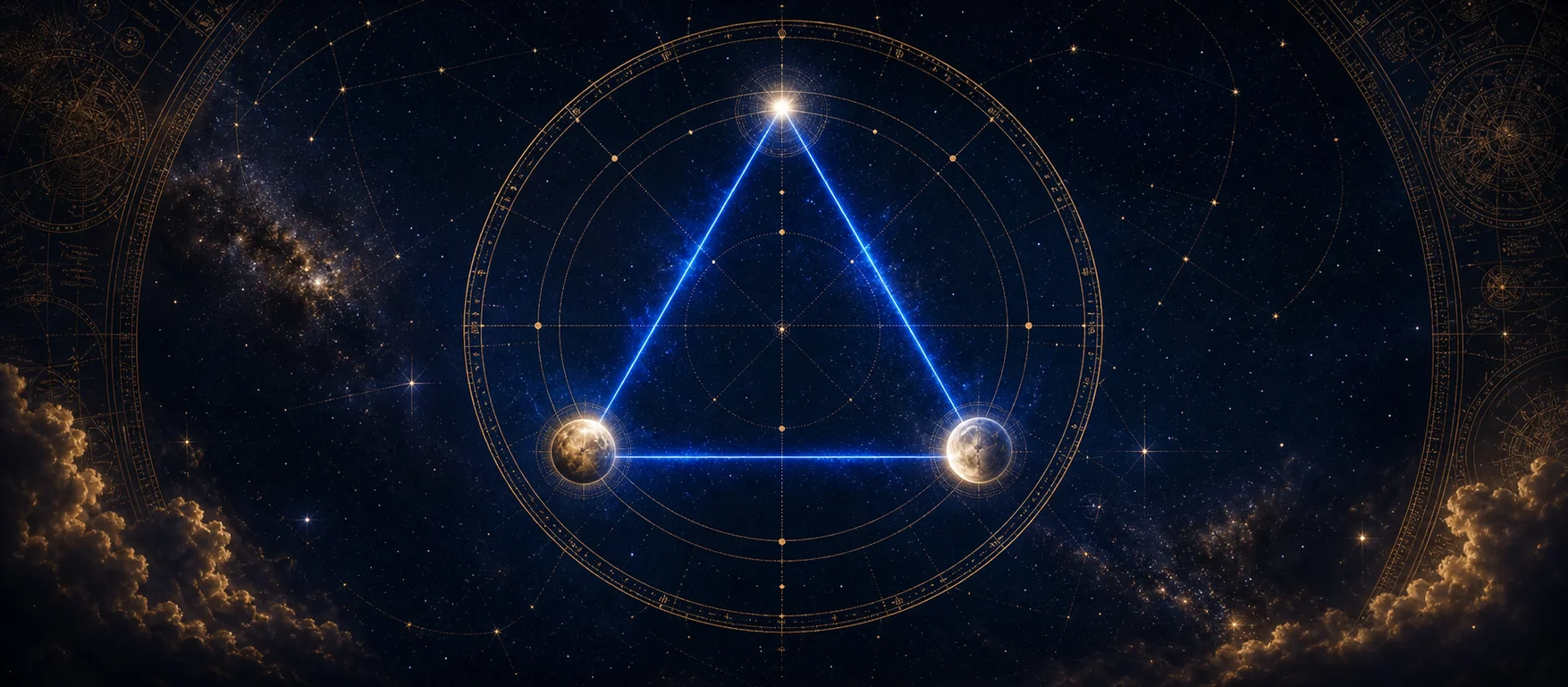
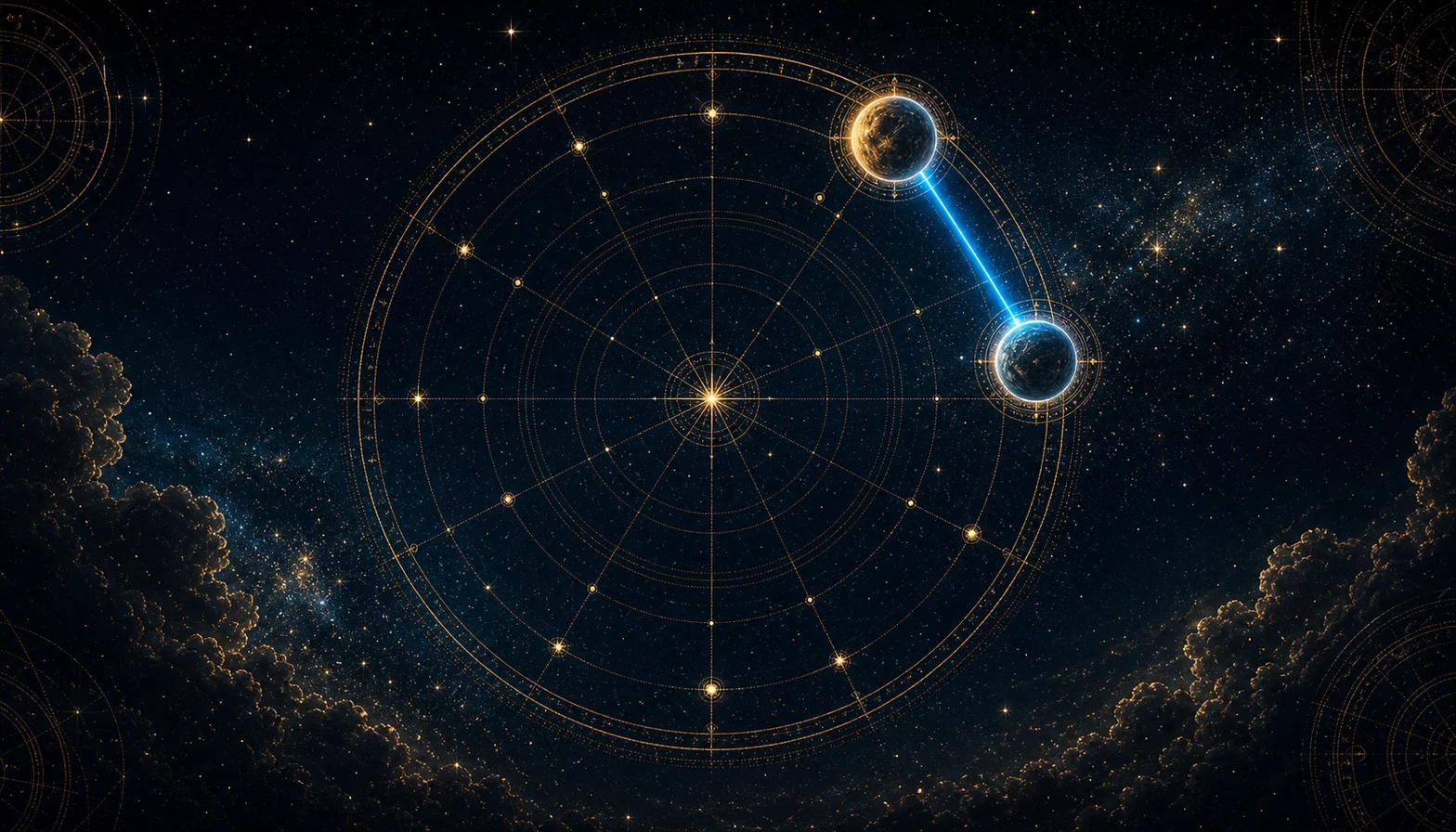
Harmonious circuit: Jupiter, Mars, Saturn, and Venus
This is the easiest door into the chart: it shows what tends to cooperate naturally.
This pattern describes what comes more easily. Houses are not used here: unknown time. It connects Jupiter (growth, faith, luck, and confidence in the future), Mars (action, anger, desire, and courage), Saturn (responsibility, limits, effort, and patience), and Venus (attraction, pleasure, taste, and relationships).
This is the clearest cooperation pattern in the chart: Jupiter sextile Saturn (orb 0.3°), Mars sextile Jupiter (orb 1.1°), and Venus trine Mars (orb 5.1°). It shows where functions support each other, recover, or come naturally when used together. Because several planets are connected, the full pattern matters more than one isolated aspect.
-
Harmony
Jupiter sextile Saturn (orb 0.3°)
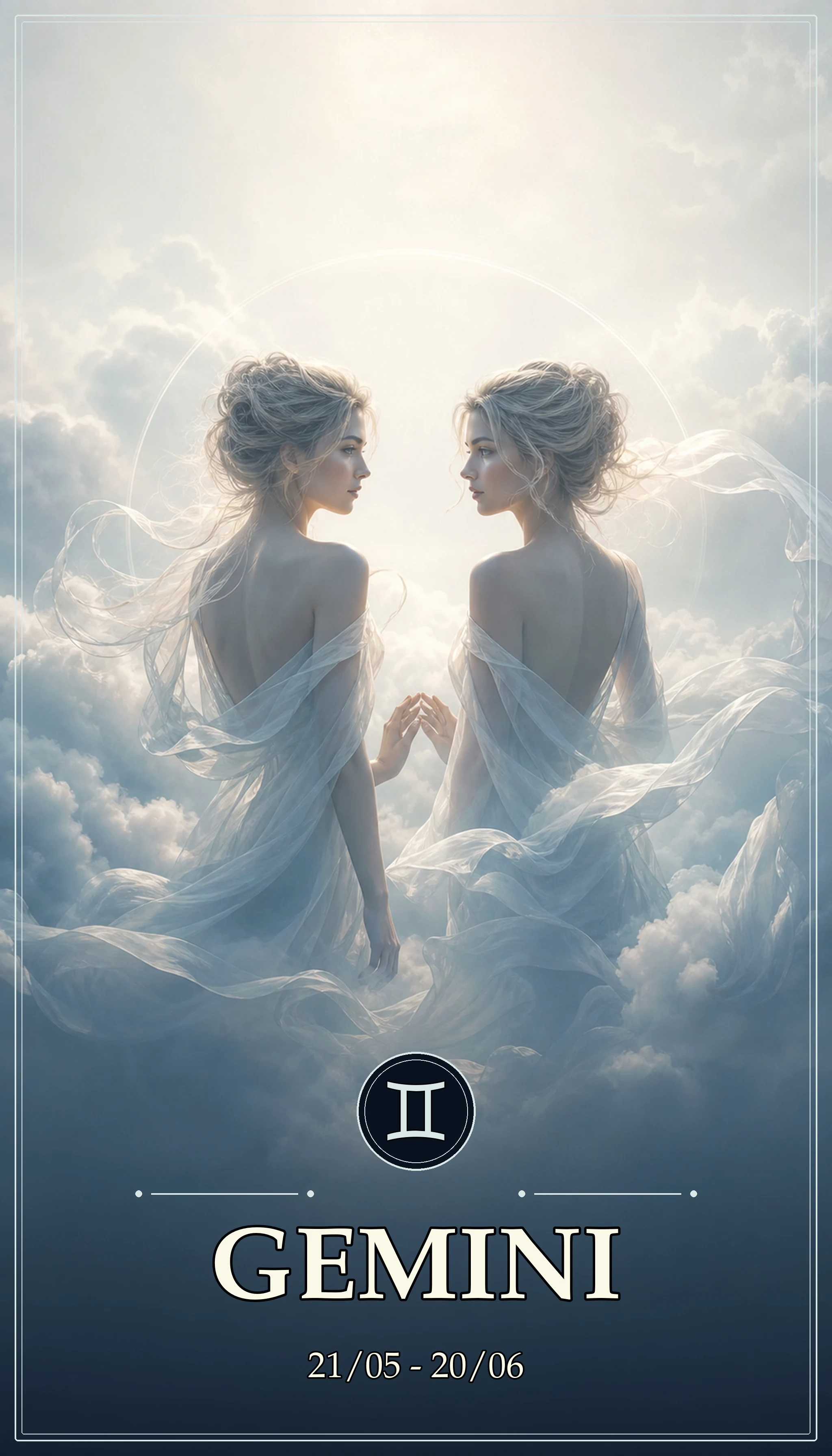
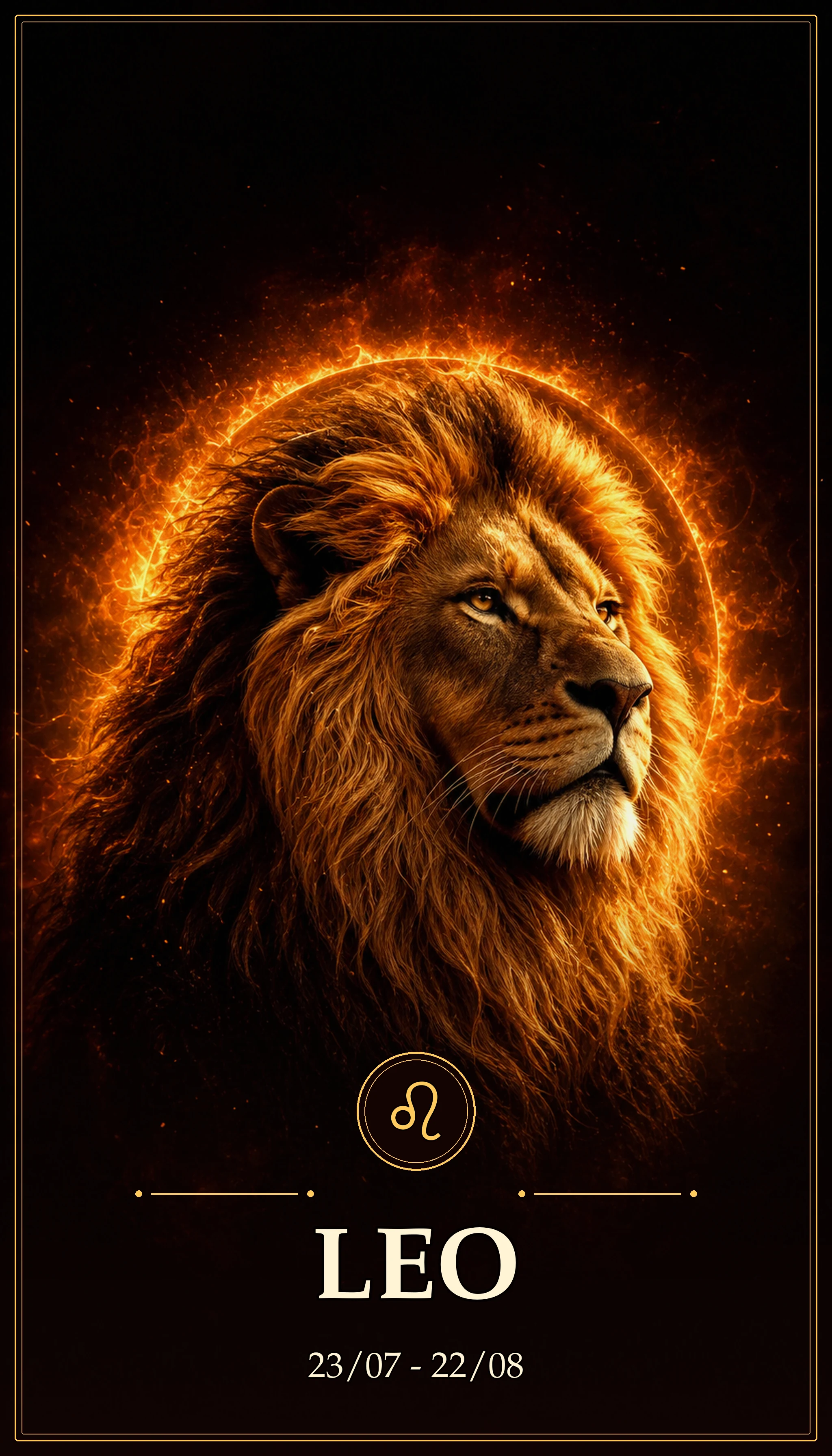
Sextile: Jupiter in Leo can cooperate with Saturn in Gemini in the same concrete choice or situation. For this pair, the aspect lets broad ambition and discipline cooperate gradually.
-
Harmony
Mars sextile Jupiter (orb 1.1°)
Sextile: Mars in Gemini can cooperate with Jupiter in Leo in the same concrete choice or situation. For this pair, the aspect lets action and fulfillment cooperate when the person chooses a concrete goal.
-
Harmony
Venus trine Mars (orb 5.1°)
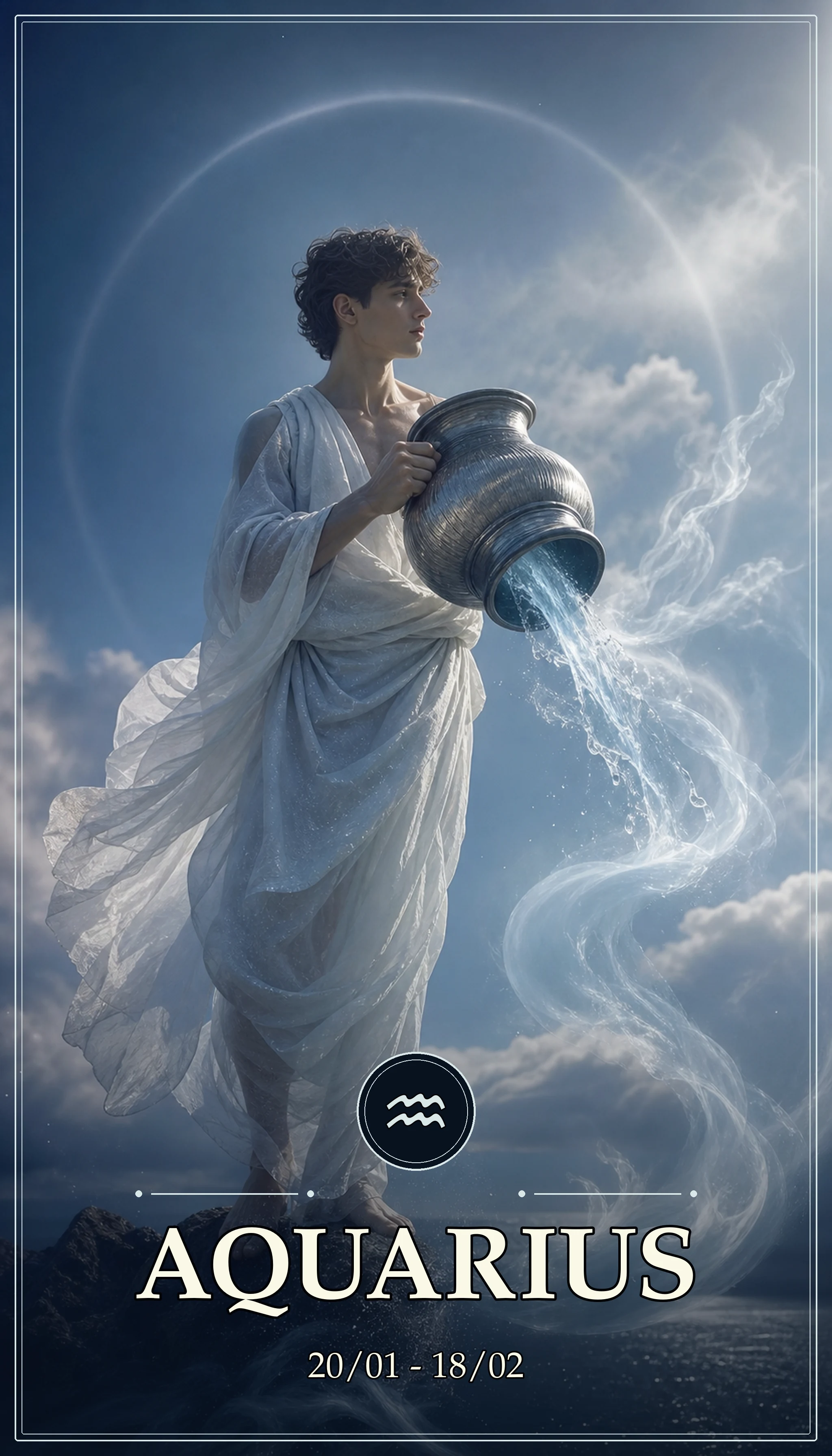
Trine: Venus in Aquarius can support Mars in Gemini naturally and positively. For this pair, the aspect gives positive ease between charm, desire, action, and physical energy.
4. Important tensions
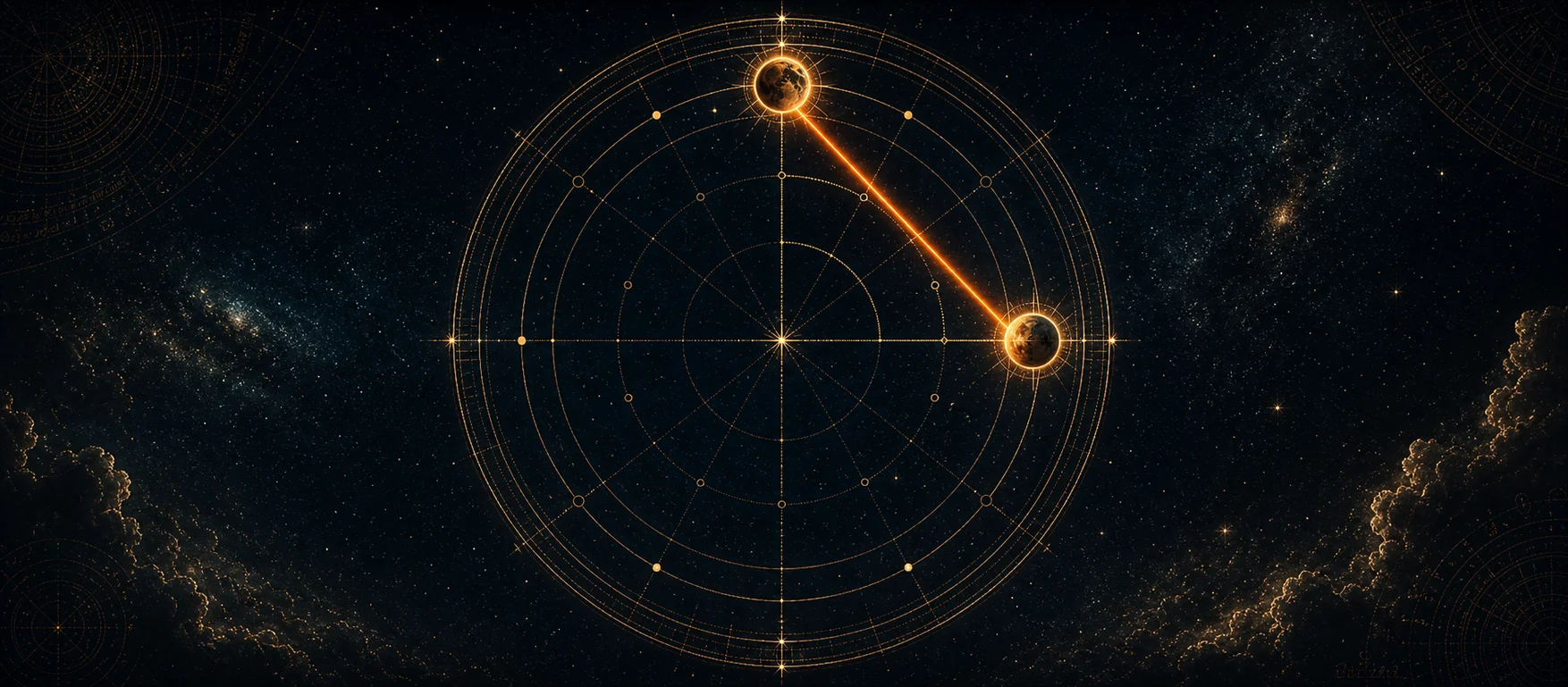
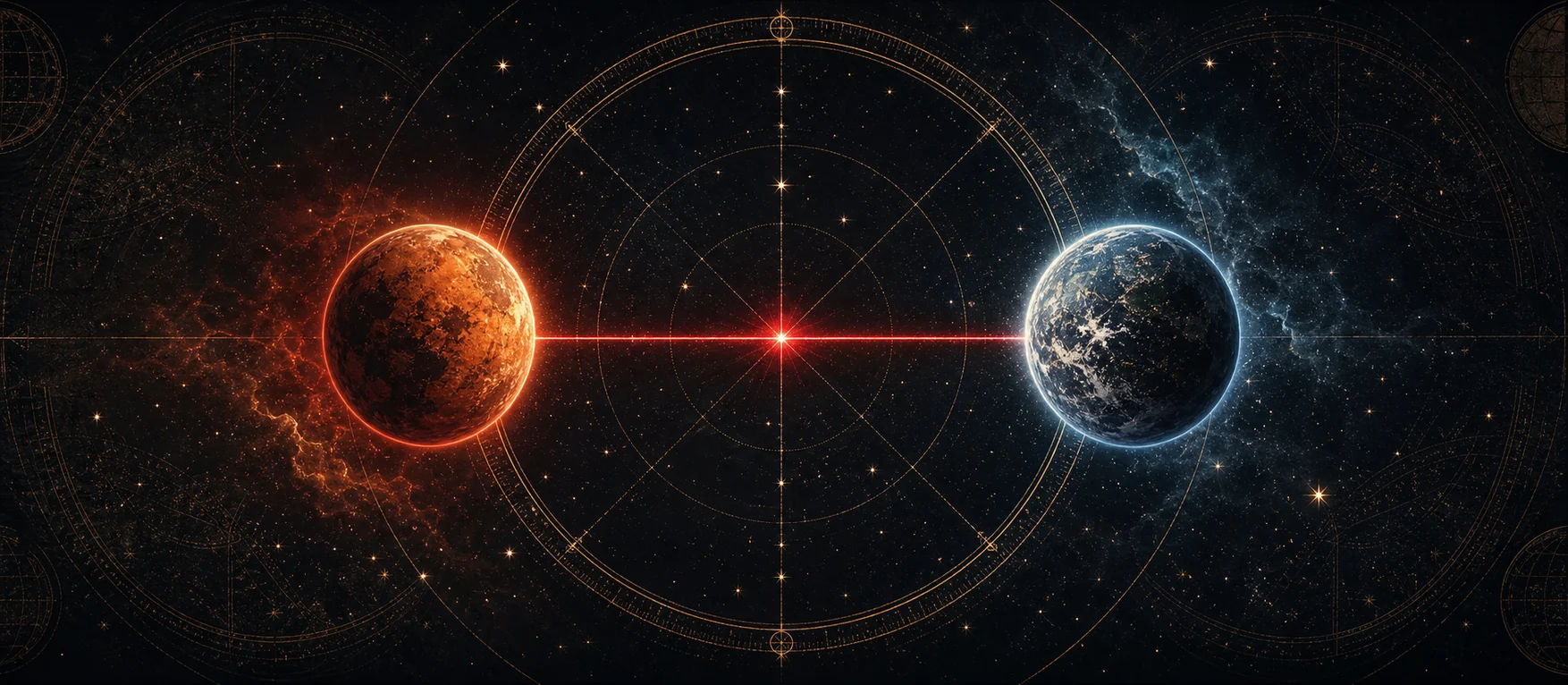
Tension circuit: Venus, Jupiter, and Pluto
This is the pressure line to read first: it shows where tension repeats in concrete situations.
This pattern shows where pressure builds fastest. Houses are not used here: unknown time. It connects Venus (attraction, pleasure, taste, and relationships), Jupiter (growth, faith, luck, and confidence in the future), and Pluto (power, crisis, intensity, and deep transformation).
This is the clearest friction pattern in the chart: Venus opposite Jupiter (orb 6.2°) and Venus opposite Pluto (orb 6.4°). It shows where pressure, contradiction, or repeated effort concentrates. Because several planets are connected, the full pattern matters more than one isolated aspect.
-
Tension
Venus opposite Jupiter (orb 6.2°)
Opposition in real life: Venus in Aquarius pulls one way, while Jupiter in Leo answers from the other side. This can create alternation, contradiction, or the need to carry two opposite demands. For this pair, the aspect sets Venus against Jupiter: taste, relationship, pleasure, or the wish to be liked can conflict with excess, promise, generosity, or the need to widen life.
-
Tension
Venus opposite Pluto (orb 6.4°)
Opposition in real life: Venus in Aquarius pulls one way, while Pluto in Leo answers from the other side. This can create alternation, contradiction, or the need to carry two opposite demands. For this pair, the aspect sets Venus opposite Pluto: love, pleasure, attraction, or self-worth can conflict with power, control, sexuality, jealousy, or crisis.
5. Important houses
Houses unavailable without reliable birth time
Houses describe domains of existence, but they depend on birth time. Without a reliable hour, signs and aspects should carry the reading.