Logo

Birth chart of Catherine Hamilton

Catherine Hamilton birth chart is shown with zodiac signs, planetary houses, and aspects so it can be read as a complete astrological structure rather than a single Sun sign.

Catherine Hamilton's chart is framed by Sun in Libra, Moon in Cancer, and Libra Rising. These three factors give identity and ego, personal dream, play, childhood image, and first impression before the details.

Chart detail:

Sun square Moon (orb 1.1°) gives a central dynamic in this reading. The orb is very tight; this describes a stable character pattern more than a passing reaction.

In plain terms, this aspect creates tension between conscious direction, the inner child, and the personal dream.

Because the birth time is available, houses and angular dominants can be used, with each conclusion tied to a precise chart combination.

Learn the zodiac signs  ·  Learn the planets  ·  Learn the houses  ·  Browse celebrity charts  ·  Calculate your own birth chart

Displayed: 17/10/1908, 06:00 at Glasgow, Scotland
(4°15' W, 55°52' N, GMT 0.0).

Source: Astro-Databank
RSIIIIIIVVVIVIIVIIIIXMHXIXII2°2'25°46'17°7'13°12'5°27'6°54'4°30'10°3'13°42'24°35'23°28'
Displayed: 17/10/1908, 06:00 at Glasgow, Scotland
(4°15' W, 55°52' N, GMT 0.0).

Source: Astro-Databank

Sun Libra
Libra

Sun in Libra

Moon Cancer
Cancer

Moon in Cancer

RS Libra
Libra

Rising sign in Libra


Element Sign Degrees Speed House
Sun Libra 23° 27' 55" 0.993 / day 1
Moon Cancer 24° 34' 40" 12.039 / day 10
Mercury Scorpio 13° 41' 57" R -0.015 / day 2
Venus Virgo 10° 02' 54" 1.133 / day 11
Mars Libra 04° 29' 53" 0.643 / day 12
Jupiter Virgo 06° 54' 20" 0.179 / day 11
Saturn Aries 05° 26' 37" R -0.072 / day 6
Uranus Capricorn 13° 11' 40" 0.02 / day 3
Neptune Cancer 17° 06' 47" 0.002 / day 9
Pluto Gemini 25° 46' 01" R -0.007 / day 9
Lilith Virgo 02° 01' 58" 0.111 / day 11
RS Libra 13° 59' 53"
MH Cancer 19° 29' 01"

Click on a planet

 Log in or create and account to be able to save your own charts (it's free!).


Analysis

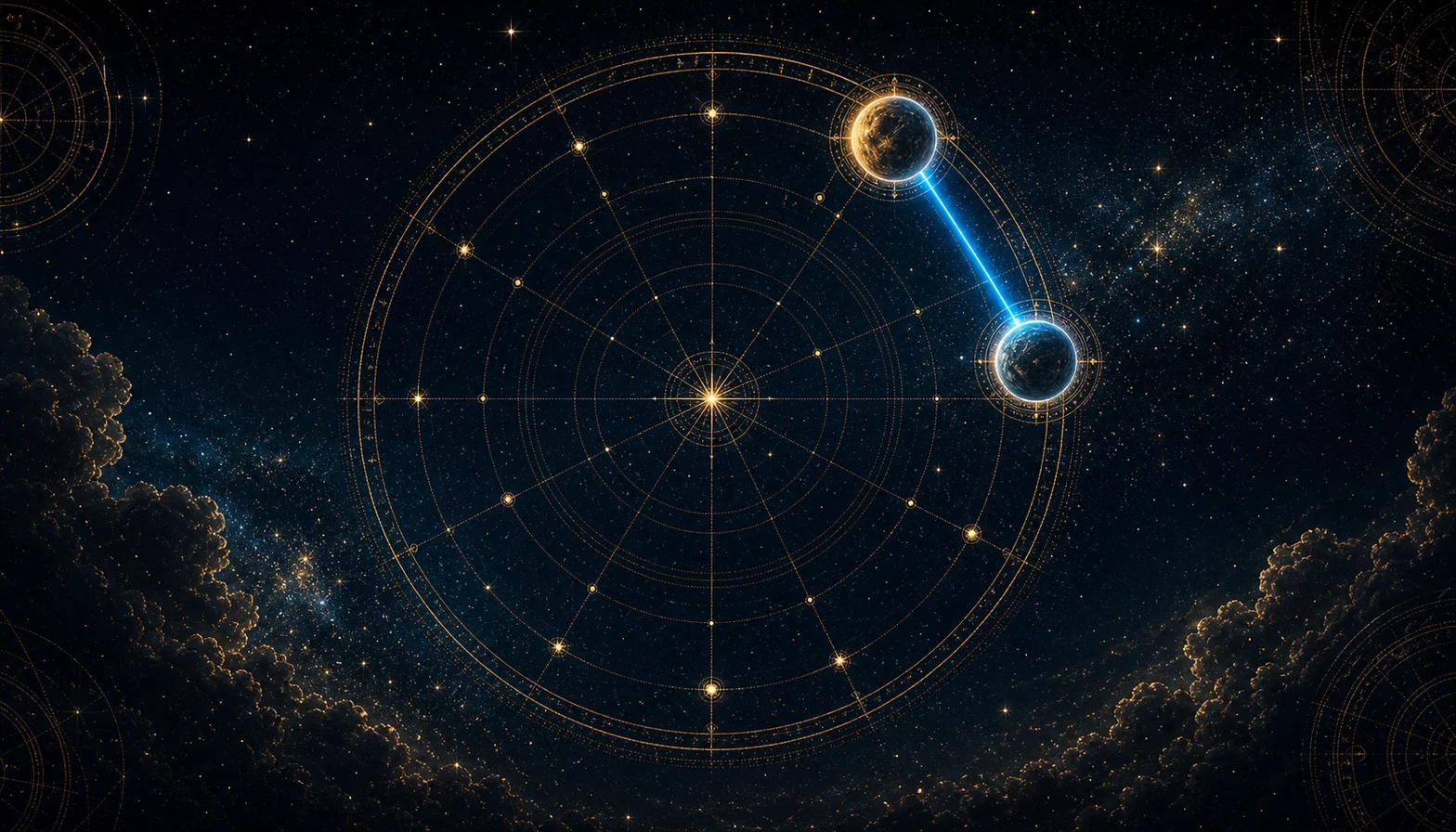
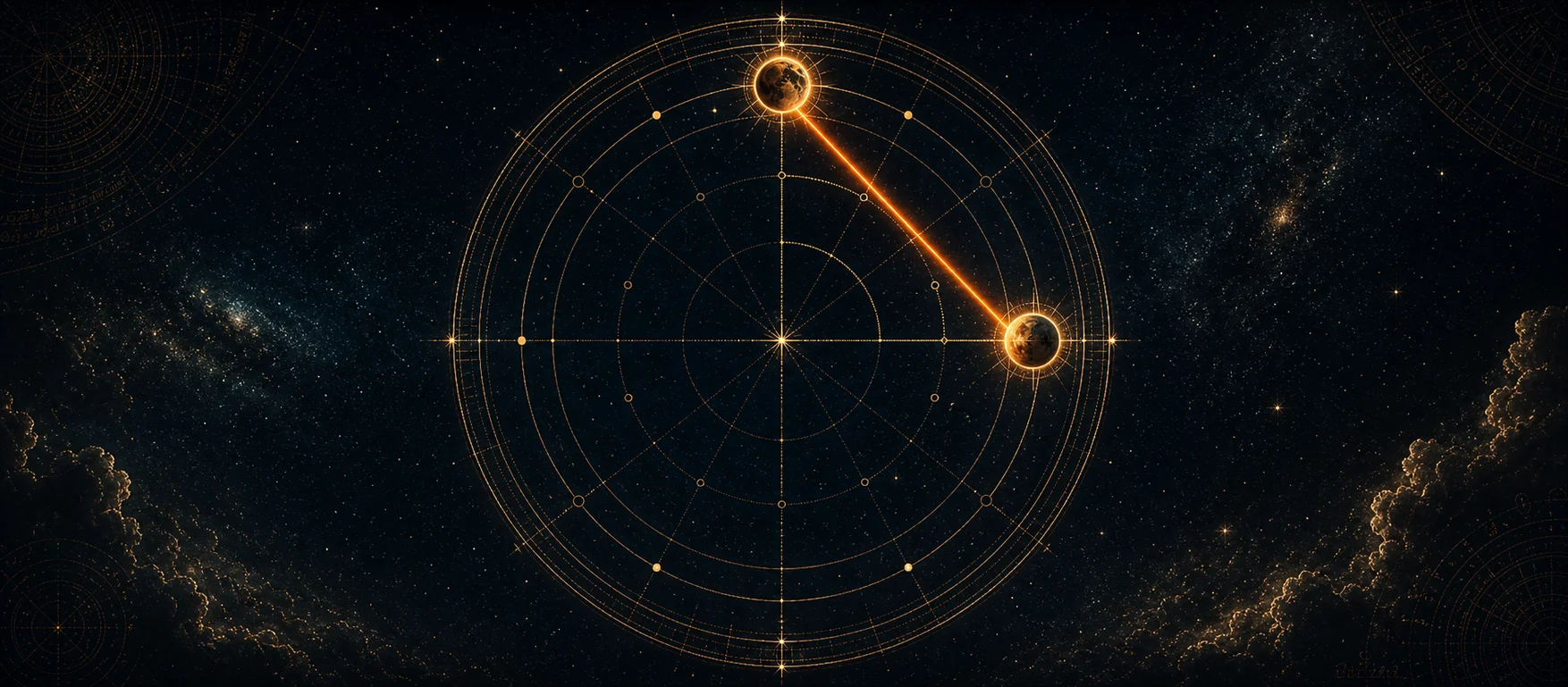
Astrological birth chart geometry with aspect lines
This visual shows the chart geometry before the reading separates the Big Three, planets, houses, and aspects.

How to read this chart

This section gives a concrete reading thread. It highlights the most visible signatures, then the tabs keep each placement separate instead of mixing everything together.

Reading map

Start here: a short reading that shows what hooks, what helps, what pushes back, and where it becomes concrete.

1. Big Three, Personal Essence

Sun in Libra · Moon in Cancer · Libra Rising

First hook: this is where the chart often becomes recognizable in real life. Sun in Libra: identity and direction move through relationship, balance, negotiation, and sense of form; Moon in Cancer: emotional safety looks for memory, protection, belonging, and family sensitivity; Libra Rising: the first way into situations uses relationship, balance, negotiation, and sense of form. Then read the supports, tensions, and houses to see where this base becomes easy, charged, or visible.

2. Dominants (visible planets)

Visible planets: Neptune and Moon

Dominants are planets close to the Rising sign, Midheaven, Descendant, or IC. They describe what becomes visible quickly: presence, public role, direct relationship style, or private climate. Every angular dominant found within the orb is listed below.

  • Visible Neptune near the Midheaven (orb 2.4°) Neptune is close to an angle: its signature shows more easily through social role, reputation, career, and public image. Here, that highlights imagination, image, popularity, collective moods, and inspiration. It matters most when it repeats in choices, relationships, or visible role.
  • Visible Moon near the Midheaven (orb 5.1°) The Moon is close to an angle: its signature shows more easily through social role, reputation, career, and public image. Here, that highlights personal dream, play, inner child, childhood imprint, mother figure, mother image, optimism, and inner rhythm. It matters most when it repeats in choices, relationships, or visible role.
3. Important harmonious aspects

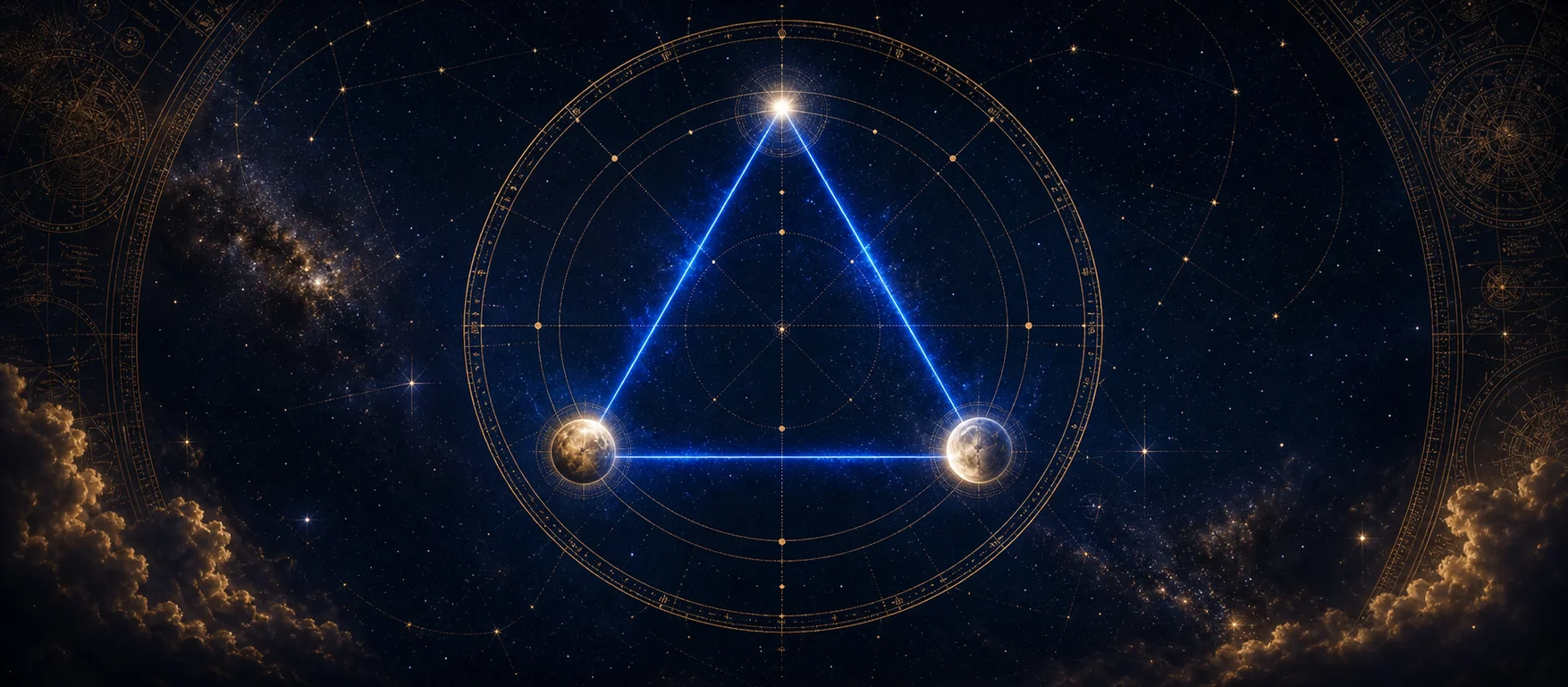
Harmonious triangle: Uranus, Mercury, and Venus

This is the easiest door into the chart: it shows what tends to cooperate naturally.

This pattern describes what comes more easily. It shows up mainly through House 2 (money, security, and self-worth), House 3 (speech, learning, and close surroundings), and House 11 (friends, groups, audience, ideologies, political beliefs, and future projects). It connects Uranus (change, freedom, rupture, and originality), Mercury (thinking, speech, and decisions), and Venus (attraction, pleasure, taste, and relationships).

This is the clearest cooperation pattern in the chart: Mercury sextile Uranus (orb 0.5°), Venus trine Uranus (orb 3.1°), and Mercury sextile Venus (orb 3.6°). It shows where functions support each other, recover, or come naturally when used together. Because several planets are connected, the full pattern matters more than one isolated aspect.

  • Harmony Mercury sextile Uranus (orb 0.5°) Sextile: Mercury in Scorpio in House 2 can cooperate with Uranus in Capricorn in House 3 in the same concrete choice or situation. For this pair, the aspect lets intellect and Uranus cooperate in invention, quick replies, technology, or a changed perspective.
  • Harmony Venus trine Uranus (orb 3.1°) Trine: Venus in Virgo in House 11 can support Uranus in Capricorn in House 3 naturally and positively. For this pair, the aspect gives positive ease between charm and originality: attraction can become free, inventive, modern, or unexpected.
  • Harmony Mercury sextile Venus (orb 3.6°) Sextile: Mercury in Scorpio in House 2 can cooperate with Venus in Virgo in House 11 in the same concrete choice or situation. For this pair, the aspect lets intellect and Venus cooperate in speech, art, negotiation, or the formulation of desire.
4. Important tensions

Tension link: Moon and Sun

This is the pressure line to read first: it shows where tension repeats in concrete situations.

This pattern shows where pressure builds fastest. It shows up mainly through House 1 (body, presence, and first reactions) and House 10 (career, status, responsibility, and public role). It connects Moon (emotional needs, instinct, and inner safety) and Sun (identity, confidence, and direction).

This is the clearest friction pattern in the chart: Sun square Moon (orb 1.1°). It shows where pressure, contradiction, or repeated effort concentrates. No wider group outranks this link, so read it as a strong but isolated signal.

  • Tension Sun square Moon (orb 1.1°) Square in real life: House 1 (presence, body, and the way experience is entered) is in friction with House 10 (vocation, status, responsibility, and public image); this can create blockage, inhibition, overreaction, or repeated conflict between the two fields. For this pair, the aspect creates tension between conscious direction, the inner child, and the personal dream.
5. Important houses

These houses answer the concrete question: where in life does the chart become visible? Look here for the repeated choices, relationships, work, or crises that make the rest of the chart real.

  • House 1: Sun presence, body, and the way experience is entered.
  • House 11: Venus, Jupiter, and Lilith networks, audience, groups, ideas, ideologies, political beliefs, and collective projects.
  • House 10: Moon vocation, status, responsibility, and public image.


Sun
Sun in Libra Identity, ego, father figure
Moon
Moon in Cancer Dream, inner child, mother figure
Rising sign Libra
Rising in Libra First impression, entry style
The three foundations

Start from the three base placements below: the Sun gives identity, ego, and father image; the Moon gives personal dream, play, childhood imprint, mother image, and the inner child; the Rising sign gives first impression, body language, and entry style. Then dominant planets and exact aspects show what carries the most weight.

Dominant layer: Neptune near the Midheaven (orb 2.4°) is close enough to an angle to color what other people perceive. Neptune (imagination, image, popularity, collective moods, and inspiration) is most visible through social role, reputation, career, and public image.

Catherine Hamilton has Sun in Libra, in the House 1

How to read this placement

Sun in Libra in House 1 is one concrete combination: the Sun gives identity, ego, father figure, visibility, and direction, the Libra style gives relationship, balance, negotiation, and sense of form, and House 1 gives the life field: presence, body, and the way experience is entered.

More about this placement

Concretely, this placement brings identity, ego, father figure, recognition, and personal direction into body language, arrival style, reflexes, and first impression. House 1 (presence, body, and the way experience is entered) gives the field; exact aspects show whether the planet is supported, blocked, fused, or contradicted.

Aspect connected to this placement: Sun square Moon (orb 1.1°). Aspect effect: creates tension between conscious direction, the inner child, and the personal dream.

With the Sun in Libra, identity forms through relationship, proportion, beauty, fairness, and social intelligence. The person often needs to understand both sides of a situation and create a more balanced arrangement. This placement can give diplomacy, aesthetic sense, charm, negotiation skill, and attention to justice. It is not simply indecision; it is the solar need to measure self against the other. When unbalanced, the person may avoid conflict too long or lose their own position while trying to preserve harmony.
In the 1st house, the Sun puts identity directly into presence, body, behavior, and first impression. The person is often noticed through the way they enter situations, take space, show will, and present themselves physically. This does not automatically mean arrogance; it means the ego is visible and hard to separate from the outer personality. At best, this gives confidence, directness, vitality, and a clear sense of personal direction. Under stress, the person may feel they must constantly prove who they are or turn every situation into a test of self-assertion.

    Sun square Moon (orb 1.1°) creates concrete friction between the two planets. The orb is very tight; this describes a stable character pattern more than a passing reaction.

    Here, Sun in Libra in House 1 brings identity, ego, father figure, visibility, and direction into House 1 (presence, body, and the way experience is entered), with Libra style (relationship, balance, negotiation, and sense of form); Moon in Cancer in House 10 brings personal dream, play, inner child, childhood imprint, mother figure, mother image, optimism, and inner rhythm into House 10 (vocation, status, responsibility, and public image), with Cancer style (memory, protection, belonging, and family sensitivity).

    Concrete friction: this aspect creates tension between conscious direction, the inner child, and the personal dream. Visible angle: Moon near the Midheaven (orb 5.1°) touches an angle; this aspect is easier to notice through social role, reputation, career, and public image. House 1 (presence, body, and the way experience is entered) is in friction with House 10 (vocation, status, responsibility, and public image); this can create blockage, inhibition, overreaction, or repeated conflict between the two fields.

    Sun trine Pluto (orb 2.3°) shows positive structural ease between the two planets. The orb is tight enough to count in the main reading.

    Here, Sun in Libra in House 1 brings identity, ego, father figure, visibility, and direction into House 1 (presence, body, and the way experience is entered), with Libra style (relationship, balance, negotiation, and sense of form); Pluto in Gemini in House 9 brings crisis, power, survival, and regeneration into House 9 (vision, belief, study, and wider horizons), with Gemini style (curiosity, language, movement, and mental adaptation).

    Concrete support: this aspect gives identity natural support for crossing pressure: the ego can strengthen through crises instead of collapsing. Father-image layer: ego, personal direction, and the father imprint are supported by Pluto.


Catherine Hamilton has Moon in Cancer, in the House 10

How to read this placement

Moon in Cancer in House 10 is one concrete combination: the Moon gives personal dream, play, inner child, childhood imprint, mother figure, mother image, optimism, and inner rhythm, the Cancer style gives memory, protection, belonging, and family sensitivity, and House 10 gives the life field: vocation, status, responsibility, and public image.

More about this placement

Concretely, this placement brings personal dream, play instinct, inner child, childhood imprint, mother figure, mother image, optimism, and inner rhythm into career, reputation, status, visible responsibility, and social role. House 10 (vocation, status, responsibility, and public image) gives the field; exact aspects show whether the planet is supported, blocked, fused, or contradicted.

Visible angle: Moon near the Midheaven (orb 5.1°) touches an angle; this placement is easier to notice through social role, career, reputation, and public image.

With the Moon in Cancer, the inner child is tied to memory, family, home, care, belonging, and the mother image itself. The personal dream often begins with protection: creating a place, a family, a private shell, or a circle where life can soften. This Moon can give tenderness, intuition, loyalty to origins, and a strong instinct for what people need before they say it. It is powerful because it remembers. When defensive, it can withdraw, hold on to hurt, or wait for proof that someone is safe before opening again.
In the 10th house, the Moon brings personal dream, inner child, and childhood imprint into career, public role, reputation, responsibility, and social visibility. The person's mood, care function, childhood imprint, or personal dream can become visible to the public. Others may perceive them through sensitivity, popularity, protectiveness, or changing public image. At best, this gives emotional intelligence in leadership, public resonance, and the ability to make a vocation feel human. Under stress, the person may depend too much on public approval, feel exposed by reputation, or let career pressure destabilize private life.

    Same aspect, other side: the full reading is under the other planet, and it also applies to Moon.

    Open the full aspect reading under Sun

    Moon conjunct Neptune (orb 7.5°) is minor in this chart. The orb is wide; this aspect stays a light nuance.

    Here, both planets use the same Cancer style (memory, protection, belonging, and family sensitivity). Moon in Cancer in House 10 brings personal dream, play, inner child, childhood imprint, mother figure, mother image, optimism, and inner rhythm; Neptune in Cancer in House 9 brings imagination, image, popularity, collective moods, and inspiration.

    Concrete effect: this aspect mixes the inner child, personal dream, and mother image with image, dream, popularity, or collective moods. Visible angle: Moon near the Midheaven (orb 5.1°) and Neptune near the Midheaven (orb 2.4°) touch angles; this aspect is easier to notice through social role, reputation, career, and public image.


Catherine Hamilton has Rising sign in Libra

How to read this placement

Libra Rising combines the Rising sign with the sign on the first-house cusp. The Rising sign describes first impression, body language, reflexes, and the way the person enters situations; the Libra style gives relationship, balance, negotiation, and sense of form.

More about this placement

Concretely, this signature appears through immediate presence: posture, arrival rhythm, spontaneous reaction, and first contact with other people. A planet close to the Rising sign can become louder than the sign itself.

Libra rising gives a relational first impression: charm, balance, social awareness, and attention to how the room responds. The person often enters situations through tact, aesthetics, comparison, and the search for the right distance with others.


Mercury
Mercury Intellect, language, technique
Venus
Venus Desire, taste, attraction
Mars
Mars Action, courage, competition
Jupiter
Jupiter Fulfillment, confidence, horizons

Catherine Hamilton has Mercury in Scorpio, in the House 2

How to read this placement

Mercury in Scorpio in House 2 is one concrete combination: Mercury gives intellect, language, thought, and technique, the Scorpio style gives intensity, desire, crisis, secrecy, and invisible power, and House 2 gives the life field: resources, values, and security.

More about this placement

Concretely, this placement brings thinking, speech, learning, technique, and mental strategy into personal money, possessions, security needs, and value choices. House 2 (resources, values, and security) gives the field; exact aspects show whether the planet is supported, blocked, fused, or contradicted.

Aspect connected to this placement: Mercury trine Neptune (orb 3.4°). Aspect effect: gives positive ease translating imagination into words, concepts, or story.

With Mercury in Scorpio, the intellect investigates, penetrates, and looks for hidden motives. The person often hears what is not being said and may prefer precise, intense, private, or strategic communication. This placement can give psychological insight, research ability, persuasive force, and courage to examine taboo material. It is not satisfied with surface explanations. Under stress, it can become suspicious, secretive, verbally cutting, or too focused on control.
In the 2nd house, Mercury puts intellect into money, skills, voice, resources, possessions, and personal value. The person may learn best through practical use and may think carefully about what can be built, earned, stored, sold, or made useful. Speech can become a resource: a voice, a craft, a technical skill, or a way to negotiate value. At best, this gives business sense, practical intelligence, and the ability to turn ideas into tangible assets. Under stress, it can become worry about money, mental attachment to security, or reducing value to what can be counted.

    Mercury sextile Uranus (orb 0.5°) shows active cooperation between the two planets. The orb is extremely tight; this aspect is one of the chart's strongest signals.

    Here, Mercury in Scorpio in House 2 brings intellect, language, thought, and technique into House 2 (resources, values, and security), with Scorpio style (intensity, desire, crisis, secrecy, and invisible power); Uranus in Capricorn in House 3 brings disruption, independence, and change into House 3 (speech, learning, and the close environment), with Capricorn style (structure, ambition, responsibility, and long construction).

    Concrete cooperation: intellect and Uranus can cooperate in invention, quick replies, technology, or a changed perspective.

    Mercury trine Neptune (orb 3.4°) shows positive structural ease between the two planets. The orb is tight enough to count in the main reading.

    Here, Mercury in Scorpio in House 2 brings intellect, language, thought, and technique into House 2 (resources, values, and security), with Scorpio style (intensity, desire, crisis, secrecy, and invisible power); Neptune in Cancer in House 9 brings imagination, image, popularity, collective moods, and inspiration into House 9 (vision, belief, study, and wider horizons), with Cancer style (memory, protection, belonging, and family sensitivity).

    Concrete support: this aspect gives positive ease translating imagination into words, concepts, or story. Visible angle: Neptune near the Midheaven (orb 2.4°) touches an angle; this aspect is easier to notice through social role, reputation, career, and public image.

    Mercury sextile Venus (orb 3.6°) shows active cooperation between the two planets. The orb is moderate; it stays secondary beside tighter signatures.

    Concrete cooperation: intellect and Venus can cooperate in speech, art, negotiation, or the formulation of desire.


Catherine Hamilton has Venus in Virgo, in the House 11

How to read this placement

Venus in Virgo in House 11 is one concrete combination: Venus gives desire, taste, relationship, and attraction, the Virgo style gives precision, method, usefulness, and attention to detail, and House 11 gives the life field: networks, audience, groups, ideas, ideologies, political beliefs, and collective projects.

More about this placement

Concretely, this placement brings desire, taste, attraction, pleasure, and love style into networks, audiences, friends, groups, ideas, ideologies, political beliefs, and collective projects. House 11 (networks, audience, groups, ideas, ideologies, political beliefs, and collective projects) gives the field; exact aspects show whether the planet is supported, blocked, fused, or contradicted.

Aspect connected to this placement: Venus conjunct Jupiter (orb 3.1°). Aspect effect: brings desire, taste, attraction, confidence, and personal fulfillment together: pleasure wants more scale.

With Venus in Virgo, affection is shown through care, usefulness, precision, and attention to the small details that make life work. The person may love by helping, improving, noticing what is needed, and choosing reliability over display. Taste can be refined, clean, modest, well-made, or quietly exact. This placement does not always announce desire loudly; it proves interest through competence and presence. Under stress, it can over-analyze, criticize, hold back pleasure, or make love feel like a problem to solve.
In the 11th house, Venus puts attraction and pleasure into friends, groups, networks, audiences, communities, shared ideals, group taste, and collective projects. The person may find affection through friendship, social circles, fans, shared ideas, or creative collaboration. Beauty and pleasure become social here: parties, movements, communities, and public taste matter. At best, this gives popularity, social charm, artistic networks, and the ability to bring people together pleasantly. Under stress, it can become dependence on group approval, superficial friendships, social comparison, or using popularity as a substitute for intimacy.

    Venus conjunct Jupiter (orb 3.1°) brings the two planets out together. The orb is tight enough to count in the main reading.

    Here, both planets pass through the same life area: House 11 (networks, audience, groups, ideas, ideologies, political beliefs, and collective projects), with the same Virgo style (precision, method, usefulness, and attention to detail). Venus in Virgo in House 11 brings desire, taste, relationship, and attraction; Jupiter in Virgo in House 11 brings personal fulfillment, confidence, encouragement, and broader horizons.

    Concrete effect: this aspect brings desire, taste, attraction, confidence, and personal fulfillment together: pleasure wants more scale.

    Venus trine Uranus (orb 3.1°) shows positive structural ease between the two planets. The orb is tight enough to count in the main reading.

    Here, Venus in Virgo in House 11 brings desire, taste, relationship, and attraction into House 11 (networks, audience, groups, ideas, ideologies, political beliefs, and collective projects), with Virgo style (precision, method, usefulness, and attention to detail); Uranus in Capricorn in House 3 brings disruption, independence, and change into House 3 (speech, learning, and the close environment), with Capricorn style (structure, ambition, responsibility, and long construction).

    Concrete support: this aspect gives positive ease between charm and originality: attraction can become free, inventive, modern, or unexpected.

    Same aspect, other side: the full reading is under the other planet, and it also applies to Venus.

    Open the full aspect reading under Mercury


Catherine Hamilton has Mars in Libra, in the House 12

How to read this placement

Mars in Libra in House 12 is one concrete combination: Mars gives action, courage, competition, and effort, the Libra style gives relationship, balance, negotiation, and sense of form, and House 12 gives the life field: retreat, contemplation, long time, and possible confinement.

More about this placement

Concretely, this placement brings action, anger, courage, competition, and effort into withdrawal, contemplation, long time, possible isolation, and quiet major works. House 12 (retreat, contemplation, long time, and possible confinement) gives the field; exact aspects show whether the planet is supported, blocked, fused, or contradicted.

Aspect connected to this placement: Mars opposite Saturn (orb 0.9°). Aspect effect: sets direct action against limits, fear, duty, or authority: drive can meet a hard brake, frustration, or controlled anger.

With Mars in Libra, action moves through comparison, strategy, charm, negotiation, and the presence of other people. The person may fight for fairness, beauty, balance, or social correctness, but conflict is often filtered through relationship. This Mars can be diplomatic, persuasive, elegant, and tactically aware. Under stress, it can hesitate, avoid direct confrontation, become passive-aggressive, or turn every action into a negotiation.
In the 12th house, Mars puts action into solitude, retreat, hidden effort, long private processes, contemplation, and sometimes confinement. The person's anger or drive may not be obvious at first; it can work behind the scenes, in private discipline, service, research, spiritual'effort, or suppressed conflict. At best, this gives quiet courage, endurance in isolation, and the ability to fight for people or work that remains unseen. Under stress, it can become hidden anger, self-sabotage, passive conflict, exhaustion from repressed desire, or feeling trapped when action has no clear outlet.

    Mars opposite Saturn (orb 0.9°) puts the two planets face to face, with visible back-and-forth or tension. The orb is extremely tight; this aspect is one of the chart's strongest signals.

    Here, Mars in Libra in House 12 brings action, courage, competition, and effort into House 12 (retreat, contemplation, long time, and possible confinement), with Libra style (relationship, balance, negotiation, and sense of form); Saturn in Aries in House 6 brings discipline, constraint, endurance, and mastery into House 6 (daily work, technique, and bodily discipline), with Aries style (initiative, speed, confrontation, and direct action).

    Concrete conflict: this aspect sets direct action against limits, fear, duty, or authority: drive can meet a hard brake, frustration, or controlled anger. The house conflict is between House 12 (retreat, contemplation, long time, and possible confinement) and House 6 (daily work, technique, and bodily discipline); pressure in one field tends to reactivate the other.


Catherine Hamilton has Jupiter in Virgo, in the House 11

How to read this placement

Jupiter in Virgo in House 11 is one concrete combination: Jupiter gives personal fulfillment, confidence, encouragement, and broader horizons, the Virgo style gives precision, method, usefulness, and attention to detail, and House 11 gives the life field: networks, audience, groups, ideas, ideologies, political beliefs, and collective projects.

More about this placement

Concretely, this placement brings personal fulfillment, confidence, and opening of horizons into networks, audiences, friends, groups, ideas, ideologies, political beliefs, and collective projects. House 11 (networks, audience, groups, ideas, ideologies, political beliefs, and collective projects) gives the field; exact aspects show whether the planet is supported, blocked, fused, or contradicted.

With Jupiter in Virgo, the person finds fulfillment through usefulness, craft, improvement, health, analysis, and practical competence. They often become more confident when they can make a system cleaner, a body healthier, a task better, or a service more precise. This Jupiter can give humility, technical progress, helpfulness, and satisfaction through concrete improvement. Under stress, it can become perfectionistic, anxious, overly modest, or unable to enjoy what is already good.
With Jupiter in the 11th house, the person finds fulfillment through friends, networks, audiences, groups, ideas, ideologies, political beliefs, movements, and collective projects. Life opens through allies, shared ideals, public support, and the feeling of belonging to something larger than private ambition. At best, this gives group generosity, future vision, and talent for organizing enthusiasm. Under stress, it can become dependence on the crowd, inflated social promises, ideological excess, or spreading energy across too many networks.

    Same aspect, other side: the full reading is under the other planet, and it also applies to Jupiter.

    Open the full aspect reading under Venus

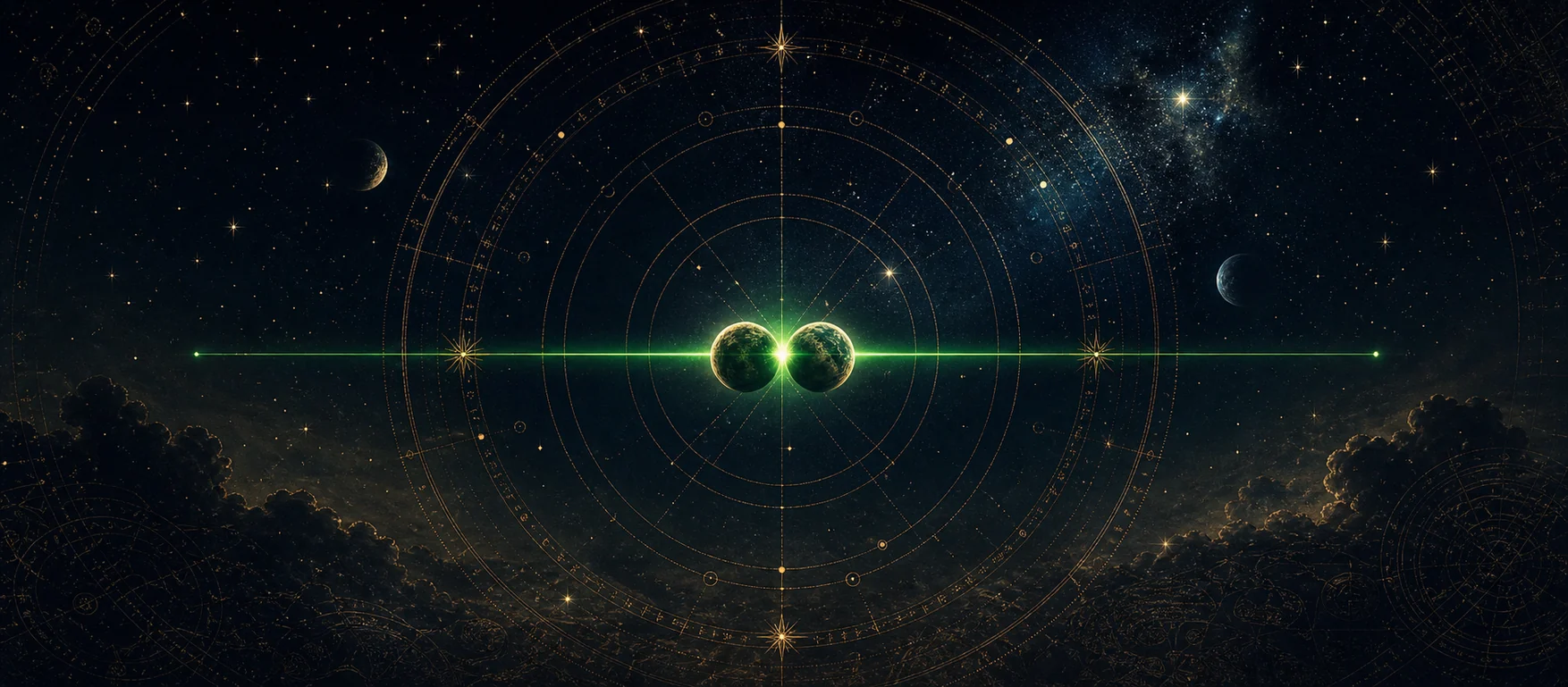
    Jupiter conjunct Lilith (orb 4.9°) brings the two planets out together. The orb is moderate; it stays secondary beside tighter signatures.

    Here, both planets pass through the same life area: House 11 (networks, audience, groups, ideas, ideologies, political beliefs, and collective projects), with the same Virgo style (precision, method, usefulness, and attention to detail). Jupiter in Virgo in House 11 brings personal fulfillment, confidence, encouragement, and broader horizons; Lilith in Virgo in House 11 brings pure ideal, absolute demand, fascination, and refusal of compromise.

    Concrete effect: this aspect ties personal fulfillment to Lilith's absolute ideal and the refusal to settle for a life that feels too small.


Saturn
Saturn Discipline, limits, structure
Uranus
Uranus Freedom, rupture, invention
Neptune
Neptune Image, popularity, inspiration
Pluto
Pluto Crisis, power, regeneration
Lilith
Lilith Ideal, fascination, refusal

Catherine Hamilton has Saturn in Aries, in the House 6

How to read this placement

Saturn in Aries in House 6 is one concrete combination: Saturn gives discipline, constraint, endurance, and mastery, the Aries style gives initiative, speed, confrontation, and direct action, and House 6 gives the life field: daily work, technique, and bodily discipline.

More about this placement

Concretely, this placement brings discipline, limits, duty, fear, and long construction into daily work, technical gestures, habits, and bodily discipline. House 6 (daily work, technique, and bodily discipline) gives the field; exact aspects show whether the planet is supported, blocked, fused, or contradicted.

With Saturn in Aries, discipline is applied to action, courage, conflict, and the right to begin. The person may feel early that initiative has consequences, so they learn to act with control instead of rushing blindly. At best, this gives calm bravery, strategic leadership, and the ability to keep moving when others lose nerve. Under stress, it can create fear of starting, frustration with authority, or a habit of turning every obstacle into a test of will.
In the 6th house, Saturn puts discipline into work, service, health, routine, tools, and daily responsibility. The person may carry duties carefully and may become strong through repetition, craft, and practical reliability. At best, this gives competence, work ethic, patience with methods, and the ability to make life function through structure. Under stress, it can become overwork, self-criticism, health anxiety, harsh routines, or the feeling that every day must be earned through duty.


Catherine Hamilton has Uranus in Capricorn, in the House 3

How to read this placement

Uranus in Capricorn in House 3 is one concrete combination: Uranus gives disruption, independence, and change, the Capricorn style gives structure, ambition, responsibility, and long construction, and House 3 gives the life field: speech, learning, and the close environment.

More about this placement

Concretely, this placement brings freedom, disruption, broken rhythms, and the need for independence into speech, writing, learning, short trips, and the everyday environment. House 3 (speech, learning, and the close environment) gives the field; exact aspects show whether the planet is supported, blocked, fused, or contradicted.

With Uranus in Capricorn, independence expresses itself through career, hierarchy, institutions, authority, and public structure. The person may challenge old systems from inside the system, or build a professional path that does not follow the expected ladder. This placement can give strategic reform, practical innovation, and the ability to modernize rigid organizations. Under stress, it can bring sudden career breaks, conflict with authority, or a cold need to overturn structures before knowing what replaces them.
In the 3rd house, Uranus puts invention into speech, learning, writing, siblings, short trips, and everyday information. The person may think fast, connect unexpected ideas, question ordinary language, and learn through disruption rather than repetition. At best, this gives originality of mind, technical curiosity, sharp observation, and a talent for making new connections. Under stress, it can become scattered attention, abrupt speech, impatience with basic explanations, or conflict with the immediate environment because the mind moves faster than the room.

    Same aspect, other side: the full reading is under the other planet, and it also applies to Uranus.

    Open the full aspect reading under Mercury

    Same aspect, other side: the full reading is under the other planet, and it also applies to Uranus.

    Open the full aspect reading under Venus

    Uranus opposite Neptune (orb 3.9°) puts the two planets face to face, with visible back-and-forth or tension. The orb is moderate; it stays secondary beside tighter signatures.

    Here, Uranus in Capricorn in House 3 brings disruption, independence, and change into House 3 (speech, learning, and the close environment), with Capricorn style (structure, ambition, responsibility, and long construction); Neptune in Cancer in House 9 brings imagination, image, popularity, collective moods, and inspiration into House 9 (vision, belief, study, and wider horizons), with Cancer style (memory, protection, belonging, and family sensitivity).

    Concrete conflict: this aspect sets Uranus (disruption, independence, and change) across from Neptune (imagination, image, popularity, collective moods, and inspiration), with a back-and-forth that answers or contradicts itself. Visible angle: Neptune near the Midheaven (orb 2.4°) touches an angle; this aspect is easier to notice through social role, reputation, career, and public image. The house conflict is between House 3 (speech, learning, and the close environment) and House 9 (vision, belief, study, and wider horizons); pressure in one field tends to reactivate the other.


Catherine Hamilton has Neptune in Cancer, in the House 9

How to read this placement

Neptune in Cancer in House 9 is one concrete combination: Neptune gives imagination, image, popularity, collective moods, and inspiration, the Cancer style gives memory, protection, belonging, and family sensitivity, and House 9 gives the life field: vision, belief, study, and wider horizons.

More about this placement

Concretely, this placement brings imagination, image, popularity, and the ability to read collective currents into travel, higher study, beliefs, foreign cultures, and society at large. House 9 (vision, belief, study, and wider horizons) gives the field; exact aspects show whether the planet is supported, blocked, fused, or contradicted.

Visible angle: Neptune near the Midheaven (orb 2.4°) touches an angle; this placement is easier to notice through social role, career, reputation, and public image.
With Neptune in Cancer, the dream function takes the color of childhood, family, memory, home, protection, and emotional belonging. The person may sense collective moods through nostalgia, care, vulnerability, national feeling, or the need to feel held. This placement can give deep tenderness, popular emotional resonance, and an instinct for images that make people feel safe. Under stress, it can idealize family, absorb other people's emotions too easily, or confuse protection with dependency.
In the 9th house, Neptune puts dream and inspiration into travel, foreign cultures, higher learning, law, politics, teaching, faith, and the enlargement of consciousness. The person may seek meaning through distant places, collective myths, spiritual study, art, society, or ideals bigger than the familiar world. At best, this gives cultural sensitivity, visionary teaching, compassion across borders, and a poetic worldview. Under stress, it can become ideological fog, spiritual inflation, naive belief, disappointment with teachers, or escaping into distant meanings instead of seeing concrete reality.


Catherine Hamilton has Pluto in Gemini, in the House 9

How to read this placement

Pluto in Gemini in House 9 is one concrete combination: Pluto gives crisis, power, survival, and regeneration, the Gemini style gives curiosity, language, movement, and mental adaptation, and House 9 gives the life field: vision, belief, study, and wider horizons.

More about this placement

Concretely, this placement brings crisis, power, sexuality, survival, and transformation into travel, higher study, beliefs, foreign cultures, and society at large. House 9 (vision, belief, study, and wider horizons) gives the field; exact aspects show whether the planet is supported, blocked, fused, or contradicted.

With Pluto in Gemini, power concentrates around words, information, learning, media, and the ability to influence perception. The person may be drawn to hidden facts, forbidden questions, sharp arguments, or the power of language to expose and manipulate. This placement can give investigative intelligence, persuasive speech, and the ability to change how people think by revealing difficult information. Under stress, it can become mental obsession, verbal control, paranoia around information, or using knowledge as a weapon.

In the 9th house, Pluto puts intensity into travel, foreign cultures, higher learning, law, politics, teaching, faith, and the enlargement of consciousness. The person may seek truth with force and may be drawn to belief systems, political struggles, or journeys that force a worldview crisis. At best, this gives deep research, powerful teaching, political instinct, and the courage to question inherited meaning. Under stress, it can become ideological obsession, moral domination, fanaticism, contempt for other views, or using truth as a weapon rather than a path.


Catherine Hamilton has Lilith in Virgo, in the House 11

How to read this placement

Lilith in Virgo in House 11 is one concrete combination: Lilith gives pure ideal, absolute demand, fascination, and refusal of compromise, the Virgo style gives precision, method, usefulness, and attention to detail, and House 11 gives the life field: networks, audience, groups, ideas, ideologies, political beliefs, and collective projects.

More about this placement

Concretely, this placement brings the pure ideal, absolute demand, desire, fascination, and what refuses to become ordinary into networks, audiences, friends, groups, ideas, ideologies, political beliefs, and collective projects. House 11 (networks, audience, groups, ideas, ideologies, political beliefs, and collective projects) gives the field; exact aspects show whether the planet is supported, blocked, fused, or contradicted.

With Black Moon Lilith in Virgo, the non-negotiable point concerns purity, competence, work, health, usefulness, and the refusal of false efficiency. The person may reject sloppy methods, vague promises, or service that turns into submission. This placement can give exacting skill, uncompromising standards, and a sharp instinct for what must be corrected. Under stress, it can become harsh criticism, disgust, perfectionism, or a feeling that nothing is ever clean or good enough.
In the 11th house, Black Moon Lilith puts uncompromising desire into friends, networks, audiences, movements, ideas, ideologies, political beliefs, and collective projects. The person may refuse group belonging if it requires false agreement and may be drawn to groups that carry taboo, rebellion, or radical honesty. At best, this gives fierce collective integrity, magnetic audience connection, and courage to challenge social hypocrisy. Under stress, it can become ideological absolutism, social exile, conflict with groups, or refusing allies because no collective feels pure enough.