Logo

Birth chart of Gotthold Eisenstein

Gotthold Eisenstein birth chart is shown with zodiac signs and aspects. Because the birth time is unknown, Arcadia does not use houses, Rising sign, or angular dominants as the main basis of interpretation.

Gotthold Eisenstein's chart rests first on the stable factors: Sun in Aries and Moon in Cancer. Without a reliable time, signs and aspects are stronger than the Rising sign or houses.

Chart detail:

Mercury square Uranus (orb 0.6°) gives a central dynamic in this reading. The orb is extremely tight; this aspect is one of the chart's strongest signals.

In plain terms, this aspect creates tension between thought, nervousness, rupture, and contradiction: the mind can cut too fast, provoke, or refuse the frame.

The birth time is not known with certainty, so the Rising sign and houses are less reliable. Signs and exact aspects give the safer reading base.

Learn the zodiac signs  ·  Learn the planets  ·  Learn the houses  ·  Browse celebrity charts  ·  Calculate your own birth chart

Displayed: 16/04/1823, 12:00 (unknown hour) at
(0°00' E, 0°00' N, GMT 0).

Source: Wikipedia
3°6'1°5'7°26'11°36'11°3'6°39'20°53'22°56'12°11'5°29'25°41'
Displayed: 16/04/1823, 12:00 (unknown hour) at
(0°00' E, 0°00' N, GMT 0).

Source: Wikipedia

Sun Aries
Aries

Sun in Aries

Moon Cancer
Cancer

Moon in Cancer


The Rising sign cannot be determined if the time is not known.

Element Sign Degrees Speed
Sun Aries 25° 40' 45" 0.977 / day
Moon Cancer 05° 28' 46" 14.269 / day
Mercury Aries 12° 10' 56" 1.863 / day
Venus Taurus 22° 56' 16" 1.214 / day
Mars Aries 20° 52' 36" 0.757 / day
Jupiter Gemini 06° 38' 38" 0.202 / day
Saturn Taurus 11° 03' 28" 0.125 / day
Uranus Capricorn 11° 36' 25" R 0.0 / day
Neptune Capricorn 07° 25' 53" R -0.003 / day
Pluto Aries 01° 04' 47" 0.023 / day
Lilith Capricorn 03° 06' 26" 0.111 / day
RS Cancer 22° 03' 12"
MH Aries 25° 42' 28"

Click on a planet

 Log in or create and account to be able to save your own charts (it's free!).


Analysis

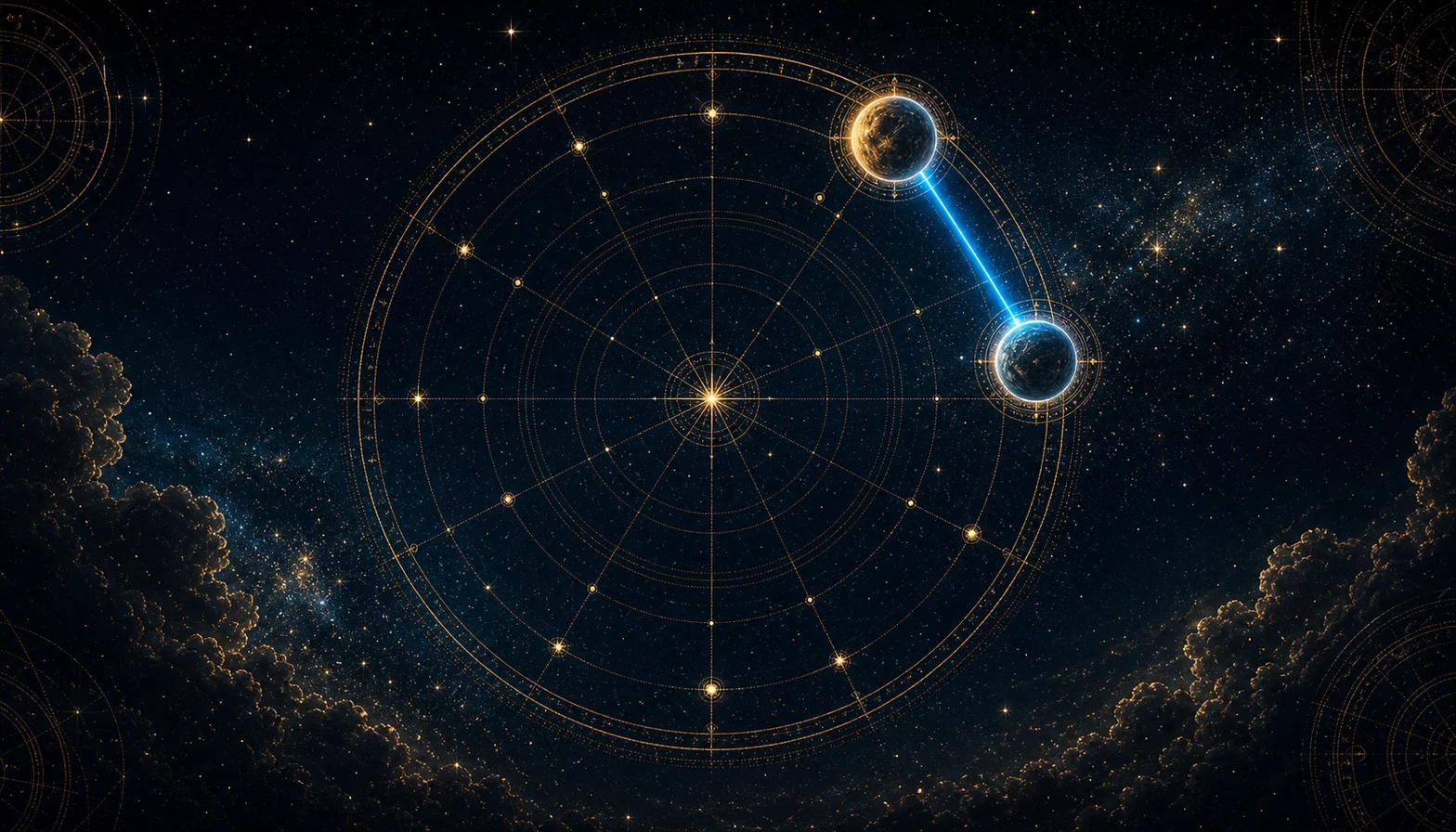
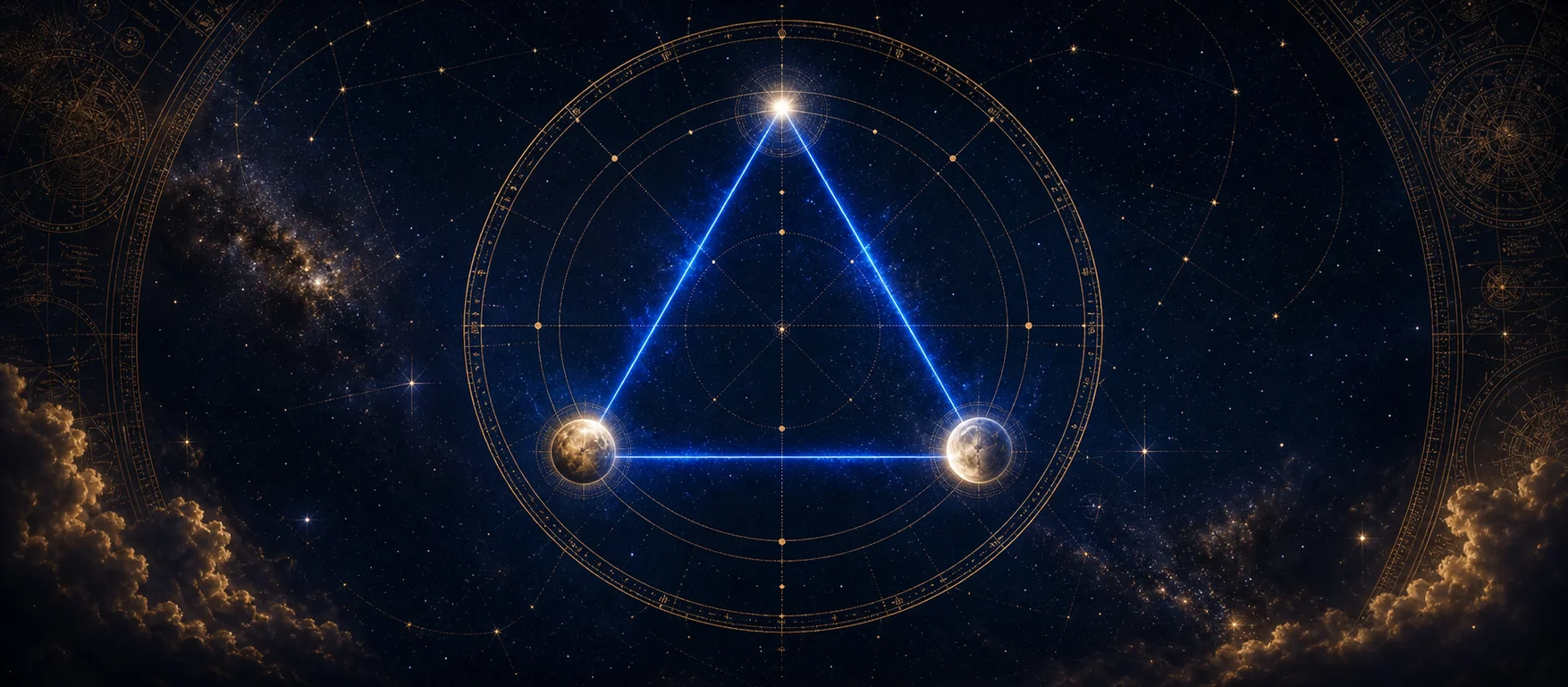
Astrological birth chart geometry with aspect lines
This visual introduces the aspect section; houses stay out of the main reading when the birth time is unknown.

How to read this chart

This section gives a concrete reading thread. It highlights the most visible signatures, then the tabs keep each placement separate instead of mixing everything together.

Important: Unknown birth time: the Rising sign, houses, and angular dominants are too time-sensitive to anchor the interpretation. The Moon remains useful, but its exact aspects can shift during the day: tight non-Moon aspects are more reliable when they exist.

Reading map

Start here: a short reading that shows what hooks, what helps, what pushes back, and where it becomes concrete.

1. Big Three, Personal Essence

Sun in Aries · Moon in Cancer

First hook: this is where the chart often becomes recognizable in real life. Sun in Aries: identity and direction move through initiative, speed, confrontation, and direct action; Moon in Cancer: emotional safety looks for memory, protection, belonging, and family sensitivity. Because the birth time is missing, reliable aspects should carry the next step before houses or angles.

2. Dominants (visible planets)

Dominants unavailable without reliable birth time

Angular dominants depend on birth time. Without a reliable hour, do not use them as primary evidence.

3. Important harmonious aspects

Harmonious circuit: Saturn, Uranus, and Neptune

This is the easiest door into the chart: it shows what tends to cooperate naturally.

This pattern describes what comes more easily. Houses are not used here: unknown time. It connects Saturn (responsibility, limits, effort, and patience), Uranus (change, freedom, rupture, and originality), and Neptune (dreams, ideals, imagination, and confusion).

This is the clearest cooperation pattern in the chart: Saturn trine Uranus (orb 0.6°) and Saturn trine Neptune (orb 3.6°). It shows where functions support each other, recover, or come naturally when used together. Because several planets are connected, the full pattern matters more than one isolated aspect.

  • Harmony Saturn trine Uranus (orb 0.6°) Trine: Saturn in Taurus can support Uranus in Capricorn naturally and positively.
  • Harmony Saturn trine Neptune (orb 3.6°) Trine: Saturn in Taurus can support Neptune in Capricorn naturally and positively. For this pair, the aspect gives positive ease giving solid form to a dream or collective image.
4. Important tensions

Tension circuit: Mercury, Neptune, Uranus, and Moon

This is the pressure line to read first: it shows where tension repeats in concrete situations.

This pattern shows where pressure builds fastest. Houses are not used here: unknown time. It connects Mercury (thinking, speech, and decisions), Neptune (dreams, ideals, imagination, and confusion), Uranus (change, freedom, rupture, and originality), and Moon (emotional needs, instinct, and inner safety).

This is the clearest friction pattern in the chart: Mercury square Uranus (orb 0.6°), Moon opposite Neptune (orb 1.9°), and Mercury square Neptune (orb 4.8°). It shows where pressure, contradiction, or repeated effort concentrates. Because several planets are connected, the full pattern matters more than one isolated aspect.

  • Tension Mercury square Uranus (orb 0.6°) Square in real life: the friction is between Mercury in Aries and Uranus in Capricorn. This can show as blockage, inhibition, overreaction, or repeated conflict between the two planets. For this pair, the aspect creates tension between thought, nervousness, rupture, and contradiction: the mind can cut too fast, provoke, or refuse the frame.
  • Tension Moon opposite Neptune (orb 1.9°) Opposition in real life: Moon in Cancer pulls one way, while Neptune in Capricorn answers from the other side. This can create alternation, contradiction, or the need to carry two opposite demands. For this pair, the aspect opposes personal dream or childhood image to dream, public image, or collective expectation.
  • Tension Mercury square Neptune (orb 4.8°) Square in real life: the friction is between Mercury in Aries and Neptune in Capricorn. This can show as blockage, inhibition, overreaction, or repeated conflict between the two planets. For this pair, the aspect creates tension between analysis, language, confusion, ideal, and collective perception.
5. Important houses

Houses unavailable without reliable birth time

Houses describe domains of existence, but they depend on birth time. Without a reliable hour, signs and aspects should carry the reading.


Sun
Sun in Aries Identity, ego, father figure
Moon
Moon in Cancer Dream, inner child, mother figure
The three foundations

Without a reliable birth time, the Sun, Moon, and exact aspects become the reliable base. The Rising sign, houses, and angular dominants need a reliable birth time.

The Moon can change signs during a day. Near a lunar sign change, the Moon sign remains a hypothesis.

Without a reliable hour, exact aspects and reliable repetitions can strongly nuance the starting reading.

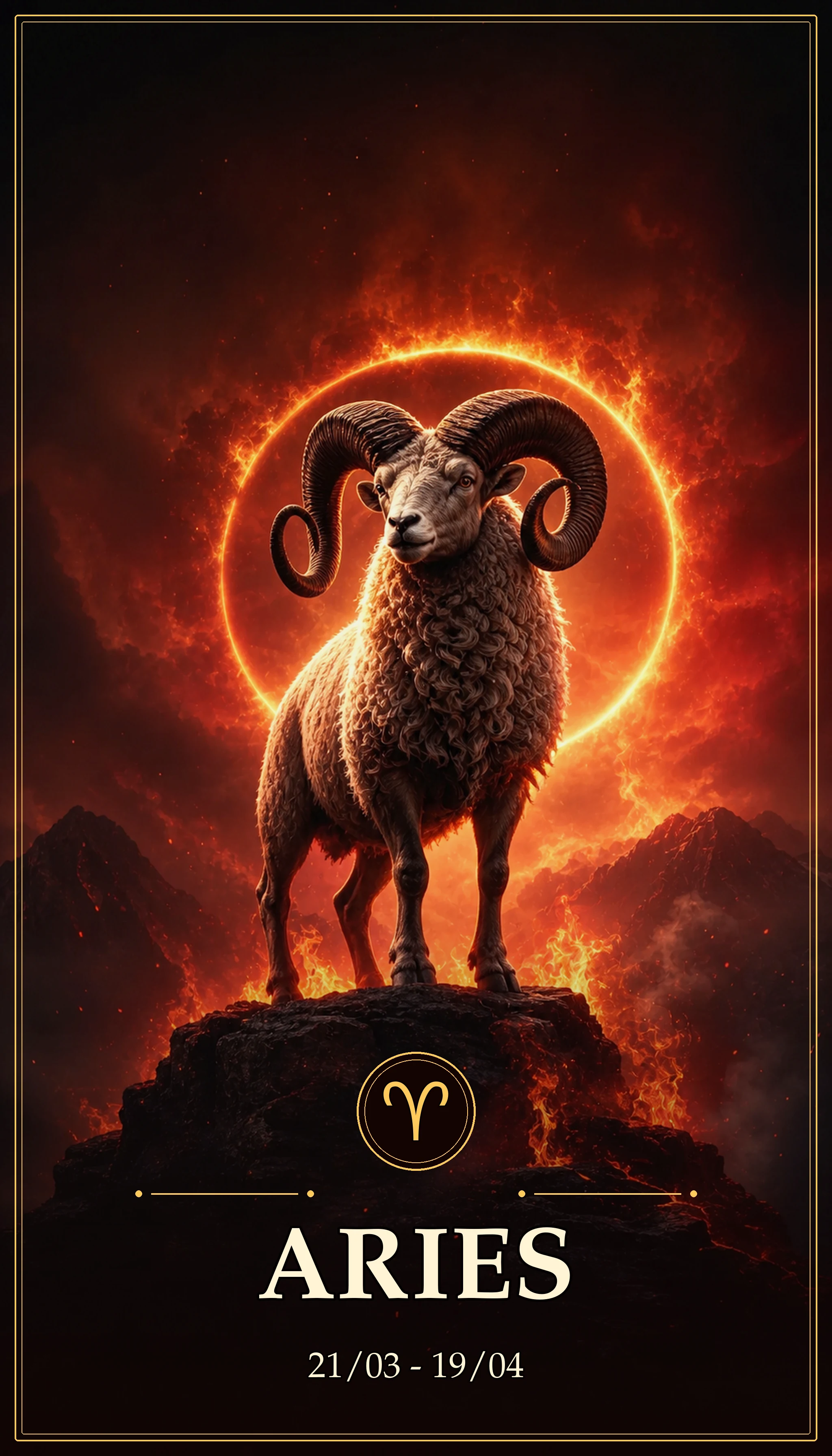
Gotthold Eisenstein has Sun in Aries

How to read this placement

Sun in Aries remains a reliable combination even without a birth time. The Sun describes identity, ego, father figure, visibility, and direction, with Aries style: initiative, speed, confrontation, and direct action.

More about this placement

Concretely, the person expresses identity, ego, father figure, recognition, and personal direction through the Aries style (initiative, speed, confrontation, and direct action). Exact aspects and repeated patterns indicate whether this theme becomes central.

With the Sun in Aries, identity forms through initiative, decision, and direct action. The person usually needs to feel that they can start things, take a position, and test themselves against resistance. This placement is less about being constantly aggressive than about needing movement and a clear target. At its best, it gives courage, speed, and the capacity to open a path before everyone has agreed. When it is unbalanced, the same fire can become impatience, unnecessary confrontation, or difficulty staying with a project after the first push.

    Sun conjunct Mars (orb 4.8°) brings the two planets out together. The orb is moderate; it stays secondary beside tighter signatures.

    Here, both planets use the same Aries style (initiative, speed, confrontation, and direct action). Sun in Aries brings identity, ego, father figure, visibility, and direction; Mars in Aries brings action, courage, competition, and effort.

    Concrete effect: this aspect makes ego, personal direction, courage, competition, and the need to act come out together.


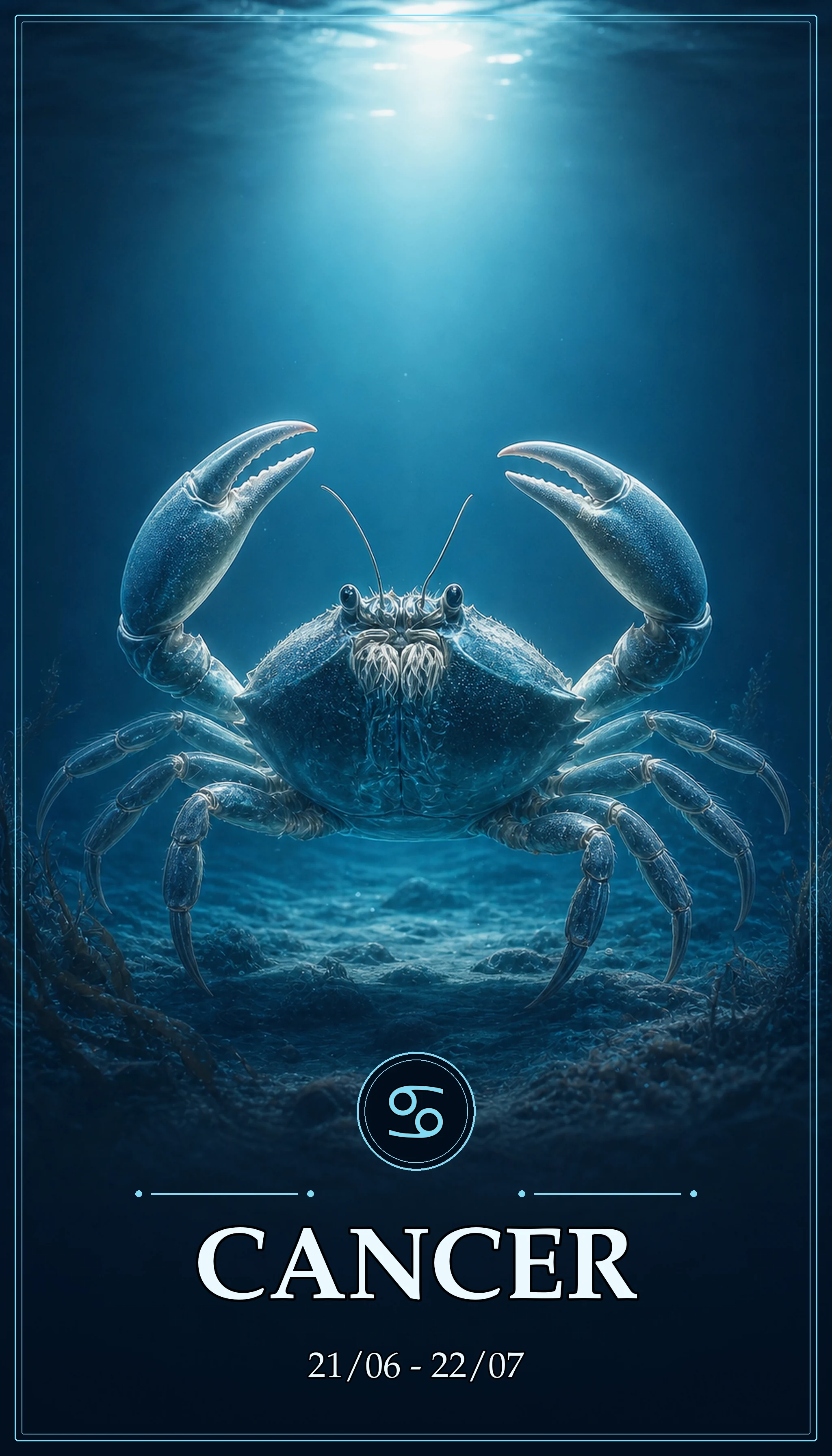
Gotthold Eisenstein has Moon in Cancer

How to read this placement

Moon in Cancer remains a useful base without a birth time. The Moon sign is often usable, but near a Moon sign change it remains a hypothesis; the Moon describes personal dream, play, inner child, childhood imprint, mother figure, mother image, optimism, and inner rhythm, with Cancer style: memory, protection, belonging, and family sensitivity.

More about this placement

Concretely, the person expresses personal dream, play instinct, inner child, childhood imprint, mother figure, mother image, optimism, and inner rhythm through the Cancer style (memory, protection, belonging, and family sensitivity). Exact aspects and repeated patterns indicate whether this theme becomes central.

Aspect connected to this placement: Moon opposite Neptune (orb 1.9°). Aspect effect: opposes personal dream or childhood image to dream, public image, or collective expectation.

With the Moon in Cancer, the inner child is tied to memory, family, home, care, belonging, and the mother image itself. The personal dream often begins with protection: creating a place, a family, a private shell, or a circle where life can soften. This Moon can give tenderness, intuition, loyalty to origins, and a strong instinct for what people need before they say it. It is powerful because it remembers. When defensive, it can withdraw, hold on to hurt, or wait for proof that someone is safe before opening again.

    Time-sensitive Moon aspect: Moon opposite Neptune (orb 1.9°). Because the birth time is unknown, the Moon's exact degree can shift during the day. This interpretation stays provisional and gains weight only if the aspect remains tight across the possible birth window or repeats another clear signature.

    Here, Moon in Cancer brings personal dream, play, inner child, childhood imprint, mother figure, mother image, optimism, and inner rhythm with Cancer style (memory, protection, belonging, and family sensitivity); Neptune in Capricorn brings imagination, image, popularity, collective moods, and inspiration with Capricorn style (structure, ambition, responsibility, and long construction).

    Concrete conflict: this aspect opposes personal dream or childhood image to dream, public image, or collective expectation.

    Time-sensitive Moon aspect: Moon opposite Lilith (orb 2.4°). Because the birth time is unknown, the Moon's exact degree can shift during the day. This interpretation stays provisional and gains weight only if the aspect remains tight across the possible birth window or repeats another clear signature.

    Here, Moon in Cancer brings personal dream, play, inner child, childhood imprint, mother figure, mother image, optimism, and inner rhythm with Cancer style (memory, protection, belonging, and family sensitivity); Lilith in Capricorn brings pure ideal, absolute demand, fascination, and refusal of compromise with Capricorn style (structure, ambition, responsibility, and long construction).

    Concrete conflict: this aspect opposes personal dream, childhood image, and mother image to ideal demand, fascination, or refusal to depend.


The Rising sign cannot be determined if the time is not known.


Mercury
Mercury Intellect, language, technique
Venus
Venus Desire, taste, attraction
Mars
Mars Action, courage, competition
Jupiter
Jupiter Fulfillment, confidence, horizons

Gotthold Eisenstein has Mercury in Aries

How to read this placement

Mercury in Aries remains a reliable combination even without a birth time. Mercury describes intellect, language, thought, and technique, with Aries style: initiative, speed, confrontation, and direct action.

More about this placement

Concretely, the person expresses thinking, speech, learning, technique, and mental strategy through the Aries style (initiative, speed, confrontation, and direct action). Exact aspects and repeated patterns indicate whether this theme becomes central.

Aspect connected to this placement: Mercury square Uranus (orb 0.6°). Aspect effect: creates tension between thought, nervousness, rupture, and contradiction: the mind can cut too fast, provoke, or refuse the frame.

With Mercury in Aries, the intellect moves fast and wants to reach a decision. The person often speaks directly, argues from instinct, and learns best by trying rather than waiting for perfect information. This placement can give mental courage, quick replies, tactical improvisation, and a talent for launching ideas. It is not built for endless hesitation. Under stress, it can interrupt, oversimplify, decide too quickly, or treat disagreement as a contest that must be won.

    Mercury square Uranus (orb 0.6°) creates concrete friction between the two planets. The orb is extremely tight; this aspect is one of the chart's strongest signals.

    Here, Mercury in Aries brings intellect, language, thought, and technique with Aries style (initiative, speed, confrontation, and direct action); Uranus in Capricorn brings disruption, independence, and change with Capricorn style (structure, ambition, responsibility, and long construction).

    Concrete friction: this aspect creates tension between thought, nervousness, rupture, and contradiction: the mind can cut too fast, provoke, or refuse the frame.

    Mercury square Neptune (orb 4.8°) creates concrete friction between the two planets. The orb is moderate; it stays secondary beside tighter signatures.

    Concrete friction: this aspect creates tension between analysis, language, confusion, ideal, and collective perception.


Gotthold Eisenstein has Venus in Taurus

How to read this placement

Venus in Taurus remains a reliable combination even without a birth time. Venus describes desire, taste, relationship, and attraction, with Taurus style: nature, good food, physical sensuality, roots, resources, and perseverance.

More about this placement

Concretely, the person expresses desire, taste, attraction, pleasure, and love style through the Taurus style (nature, good food, physical sensuality, roots, resources, and perseverance). Exact aspects and repeated patterns indicate whether this theme becomes central.

With Venus in Taurus, affection becomes steady, sensual, and attached to what can be touched, tasted, built, or trusted. The person often values loyalty, physical comfort, beauty, music, food, nature, and relationships that grow slowly enough to feel real. This is one of Venus's strongest signs, so pleasure and taste can be very concrete. It can give a calm charm and a strong need for stability. Under stress, it can become possessive, stubborn, too attached to comfort, or unwilling to move when the relationship needs change.


Gotthold Eisenstein has Mars in Aries

How to read this placement

Mars in Aries remains a reliable combination even without a birth time. Mars describes action, courage, competition, and effort, with Aries style: initiative, speed, confrontation, and direct action.

More about this placement

Concretely, the person expresses action, anger, courage, competition, and effort through the Aries style (initiative, speed, confrontation, and direct action). Exact aspects and repeated patterns indicate whether this theme becomes central.

With Mars in Aries, action is direct, fast, and instinctive. The person tends to act before the room has finished discussing the problem, and courage is often easier than patience. At best this gives initiative, physical drive, competitive freshness, and the ability to start things without asking permission. Under stress, the same Mars can become impulsive, blunt, reactive, or unable to wait for other people to catch up.


Gotthold Eisenstein has Jupiter in Gemini

How to read this placement

Jupiter in Gemini remains a reliable combination even without a birth time. Jupiter describes personal fulfillment, confidence, encouragement, and broader horizons, with Gemini style: curiosity, language, movement, and mental adaptation.

More about this placement

Concretely, the person expresses personal fulfillment, confidence, and opening of horizons through the Gemini style (curiosity, language, movement, and mental adaptation). Exact aspects and repeated patterns indicate whether this theme becomes central.

With Jupiter in Gemini, the person finds fulfillment through learning, conversation, writing, humor, mobility, and the exchange of information. They often become more confident by connecting people, collecting ideas, explaining things, or keeping several interests alive. This Jupiter can give social intelligence, curiosity, verbal generosity, and a lively relation to knowledge. Under stress, it can become scattered, superficial, too talkative, or unable to stay with one direction long enough to deepen it.


Saturn
Saturn Discipline, limits, structure
Uranus
Uranus Freedom, rupture, invention
Neptune
Neptune Image, popularity, inspiration
Pluto
Pluto Crisis, power, regeneration
Lilith
Lilith Ideal, fascination, refusal

Gotthold Eisenstein has Saturn in Taurus

How to read this placement

Saturn in Taurus remains a reliable combination even without a birth time. Saturn describes discipline, constraint, endurance, and mastery, with Taurus style: nature, good food, physical sensuality, roots, resources, and perseverance.

More about this placement

Concretely, the person expresses discipline, limits, duty, fear, and long construction through the Taurus style (nature, good food, physical sensuality, roots, resources, and perseverance). Exact aspects and repeated patterns indicate whether this theme becomes central.

Aspect connected to this placement: Saturn trine Uranus (orb 0.6°). Aspect effect: gives natural positive support between Saturn (discipline, constraint, endurance, and mastery) and Uranus (disruption, independence, and change).

With Saturn in Taurus, discipline is applied to security, money, body, comfort, and concrete resources. The person often learns slowly, builds patiently, and wants proof that something will last before trusting it. This placement can give endurance, practical management, loyalty to simple realities, and a strong ability to preserve what matters. Under stress, it can become fear of lack, resistance to change, or difficulty enjoying life until everything feels materially safe.

    Saturn trine Uranus (orb 0.6°) shows positive structural ease between the two planets. The orb is extremely tight; this aspect is one of the chart's strongest signals.

    Here, Saturn in Taurus brings discipline, constraint, endurance, and mastery with Taurus style (nature, good food, physical sensuality, roots, resources, and perseverance); Uranus in Capricorn brings disruption, independence, and change with Capricorn style (structure, ambition, responsibility, and long construction).

    Concrete support: this aspect gives natural positive support between Saturn (discipline, constraint, endurance, and mastery) and Uranus (disruption, independence, and change).

    Saturn trine Neptune (orb 3.6°) shows positive structural ease between the two planets. The orb is moderate; it stays secondary beside tighter signatures.

    Concrete support: this aspect gives positive ease giving solid form to a dream or collective image.


Gotthold Eisenstein has Uranus in Capricorn

How to read this placement

Uranus in Capricorn remains a reliable combination even without a birth time. Uranus describes disruption, independence, and change, with Capricorn style: structure, ambition, responsibility, and long construction.

More about this placement

Concretely, the person expresses freedom, disruption, broken rhythms, and the need for independence through the Capricorn style (structure, ambition, responsibility, and long construction). Exact aspects and repeated patterns indicate whether this theme becomes central.

With Uranus in Capricorn, independence expresses itself through career, hierarchy, institutions, authority, and public structure. The person may challenge old systems from inside the system, or build a professional path that does not follow the expected ladder. This placement can give strategic reform, practical innovation, and the ability to modernize rigid organizations. Under stress, it can bring sudden career breaks, conflict with authority, or a cold need to overturn structures before knowing what replaces them.


Gotthold Eisenstein has Neptune in Capricorn

How to read this placement

Neptune in Capricorn remains a reliable combination even without a birth time. Neptune describes imagination, image, popularity, collective moods, and inspiration, with Capricorn style: structure, ambition, responsibility, and long construction.

More about this placement

Concretely, the person expresses imagination, image, popularity, and the ability to read collective currents through the Capricorn style (structure, ambition, responsibility, and long construction). Exact aspects and repeated patterns indicate whether this theme becomes central.

With Neptune in Capricorn, the dream function takes the color of authority, career, status, institutions, rules, and long-term ambition. The person may sense collective moods through the image of success, the myth of the leader, or the desire to give a dream a concrete structure. This placement can give strategic imagination, public mystique, and the ability to make institutions carry symbolic power. Under stress, it can idealize authority, blur ethical lines around ambition, or make achievement feel like salvation.


Gotthold Eisenstein has Pluto in Aries

How to read this placement

Pluto in Aries remains a reliable combination even without a birth time. Pluto describes crisis, power, survival, and regeneration, with Aries style: initiative, speed, confrontation, and direct action.

More about this placement

Concretely, the person expresses crisis, power, sexuality, survival, and transformation through the Aries style (initiative, speed, confrontation, and direct action). Exact aspects and repeated patterns indicate whether this theme becomes central.

With Pluto in Aries, power concentrates around action, survival, conflict, courage, and the need to act on one's own will. The person may feel life as a confrontation that reveals strength, weakness, fear, and desire. This placement can give fierce regeneration, instinctive leadership, and the ability to restart after conflict or rupture. Under stress, it can become domination, impulsive destruction, obsession with winning, or a tendency to treat every disagreement as a fight for control.


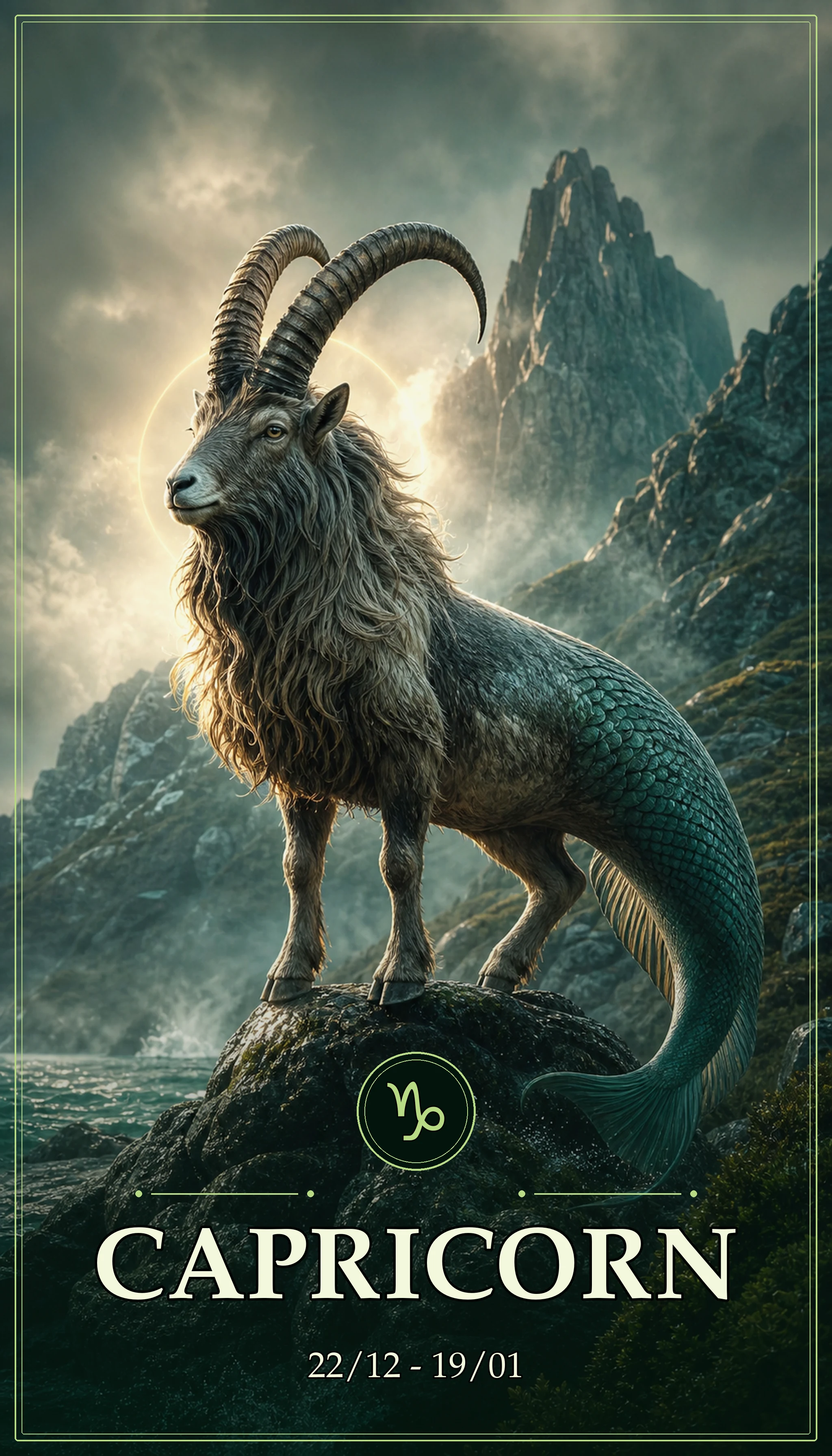
Gotthold Eisenstein has Lilith in Capricorn

How to read this placement

Lilith in Capricorn remains a reliable combination even without a birth time. Lilith describes pure ideal, absolute demand, fascination, and refusal of compromise, with Capricorn style: structure, ambition, responsibility, and long construction.

More about this placement

Concretely, the person expresses the pure ideal, absolute demand, desire, fascination, and what refuses to become ordinary through the Capricorn style (structure, ambition, responsibility, and long construction). Exact aspects and repeated patterns indicate whether this theme becomes central.

With Black Moon Lilith in Capricorn, the non-negotiable point concerns ambition, authority, status, discipline, and the right to build life on one's own terms. The person may refuse weakness, dependency, public humiliation, or social rules that demand obedience without respect. This placement can give severe determination, magnetic authority, and a powerful instinct for the price of success. Under stress, it can become cold control, contempt for vulnerability, obsession with achievement, or refusal to rest.