Logo

Birth chart of Ferruccio Garavaglia

Ferruccio Garavaglia birth chart is shown with zodiac signs, planetary houses, and aspects so it can be read as a complete astrological structure rather than a single Sun sign.

Ferruccio Garavaglia's chart is framed by Sun in Taurus, Moon in Leo, and Capricorn Rising. These three factors give identity and ego, personal dream, play, childhood image, and first impression before the details.

Chart detail:

Moon trine Mercury (orb 1.7°) gives a central dynamic in this reading. The orb is very tight; this describes a stable character pattern more than a passing reaction.

In plain terms, this aspect gives natural support between memory, personal dream, and intellect: words can give clear form to the inner child. Mother-image layer: childhood, mother image, and inner child are supported by Mercury.

Because the birth time is available, houses and angular dominants can be used, with each conclusion tied to a precise chart combination.

Learn the zodiac signs  ·  Learn the planets  ·  Learn the houses  ·  Browse celebrity charts  ·  Calculate your own birth chart

Displayed: 01/05/1868, 01:00 at San Zenone al Po, Italy
(9°20' E, 45°04' N, GMT 0.832222222222222).

Source: Astro-Databank
RSIIIIIIVVVIVIIVIIIIXMHXIXII5°52'15°27'15°44'9°41'4°0'2°21'14°36'26°10'25°31'27°13'10°53'
Displayed: 01/05/1868, 01:00 at San Zenone al Po, Italy
(9°20' E, 45°04' N, GMT 0.832222222222222).

Source: Astro-Databank

Sun Taurus
Taurus

Sun in Taurus

Moon Leo
Leo

Moon in Leo

RS Capricorn
Capricorn

Rising sign in Capricorn


Element Sign Degrees Speed House
Sun Taurus 10° 52' 47" 0.969 / day 3
Moon Leo 27° 12' 50" 14.058 / day 7
Mercury Aries 25° 31' 27" 1.851 / day 2
Venus Gemini 26° 09' 32" 1.01 / day 5
Mars Aries 14° 36' 25" 0.764 / day 2
Jupiter Aries 02° 21' 01" 0.214 / day 2
Saturn Sagittarius 04° 00' 08" R -0.065 / day 10
Uranus Cancer 09° 40' 35" 0.037 / day 6
Neptune Aries 15° 44' 03" 0.034 / day 2
Pluto Taurus 15° 27' 25" 0.022 / day 3
Lilith Aquarius 05° 51' 43" 0.11 / day 1
RS Capricorn 26° 36' 19"
MH Scorpio 23° 27' 46"

Click on a planet

 Log in or create and account to be able to save your own charts (it's free!).


Analysis

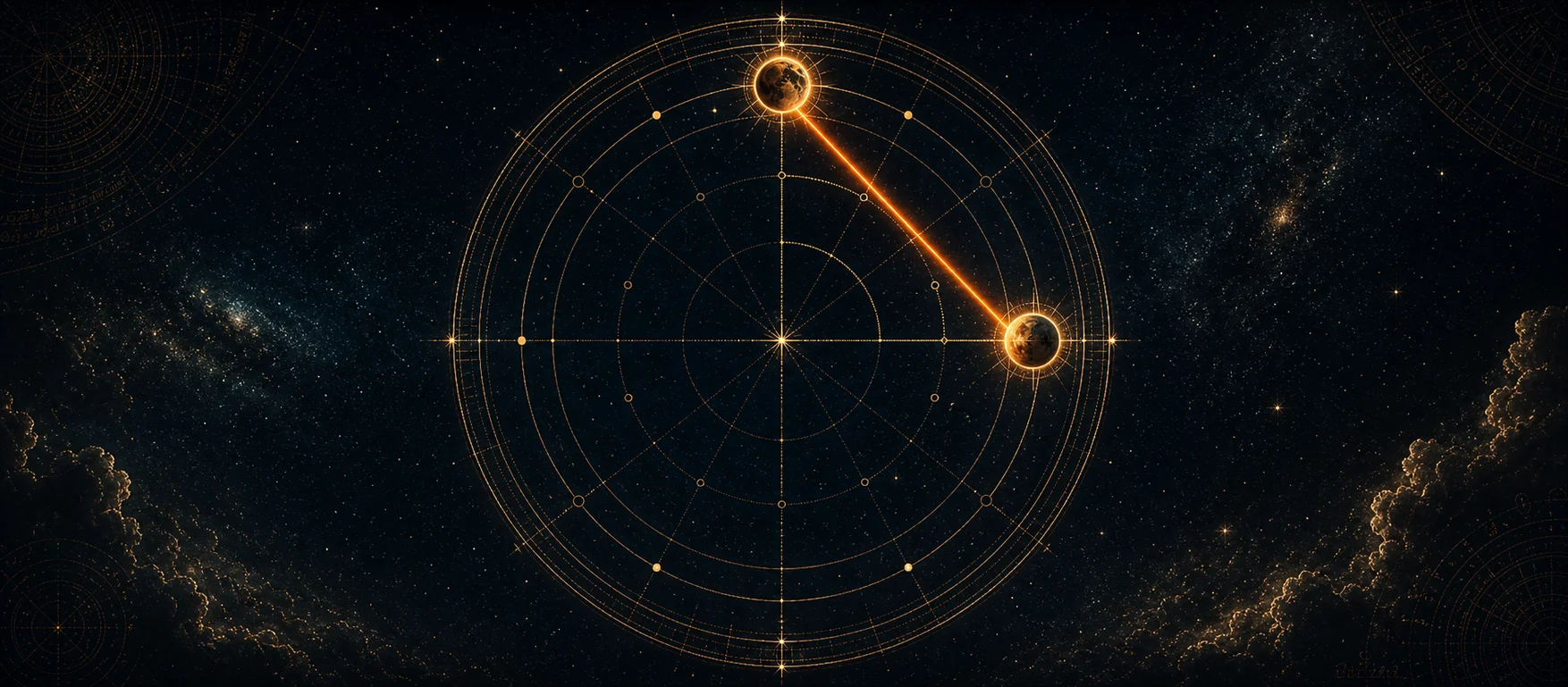
Astrological birth chart geometry with aspect lines
This visual shows the chart geometry before the reading separates the Big Three, planets, houses, and aspects.

How to read this chart

This section gives a concrete reading thread. It highlights the most visible signatures, then the tabs keep each placement separate instead of mixing everything together.

Reading map

Start here: a short reading that shows what hooks, what helps, what pushes back, and where it becomes concrete.

1. Big Three, Personal Essence

Sun in Taurus · Moon in Leo · Capricorn Rising

First hook: this is where the chart often becomes recognizable in real life. Sun in Taurus: identity and direction move through nature, good food, physical sensuality, roots, resources, and perseverance; Moon in Leo: emotional safety looks for presence, pride, creation, and the wish to be seen; Capricorn Rising: the first way into situations uses structure, ambition, responsibility, and long construction. Then read the supports, tensions, and houses to see where this base becomes easy, charged, or visible.

2. Dominants (visible planets)

No clear angular dominant

No planet is close enough to an angle to dominate visibly. Read the Big Three, exact aspects, and important houses instead.

3. Important harmonious aspects

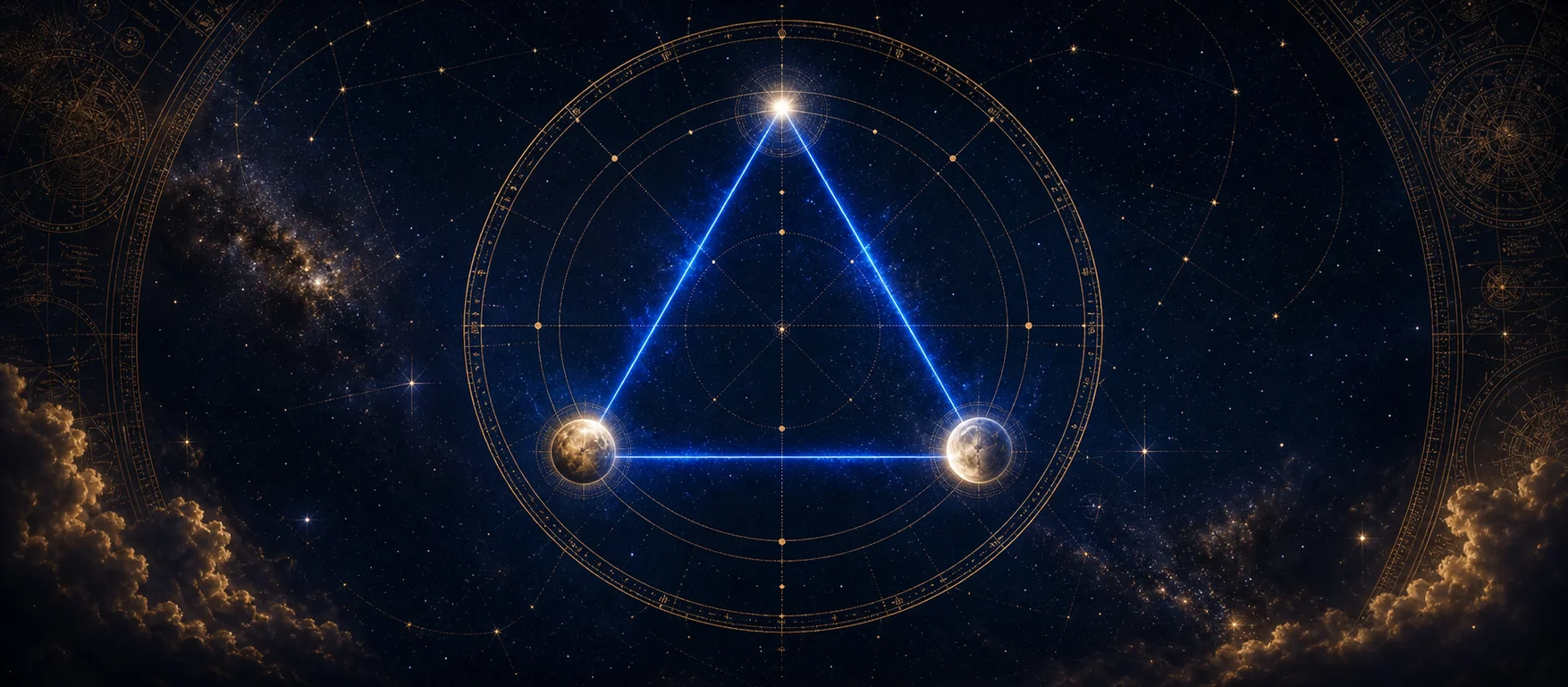
Harmonious triangle: Moon, Mercury, and Venus

This is the easiest door into the chart: it shows what tends to cooperate naturally.

This pattern describes what comes more easily. It shows up mainly through House 7 (partners, contracts, and direct encounters with others), House 2 (money, security, and self-worth), and House 5 (creativity, romance, play, and personal visibility). It connects Moon (emotional needs, instinct, and inner safety), Mercury (thinking, speech, and decisions), and Venus (attraction, pleasure, taste, and relationships).

This is the clearest cooperation pattern in the chart: Moon trine Mercury (orb 1.7°), Moon sextile Venus (orb 1.1°), and Mercury sextile Venus (orb 0.6°). It shows where functions support each other, recover, or come naturally when used together. Because several planets are connected, the full pattern matters more than one isolated aspect.

  • Harmony Moon trine Mercury (orb 1.7°) Trine: Moon in Leo in House 7 can support Mercury in Aries in House 2 naturally and positively. For this pair, the aspect gives natural support between memory, personal dream, and intellect: words can give clear form to the inner child. Mother-image layer: childhood, mother image, and inner child are supported by Mercury.
  • Harmony Moon sextile Venus (orb 1.1°) Sextile: Moon in Leo in House 7 can cooperate with Venus in Gemini in House 5 in the same concrete choice or situation. For this pair, the aspect lets personal dream and Venus cooperate when the person chooses to make connection, art, or pleasure more alive. Mother-image layer: childhood, mother image, and inner child can cooperate with Venus.
  • Harmony Mercury sextile Venus (orb 0.6°) Sextile: Mercury in Aries in House 2 can cooperate with Venus in Gemini in House 5 in the same concrete choice or situation. For this pair, the aspect lets intellect and Venus cooperate in speech, art, negotiation, or the formulation of desire.
4. Important tensions

Tension link: Mars and Uranus

This is the pressure line to read first: it shows where tension repeats in concrete situations.

This pattern shows where pressure builds fastest. It shows up mainly through House 2 (money, security, and self-worth) and House 6 (work, routines, health, and daily organization). It connects Mars (action, anger, desire, and courage) and Uranus (change, freedom, rupture, and originality).

This is the clearest friction pattern in the chart: Mars square Uranus (orb 4.9°). It shows where pressure, contradiction, or repeated effort concentrates. No wider group outranks this link, so read it as a strong but isolated signal.

  • Tension Mars square Uranus (orb 4.9°) Square in real life: House 2 (resources, values, and security) is in friction with House 6 (daily work, technique, and bodily discipline); this can create blockage, inhibition, overreaction, or repeated conflict between the two fields. For this pair, the aspect creates explosive tension between impulse, anger, speed, and independence.
5. Important houses

These houses answer the concrete question: where in life does the chart become visible? Look here for the repeated choices, relationships, work, or crises that make the rest of the chart real.

  • House 2: Mercury, Mars, Jupiter, and Neptune resources, values, and security.
  • House 3: Sun and Pluto speech, learning, and the close environment.
  • House 7: Moon relationship, confrontation, and the mirror of others.


Sun
Sun in Taurus Identity, ego, father figure
Moon
Moon in Leo Dream, inner child, mother figure
Rising sign Capricorn
Rising in Capricorn First impression, entry style
The three foundations

Start from the three base placements below: the Sun gives identity, ego, and father image; the Moon gives personal dream, play, childhood imprint, mother image, and the inner child; the Rising sign gives first impression, body language, and entry style. Then dominant planets and exact aspects show what carries the most weight.

With no tight angular dominant, very exact aspects and repeated themes carry more weight after these three foundations.

Ferruccio Garavaglia has Sun in Taurus, in the House 3

How to read this placement

Sun in Taurus in House 3 is one concrete combination: the Sun gives identity, ego, father figure, visibility, and direction, the Taurus style gives nature, good food, physical sensuality, roots, resources, and perseverance, and House 3 gives the life field: speech, learning, and the close environment.

More about this placement

Concretely, this placement brings identity, ego, father figure, recognition, and personal direction into speech, writing, learning, short trips, and the everyday environment. House 3 (speech, learning, and the close environment) gives the field; exact aspects show whether the planet is supported, blocked, fused, or contradicted.

Aspect connected to this placement: Sun sextile Uranus (orb 1.2°). Aspect effect: lets identity and originality cooperate actively. Father-image layer: ego, personal direction, and the father imprint can cooperate with Uranus.

With the Sun in Taurus, identity forms through stability, embodiment, value, and continuity. The person often needs to build something that can be touched, kept, trusted, or slowly improved. This placement gives endurance and a strong relation to the body, comfort, money, craft, voice, land, or material quality. It is not simply laziness or stubbornness; it is a need to know what is real and worth preserving. When it is rigid, the person may resist necessary change or confuse security with control.
In the 3rd house, the Sun puts identity into speech, learning, siblings, local movement, and the everyday exchange of information. The person often becomes more themselves by asking, explaining, writing, debating, teaching, or connecting people and ideas. Their ego needs movement and mental contact rather than silence or isolation. At best, this gives curiosity, verbal confidence, and a strong ability to name what is happening around them. Under stress, it can become nervous self-display, scattered attention, or a need to always have the last word.

    Sun sextile Uranus (orb 1.2°) shows active cooperation between the two planets. The orb is very tight; this describes a stable character pattern more than a passing reaction.

    Here, Sun in Taurus in House 3 brings identity, ego, father figure, visibility, and direction into House 3 (speech, learning, and the close environment), with Taurus style (nature, good food, physical sensuality, roots, resources, and perseverance); Uranus in Cancer in House 6 brings disruption, independence, and change into House 6 (daily work, technique, and bodily discipline), with Cancer style (memory, protection, belonging, and family sensitivity).

    Concrete cooperation: identity and originality can cooperate actively. Father-image layer: ego, personal direction, and the father imprint can cooperate with Uranus.

    Sun conjunct Pluto (orb 4.6°) brings the two planets out together. The orb is moderate; it stays secondary beside tighter signatures.

    Here, both planets pass through the same life area: House 3 (speech, learning, and the close environment), with the same Taurus style (nature, good food, physical sensuality, roots, resources, and perseverance). Sun in Taurus in House 3 brings identity, ego, father figure, visibility, and direction; Pluto in Taurus in House 3 brings crisis, power, survival, and regeneration.

    Concrete effect: this aspect joins the Sun to Pluto: identity, ego, father image, power, crisis, and survival instinct come out together.

    Sun square Lilith (orb 5°) creates concrete friction between the two planets. The orb is moderate; it stays secondary beside tighter signatures.

    Concrete friction: this aspect puts ego and personal image under pressure from Lilith's absolute ideal and refusal of compromise. House 3 (speech, learning, and the close environment) is in friction with House 1 (presence, body, and the way experience is entered); this can create blockage, inhibition, overreaction, or repeated conflict between the two fields.


Ferruccio Garavaglia has Moon in Leo, in the House 7

How to read this placement

Moon in Leo in House 7 is one concrete combination: the Moon gives personal dream, play, inner child, childhood imprint, mother figure, mother image, optimism, and inner rhythm, the Leo style gives presence, pride, creation, and the wish to be seen, and House 7 gives the life field: relationship, confrontation, and the mirror of others.

More about this placement

Concretely, this placement brings personal dream, play instinct, inner child, childhood imprint, mother figure, mother image, optimism, and inner rhythm into partners, clients, opponents, negotiations, and direct confrontations. House 7 (relationship, confrontation, and the mirror of others) gives the field; exact aspects show whether the planet is supported, blocked, fused, or contradicted.

Aspect connected to this placement: Moon trine Mercury (orb 1.7°). Aspect effect: gives natural support between memory, personal dream, and intellect: words can give clear form to the inner child. Mother-image layer: childhood, mother image, and inner child are supported by Mercury.

With the Moon in Leo, the inner child wants warmth, play, recognition, loyalty, and love that is visible rather than hidden. The personal dream often has a creative or theatrical tone: to shine, to be loved openly, to protect the heart, and to make life feel generous. This Moon can give confidence, joy, dramatic instinct, and the ability to lift the mood of a room. The mother image or childhood imprint may be linked to pride, attention, performance, or the need to feel special. When hurt, it can become proud, theatrical, or unable to admit how much approval matters.
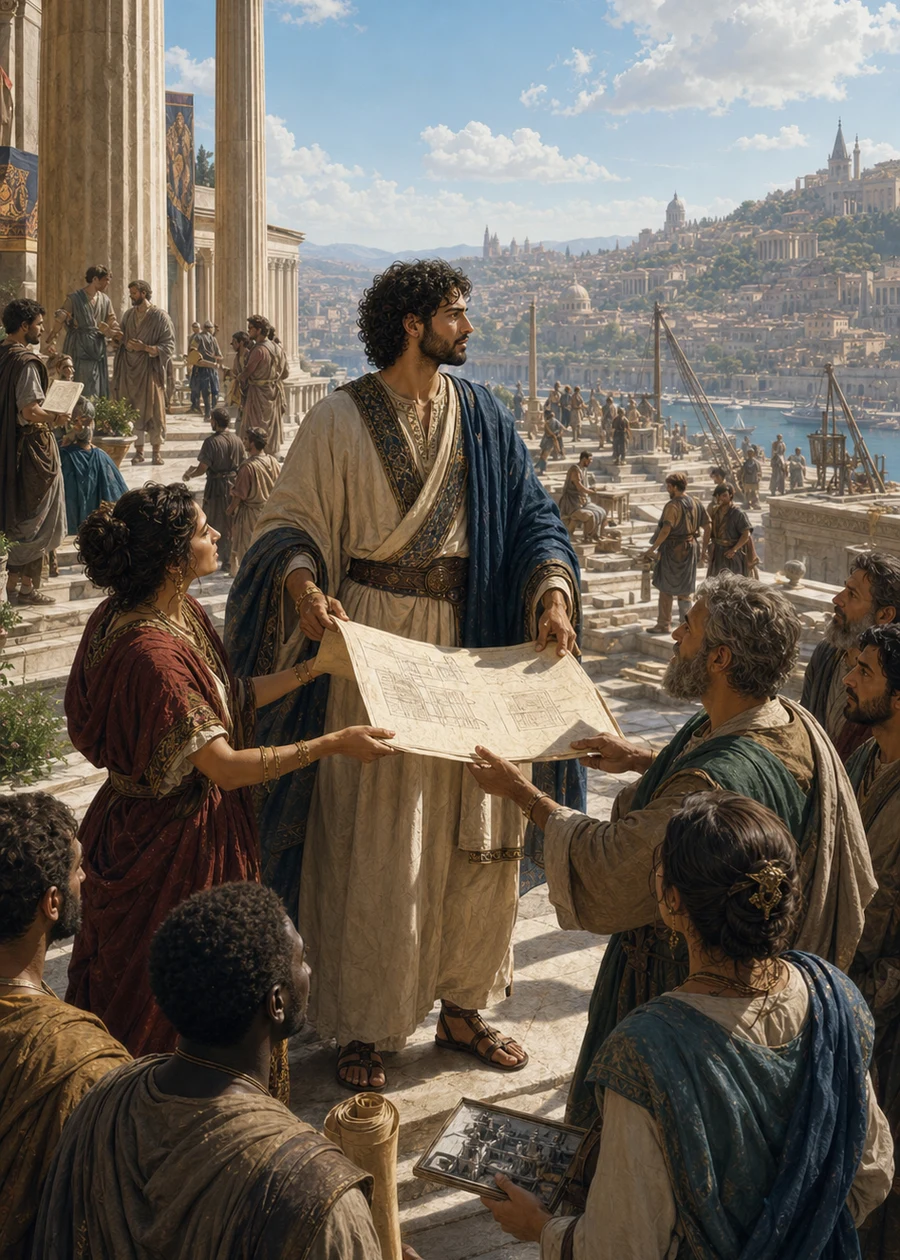
In the 7th house, the Moon brings personal dream, inner child, and childhood imprint into partnership, confrontation, clients, opponents, and the mirror of other people. The person often discovers their feelings through relationship: a partner's mood, approval, absence, or conflict can strongly affect inner security. The inner child looks for companionship and may need to feel chosen. At best, this gives relational sensitivity, tenderness, and a gift for sensing what another person needs. Under stress, it can become dependency, projection, fear of being alone, or changing too much to keep the relationship safe.
    Moon sextile Venus (orb 1.1°) shows active cooperation between the two planets. The orb is very tight; this describes a stable character pattern more than a passing reaction.

    Here, Moon in Leo in House 7 brings personal dream, play, inner child, childhood imprint, mother figure, mother image, optimism, and inner rhythm into House 7 (relationship, confrontation, and the mirror of others), with Leo style (presence, pride, creation, and the wish to be seen); Venus in Gemini in House 5 brings desire, taste, relationship, and attraction into House 5 (creation, performance, and personal expression), with Gemini style (curiosity, language, movement, and mental adaptation).

    Concrete cooperation: personal dream and Venus can cooperate when the person chooses to make connection, art, or pleasure more alive. Mother-image layer: childhood, mother image, and inner child can cooperate with Venus.

    Moon trine Mercury (orb 1.7°) shows positive structural ease between the two planets. The orb is very tight; this describes a stable character pattern more than a passing reaction.

    Here, Moon in Leo in House 7 brings personal dream, play, inner child, childhood imprint, mother figure, mother image, optimism, and inner rhythm into House 7 (relationship, confrontation, and the mirror of others), with Leo style (presence, pride, creation, and the wish to be seen); Mercury in Aries in House 2 brings intellect, language, thought, and technique into House 2 (resources, values, and security), with Aries style (initiative, speed, confrontation, and direct action).

    Concrete support: this aspect gives natural support between memory, personal dream, and intellect: words can give clear form to the inner child. Mother-image layer: childhood, mother image, and inner child are supported by Mercury.


Ferruccio Garavaglia has Rising sign in Capricorn

How to read this placement

Capricorn Rising combines the Rising sign with the sign on the first-house cusp. The Rising sign describes first impression, body language, reflexes, and the way the person enters situations; the Capricorn style gives structure, ambition, responsibility, and long construction.

More about this placement

Concretely, this signature appears through immediate presence: posture, arrival rhythm, spontaneous reaction, and first contact with other people. A planet close to the Rising sign can become louder than the sign itself.

Capricorn rising gives a composed first impression: control, seriousness, endurance, and a sense of responsibility. The person may seem older, guarded, or already carrying a role, entering life through structure, effort, and long-term direction.


Mercury
Mercury Intellect, language, technique
Venus
Venus Desire, taste, attraction
Mars
Mars Action, courage, competition
Jupiter
Jupiter Fulfillment, confidence, horizons

Ferruccio Garavaglia has Mercury in Aries, in the House 2

How to read this placement

Mercury in Aries in House 2 is one concrete combination: Mercury gives intellect, language, thought, and technique, the Aries style gives initiative, speed, confrontation, and direct action, and House 2 gives the life field: resources, values, and security.

More about this placement

Concretely, this placement brings thinking, speech, learning, technique, and mental strategy into personal money, possessions, security needs, and value choices. House 2 (resources, values, and security) gives the field; exact aspects show whether the planet is supported, blocked, fused, or contradicted.

With Mercury in Aries, the intellect moves fast and wants to reach a decision. The person often speaks directly, argues from instinct, and learns best by trying rather than waiting for perfect information. This placement can give mental courage, quick replies, tactical improvisation, and a talent for launching ideas. It is not built for endless hesitation. Under stress, it can interrupt, oversimplify, decide too quickly, or treat disagreement as a contest that must be won.
In the 2nd house, Mercury puts intellect into money, skills, voice, resources, possessions, and personal value. The person may learn best through practical use and may think carefully about what can be built, earned, stored, sold, or made useful. Speech can become a resource: a voice, a craft, a technical skill, or a way to negotiate value. At best, this gives business sense, practical intelligence, and the ability to turn ideas into tangible assets. Under stress, it can become worry about money, mental attachment to security, or reducing value to what can be counted.

    Mercury sextile Venus (orb 0.6°) shows active cooperation between the two planets. The orb is extremely tight; this aspect is one of the chart's strongest signals.

    Here, Mercury in Aries in House 2 brings intellect, language, thought, and technique into House 2 (resources, values, and security), with Aries style (initiative, speed, confrontation, and direct action); Venus in Gemini in House 5 brings desire, taste, relationship, and attraction into House 5 (creation, performance, and personal expression), with Gemini style (curiosity, language, movement, and mental adaptation).

    Concrete cooperation: intellect and Venus can cooperate in speech, art, negotiation, or the formulation of desire.

    Same aspect, other side: the full reading is under the other planet, and it also applies to Mercury.

    Open the full aspect reading under Moon


Ferruccio Garavaglia has Venus in Gemini, in the House 5

How to read this placement

Venus in Gemini in House 5 is one concrete combination: Venus gives desire, taste, relationship, and attraction, the Gemini style gives curiosity, language, movement, and mental adaptation, and House 5 gives the life field: creation, performance, and personal expression.

More about this placement

Concretely, this placement brings desire, taste, attraction, pleasure, and love style into creation, play, performance, children, and personal risk-taking. House 5 (creation, performance, and personal expression) gives the field; exact aspects show whether the planet is supported, blocked, fused, or contradicted.

With Venus in Gemini, affection moves through words, humor, curiosity, and mental stimulation. The person often needs conversation, play, messages, variety, and a partner who keeps the mind awake. Attraction can begin through voice, wit, style of thinking, or the pleasure of discovering someone from many angles. This placement can be socially light and charming without being shallow. Under stress, it can scatter desire, flirt without follow-through, or keep things clever when the heart needs a clearer answer.
In the 5th house, Venus puts attraction and pleasure into romance, creativity, children, play, performance, and joy. Love wants expression here: art, flirting, celebration, style, leisure, and the pleasure of being seen. The person may naturally enjoy beauty, entertainment, and affectionate attention. At best, this gives creative charm, romantic warmth, artistic ease, and a generous capacity for delight. Under stress, it can become dependency on admiration, love of drama, romantic indulgence, or difficulty taking desire seriously when it stops being fun.


Ferruccio Garavaglia has Mars in Aries, in the House 2

How to read this placement

Mars in Aries in House 2 is one concrete combination: Mars gives action, courage, competition, and effort, the Aries style gives initiative, speed, confrontation, and direct action, and House 2 gives the life field: resources, values, and security.

More about this placement

Concretely, this placement brings action, anger, courage, competition, and effort into personal money, possessions, security needs, and value choices. House 2 (resources, values, and security) gives the field; exact aspects show whether the planet is supported, blocked, fused, or contradicted.

Aspect connected to this placement: Mars conjunct Neptune (orb 1.1°). Aspect effect: mixes action, courage, image, inspiration, popularity, and sensitivity to collective moods.

With Mars in Aries, action is direct, fast, and instinctive. The person tends to act before the room has finished discussing the problem, and courage is often easier than patience. At best this gives initiative, physical drive, competitive freshness, and the ability to start things without asking permission. Under stress, the same Mars can become impulsive, blunt, reactive, or unable to wait for other people to catch up.
In the 2nd house, Mars puts action into money, resources, possessions, body, voice, and personal value. The person may fight for security, work hard to earn, and defend what belongs to them. Desire becomes concrete here: it wants objects, results, physical comfort, and proof of value. At best, this gives productive drive, financial courage, and the ability to build resources through effort. Under stress, it can become possessiveness, spending from impulse, conflict over money, or anger when self-worth feels threatened.

    Mars conjunct Neptune (orb 1.1°) brings the two planets out together. The orb is very tight; this describes a stable character pattern more than a passing reaction.

    Here, both planets pass through the same life area: House 2 (resources, values, and security), with the same Aries style (initiative, speed, confrontation, and direct action). Mars in Aries in House 2 brings action, courage, competition, and effort; Neptune in Aries in House 2 brings imagination, image, popularity, collective moods, and inspiration.

    Concrete effect: this aspect mixes action, courage, image, inspiration, popularity, and sensitivity to collective moods.

    Mars square Uranus (orb 4.9°) creates concrete friction between the two planets. The orb is moderate; it stays secondary beside tighter signatures.

    Concrete friction: this aspect creates explosive tension between impulse, anger, speed, and independence. House 2 (resources, values, and security) is in friction with House 6 (daily work, technique, and bodily discipline); this can create blockage, inhibition, overreaction, or repeated conflict between the two fields.


Ferruccio Garavaglia has Jupiter in Aries, in the House 2

How to read this placement

Jupiter in Aries in House 2 is one concrete combination: Jupiter gives personal fulfillment, confidence, encouragement, and broader horizons, the Aries style gives initiative, speed, confrontation, and direct action, and House 2 gives the life field: resources, values, and security.

More about this placement

Concretely, this placement brings personal fulfillment, confidence, and opening of horizons into personal money, possessions, security needs, and value choices. House 2 (resources, values, and security) gives the field; exact aspects show whether the planet is supported, blocked, fused, or contradicted.

Aspect connected to this placement: Jupiter trine Saturn (orb 1.6°). Aspect effect: gives ease growing without losing structure.

With Jupiter in Aries, the person finds fulfillment through initiative, courage, competition, and the right to begin. They often become more confident when life offers a challenge, a risk, or a clear first move. This Jupiter encourages boldness, entrepreneurship, physical enthusiasm, and the feeling that opportunity opens when one acts. Under stress, it can become impatient, self-centered, reckless, or unable to distinguish confidence from mere impulse.
With Jupiter in the 2nd house, the person finds fulfillment through resources, voice, skills, money, comfort, and personal value. Material security is the basic container, but Jupiter is not only survival: it asks how what one has can support pleasure, generosity, self-respect, and a wider life. At best, this gives material confidence, abundance, and a generous relation to value. Under stress, it can become excess spending, indulgence, overestimating resources, or expecting comfort to replace meaning.

    Jupiter trine Saturn (orb 1.6°) shows positive structural ease between the two planets. The orb is very tight; this describes a stable character pattern more than a passing reaction.

    Here, Jupiter in Aries in House 2 brings personal fulfillment, confidence, encouragement, and broader horizons into House 2 (resources, values, and security), with Aries style (initiative, speed, confrontation, and direct action); Saturn in Sagittarius in House 10 brings discipline, constraint, endurance, and mastery into House 10 (vocation, status, responsibility, and public image), with Sagittarius style (expansion, travel, belief, and the search for meaning).

    Concrete support: this aspect gives ease growing without losing structure.

    Jupiter sextile Lilith (orb 3.5°) shows active cooperation between the two planets. The orb is moderate; it stays secondary beside tighter signatures.

    Concrete cooperation: fulfillment and Lilith's ideal can cooperate when measure remains present.


Saturn
Saturn Discipline, limits, structure
Uranus
Uranus Freedom, rupture, invention
Neptune
Neptune Image, popularity, inspiration
Pluto
Pluto Crisis, power, regeneration
Lilith
Lilith Ideal, fascination, refusal

Ferruccio Garavaglia has Saturn in Sagittarius, in the House 10

How to read this placement

Saturn in Sagittarius in House 10 is one concrete combination: Saturn gives discipline, constraint, endurance, and mastery, the Sagittarius style gives expansion, travel, belief, and the search for meaning, and House 10 gives the life field: vocation, status, responsibility, and public image.

More about this placement

Concretely, this placement brings discipline, limits, duty, fear, and long construction into career, reputation, status, visible responsibility, and social role. House 10 (vocation, status, responsibility, and public image) gives the field; exact aspects show whether the planet is supported, blocked, fused, or contradicted.

With Saturn in Sagittarius, discipline is applied to belief, travel, teaching, truth, and the wider view of life. The person may need to test ideas through real experience instead of repeating slogans or inherited opinions. This can give serious study, moral consistency, and the ability to turn a worldview into a practical path. Under stress, it can become dogmatism, fear of being wrong, blocked optimism, or a tendency to make freedom feel like a duty.
In the 10th house, Saturn puts discipline, responsibility, status, and long-term effort into career, reputation, public role, and authority. The person may be perceived through seriousness, ambition, competence, caution, or the weight of responsibility. At best, this gives public credibility, endurance, leadership by structure, and success built over time. Under stress, it can become fear of failure, excessive concern with reputation, harsh ambition, isolation at the top, or feeling valued only for performance.

    Same aspect, other side: the full reading is under the other planet, and it also applies to Saturn.

    Open the full aspect reading under Jupiter

    Saturn sextile Lilith (orb 1.9°) shows active cooperation between the two planets. The orb is very tight; this describes a stable character pattern more than a passing reaction.

    Here, Saturn in Sagittarius in House 10 brings discipline, constraint, endurance, and mastery into House 10 (vocation, status, responsibility, and public image), with Sagittarius style (expansion, travel, belief, and the search for meaning); Lilith in Aquarius in House 1 brings pure ideal, absolute demand, fascination, and refusal of compromise into House 1 (presence, body, and the way experience is entered), with Aquarius style (independence, networks, distance, and collective change).

    Concrete cooperation: this aspect gives positive cooperation between Saturn (discipline, constraint, endurance, and mastery) and Lilith (pure ideal, absolute demand, fascination, and refusal of compromise) in concrete situations.


Ferruccio Garavaglia has Uranus in Cancer, in the House 6

How to read this placement

Uranus in Cancer in House 6 is one concrete combination: Uranus gives disruption, independence, and change, the Cancer style gives memory, protection, belonging, and family sensitivity, and House 6 gives the life field: daily work, technique, and bodily discipline.

More about this placement

Concretely, this placement brings freedom, disruption, broken rhythms, and the need for independence into daily work, technical gestures, habits, and bodily discipline. House 6 (daily work, technique, and bodily discipline) gives the field; exact aspects show whether the planet is supported, blocked, fused, or contradicted.

With Uranus in Cancer, independence expresses itself through family, home, memory, belonging, and emotional security. The person may break inherited family patterns, create a nontraditional home, or protect loved ones in unusual ways. This placement can give emotional originality, instinctive care for outsiders, and the courage to define family differently. Under stress, it can bring domestic instability, sudden withdrawals, or a nervous relationship to attachment and vulnerability.
In the 6th house, Uranus puts innovation into work, service, health, routine, tools, and daily systems. The person may need flexible methods, unusual schedules, technical tools, or work that allows problem-solving rather than repetition alone. At best, this gives practical invention, talent for improving systems, independence at work, and fast adaptation to new methods. Under stress, it can become erratic routine, nervous overload, sudden work breaks, rebellion against useful structure, or a body that reacts strongly to stress and disruption.


Ferruccio Garavaglia has Neptune in Aries, in the House 2

How to read this placement

Neptune in Aries in House 2 is one concrete combination: Neptune gives imagination, image, popularity, collective moods, and inspiration, the Aries style gives initiative, speed, confrontation, and direct action, and House 2 gives the life field: resources, values, and security.

More about this placement

Concretely, this placement brings imagination, image, popularity, and the ability to read collective currents into personal money, possessions, security needs, and value choices. House 2 (resources, values, and security) gives the field; exact aspects show whether the planet is supported, blocked, fused, or contradicted.

With Neptune in Aries, the dream function takes the color of action, courage, revolt, and heroic initiative. The person may sense collective moods through conflict, urgency, or the need to start something before others understand it. This placement can give inspiring boldness, a mythic warrior image, and the ability to make people believe in a new beginning. Under stress, it can confuse impulse with vision, turn anger into a spiritual mission, or chase impossible battles.
In the 2nd house, Neptune puts imagination and idealization into money, resources, body, voice, possessions, and personal value. The person may value beauty, meaning, art, compassion, or symbolic richness more than simple possession. At best, this gives creative resources, generosity, subtle taste, and the ability to make material life carry a dream or artistic tone. Under stress, it can become financial fog, porous boundaries around giving, unrealistic spending, or difficulty knowing what is truly valuable and what is only seductive.


Ferruccio Garavaglia has Pluto in Taurus, in the House 3

How to read this placement

Pluto in Taurus in House 3 is one concrete combination: Pluto gives crisis, power, survival, and regeneration, the Taurus style gives nature, good food, physical sensuality, roots, resources, and perseverance, and House 3 gives the life field: speech, learning, and the close environment.

More about this placement

Concretely, this placement brings crisis, power, sexuality, survival, and transformation into speech, writing, learning, short trips, and the everyday environment. House 3 (speech, learning, and the close environment) gives the field; exact aspects show whether the planet is supported, blocked, fused, or contradicted.

With Pluto in Taurus, power concentrates around money, body, possession, stability, pleasure, and personal value. The person may meet pressure through attachment: what they own, what they refuse to lose, what makes them feel safe, and what they believe they are worth. This placement can give material endurance, deep sensual force, and the ability to rebuild security from almost nothing. Under stress, it can become possessiveness, fear of loss, financial obsession, or resistance until a material crisis forces the issue.
In the 3rd house, Pluto puts intensity into speech, learning, writing, siblings, short trips, and everyday information. The person may speak with force, investigate what is not said, and sense hidden motives in ordinary exchanges. At best, this gives penetrating intellect, research ability, persuasive language, and courage to name difficult truths. Under stress, it can become verbal control, suspicion, obsession with information, family or sibling power struggles, or using words to dominate instead of clarify.


Ferruccio Garavaglia has Lilith in Aquarius, in the House 1

How to read this placement

Lilith in Aquarius in House 1 is one concrete combination: Lilith gives pure ideal, absolute demand, fascination, and refusal of compromise, the Aquarius style gives independence, networks, distance, and collective change, and House 1 gives the life field: presence, body, and the way experience is entered.

More about this placement

Concretely, this placement brings the pure ideal, absolute demand, desire, fascination, and what refuses to become ordinary into body language, arrival style, reflexes, and first impression. House 1 (presence, body, and the way experience is entered) gives the field; exact aspects show whether the planet is supported, blocked, fused, or contradicted.

With Black Moon Lilith in Aquarius, the non-negotiable point concerns independence, friendship, groups, ideas, technology, and the right to remain mentally free. The person may refuse conformity, emotional pressure from the group, or social belonging that requires self-betrayal. This placement can give radical originality, intellectual defiance, and a sharp instinct for collective hypocrisy. Under stress, it can become detachment, ideological provocation, rejection of closeness, or refusal to belong anywhere.
In the 1st house, Black Moon Lilith puts absolute desire, refusal of compromise, raw authenticity, and taboo directly into presence and first impression. The person may appear intense, untamable, provocative, fascinating, or unwilling to soften who they are to be accepted. At best, this gives personal truth, magnetic independence, and the courage to embody what cannot be negotiated. Under stress, it can become defensive pride, rejection before being rejected, fascination with provocation, or making identity depend on refusing everyone else's expectations.