Logo

Birth chart of Issan Dorsey

Issan Dorsey birth chart is shown with zodiac signs, planetary houses, and aspects so it can be read as a complete astrological structure rather than a single Sun sign.

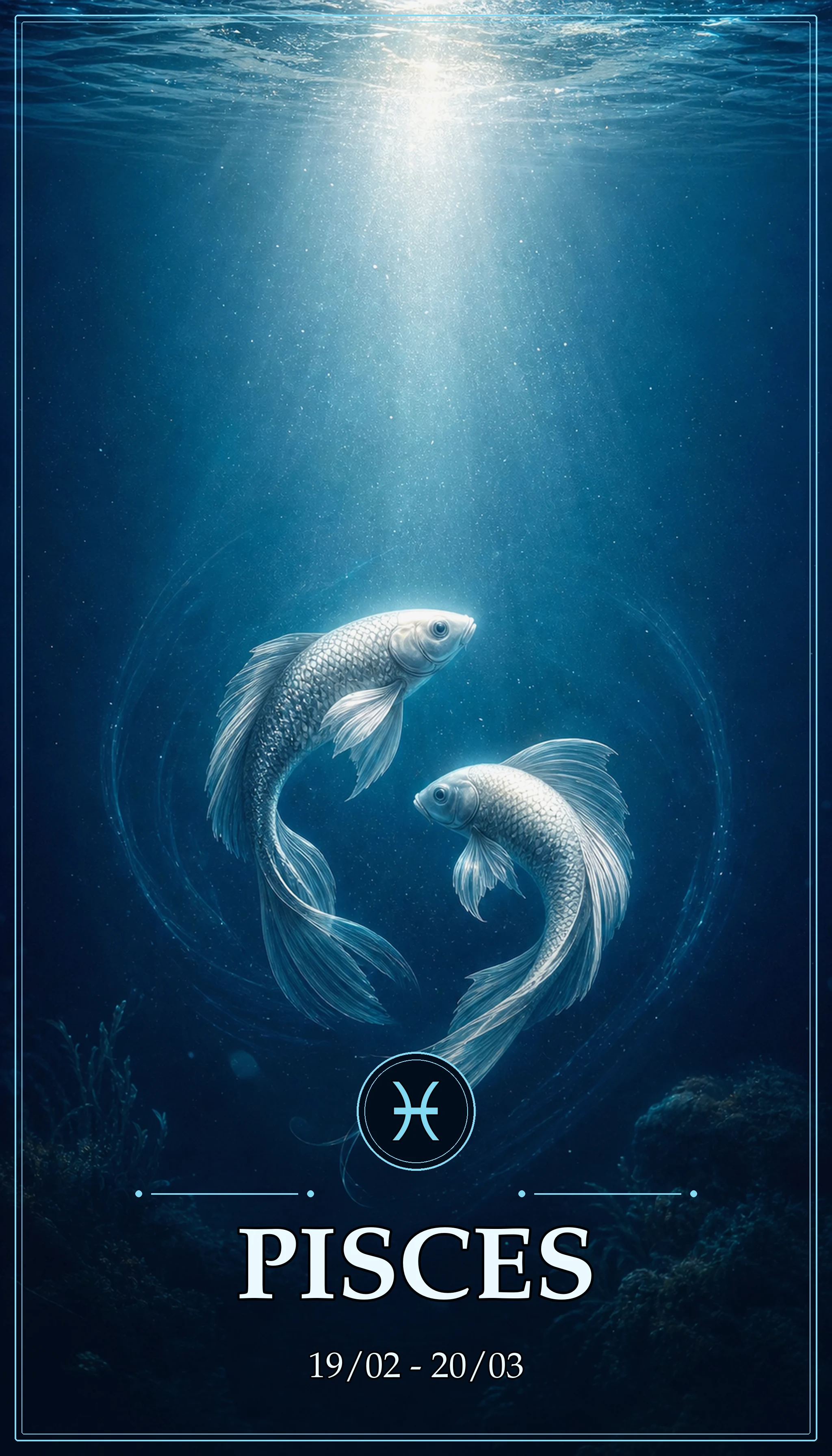
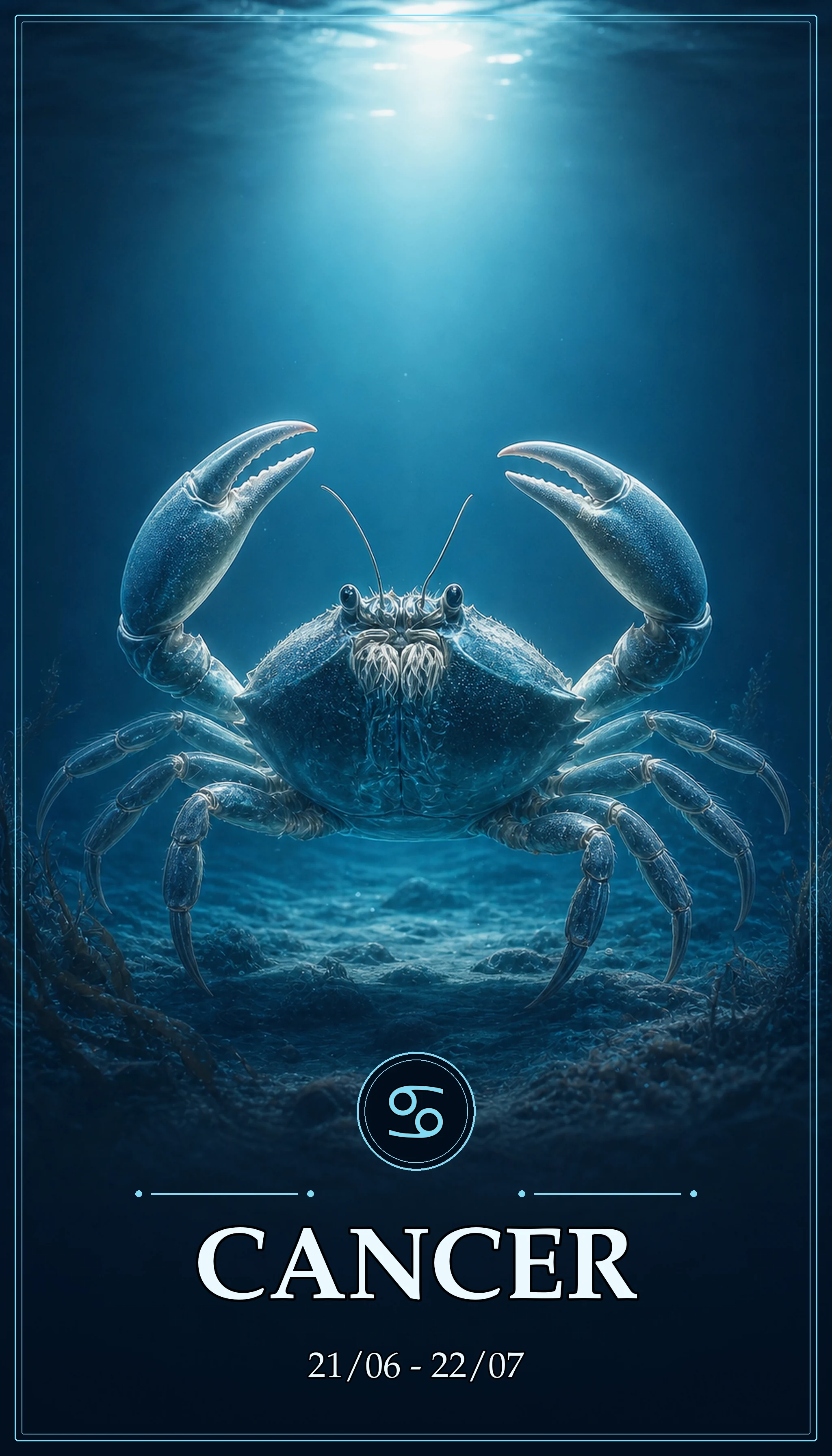
Issan Dorsey's chart is framed by Sun in Pisces, Moon in Cancer, and Pisces Rising. These three factors give identity and ego, personal dream, play, childhood image, and first impression before the details.

Chart detail:

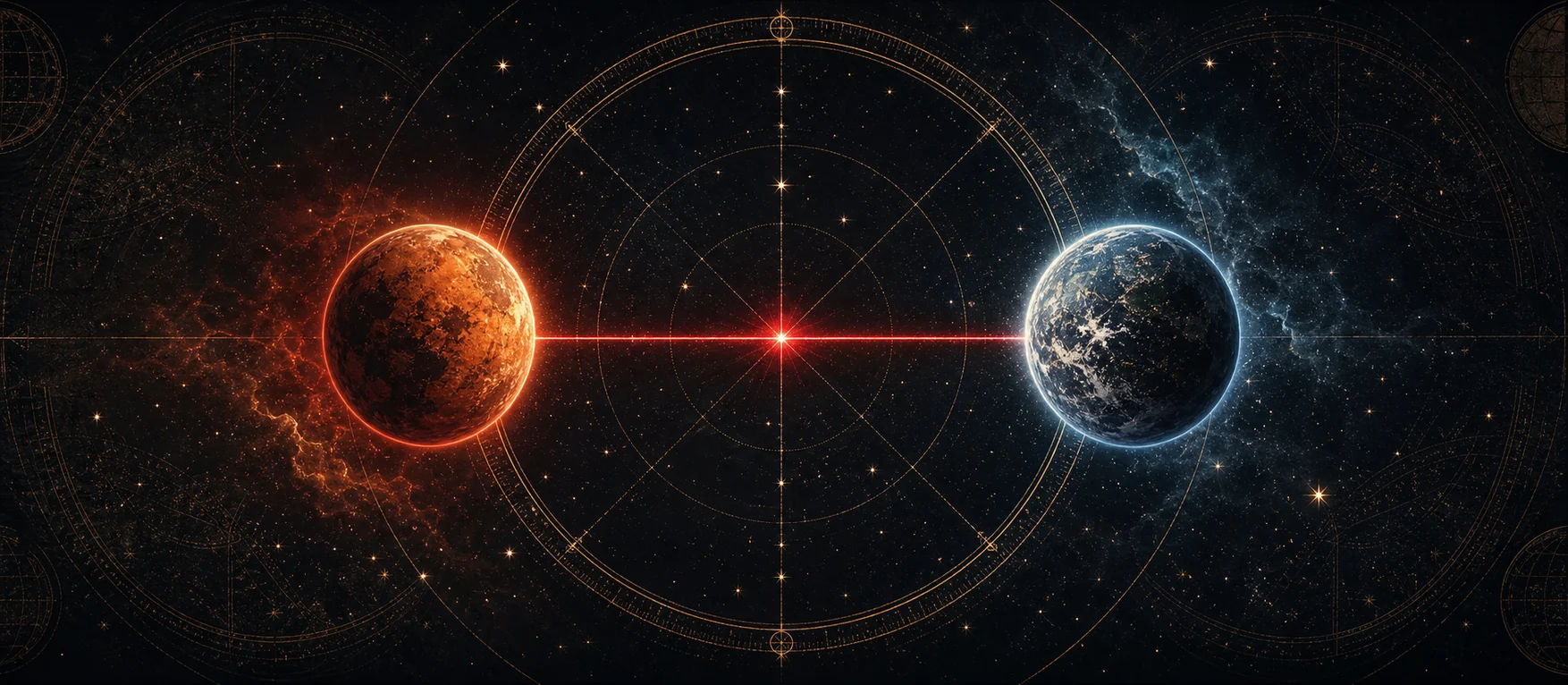
Mars conjunct Neptune (orb 0.0°) gives a central dynamic in this reading. The orb is extremely tight; this aspect is one of the chart's strongest signals.

In plain terms, this aspect mixes action, courage, image, inspiration, popularity, and sensitivity to collective moods.

Because the birth time is available, houses and angular dominants can be used, with each conclusion tied to a precise chart combination.

Learn the zodiac signs  ·  Learn the planets  ·  Learn the houses  ·  Browse celebrity charts  ·  Calculate your own birth chart

Displayed: 07/03/1933, 05:49 at Santa Barbara, California
(119°42' W, 34°24' N, GMT -8.0).

Source: Astro-Databank
RSIIIIIIVVVIVIIVIIIIXMHXIXII4°26'21°23'8°36'21°19'11°38'18°34'8°34'5°7'4°39'21°25'16°33'
Displayed: 07/03/1933, 05:49 at Santa Barbara, California
(119°42' W, 34°24' N, GMT -8.0).

Source: Astro-Databank

Sun Pisces
Pisces

Sun in Pisces

Moon Cancer
Cancer

Moon in Cancer

RS Pisces
Pisces

Rising sign in Pisces


Element Sign Degrees Speed House
Sun Pisces 16° 33' 16" 0.999 / day 1
Moon Cancer 21° 24' 33" 12.412 / day 5
Mercury Aries 04° 38' 57" 0.882 / day 1
Venus Pisces 05° 06' 37" 1.245 / day 1
Mars Virgo 08° 34' 18" R -0.386 / day 7
Jupiter Virgo 18° 34' 13" R -0.13 / day 7
Saturn Aquarius 11° 37' 36" 0.105 / day 12
Uranus Aries 21° 19' 11" 0.049 / day 2
Neptune Virgo 08° 36' 05" R -0.027 / day 7
Pluto Cancer 21° 23' 29" R -0.01 / day 5
Lilith Gemini 04° 25' 58" 0.112 / day 3
RS Pisces 03° 17' 28"
MH Sagittarius 13° 45' 12"

Click on a planet

 Log in or create and account to be able to save your own charts (it's free!).


Analysis

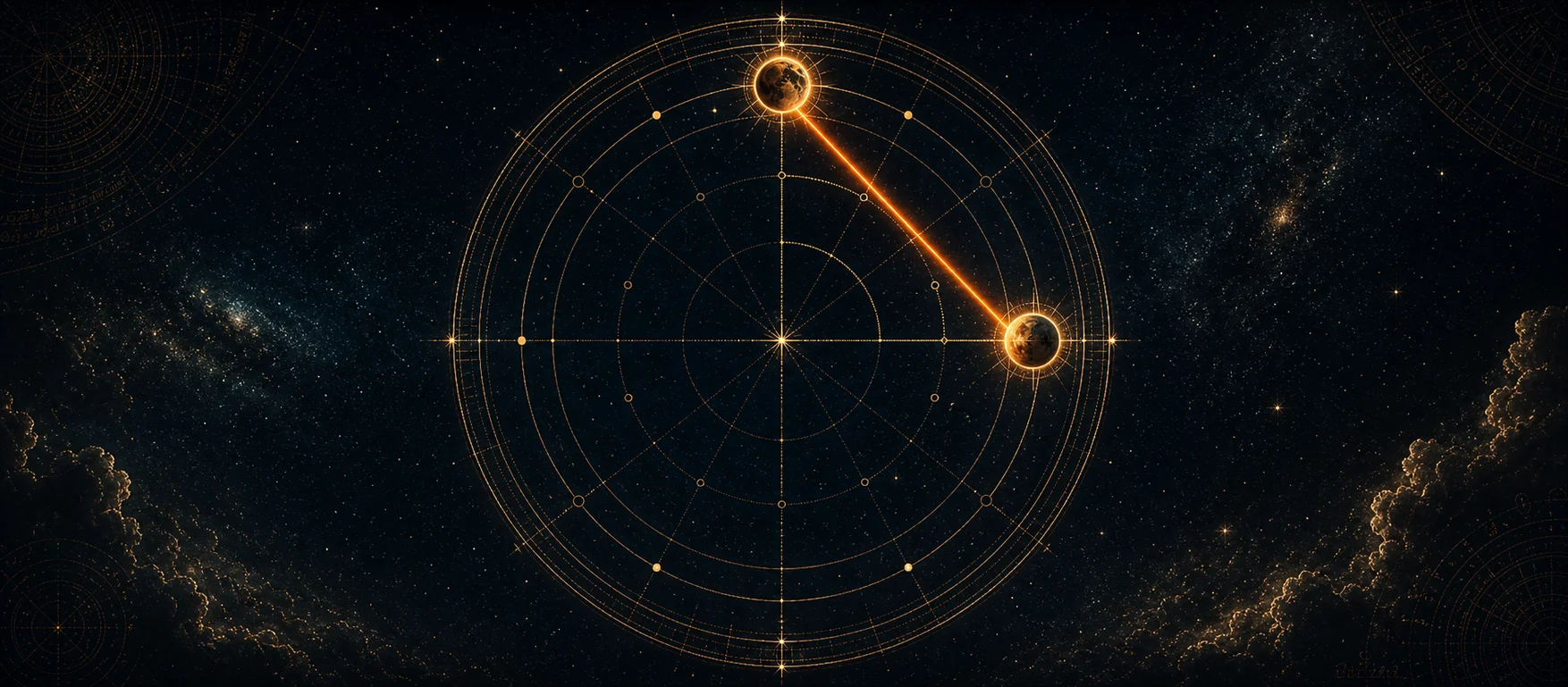
Astrological birth chart geometry with aspect lines
This visual shows the chart geometry before the reading separates the Big Three, planets, houses, and aspects.

How to read this chart

This section gives a concrete reading thread. It highlights the most visible signatures, then the tabs keep each placement separate instead of mixing everything together.

Reading map

Start here: a short reading that shows what hooks, what helps, what pushes back, and where it becomes concrete.

1. Big Three, Personal Essence

Sun in Pisces · Moon in Cancer · Pisces Rising

First hook: this is where the chart often becomes recognizable in real life. Sun in Pisces: identity and direction move through imagination, faith, compassion, dream, and permeability; Moon in Cancer: emotional safety looks for memory, protection, belonging, and family sensitivity; Pisces Rising: the first way into situations uses imagination, faith, compassion, dream, and permeability. Then read the supports, tensions, and houses to see where this base becomes easy, charged, or visible.

2. Dominants (visible planets)

Visible planets: Venus, Mars, and Neptune

Dominants are planets close to the Rising sign, Midheaven, Descendant, or IC. They describe what becomes visible quickly: presence, public role, direct relationship style, or private climate. Every angular dominant found within the orb is listed below.

  • Visible Venus near the Rising sign (orb 1.8°) Venus is close to an angle: its signature shows more easily through first impression, body language, reflexes, and entry style. Here, that highlights desire, taste, relationship, and attraction. It matters most when it repeats in choices, relationships, or visible role.
  • Visible Mars near the Descendant (orb 5.3°) Mars is close to an angle: its signature shows more easily through direct relationships, partners, opponents, and the way others are met. Here, that highlights action, courage, competition, and effort. It matters most when it repeats in choices, relationships, or visible role.
  • Visible Neptune near the Descendant (orb 5.3°) Neptune is close to an angle: its signature shows more easily through direct relationships, partners, opponents, and the way others are met. Here, that highlights imagination, image, popularity, collective moods, and inspiration. It matters most when it repeats in choices, relationships, or visible role.
3. Important harmonious aspects

Harmonious circuit: Moon, Jupiter, Sun, and Pluto

This is the easiest door into the chart: it shows what tends to cooperate naturally.

This pattern describes what comes more easily. It shows up mainly through House 5 (creativity, romance, play, and personal visibility), House 1 (body, presence, and first reactions), and House 7 (partners, contracts, and direct encounters with others). It connects Moon (emotional needs, instinct, and inner safety), Jupiter (growth, faith, luck, and confidence in the future), Sun (identity, confidence, and direction), and Pluto (power, crisis, intensity, and deep transformation).

This is the clearest cooperation pattern in the chart: Moon sextile Jupiter (orb 2.8°), Sun trine Moon (orb 4.8°), and Jupiter sextile Pluto (orb 2.8°). It shows where functions support each other, recover, or come naturally when used together. Because several planets are connected, the full pattern matters more than one isolated aspect.

  • Harmony Moon sextile Jupiter (orb 2.8°) Sextile: Moon in Cancer in House 5 can cooperate with Jupiter in Virgo in House 7 in the same concrete choice or situation. For this pair, the aspect lets personal dream and fulfillment cooperate when optimism becomes a concrete horizon. Mother-image layer: childhood, mother image, and inner child can cooperate with Jupiter.
  • Harmony Sun trine Moon (orb 4.8°) Trine: Sun in Pisces in House 1 can support Moon in Cancer in House 5 naturally and positively. For this pair, the aspect gives background confidence between ego, inner child, dream, and optimism. Family-image layer: the trine shows structural support between father image and mother image.
  • Harmony Jupiter sextile Pluto (orb 2.8°) Sextile: Jupiter in Virgo in House 7 can cooperate with Pluto in Cancer in House 5 in the same concrete choice or situation.
  • Harmony Sun trine Pluto (orb 4.8°) Trine: Sun in Pisces in House 1 can support Pluto in Cancer in House 5 naturally and positively. For this pair, the aspect gives identity natural support for crossing pressure: the ego can strengthen through crises instead of collapsing. Father-image layer: ego, personal direction, and the father imprint are supported by Pluto.
4. Important tensions

Tension circuit: Venus, Sun, Mars, Neptune, and Jupiter

This is the pressure line to read first: it shows where tension repeats in concrete situations.

This pattern shows where pressure builds fastest. It shows up mainly through House 7 (partners, contracts, and direct encounters with others) and House 1 (body, presence, and first reactions). It connects Venus (attraction, pleasure, taste, and relationships), Sun (identity, confidence, and direction), Mars (action, anger, desire, and courage), and Neptune (dreams, ideals, imagination, and confusion).

This is the clearest friction pattern in the chart: Venus opposite Mars (orb 3.5°), Venus opposite Neptune (orb 3.5°), and Sun opposite Jupiter (orb 2°). It shows where pressure, contradiction, or repeated effort concentrates. Because several planets are connected, the full pattern matters more than one isolated aspect.

  • Tension Venus opposite Mars (orb 3.5°) Opposition in real life: The house conflict is between House 1 (presence, body, and the way experience is entered) and House 7 (relationship, confrontation, and the mirror of others); pressure in one field tends to reactivate the other. For this pair, the aspect opposes Venus and Mars: the desire for harmony, empathy, and appreciation of the other can clash with impulse, aggression, raw desire, or conflict with the opposite sex.
  • Tension Venus opposite Neptune (orb 3.5°) Opposition in real life: The house conflict is between House 1 (presence, body, and the way experience is entered) and House 7 (relationship, confrontation, and the mirror of others); pressure in one field tends to reactivate the other. For this pair, the aspect sets Venus against Neptune: pleasure, love, or self-worth can conflict with idealization, public image, vagueness, or projection.
  • Tension Sun opposite Jupiter (orb 2°) Opposition in real life: The house conflict is between House 1 (presence, body, and the way experience is entered) and House 7 (relationship, confrontation, and the mirror of others); pressure in one field tends to reactivate the other. For this pair, the aspect sets identity or father image against personal fulfillment: ego direction can conflict with excess, promise, or the need to think bigger.
  • Tension Sun opposite Mars (orb 8°) Opposition in real life: The house conflict is between House 1 (presence, body, and the way experience is entered) and House 7 (relationship, confrontation, and the mirror of others); pressure in one field tends to reactivate the other. For this pair, the aspect sets ego or father image against Mars: direct action, anger, or competition can conflict with confidence, sometimes through a weak, absent, inhibiting, or castrating father image.
5. Important houses

These houses answer the concrete question: where in life does the chart become visible? Look here for the repeated choices, relationships, work, or crises that make the rest of the chart real.

  • House 1: Sun, Mercury, and Venus presence, body, and the way experience is entered.
  • House 7: Mars, Jupiter, and Neptune relationship, confrontation, and the mirror of others.
  • House 5: Moon and Pluto creation, performance, and personal expression.


Sun
Sun in Pisces Identity, ego, father figure
Moon
Moon in Cancer Dream, inner child, mother figure
Rising sign Pisces
Rising in Pisces First impression, entry style
The three foundations

Start from the three base placements below: the Sun gives identity, ego, and father image; the Moon gives personal dream, play, childhood imprint, mother image, and the inner child; the Rising sign gives first impression, body language, and entry style. Then dominant planets and exact aspects show what carries the most weight.

Dominant layer: Venus near the Rising sign (orb 1.8°) is close enough to an angle to color what other people perceive. Venus (desire, taste, relationship, and attraction) is most visible through first impression, body language, reflexes, and entry style.

Issan Dorsey has Sun in Pisces, in the House 1

How to read this placement

Sun in Pisces in House 1 is one concrete combination: the Sun gives identity, ego, father figure, visibility, and direction, the Pisces style gives imagination, faith, compassion, dream, and permeability, and House 1 gives the life field: presence, body, and the way experience is entered.

More about this placement

Concretely, this placement brings identity, ego, father figure, recognition, and personal direction into body language, arrival style, reflexes, and first impression. House 1 (presence, body, and the way experience is entered) gives the field; exact aspects show whether the planet is supported, blocked, fused, or contradicted.

Aspect connected to this placement: Sun opposite Jupiter (orb 2°). Aspect effect: sets identity or father image against personal fulfillment: ego direction can conflict with excess, promise, or the need to think bigger.

With the Sun in Pisces, identity forms through imagination, sensitivity, compassion, retreat, and porous contact with the invisible atmosphere around life. The person often needs art, spirituality, dream, music, solitude, or service to something larger than the ego. This placement can give empathy, adaptability, symbolic intelligence, and the ability to feel what others cannot name. It is not only confusion; it is the need to live with permeable boundaries. When ungrounded, the person may avoid definition, absorb too much, or drift away from practical reality.
In the 1st house, the Sun puts identity directly into presence, body, behavior, and first impression. The person is often noticed through the way they enter situations, take space, show will, and present themselves physically. This does not automatically mean arrogance; it means the ego is visible and hard to separate from the outer personality. At best, this gives confidence, directness, vitality, and a clear sense of personal direction. Under stress, the person may feel they must constantly prove who they are or turn every situation into a test of self-assertion.

    Sun opposite Jupiter (orb 2°) puts the two planets face to face, with visible back-and-forth or tension. The orb is tight enough to count in the main reading.

    Here, Sun in Pisces in House 1 brings identity, ego, father figure, visibility, and direction into House 1 (presence, body, and the way experience is entered), with Pisces style (imagination, faith, compassion, dream, and permeability); Jupiter in Virgo in House 7 brings personal fulfillment, confidence, encouragement, and broader horizons into House 7 (relationship, confrontation, and the mirror of others), with Virgo style (precision, method, usefulness, and attention to detail).

    Concrete conflict: this aspect sets identity or father image against personal fulfillment: ego direction can conflict with excess, promise, or the need to think bigger. The house conflict is between House 1 (presence, body, and the way experience is entered) and House 7 (relationship, confrontation, and the mirror of others); pressure in one field tends to reactivate the other.

    Sun trine Pluto (orb 4.8°) shows positive structural ease between the two planets. The orb is moderate; it stays secondary beside tighter signatures.

    Concrete support: this aspect gives identity natural support for crossing pressure: the ego can strengthen through crises instead of collapsing. Father-image layer: ego, personal direction, and the father imprint are supported by Pluto.

    Sun trine Moon (orb 4.8°) shows positive structural ease between the two planets. The orb is moderate; it stays secondary beside tighter signatures.

    Concrete support: this aspect gives background confidence between ego, inner child, dream, and optimism. Family-image layer: the trine shows structural support between father image and mother image.

    Sun opposite Neptune (orb 8°) is minor in this chart. The orb is wide; this aspect stays a light nuance.

    Here, Sun in Pisces in House 1 brings identity, ego, father figure, visibility, and direction into House 1 (presence, body, and the way experience is entered), with Pisces style (imagination, faith, compassion, dream, and permeability); Neptune in Virgo in House 7 brings imagination, image, popularity, collective moods, and inspiration into House 7 (relationship, confrontation, and the mirror of others), with Virgo style (precision, method, usefulness, and attention to detail).

    Concrete conflict: this aspect opposes ego or personal direction to image, dream, or public expectation. Visible angle: Neptune near the Descendant (orb 5.3°) touches an angle; this aspect is easier to notice through direct relationships, partners, opponents, and the way others are met. The house conflict is between House 1 (presence, body, and the way experience is entered) and House 7 (relationship, confrontation, and the mirror of others); pressure in one field tends to reactivate the other.

    Sun opposite Mars (orb 8°) is minor in this chart. The orb is wide; this aspect stays a light nuance.

    Here, Sun in Pisces in House 1 brings identity, ego, father figure, visibility, and direction into House 1 (presence, body, and the way experience is entered), with Pisces style (imagination, faith, compassion, dream, and permeability); Mars in Virgo in House 7 brings action, courage, competition, and effort into House 7 (relationship, confrontation, and the mirror of others), with Virgo style (precision, method, usefulness, and attention to detail).

    Concrete conflict: this aspect sets ego or father image against Mars: direct action, anger, or competition can conflict with confidence, sometimes through a weak, absent, inhibiting, or castrating father image. Visible angle: Mars near the Descendant (orb 5.3°) touches an angle; this aspect is easier to notice through direct relationships, partners, opponents, and the way others are met. The house conflict is between House 1 (presence, body, and the way experience is entered) and House 7 (relationship, confrontation, and the mirror of others); pressure in one field tends to reactivate the other.


Issan Dorsey has Moon in Cancer, in the House 5

How to read this placement

Moon in Cancer in House 5 is one concrete combination: the Moon gives personal dream, play, inner child, childhood imprint, mother figure, mother image, optimism, and inner rhythm, the Cancer style gives memory, protection, belonging, and family sensitivity, and House 5 gives the life field: creation, performance, and personal expression.

More about this placement

Concretely, this placement brings personal dream, play instinct, inner child, childhood imprint, mother figure, mother image, optimism, and inner rhythm into creation, play, performance, children, and personal risk-taking. House 5 (creation, performance, and personal expression) gives the field; exact aspects show whether the planet is supported, blocked, fused, or contradicted.

Aspect connected to this placement: Moon conjunct Pluto (orb 0.0°). Aspect effect: joins the Moon to Pluto's crisis instinct: personal dream, childhood, mother image, protection, and power can come out together.

With the Moon in Cancer, the inner child is tied to memory, family, home, care, belonging, and the mother image itself. The personal dream often begins with protection: creating a place, a family, a private shell, or a circle where life can soften. This Moon can give tenderness, intuition, loyalty to origins, and a strong instinct for what people need before they say it. It is powerful because it remembers. When defensive, it can withdraw, hold on to hurt, or wait for proof that someone is safe before opening again.
In the 5th house, the Moon brings personal dream, inner child, and childhood imprint into play, romance, creativity, children, performance, and pleasure. The inner child wants joy, delight, and permission to dream out loud. The person may feel most emotionally alive when creating, loving, entertaining, or receiving warm attention. At best, this gives charm, artistic feeling, generosity, and the confidence to follow a personal dream. Under stress, the person may become dramatic, dependent on affection, easily hurt by rejection, or afraid that ordinary life has no magic.

    Moon conjunct Pluto (orb 0.0°) brings the two planets out together. The orb is extremely tight; this aspect is one of the chart's strongest signals.

    Here, both planets pass through the same life area: House 5 (creation, performance, and personal expression), with the same Cancer style (memory, protection, belonging, and family sensitivity). Moon in Cancer in House 5 brings personal dream, play, inner child, childhood imprint, mother figure, mother image, optimism, and inner rhythm; Pluto in Cancer in House 5 brings crisis, power, survival, and regeneration.

    Concrete effect: this aspect joins the Moon to Pluto's crisis instinct: personal dream, childhood, mother image, protection, and power can come out together.

    Moon square Uranus (orb 0.1°) creates concrete friction between the two planets. The orb is extremely tight; this aspect is one of the chart's strongest signals.

    Here, Moon in Cancer in House 5 brings personal dream, play, inner child, childhood imprint, mother figure, mother image, optimism, and inner rhythm into House 5 (creation, performance, and personal expression), with Cancer style (memory, protection, belonging, and family sensitivity); Uranus in Aries in House 2 brings disruption, independence, and change into House 2 (resources, values, and security), with Aries style (initiative, speed, confrontation, and direct action).

    Concrete friction: this aspect creates concrete instability between attachment, childhood imprint, personal dream, and rupture. House 5 (creation, performance, and personal expression) is in friction with House 2 (resources, values, and security); this can create blockage, inhibition, overreaction, or repeated conflict between the two fields.

    Moon sextile Jupiter (orb 2.8°) shows active cooperation between the two planets. The orb is tight enough to count in the main reading.

    Here, Moon in Cancer in House 5 brings personal dream, play, inner child, childhood imprint, mother figure, mother image, optimism, and inner rhythm into House 5 (creation, performance, and personal expression), with Cancer style (memory, protection, belonging, and family sensitivity); Jupiter in Virgo in House 7 brings personal fulfillment, confidence, encouragement, and broader horizons into House 7 (relationship, confrontation, and the mirror of others), with Virgo style (precision, method, usefulness, and attention to detail).

    Concrete cooperation: personal dream and fulfillment can cooperate when optimism becomes a concrete horizon. Mother-image layer: childhood, mother image, and inner child can cooperate with Jupiter.

    Same aspect, other side: the full reading is under the other planet, and it also applies to Moon.

    Open the full aspect reading under Sun


Issan Dorsey has Rising sign in Pisces

How to read this placement

Pisces Rising combines the Rising sign with the sign on the first-house cusp. The Rising sign describes first impression, body language, reflexes, and the way the person enters situations; the Pisces style gives imagination, faith, compassion, dream, and permeability.

More about this placement

Concretely, this signature appears through immediate presence: posture, arrival rhythm, spontaneous reaction, and first contact with other people. A planet close to the Rising sign can become louder than the sign itself.

Pisces rising gives an atmospheric first impression: softness, imagination, empathy, and a porous relation to the environment. The person may seem elusive or emotionally present, entering life through feeling, image, music, faith, or adaptation.


Mercury
Mercury Intellect, language, technique
Venus
Venus Desire, taste, attraction
Mars
Mars Action, courage, competition
Jupiter
Jupiter Fulfillment, confidence, horizons

Issan Dorsey has Mercury in Aries, in the House 1

How to read this placement

Mercury in Aries in House 1 is one concrete combination: Mercury gives intellect, language, thought, and technique, the Aries style gives initiative, speed, confrontation, and direct action, and House 1 gives the life field: presence, body, and the way experience is entered.

More about this placement

Concretely, this placement brings thinking, speech, learning, technique, and mental strategy into body language, arrival style, reflexes, and first impression. House 1 (presence, body, and the way experience is entered) gives the field; exact aspects show whether the planet is supported, blocked, fused, or contradicted.

Aspect connected to this placement: Mercury sextile Lilith (orb 0.2°). Aspect effect: lets intellect and Lilith's ideal cooperate without becoming fixation.

With Mercury in Aries, the intellect moves fast and wants to reach a decision. The person often speaks directly, argues from instinct, and learns best by trying rather than waiting for perfect information. This placement can give mental courage, quick replies, tactical improvisation, and a talent for launching ideas. It is not built for endless hesitation. Under stress, it can interrupt, oversimplify, decide too quickly, or treat disagreement as a contest that must be won.
In the 1st house, Mercury puts intellect, thought, speech, curiosity, and observation directly into presence and first impression. The person may appear quick, verbal, alert, youthful, analytical, or visibly busy in the mind. They often enter situations by asking questions, naming what is happening, or adapting their language to the room. At best, this gives mental agility, social mobility, humor, and a strong ability to explain oneself. Under stress, it can become nervous self-presentation, overexplaining, restlessness, or identifying too much with being clever.

    Mercury sextile Lilith (orb 0.2°) shows active cooperation between the two planets. The orb is extremely tight; this aspect is one of the chart's strongest signals.

    Here, Mercury in Aries in House 1 brings intellect, language, thought, and technique into House 1 (presence, body, and the way experience is entered), with Aries style (initiative, speed, confrontation, and direct action); Lilith in Gemini in House 3 brings pure ideal, absolute demand, fascination, and refusal of compromise into House 3 (speech, learning, and the close environment), with Gemini style (curiosity, language, movement, and mental adaptation).

    Concrete cooperation: intellect and Lilith's ideal can cooperate without becoming fixation.


Issan Dorsey has Venus in Pisces, in the House 1

How to read this placement

Venus in Pisces in House 1 is one concrete combination: Venus gives desire, taste, relationship, and attraction, the Pisces style gives imagination, faith, compassion, dream, and permeability, and House 1 gives the life field: presence, body, and the way experience is entered.

More about this placement

Concretely, this placement brings desire, taste, attraction, pleasure, and love style into body language, arrival style, reflexes, and first impression. House 1 (presence, body, and the way experience is entered) gives the field; exact aspects show whether the planet is supported, blocked, fused, or contradicted.

Aspect connected to this placement: Venus square Lilith (orb 0.7°). Aspect effect: creates tension between relationship, pleasure, desire, impossible ideal, and the need not to yield.

Visible angle: Venus near the Rising sign (orb 1.8°) touches an angle; this placement is easier to notice through first impression, body language, reflexes, and entry style.

With Venus in Pisces, affection is porous, romantic, compassionate, and strongly moved by imagination. The person may love through empathy, music, poetry, spiritual feeling, sacrifice, or the wish to dissolve separation. This is one of Venus's strongest signs, so beauty can feel sacred or emotionally overwhelming. Taste can be dreamy, oceanic, soft, mystical, or cinematic. Under stress, it can idealize, avoid limits, fall for a fantasy, or give too much before checking whether the other person is really there.
In the 1st house, Venus puts attraction, charm, pleasure, taste, and relational style directly into presence and first impression. Others may notice softness, beauty, sociability, elegance, or a desire to be pleasant before they know the rest of the chart. The person often enters situations by smoothing the atmosphere, attracting attention, or making themselves agreeable. At best, this gives grace, social ease, aesthetic presence, and a warm way of meeting life. Under stress, it can become vanity, people-pleasing, dependence on being liked, or avoiding direct conflict to preserve the image.

    Venus square Lilith (orb 0.7°) creates concrete friction between the two planets. The orb is extremely tight; this aspect is one of the chart's strongest signals.

    Here, Venus in Pisces in House 1 brings desire, taste, relationship, and attraction into House 1 (presence, body, and the way experience is entered), with Pisces style (imagination, faith, compassion, dream, and permeability); Lilith in Gemini in House 3 brings pure ideal, absolute demand, fascination, and refusal of compromise into House 3 (speech, learning, and the close environment), with Gemini style (curiosity, language, movement, and mental adaptation).

    Concrete friction: this aspect creates tension between relationship, pleasure, desire, impossible ideal, and the need not to yield. Visible angle: Venus near the Rising sign (orb 1.8°) touches an angle; this aspect is easier to notice through first impression, body language, reflexes, and entry style. House 1 (presence, body, and the way experience is entered) is in friction with House 3 (speech, learning, and the close environment); this can create blockage, inhibition, overreaction, or repeated conflict between the two fields.

    Venus opposite Mars (orb 3.5°) puts the two planets face to face, with visible back-and-forth or tension. The orb is tight enough to count in the main reading.

    Here, Venus in Pisces in House 1 brings desire, taste, relationship, and attraction into House 1 (presence, body, and the way experience is entered), with Pisces style (imagination, faith, compassion, dream, and permeability); Mars in Virgo in House 7 brings action, courage, competition, and effort into House 7 (relationship, confrontation, and the mirror of others), with Virgo style (precision, method, usefulness, and attention to detail).

    Concrete conflict: this aspect opposes Venus and Mars: the desire for harmony, empathy, and appreciation of the other can clash with impulse, aggression, raw desire, or conflict with the opposite sex. Visible angle: Venus near the Rising sign (orb 1.8°) and Mars near the Descendant (orb 5.3°) touch angles; this aspect is easier to notice through first impression, body language, reflexes, and entry style; also through direct relationships, partners, opponents, and the way others are met. The house conflict is between House 1 (presence, body, and the way experience is entered) and House 7 (relationship, confrontation, and the mirror of others); pressure in one field tends to reactivate the other.

    Venus opposite Neptune (orb 3.5°) puts the two planets face to face, with visible back-and-forth or tension. The orb is tight enough to count in the main reading.

    Here, Venus in Pisces in House 1 brings desire, taste, relationship, and attraction into House 1 (presence, body, and the way experience is entered), with Pisces style (imagination, faith, compassion, dream, and permeability); Neptune in Virgo in House 7 brings imagination, image, popularity, collective moods, and inspiration into House 7 (relationship, confrontation, and the mirror of others), with Virgo style (precision, method, usefulness, and attention to detail).

    Concrete conflict: this aspect sets Venus against Neptune: pleasure, love, or self-worth can conflict with idealization, public image, vagueness, or projection. Visible angle: Venus near the Rising sign (orb 1.8°) and Neptune near the Descendant (orb 5.3°) touch angles; this aspect is easier to notice through first impression, body language, reflexes, and entry style; also through direct relationships, partners, opponents, and the way others are met. The house conflict is between House 1 (presence, body, and the way experience is entered) and House 7 (relationship, confrontation, and the mirror of others); pressure in one field tends to reactivate the other.


Issan Dorsey has Mars in Virgo, in the House 7

How to read this placement

Mars in Virgo in House 7 is one concrete combination: Mars gives action, courage, competition, and effort, the Virgo style gives precision, method, usefulness, and attention to detail, and House 7 gives the life field: relationship, confrontation, and the mirror of others.

More about this placement

Concretely, this placement brings action, anger, courage, competition, and effort into partners, clients, opponents, negotiations, and direct confrontations. House 7 (relationship, confrontation, and the mirror of others) gives the field; exact aspects show whether the planet is supported, blocked, fused, or contradicted.

Aspect connected to this placement: Mars conjunct Neptune (orb 0.0°). Aspect effect: mixes action, courage, image, inspiration, popularity, and sensitivity to collective moods.

Visible angle: Mars near the Descendant (orb 5.3°) touches an angle; this placement is easier to notice through direct relationships, partners, opponents, and the way others are met.

With Mars in Virgo, action becomes technical, precise, and corrective. The person fights by improving, fixing, analyzing, training, and making the situation more workable. This Mars is strong for craft, discipline, health routines, problem-solving, and practical service. Under stress, it can become irritable, hypercritical, anxious, or trapped in details instead of taking the larger action.
In the 7th house, Mars puts action into relationship, confrontation, partners, opponents, clients, and direct encounters with others. The person may be drawn to strong partners or situations where desire, conflict, and negotiation are explicit. Mars here often learns itself through the other: pursuit, argument, attraction, rivalry, and response. At best, this gives relational courage, sexual directness, and the ability to face conflict honestly. Under stress, it can become fights in partnership, projection of anger, attraction to conflict, or a pattern of turning others into opponents.

    Mars conjunct Neptune (orb 0.0°) brings the two planets out together. The orb is extremely tight; this aspect is one of the chart's strongest signals.

    Here, both planets pass through the same life area: House 7 (relationship, confrontation, and the mirror of others), with the same Virgo style (precision, method, usefulness, and attention to detail). Mars in Virgo in House 7 brings action, courage, competition, and effort; Neptune in Virgo in House 7 brings imagination, image, popularity, collective moods, and inspiration.

    Concrete effect: this aspect mixes action, courage, image, inspiration, popularity, and sensitivity to collective moods. Visible angle: Mars near the Descendant (orb 5.3°) and Neptune near the Descendant (orb 5.3°) touch angles; this aspect is easier to notice through direct relationships, partners, opponents, and the way others are met.

    Same aspect, other side: the full reading is under the other planet, and it also applies to Mars.

    Open the full aspect reading under Venus

    Mars square Lilith (orb 4.1°) creates concrete friction between the two planets. The orb is moderate; it stays secondary beside tighter signatures.

    Here, Mars in Virgo in House 7 brings action, courage, competition, and effort into House 7 (relationship, confrontation, and the mirror of others), with Virgo style (precision, method, usefulness, and attention to detail); Lilith in Gemini in House 3 brings pure ideal, absolute demand, fascination, and refusal of compromise into House 3 (speech, learning, and the close environment), with Gemini style (curiosity, language, movement, and mental adaptation).

    Concrete friction: this aspect creates tension between anger, desire, action, impossible ideal, and refusal to yield. Visible angle: Mars near the Descendant (orb 5.3°) touches an angle; this aspect is easier to notice through direct relationships, partners, opponents, and the way others are met. House 7 (relationship, confrontation, and the mirror of others) is in friction with House 3 (speech, learning, and the close environment); this can create blockage, inhibition, overreaction, or repeated conflict between the two fields.

    Same aspect, other side: the full reading is under the other planet, and it also applies to Mars.

    Open the full aspect reading under Sun


Issan Dorsey has Jupiter in Virgo, in the House 7

How to read this placement

Jupiter in Virgo in House 7 is one concrete combination: Jupiter gives personal fulfillment, confidence, encouragement, and broader horizons, the Virgo style gives precision, method, usefulness, and attention to detail, and House 7 gives the life field: relationship, confrontation, and the mirror of others.

More about this placement

Concretely, this placement brings personal fulfillment, confidence, and opening of horizons into partners, clients, opponents, negotiations, and direct confrontations. House 7 (relationship, confrontation, and the mirror of others) gives the field; exact aspects show whether the planet is supported, blocked, fused, or contradicted.

With Jupiter in Virgo, the person finds fulfillment through usefulness, craft, improvement, health, analysis, and practical competence. They often become more confident when they can make a system cleaner, a body healthier, a task better, or a service more precise. This Jupiter can give humility, technical progress, helpfulness, and satisfaction through concrete improvement. Under stress, it can become perfectionistic, anxious, overly modest, or unable to enjoy what is already good.
With Jupiter in the 7th house, the person finds fulfillment through partnership, clients, contracts, opponents, and direct relationship. Others can widen life: partners, mentors, allies, audiences, or even worthy rivals may reveal a fuller version of the self. At best, this gives generosity in partnership, social luck, legal or contractual ease, and faith in cooperation. Under stress, it can become overidealizing partners, expecting the other person to provide meaning, avoiding conflict through optimism, or making promises too quickly.


Saturn
Saturn Discipline, limits, structure
Uranus
Uranus Freedom, rupture, invention
Neptune
Neptune Image, popularity, inspiration
Pluto
Pluto Crisis, power, regeneration
Lilith
Lilith Ideal, fascination, refusal

Issan Dorsey has Saturn in Aquarius, in the House 12

How to read this placement

Saturn in Aquarius in House 12 is one concrete combination: Saturn gives discipline, constraint, endurance, and mastery, the Aquarius style gives independence, networks, distance, and collective change, and House 12 gives the life field: retreat, contemplation, long time, and possible confinement.

More about this placement

Concretely, this placement brings discipline, limits, duty, fear, and long construction into withdrawal, contemplation, long time, possible isolation, and quiet major works. House 12 (retreat, contemplation, long time, and possible confinement) gives the field; exact aspects show whether the planet is supported, blocked, fused, or contradicted.

With Saturn in Aquarius, discipline is applied to groups, systems, friendship, reform, and the future. The person may care less about fitting in than about building a coherent structure for collective life. This can give principled independence, technical seriousness, and the ability to organize ideas, networks, or causes over time. Under stress, it can become social distance, ideological rigidity, or the feeling of being responsible for a group while remaining emotionally separate from it.
In the 12th house, Saturn puts discipline into solitude, retreat, contemplation, long time, hidden work, institutions, and possible confinement. The person may need quiet structures for inner life and may carry old fear or responsibility in places that are not immediately visible. At best, this gives spiritual discipline, patience in isolation, serious background work, and the capacity to endure long processes without losing form. Under stress, it can become private guilt, fear of emptiness, isolation, depression, or feeling trapped by duties that are hard to name.


Issan Dorsey has Uranus in Aries, in the House 2

How to read this placement

Uranus in Aries in House 2 is one concrete combination: Uranus gives disruption, independence, and change, the Aries style gives initiative, speed, confrontation, and direct action, and House 2 gives the life field: resources, values, and security.

More about this placement

Concretely, this placement brings freedom, disruption, broken rhythms, and the need for independence into personal money, possessions, security needs, and value choices. House 2 (resources, values, and security) gives the field; exact aspects show whether the planet is supported, blocked, fused, or contradicted.

With Uranus in Aries, independence expresses itself through action, initiative, speed, and the refusal to wait for permission. The person may break patterns by acting first, taking risks, or inventing a new route in the middle of conflict. This placement can give bold originality, quick decisions, and the courage to challenge stale situations. Under stress, it can become impatience, abrupt breaks, rebellion for its own sake, or difficulty staying with a project after the first spark.
In the 2nd house, Uranus puts independence and experimentation into money, resources, body, voice, skills, and personal value. The person may need unusual ways to earn, own, trade, or define security. At best, this gives inventive resourcefulness, technical or unconventional skills, freedom from inherited material values, and the ability to adapt quickly when circumstances change. Under stress, it can become financial instability, nervous spending, rejection of practical limits, or a value system that changes too abruptly to feel grounded.


Issan Dorsey has Neptune in Virgo, in the House 7

How to read this placement

Neptune in Virgo in House 7 is one concrete combination: Neptune gives imagination, image, popularity, collective moods, and inspiration, the Virgo style gives precision, method, usefulness, and attention to detail, and House 7 gives the life field: relationship, confrontation, and the mirror of others.

More about this placement

Concretely, this placement brings imagination, image, popularity, and the ability to read collective currents into partners, clients, opponents, negotiations, and direct confrontations. House 7 (relationship, confrontation, and the mirror of others) gives the field; exact aspects show whether the planet is supported, blocked, fused, or contradicted.

Visible angle: Neptune near the Descendant (orb 5.3°) touches an angle; this placement is easier to notice through direct relationships, partners, opponents, and the way others are met.

With Neptune in Virgo, the dream function takes the color of work, service, health, method, craft, and practical repair. The person may sense collective moods through everyday suffering, bodily fragility, working conditions, or the need to make life cleaner and more useful. This placement can give compassionate skill, healing imagination, and the ability to make care concrete. Under stress, it can dissolve routines, create impossible standards of purity, or turn worry into a vague spiritual duty.
In the 7th house, Neptune puts dream, idealization, sensitivity, and projection into partnership, clients, contracts, opponents, and direct relationship. The person may seek soulful connection and may sense the emotional atmosphere of others quickly. At best, this gives compassion in partnership, romantic imagination, spiritual companionship, and the ability to meet others gently. Under stress, it can become idealizing partners, unclear agreements, rescuing or being rescued, disappointment after projection, or avoiding conflict because the dream of harmony feels safer than the truth.

    Same aspect, other side: the full reading is under the other planet, and it also applies to Neptune.

    Open the full aspect reading under Mars

    Same aspect, other side: the full reading is under the other planet, and it also applies to Neptune.

    Open the full aspect reading under Venus

    Neptune square Lilith (orb 4.2°) creates concrete friction between the two planets. The orb is moderate; it stays secondary beside tighter signatures.

    Here, Neptune in Virgo in House 7 brings imagination, image, popularity, collective moods, and inspiration into House 7 (relationship, confrontation, and the mirror of others), with Virgo style (precision, method, usefulness, and attention to detail); Lilith in Gemini in House 3 brings pure ideal, absolute demand, fascination, and refusal of compromise into House 3 (speech, learning, and the close environment), with Gemini style (curiosity, language, movement, and mental adaptation).

    Concrete friction: this aspect puts Neptune (imagination, image, popularity, collective moods, and inspiration) and Lilith (pure ideal, absolute demand, fascination, and refusal of compromise) into repeated friction: one can interrupt, inhibit, or provoke the other in concrete situations. Visible angle: Neptune near the Descendant (orb 5.3°) touches an angle; this aspect is easier to notice through direct relationships, partners, opponents, and the way others are met. House 7 (relationship, confrontation, and the mirror of others) is in friction with House 3 (speech, learning, and the close environment); this can create blockage, inhibition, overreaction, or repeated conflict between the two fields.

    Same aspect, other side: the full reading is under the other planet, and it also applies to Neptune.

    Open the full aspect reading under Sun


Issan Dorsey has Pluto in Cancer, in the House 5

How to read this placement

Pluto in Cancer in House 5 is one concrete combination: Pluto gives crisis, power, survival, and regeneration, the Cancer style gives memory, protection, belonging, and family sensitivity, and House 5 gives the life field: creation, performance, and personal expression.

More about this placement

Concretely, this placement brings crisis, power, sexuality, survival, and transformation into creation, play, performance, children, and personal risk-taking. House 5 (creation, performance, and personal expression) gives the field; exact aspects show whether the planet is supported, blocked, fused, or contradicted.

With Pluto in Cancer, power concentrates around family, childhood, memory, home, protection, and emotional belonging. The person may meet crisis, pressure, or hidden power through family bonds, inherited wounds, private loyalties, and the need to protect what feels vulnerable. This placement can give emotional force, protective authority, and the capacity to heal or rebuild a private foundation. Under stress, it can become emotional control, family power struggles, possessive care, or fear of losing the past.
In the 5th house, Pluto puts intensity into creativity, romance, children, play, performance, and pleasure. The person may experience love, art, sexuality, and self-expression as powerful, consuming, risky, or emotionally high-stakes. At best, this gives creative force, passionate expression, magnetic performance, and the ability to make pleasure carry real intensity. Under stress, it can become jealousy, control in romance, obsession with being desired, dramatic power games, or fear of expressing desire without controlling the outcome.


Issan Dorsey has Lilith in Gemini, in the House 3

How to read this placement

Lilith in Gemini in House 3 is one concrete combination: Lilith gives pure ideal, absolute demand, fascination, and refusal of compromise, the Gemini style gives curiosity, language, movement, and mental adaptation, and House 3 gives the life field: speech, learning, and the close environment.

More about this placement

Concretely, this placement brings the pure ideal, absolute demand, desire, fascination, and what refuses to become ordinary into speech, writing, learning, short trips, and the everyday environment. House 3 (speech, learning, and the close environment) gives the field; exact aspects show whether the planet is supported, blocked, fused, or contradicted.

With Black Moon Lilith in Gemini, the non-negotiable point concerns speech, thought, curiosity, questions, and the freedom to name things directly. The person may refuse polite silence, intellectual laziness, or conversations that avoid the real subject. This placement can give sharp language, taboo curiosity, and the courage to say what others only think. Under stress, it can become provocation, contradiction, nervous restlessness, or using words to cut rather than clarify.
In the 3rd house, Black Moon Lilith puts uncompromising truth into speech, learning, writing, siblings, short trips, and everyday information. The person may say what others avoid, question official language, and feel a strong need to speak from a place that is not domesticated. At best, this gives verbal courage, sharp perception, taboo-breaking thought, and a voice that can cut through false politeness. Under stress, it can become harsh speech, intellectual absolutism, refusal to listen, or using words to wound rather than reveal.