Logo

Birth chart of Lesley Arfin

Lesley Arfin birth chart is shown with zodiac signs, planetary houses, and aspects so it can be read as a complete astrological structure rather than a single Sun sign.

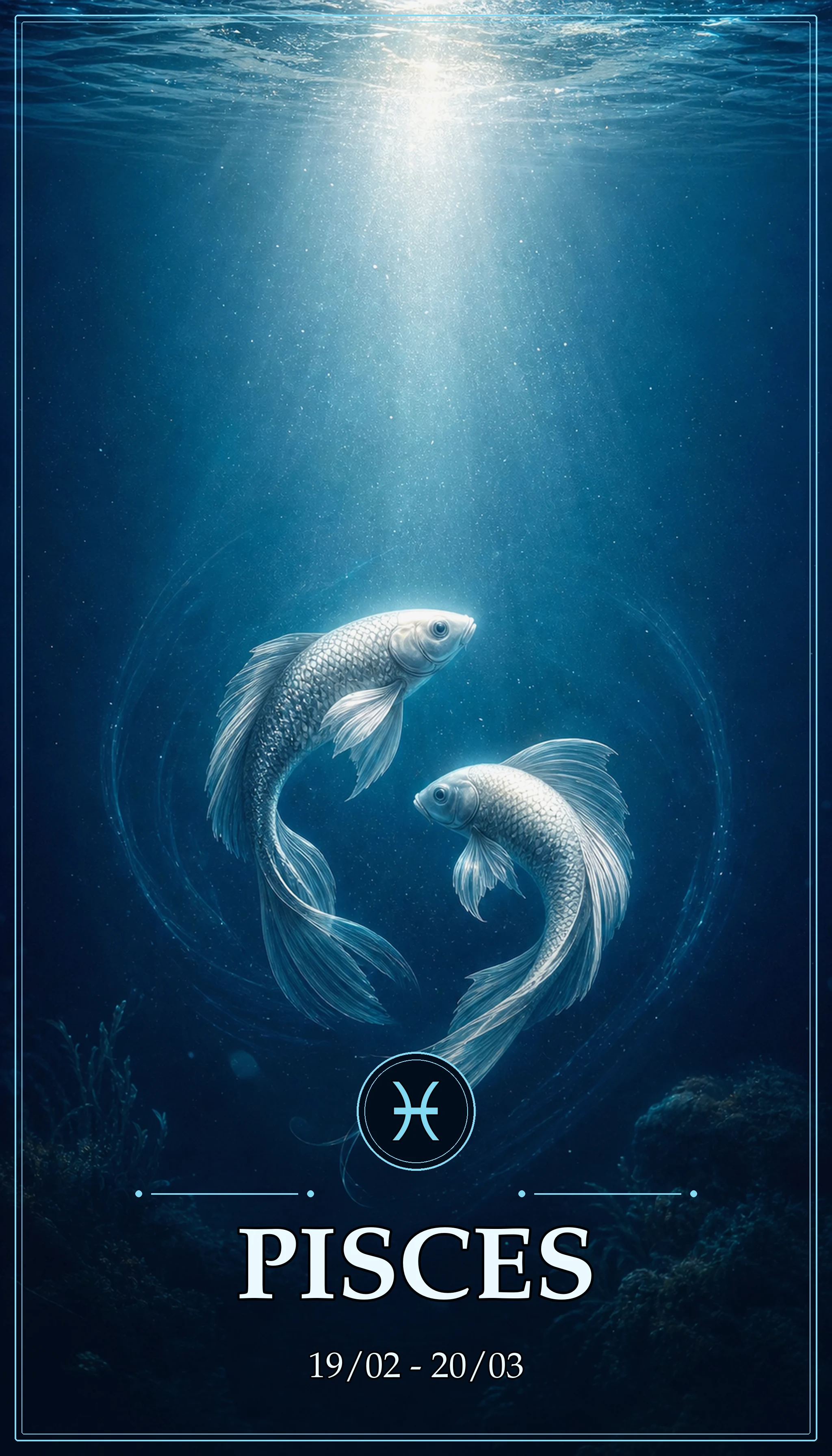
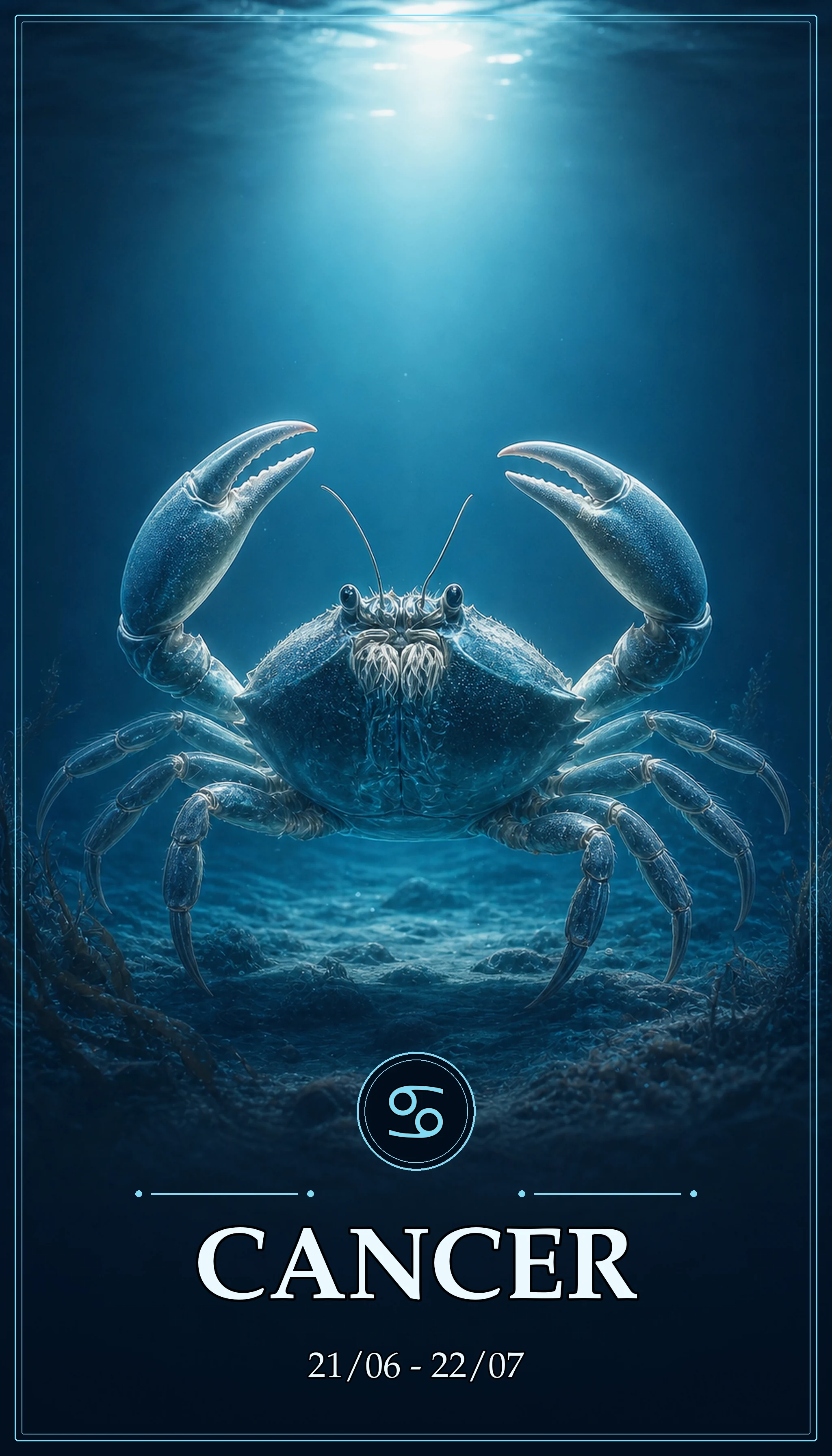
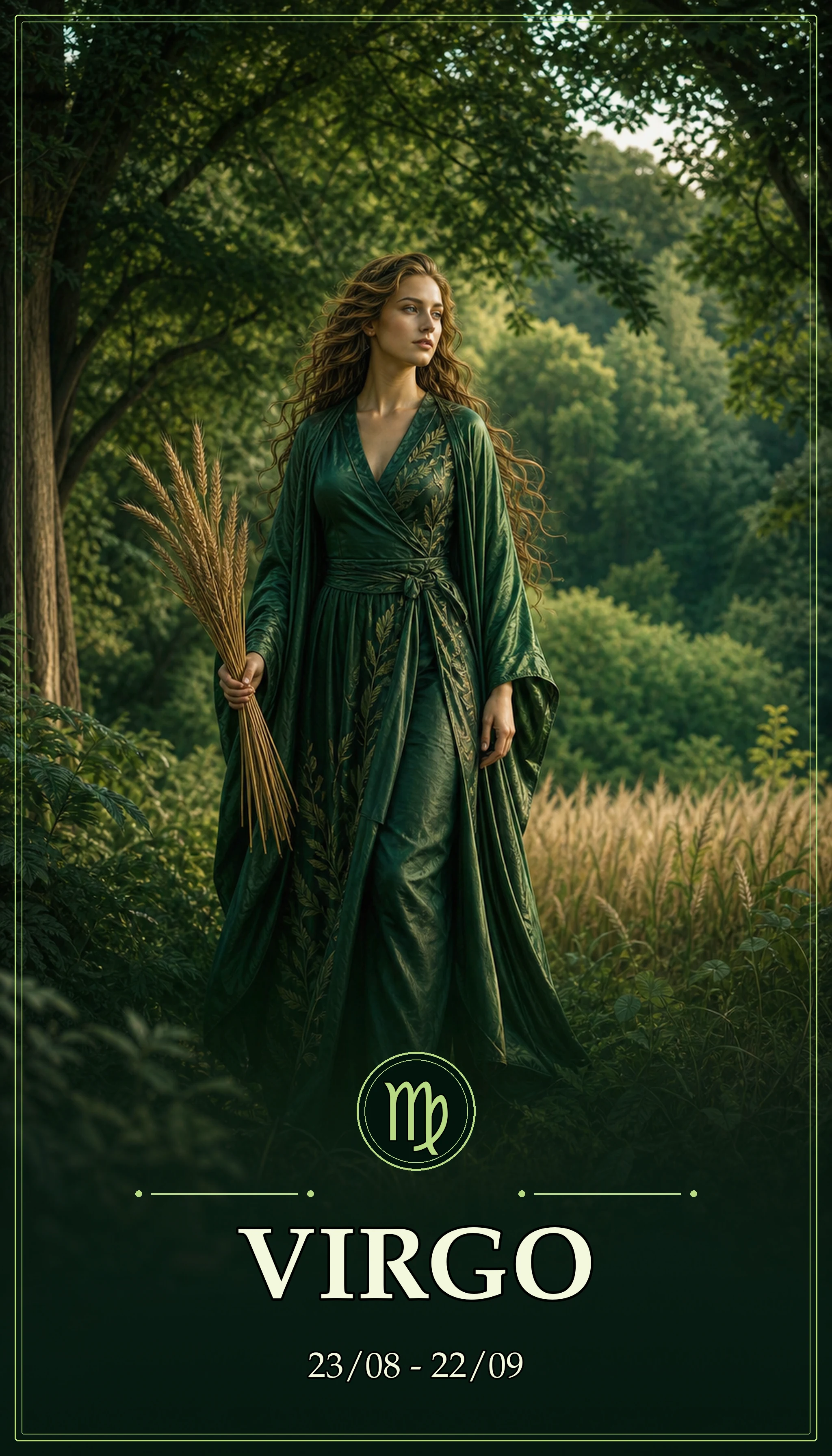
Lesley Arfin's chart is framed by Sun in Pisces, Moon in Cancer, and Virgo Rising. These three factors give identity and ego, personal dream, play, childhood image, and first impression before the details.

Chart detail:

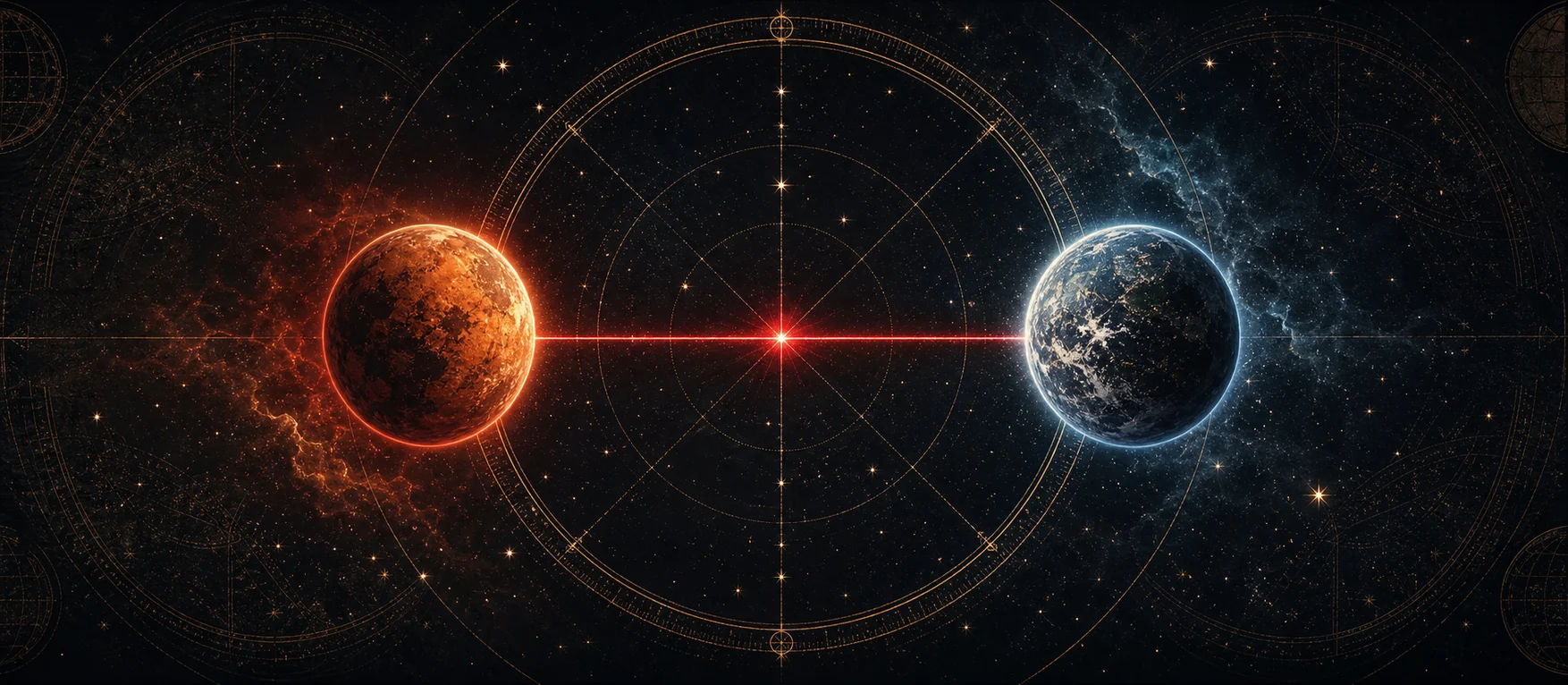
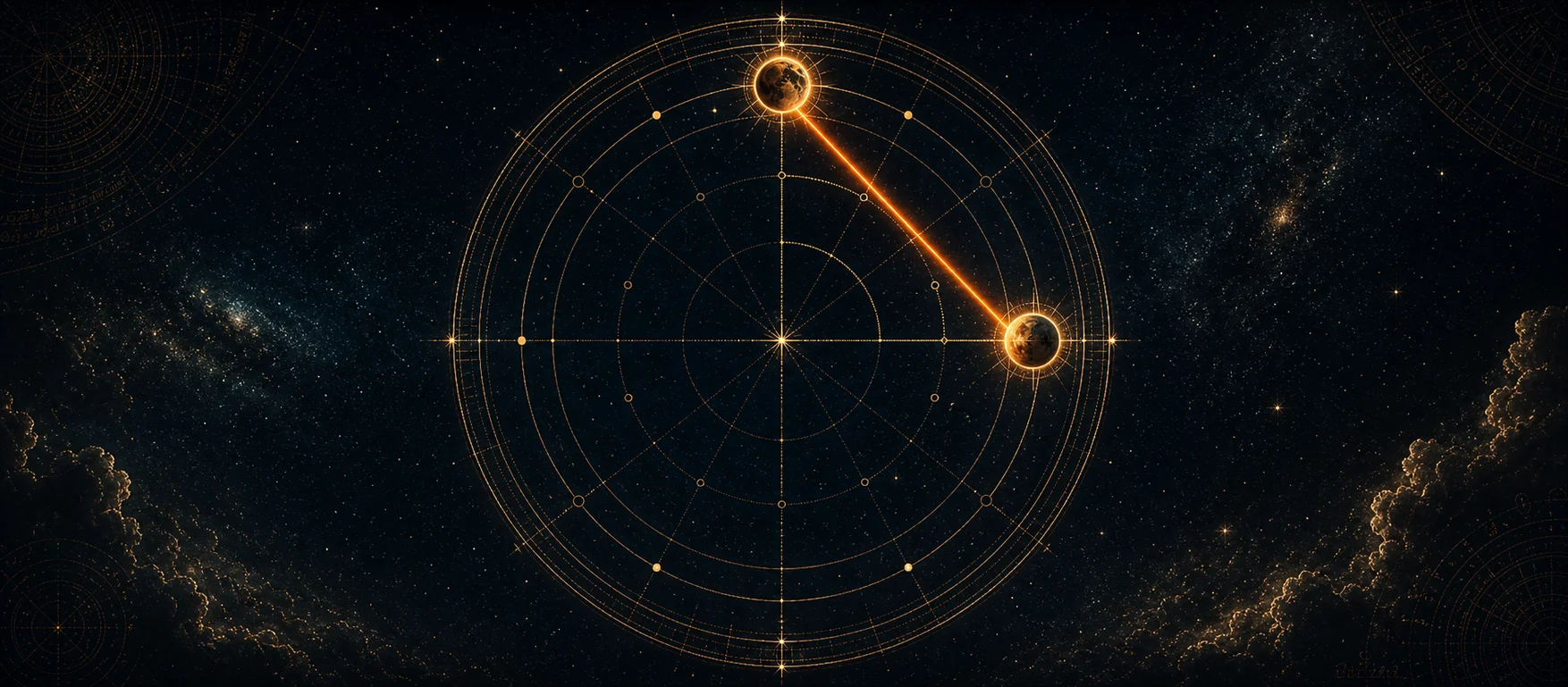
Mars opposite Saturn (orb 2.8°) gives a central dynamic in this reading. The orb is tight enough to count in the main reading.

In plain terms, this aspect sets direct action against limits, fear, duty, or authority: drive can meet a hard brake, frustration, or controlled anger.

Because the birth time is available, houses and angular dominants can be used, with each conclusion tied to a precise chart combination.

Learn the zodiac signs  ·  Learn the planets  ·  Learn the houses  ·  Browse celebrity charts  ·  Calculate your own birth chart

Displayed: 08/03/1979, 17:05 at New York, New York
(74°00' W, 40°43' N, GMT -5.0).

Source: Astro-Databank
RSIIIIIIVVVIVIIVIIIIXMHXIXII16°23'18°39'20°26'20°56'9°58'29°28'7°9'6°5'5°49'23°44'17°44'
Displayed: 08/03/1979, 17:05 at New York, New York
(74°00' W, 40°43' N, GMT -5.0).

Source: Astro-Databank

Sun Pisces
Pisces

Sun in Pisces

Moon Cancer
Cancer

Moon in Cancer

RS Virgo
Virgo

Rising sign in Virgo


Element Sign Degrees Speed House
Sun Pisces 17° 44' 29" 0.999 / day 7
Moon Cancer 23° 43' 55" 11.859 / day 11
Mercury Aries 05° 49' 26" 0.866 / day 8
Venus Aquarius 06° 04' 39" 1.172 / day 5
Mars Pisces 07° 09' 14" 0.788 / day 6
Jupiter Cancer 29° 28' 27" R -0.054 / day 11
Saturn Virgo 09° 58' 22" R -0.078 / day 1
Uranus Scorpio 20° 55' 54" R -0.011 / day 3
Neptune Sagittarius 20° 26' 22" 0.008 / day 4
Pluto Libra 18° 38' 60" R -0.022 / day 2
Lilith Leo 16° 23' 21" 0.111 / day 12
RS Virgo 08° 49' 45"
MH Gemini 05° 11' 34"

Click on a planet

 Log in or create and account to be able to save your own charts (it's free!).


Analysis

Astrological birth chart geometry with aspect lines
This visual shows the chart geometry before the reading separates the Big Three, planets, houses, and aspects.

How to read this chart

This section gives a concrete reading thread. It highlights the most visible signatures, then the tabs keep each placement separate instead of mixing everything together.

Reading map

Start here: a short reading that shows what hooks, what helps, what pushes back, and where it becomes concrete.

1. Big Three, Personal Essence

Sun in Pisces · Moon in Cancer · Virgo Rising

First hook: this is where the chart often becomes recognizable in real life. Sun in Pisces: identity and direction move through imagination, faith, compassion, dream, and permeability; Moon in Cancer: emotional safety looks for memory, protection, belonging, and family sensitivity; Virgo Rising: the first way into situations uses precision, method, usefulness, and attention to detail. Then read the supports, tensions, and houses to see where this base becomes easy, charged, or visible.

2. Dominants (visible planets)

Visible planets: Saturn and Mars

Dominants are planets close to the Rising sign, Midheaven, Descendant, or IC. They describe what becomes visible quickly: presence, public role, direct relationship style, or private climate. Every angular dominant found within the orb is listed below.

  • Visible Saturn near the Rising sign (orb 1.1°) Saturn is close to an angle: its signature shows more easily through first impression, body language, reflexes, and entry style. Here, that highlights discipline, constraint, endurance, and mastery. It matters most when it repeats in choices, relationships, or visible role.
  • Visible Mars near the Descendant (orb 1.7°) Mars is close to an angle: its signature shows more easily through direct relationships, partners, opponents, and the way others are met. Here, that highlights action, courage, competition, and effort. It matters most when it repeats in choices, relationships, or visible role.
3. Important harmonious aspects

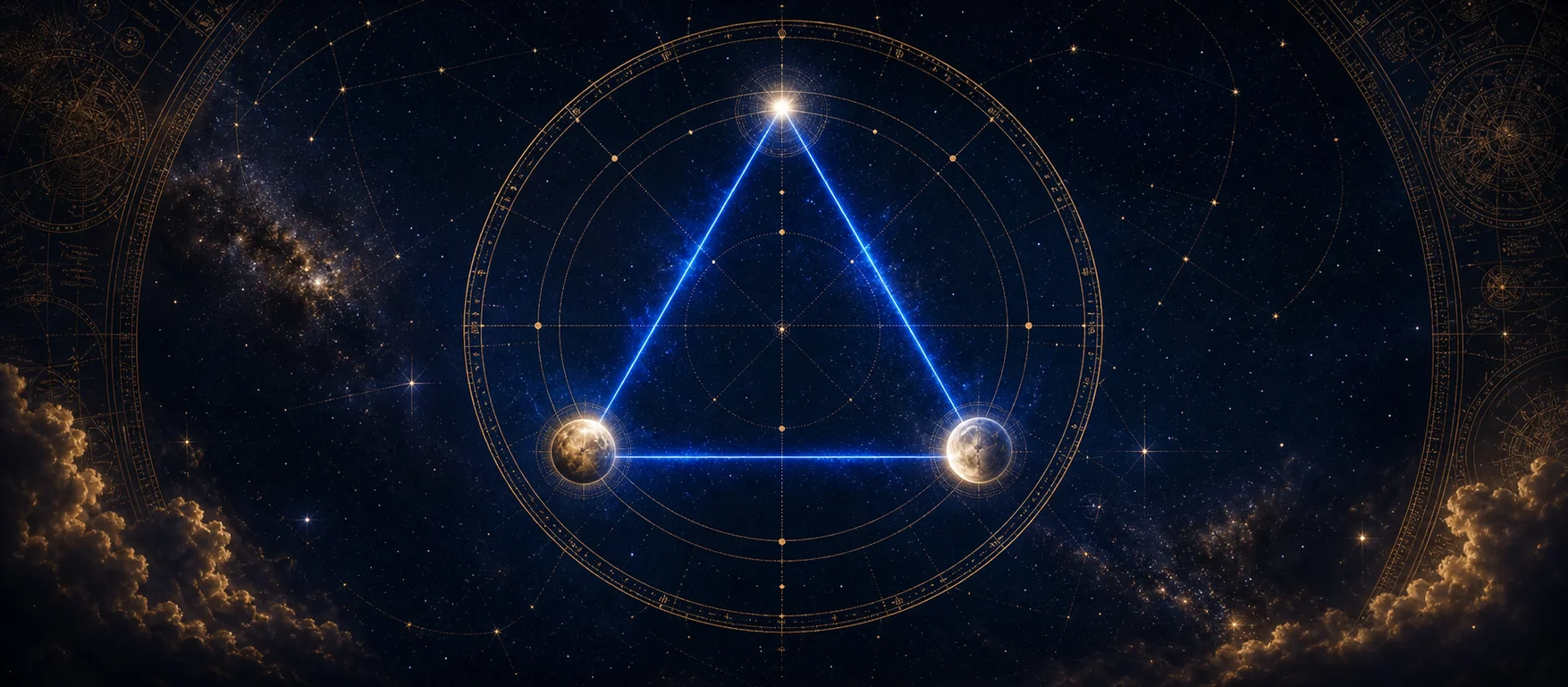
Harmonious triangle: Uranus, Moon, and Sun

This is the easiest door into the chart: it shows what tends to cooperate naturally.

This pattern describes what comes more easily. It shows up mainly through House 7 (partners, contracts, and direct encounters with others), House 11 (friends, groups, audience, ideologies, political beliefs, and future projects), and House 3 (speech, learning, and close surroundings). It connects Uranus (change, freedom, rupture, and originality), Moon (emotional needs, instinct, and inner safety), and Sun (identity, confidence, and direction).

This is the clearest cooperation pattern in the chart: Moon trine Uranus (orb 2.8°), Sun trine Uranus (orb 3.2°), and Sun trine Moon (orb 6°). It shows where functions support each other, recover, or come naturally when used together. Because several planets are connected, the full pattern matters more than one isolated aspect.

  • Harmony Moon trine Uranus (orb 2.8°) Trine: Moon in Cancer in House 11 can support Uranus in Scorpio in House 3 naturally and positively. For this pair, the aspect gives ease keeping the personal dream alive through change. Mother-image layer: childhood, mother image, and inner child are supported by Uranus.
  • Harmony Sun trine Uranus (orb 3.2°) Trine: Sun in Pisces in House 7 can support Uranus in Scorpio in House 3 naturally and positively. For this pair, the aspect makes independence easy to integrate into identity. Father-image layer: ego, personal direction, and the father imprint are supported by Uranus.
  • Harmony Sun trine Moon (orb 6°) Trine: Sun in Pisces in House 7 can support Moon in Cancer in House 11 naturally and positively. For this pair, the aspect gives background confidence between ego, inner child, dream, and optimism. Family-image layer: the trine shows structural support between father image and mother image.
4. Important tensions

Tension circuit: Saturn, Sun, Mars, and Neptune

This is the pressure line to read first: it shows where tension repeats in concrete situations.

This pattern shows where pressure builds fastest. It shows up mainly through House 7 (partners, contracts, and direct encounters with others), House 1 (body, presence, and first reactions), and House 4 (home, family, and private life). It connects Saturn (responsibility, limits, effort, and patience), Sun (identity, confidence, and direction), Mars (action, anger, desire, and courage), and Neptune (dreams, ideals, imagination, and confusion).

This is the clearest friction pattern in the chart: Mars opposite Saturn (orb 2.8°), Sun square Neptune (orb 2.7°), and Sun opposite Saturn (orb 7.8°). It shows where pressure, contradiction, or repeated effort concentrates. Because several planets are connected, the full pattern matters more than one isolated aspect.

  • Tension Mars opposite Saturn (orb 2.8°) Opposition in real life: The house conflict is between House 6 (daily work, technique, and bodily discipline) and House 1 (presence, body, and the way experience is entered); pressure in one field tends to reactivate the other. For this pair, the aspect sets direct action against limits, fear, duty, or authority: drive can meet a hard brake, frustration, or controlled anger.
  • Tension Sun square Neptune (orb 2.7°) Square in real life: House 7 (relationship, confrontation, and the mirror of others) is in friction with House 4 (roots, privacy, and inner foundation); this can create blockage, inhibition, overreaction, or repeated conflict between the two fields. For this pair, the aspect creates tension between identity, image, ideal, vagueness, and the need for recognition.
  • Tension Sun opposite Saturn (orb 7.8°) Opposition in real life: The house conflict is between House 7 (relationship, confrontation, and the mirror of others) and House 1 (presence, body, and the way experience is entered); pressure in one field tends to reactivate the other. For this pair, the aspect sets personal direction, ego, or father image against Saturn pressure: duty, limits, fear, authority, or a demanding father image.
5. Important houses

These houses answer the concrete question: where in life does the chart become visible? Look here for the repeated choices, relationships, work, or crises that make the rest of the chart real.

  • House 7: Sun relationship, confrontation, and the mirror of others.
  • House 11: Moon and Jupiter networks, audience, groups, ideas, ideologies, political beliefs, and collective projects.
  • House 1: Saturn presence, body, and the way experience is entered.


Sun
Sun in Pisces Identity, ego, father figure
Moon
Moon in Cancer Dream, inner child, mother figure
Rising sign Virgo
Rising in Virgo First impression, entry style
The three foundations

Start from the three base placements below: the Sun gives identity, ego, and father image; the Moon gives personal dream, play, childhood imprint, mother image, and the inner child; the Rising sign gives first impression, body language, and entry style. Then dominant planets and exact aspects show what carries the most weight.

Dominant layer: Saturn near the Rising sign (orb 1.1°) is close enough to an angle to color what other people perceive. Saturn (discipline, constraint, endurance, and mastery) is most visible through first impression, body language, reflexes, and entry style.

Lesley Arfin has Sun in Pisces, in the House 7

How to read this placement

Sun in Pisces in House 7 is one concrete combination: the Sun gives identity, ego, father figure, visibility, and direction, the Pisces style gives imagination, faith, compassion, dream, and permeability, and House 7 gives the life field: relationship, confrontation, and the mirror of others.

More about this placement

Concretely, this placement brings identity, ego, father figure, recognition, and personal direction into partners, clients, opponents, negotiations, and direct confrontations. House 7 (relationship, confrontation, and the mirror of others) gives the field; exact aspects show whether the planet is supported, blocked, fused, or contradicted.

Aspect connected to this placement: Sun square Neptune (orb 2.7°). Aspect effect: creates tension between identity, image, ideal, vagueness, and the need for recognition.

With the Sun in Pisces, identity forms through imagination, sensitivity, compassion, retreat, and porous contact with the invisible atmosphere around life. The person often needs art, spirituality, dream, music, solitude, or service to something larger than the ego. This placement can give empathy, adaptability, symbolic intelligence, and the ability to feel what others cannot name. It is not only confusion; it is the need to live with permeable boundaries. When ungrounded, the person may avoid definition, absorb too much, or drift away from practical reality.
In the 7th house, the Sun puts identity into relationship, confrontation, partnership, clients, opponents, and the mirror of other people. The person often discovers who they are through the people they face, love, negotiate with, or compete against. This can make partnership central, but it does not mean the person lacks identity; it means identity becomes sharper in contact with others. At best, it gives relational presence, diplomacy, and the ability to lead through alliance. Under stress, the ego can depend too much on approval, conflict, or the role assigned by a partner.

    Sun trine Uranus (orb 3.2°) shows positive structural ease between the two planets. The orb is tight enough to count in the main reading.

    Here, Sun in Pisces in House 7 brings identity, ego, father figure, visibility, and direction into House 7 (relationship, confrontation, and the mirror of others), with Pisces style (imagination, faith, compassion, dream, and permeability); Uranus in Scorpio in House 3 brings disruption, independence, and change into House 3 (speech, learning, and the close environment), with Scorpio style (intensity, desire, crisis, secrecy, and invisible power).

    Concrete support: this aspect makes independence easy to integrate into identity. Father-image layer: ego, personal direction, and the father imprint are supported by Uranus.

    Sun square Neptune (orb 2.7°) creates concrete friction between the two planets. The orb is tight enough to count in the main reading.

    Here, Sun in Pisces in House 7 brings identity, ego, father figure, visibility, and direction into House 7 (relationship, confrontation, and the mirror of others), with Pisces style (imagination, faith, compassion, dream, and permeability); Neptune in Sagittarius in House 4 brings imagination, image, popularity, collective moods, and inspiration into House 4 (roots, privacy, and inner foundation), with Sagittarius style (expansion, travel, belief, and the search for meaning).

    Concrete friction: this aspect creates tension between identity, image, ideal, vagueness, and the need for recognition. House 7 (relationship, confrontation, and the mirror of others) is in friction with House 4 (roots, privacy, and inner foundation); this can create blockage, inhibition, overreaction, or repeated conflict between the two fields.

    Sun trine Moon (orb 6°) shows positive structural ease between the two planets. The orb is moderate; it stays secondary beside tighter signatures.

    Concrete support: this aspect gives background confidence between ego, inner child, dream, and optimism. Family-image layer: the trine shows structural support between father image and mother image.

    Sun opposite Saturn (orb 7.8°) is minor in this chart. The orb is wide; this aspect stays a light nuance.

    Here, Sun in Pisces in House 7 brings identity, ego, father figure, visibility, and direction into House 7 (relationship, confrontation, and the mirror of others), with Pisces style (imagination, faith, compassion, dream, and permeability); Saturn in Virgo in House 1 brings discipline, constraint, endurance, and mastery into House 1 (presence, body, and the way experience is entered), with Virgo style (precision, method, usefulness, and attention to detail).

    Concrete conflict: this aspect sets personal direction, ego, or father image against Saturn pressure: duty, limits, fear, authority, or a demanding father image. Visible angle: Saturn near the Rising sign (orb 1.1°) touches an angle; this aspect is easier to notice through first impression, body language, reflexes, and entry style. The house conflict is between House 7 (relationship, confrontation, and the mirror of others) and House 1 (presence, body, and the way experience is entered); pressure in one field tends to reactivate the other.


Lesley Arfin has Moon in Cancer, in the House 11

How to read this placement

Moon in Cancer in House 11 is one concrete combination: the Moon gives personal dream, play, inner child, childhood imprint, mother figure, mother image, optimism, and inner rhythm, the Cancer style gives memory, protection, belonging, and family sensitivity, and House 11 gives the life field: networks, audience, groups, ideas, ideologies, political beliefs, and collective projects.

More about this placement

Concretely, this placement brings personal dream, play instinct, inner child, childhood imprint, mother figure, mother image, optimism, and inner rhythm into networks, audiences, friends, groups, ideas, ideologies, political beliefs, and collective projects. House 11 (networks, audience, groups, ideas, ideologies, political beliefs, and collective projects) gives the field; exact aspects show whether the planet is supported, blocked, fused, or contradicted.

Aspect connected to this placement: Moon trine Uranus (orb 2.8°). Aspect effect: gives ease keeping the personal dream alive through change. Mother-image layer: childhood, mother image, and inner child are supported by Uranus.

With the Moon in Cancer, the inner child is tied to memory, family, home, care, belonging, and the mother image itself. The personal dream often begins with protection: creating a place, a family, a private shell, or a circle where life can soften. This Moon can give tenderness, intuition, loyalty to origins, and a strong instinct for what people need before they say it. It is powerful because it remembers. When defensive, it can withdraw, hold on to hurt, or wait for proof that someone is safe before opening again.
In the 11th house, the Moon brings personal dream, inner child, and childhood imprint into friends, groups, networks, audiences, publics, group ideologies, and collective dreams. The inner child wants belonging, but not only in a private family; it may seek inner confidence in community, movements, fans, or shared ideals. The person can be sensitive to group moods and may know instinctively what a public needs to feel included. At best, this gives popularity, social care, and emotional participation in collective projects. Under stress, it can become dependence on group approval, fear of exclusion, or losing personal feeling inside a crowd.

    Moon trine Uranus (orb 2.8°) shows positive structural ease between the two planets. The orb is tight enough to count in the main reading.

    Here, Moon in Cancer in House 11 brings personal dream, play, inner child, childhood imprint, mother figure, mother image, optimism, and inner rhythm into House 11 (networks, audience, groups, ideas, ideologies, political beliefs, and collective projects), with Cancer style (memory, protection, belonging, and family sensitivity); Uranus in Scorpio in House 3 brings disruption, independence, and change into House 3 (speech, learning, and the close environment), with Scorpio style (intensity, desire, crisis, secrecy, and invisible power).

    Concrete support: this aspect gives ease keeping the personal dream alive through change. Mother-image layer: childhood, mother image, and inner child are supported by Uranus.

    Moon conjunct Jupiter (orb 5.7°) brings the two planets out together. The orb is moderate; it stays secondary beside tighter signatures.

    Here, both planets pass through the same life area: House 11 (networks, audience, groups, ideas, ideologies, political beliefs, and collective projects), with the same Cancer style (memory, protection, belonging, and family sensitivity). Moon in Cancer in House 11 brings personal dream, play, inner child, childhood imprint, mother figure, mother image, optimism, and inner rhythm; Jupiter in Cancer in House 11 brings personal fulfillment, confidence, encouragement, and broader horizons.

    Concrete effect: this aspect brings personal dream, childhood imprint, optimism, confidence, and personal fulfillment together: the inner child wants a larger life.

    Same aspect, other side: the full reading is under the other planet, and it also applies to Moon.

    Open the full aspect reading under Sun

    Moon square Pluto (orb 5.1°) creates concrete friction between the two planets. The orb is moderate; it stays secondary beside tighter signatures.

    Concrete friction: this aspect creates tension between personal dream, childhood, mother image, control, and fear: protection can become suspicion, grip, or overreaction. House 11 (networks, audience, groups, ideas, ideologies, political beliefs, and collective projects) is in friction with House 2 (resources, values, and security); this can create blockage, inhibition, overreaction, or repeated conflict between the two fields.


Lesley Arfin has Rising sign in Virgo

How to read this placement

Virgo Rising combines the Rising sign with the sign on the first-house cusp. The Rising sign describes first impression, body language, reflexes, and the way the person enters situations; the Virgo style gives precision, method, usefulness, and attention to detail.

More about this placement

Concretely, this signature appears through immediate presence: posture, arrival rhythm, spontaneous reaction, and first contact with other people. A planet close to the Rising sign can become louder than the sign itself.

Virgo rising gives a precise first impression: observation, restraint, usefulness, timing, and attention to detail. The person often meets life by noticing what needs adjustment and by trying to make the situation more workable.


Mercury
Mercury Intellect, language, technique
Venus
Venus Desire, taste, attraction
Mars
Mars Action, courage, competition
Jupiter
Jupiter Fulfillment, confidence, horizons

Lesley Arfin has Mercury in Aries, in the House 8

How to read this placement

Mercury in Aries in House 8 is one concrete combination: Mercury gives intellect, language, thought, and technique, the Aries style gives initiative, speed, confrontation, and direct action, and House 8 gives the life field: sexuality, shared power, crisis, and invisible bonds.

More about this placement

Concretely, this placement brings thinking, speech, learning, technique, and mental strategy into sexuality, shared money, crises, dependencies, and power dynamics. House 8 (sexuality, shared power, crisis, and invisible bonds) gives the field; exact aspects show whether the planet is supported, blocked, fused, or contradicted.

Aspect connected to this placement: Mercury sextile Venus (orb 0.2°). Aspect effect: lets intellect and Venus cooperate in speech, art, negotiation, or the formulation of desire.

With Mercury in Aries, the intellect moves fast and wants to reach a decision. The person often speaks directly, argues from instinct, and learns best by trying rather than waiting for perfect information. This placement can give mental courage, quick replies, tactical improvisation, and a talent for launching ideas. It is not built for endless hesitation. Under stress, it can interrupt, oversimplify, decide too quickly, or treat disagreement as a contest that must be won.
In the 8th house, Mercury puts intellect into intimacy, sexuality, secrets, shared resources, crisis, psychology, and hidden power. The person may ask difficult questions and be drawn to what others avoid saying. The mind often wants depth, motives, strategy, and the truth under the surface. At best, this gives investigative intelligence, psychological insight, and courage in serious conversations. Under stress, it can become suspicion, obsessive thinking, verbal control, secretiveness, or using information as leverage in intimate situations.

    Mercury sextile Venus (orb 0.2°) shows active cooperation between the two planets. The orb is extremely tight; this aspect is one of the chart's strongest signals.

    Here, Mercury in Aries in House 8 brings intellect, language, thought, and technique into House 8 (sexuality, shared power, crisis, and invisible bonds), with Aries style (initiative, speed, confrontation, and direct action); Venus in Aquarius in House 5 brings desire, taste, relationship, and attraction into House 5 (creation, performance, and personal expression), with Aquarius style (independence, networks, distance, and collective change).

    Concrete cooperation: intellect and Venus can cooperate in speech, art, negotiation, or the formulation of desire.


Lesley Arfin has Venus in Aquarius, in the House 5

How to read this placement

Venus in Aquarius in House 5 is one concrete combination: Venus gives desire, taste, relationship, and attraction, the Aquarius style gives independence, networks, distance, and collective change, and House 5 gives the life field: creation, performance, and personal expression.

More about this placement

Concretely, this placement brings desire, taste, attraction, pleasure, and love style into creation, play, performance, children, and personal risk-taking. House 5 (creation, performance, and personal expression) gives the field; exact aspects show whether the planet is supported, blocked, fused, or contradicted.

With Venus in Aquarius, affection needs friendship, freedom, originality, and respect for difference. The person often loves people who bring a new perspective, a shared ideal, or a sense of being outside ordinary scripts. Taste can be modern, eccentric, conceptual, futuristic, or socially unconventional. This placement often prefers a bond that leaves room to breathe. Under stress, it can detach, intellectualize feelings, resist ordinary intimacy, or seem absent just when emotional warmth is needed.
In the 5th house, Venus puts attraction and pleasure into romance, creativity, children, play, performance, and joy. Love wants expression here: art, flirting, celebration, style, leisure, and the pleasure of being seen. The person may naturally enjoy beauty, entertainment, and affectionate attention. At best, this gives creative charm, romantic warmth, artistic ease, and a generous capacity for delight. Under stress, it can become dependency on admiration, love of drama, romantic indulgence, or difficulty taking desire seriously when it stops being fun.


Lesley Arfin has Mars in Pisces, in the House 6

How to read this placement

Mars in Pisces in House 6 is one concrete combination: Mars gives action, courage, competition, and effort, the Pisces style gives imagination, faith, compassion, dream, and permeability, and House 6 gives the life field: daily work, technique, and bodily discipline.

More about this placement

Concretely, this placement brings action, anger, courage, competition, and effort into daily work, technical gestures, habits, and bodily discipline. House 6 (daily work, technique, and bodily discipline) gives the field; exact aspects show whether the planet is supported, blocked, fused, or contradicted.

Aspect connected to this placement: Mars opposite Saturn (orb 2.8°). Aspect effect: sets direct action against limits, fear, duty, or authority: drive can meet a hard brake, frustration, or controlled anger.

Visible angle: Mars near the Descendant (orb 1.7°) touches an angle; this placement is easier to notice through direct relationships, partners, opponents, and the way others are met.

With Mars in Pisces, action is porous, imaginative, indirect, and guided by atmosphere. The person may act through music, image, compassion, faith, escape, or the desire to protect what is vulnerable. This Mars can be inspired, adaptive, gentle, artistic, and surprisingly strong when moved by a dream. Under stress, it can lose direction, avoid confrontation, dissolve into fantasy, or act from confusion instead of clear desire.
In the 6th house, Mars puts action into work, routine, service, health, tools, technique, and the discipline of the body. The person may have strong work energy and a need to attack tasks directly. Anger often appears when systems are inefficient, bodies are overstrained, or responsibilities pile up. At best, this gives stamina, technical courage, productive discipline, and the ability to solve practical problems quickly. Under stress, it can become work conflict, burnout, irritation, accidents through haste, or treating the body like a machine.

    Mars opposite Saturn (orb 2.8°) puts the two planets face to face, with visible back-and-forth or tension. The orb is tight enough to count in the main reading.

    Here, Mars in Pisces in House 6 brings action, courage, competition, and effort into House 6 (daily work, technique, and bodily discipline), with Pisces style (imagination, faith, compassion, dream, and permeability); Saturn in Virgo in House 1 brings discipline, constraint, endurance, and mastery into House 1 (presence, body, and the way experience is entered), with Virgo style (precision, method, usefulness, and attention to detail).

    Concrete conflict: this aspect sets direct action against limits, fear, duty, or authority: drive can meet a hard brake, frustration, or controlled anger. Visible angle: Mars near the Descendant (orb 1.7°) and Saturn near the Rising sign (orb 1.1°) touch angles; this aspect is easier to notice through direct relationships, partners, opponents, and the way others are met; also through first impression, body language, reflexes, and entry style. The house conflict is between House 6 (daily work, technique, and bodily discipline) and House 1 (presence, body, and the way experience is entered); pressure in one field tends to reactivate the other.


Lesley Arfin has Jupiter in Cancer, in the House 11

How to read this placement

Jupiter in Cancer in House 11 is one concrete combination: Jupiter gives personal fulfillment, confidence, encouragement, and broader horizons, the Cancer style gives memory, protection, belonging, and family sensitivity, and House 11 gives the life field: networks, audience, groups, ideas, ideologies, political beliefs, and collective projects.

More about this placement

Concretely, this placement brings personal fulfillment, confidence, and opening of horizons into networks, audiences, friends, groups, ideas, ideologies, political beliefs, and collective projects. House 11 (networks, audience, groups, ideas, ideologies, political beliefs, and collective projects) gives the field; exact aspects show whether the planet is supported, blocked, fused, or contradicted.

With Jupiter in Cancer, the person finds fulfillment through family, memory, care, food, belonging, and emotional protection. They often become more confident when they can create a safe atmosphere for themselves or others. This Jupiter can give warmth, hospitality, protective generosity, and a strong instinct for emotional timing. Under stress, it can become clannish, sentimental, overprotective, or too dependent on familiar emotional patterns.
With Jupiter in the 11th house, the person finds fulfillment through friends, networks, audiences, groups, ideas, ideologies, political beliefs, movements, and collective projects. Life opens through allies, shared ideals, public support, and the feeling of belonging to something larger than private ambition. At best, this gives group generosity, future vision, and talent for organizing enthusiasm. Under stress, it can become dependence on the crowd, inflated social promises, ideological excess, or spreading energy across too many networks.


Saturn
Saturn Discipline, limits, structure
Uranus
Uranus Freedom, rupture, invention
Neptune
Neptune Image, popularity, inspiration
Pluto
Pluto Crisis, power, regeneration
Lilith
Lilith Ideal, fascination, refusal

Lesley Arfin has Saturn in Virgo, in the House 1

How to read this placement

Saturn in Virgo in House 1 is one concrete combination: Saturn gives discipline, constraint, endurance, and mastery, the Virgo style gives precision, method, usefulness, and attention to detail, and House 1 gives the life field: presence, body, and the way experience is entered.

More about this placement

Concretely, this placement brings discipline, limits, duty, fear, and long construction into body language, arrival style, reflexes, and first impression. House 1 (presence, body, and the way experience is entered) gives the field; exact aspects show whether the planet is supported, blocked, fused, or contradicted.
Visible angle: Saturn near the Rising sign (orb 1.1°) touches an angle; this placement is easier to notice through first impression, body language, reflexes, and entry style.

With Saturn in Virgo, discipline is applied to work, method, health, service, and practical improvement. The person often notices what is wrong, unfinished, inefficient, or imprecise, then feels responsible for correcting it. This can give competence, reliability, technical mastery, and a strong sense of useful effort. Under stress, it can become perfectionism, worry, self-criticism, or difficulty accepting that some parts of life cannot be optimized.

In the 1st house, Saturn puts discipline, restraint, responsibility, and self-control directly into presence and first impression. The person may appear serious, contained, cautious, mature, reserved, or visibly aware of what they must carry. At best, this gives endurance, reliability, authority, and the ability to build a solid identity over time. Under stress, it can become inhibition, stiffness, fear of being judged, excessive self-control, or a body language that looks closed before trust is built.

Lesley Arfin has Uranus in Scorpio, in the House 3

How to read this placement

Uranus in Scorpio in House 3 is one concrete combination: Uranus gives disruption, independence, and change, the Scorpio style gives intensity, desire, crisis, secrecy, and invisible power, and House 3 gives the life field: speech, learning, and the close environment.

More about this placement

Concretely, this placement brings freedom, disruption, broken rhythms, and the need for independence into speech, writing, learning, short trips, and the everyday environment. House 3 (speech, learning, and the close environment) gives the field; exact aspects show whether the planet is supported, blocked, fused, or contradicted.

With Uranus in Scorpio, independence expresses itself through power, sexuality, intimacy, crisis, secrets, and psychological transformation. The person may break silence around taboo subjects or challenge hidden control systems. This placement can give radical emotional insight, fearlessness in crisis, and the ability to transform buried material quickly. Under stress, it can become explosive intensity, fascination with danger, distrust, or abrupt breaks when intimacy feels too controlled.
In the 3rd house, Uranus puts invention into speech, learning, writing, siblings, short trips, and everyday information. The person may think fast, connect unexpected ideas, question ordinary language, and learn through disruption rather than repetition. At best, this gives originality of mind, technical curiosity, sharp observation, and a talent for making new connections. Under stress, it can become scattered attention, abrupt speech, impatience with basic explanations, or conflict with the immediate environment because the mind moves faster than the room.


Lesley Arfin has Neptune in Sagittarius, in the House 4

How to read this placement

Neptune in Sagittarius in House 4 is one concrete combination: Neptune gives imagination, image, popularity, collective moods, and inspiration, the Sagittarius style gives expansion, travel, belief, and the search for meaning, and House 4 gives the life field: roots, privacy, and inner foundation.

More about this placement

Concretely, this placement brings imagination, image, popularity, and the ability to read collective currents into family, home, privacy, roots, and psychological foundation. House 4 (roots, privacy, and inner foundation) gives the field; exact aspects show whether the planet is supported, blocked, fused, or contradicted.

With Neptune in Sagittarius, the dream function takes the color of travel, belief, teaching, culture, politics, and the search for meaning. The person may sense collective moods through big stories, foreign horizons, spiritual promises, or the desire to escape into a larger world. This placement can give visionary faith, inspiring teaching, and the ability to make a worldview feel alive. Under stress, it can idealize distant places, preach vague truths, or mistake enthusiasm for wisdom.
In the 4th house, Neptune puts dream, sensitivity, memory, and emotional atmosphere into family, home, roots, and the private base of life. The person may need a peaceful or artistic home and may feel family moods strongly. At best, this gives compassion in private life, imaginative roots, healing sensitivity, and a home that feels like a refuge. Under stress, it can become family idealization, unclear boundaries at home, nostalgia, emotional confusion, or difficulty separating what actually happened from the dream of what should have happened.


Lesley Arfin has Pluto in Libra, in the House 2

How to read this placement

Pluto in Libra in House 2 is one concrete combination: Pluto gives crisis, power, survival, and regeneration, the Libra style gives relationship, balance, negotiation, and sense of form, and House 2 gives the life field: resources, values, and security.

More about this placement

Concretely, this placement brings crisis, power, sexuality, survival, and transformation into personal money, possessions, security needs, and value choices. House 2 (resources, values, and security) gives the field; exact aspects show whether the planet is supported, blocked, fused, or contradicted.

With Pluto in Libra, power concentrates around relationships, attraction, contracts, justice, taste, and social balance. The person may meet pressure through alliances, conflict, seduction, dependency, rivalry, and the hidden power inside polite relationships. This placement can give strategic charm, relational insight, and the ability to expose false harmony. Under stress, it can become control through approval, intense partnership dynamics, fear of being alone, or conflict disguised as diplomacy.
In the 2nd house, Pluto puts power, survival, control, and regeneration into money, resources, body, voice, possessions, and personal value. The person may experience material life as something intense: security, loss, accumulation, debt, desire, and self-worth can carry high emotional charge. At best, this gives financial instinct, resourcefulness under pressure, strong will, and the ability to rebuild after material crisis. Under stress, it can become possessiveness, fear of lack, secrecy around money, compulsive accumulation, or tying personal value too tightly to control over resources.


Lesley Arfin has Lilith in Leo, in the House 12

How to read this placement

Lilith in Leo in House 12 is one concrete combination: Lilith gives pure ideal, absolute demand, fascination, and refusal of compromise, the Leo style gives presence, pride, creation, and the wish to be seen, and House 12 gives the life field: retreat, contemplation, long time, and possible confinement.

More about this placement

Concretely, this placement brings the pure ideal, absolute demand, desire, fascination, and what refuses to become ordinary into withdrawal, contemplation, long time, possible isolation, and quiet major works. House 12 (retreat, contemplation, long time, and possible confinement) gives the field; exact aspects show whether the planet is supported, blocked, fused, or contradicted.

With Black Moon Lilith in Leo, the non-negotiable point concerns pride, creativity, love, visibility, and the right to shine in one's own way. The person may refuse to be ordinary, ignored, mocked, or reduced to someone else's audience. This placement can give magnetic self-expression, dramatic courage, and a demand that desire be lived fully. Under stress, it can become theatrical defiance, hunger for recognition, fear of humiliation, or refusal to share the stage.
In the 12th house, Black Moon Lilith puts absolute desire into solitude, retreat, contemplation, long background processes, hidden work, institutions, and possible confinement. The person may carry a private non-negotiable truth that takes time, silence, art, or spiritual work to understand. At best, this gives deep authenticity behind the scenes, instinctive spiritual refusal, and the courage to face what has been exiled from consciousness. Under stress, it can become private shame, isolation, hidden obsession, fascination with suffering, or a refusal so buried that it acts from the background instead of becoming conscious.