Logo

Birth chart of Maya Angelou

Maya Angelou portrait
Curated reading

Mercury-Venus in Pisces, Sun-Jupiter in Aries

Maya Angelou's chart reads first through voice: Mercury and Venus in Pisces make language musical and compassionate, while Sun-Jupiter in Aries makes testimony public and courageous.

Maya Angelou, the poet and memoirist whose voice became part of civil-rights memory, has Mercury conjunct Venus in Pisces. Mercury gives words, teaching, memory, and transmission; Venus adds beauty, cadence, value, and artistic form. In Pisces, the voice carries feeling, imagination, grief, compassion, and the capacity to speak for more than the isolated self.

Neptune near the Rising sign strengthens that imaginal presence. The public does not only meet argument; it meets atmosphere, performance, tenderness, and collective emotion. Sun conjunct Jupiter in Aries then changes the scale: testimony becomes bold, active, public, and difficult to keep small.

The chart is not a claim that astrology produces literary power. It gives a disciplined first reading: language becomes witness, and witness becomes a courageous public act.

Reading takeaway: Read Mercury-Venus first, then Sun-Jupiter: the voice carries beauty, memory, and public courage.

Displayed: 04/04/1928, 14:10 at Saint Louis, Missouri
(90°12' W, 38°37' N, GMT -6.0).

Source: Astro-Databank
RSIIIIIIVVVIVIIVIIIIXMHXIXII14°16'14°59'26°40'4°1'19°5'16°7'27°53'21°44'20°26'11°21'14°48'
Displayed: 04/04/1928, 14:10 at Saint Louis, Missouri
(90°12' W, 38°37' N, GMT -6.0).

Source: Astro-Databank

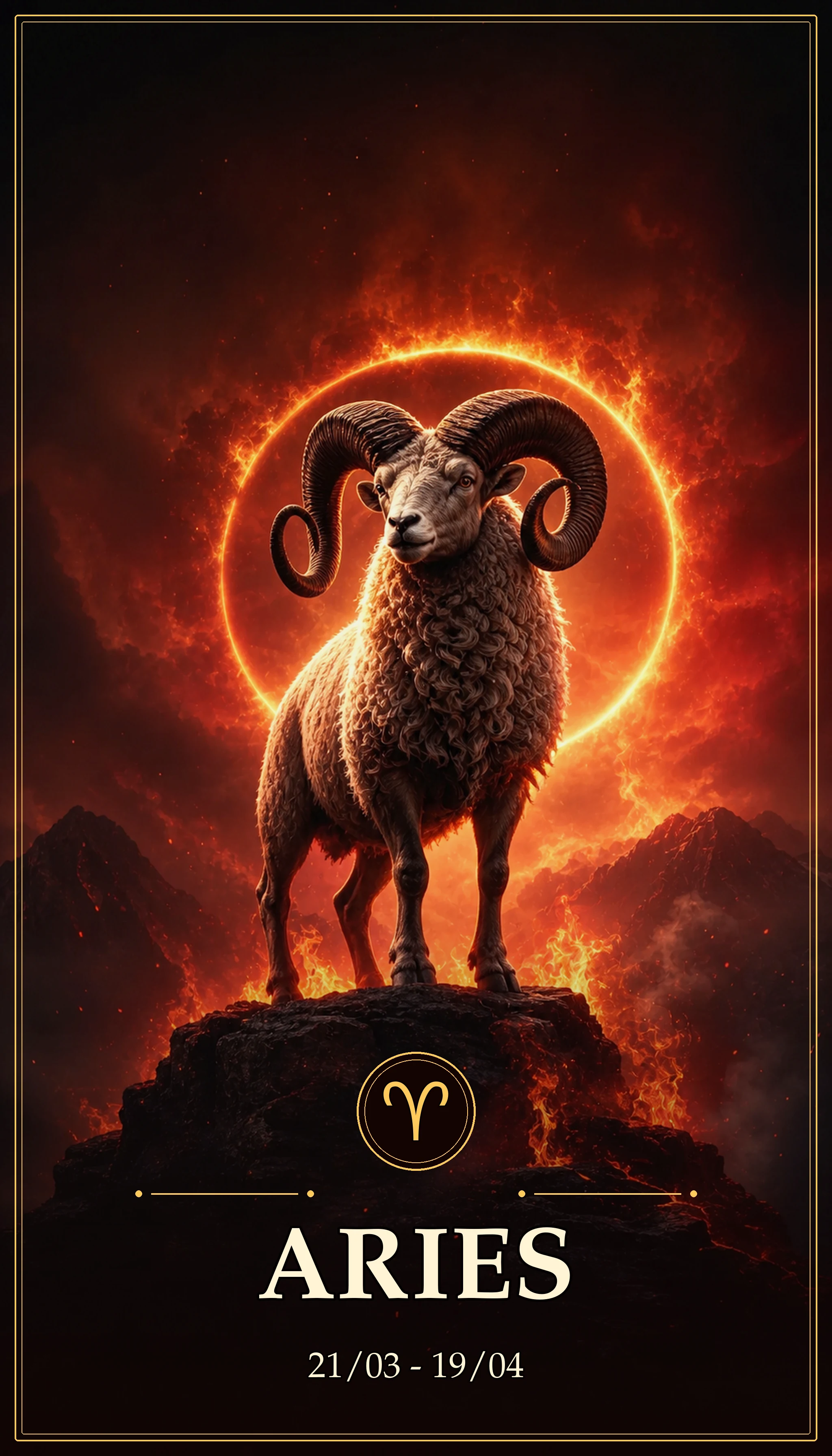
Sun Aries
Aries

Sun in Aries

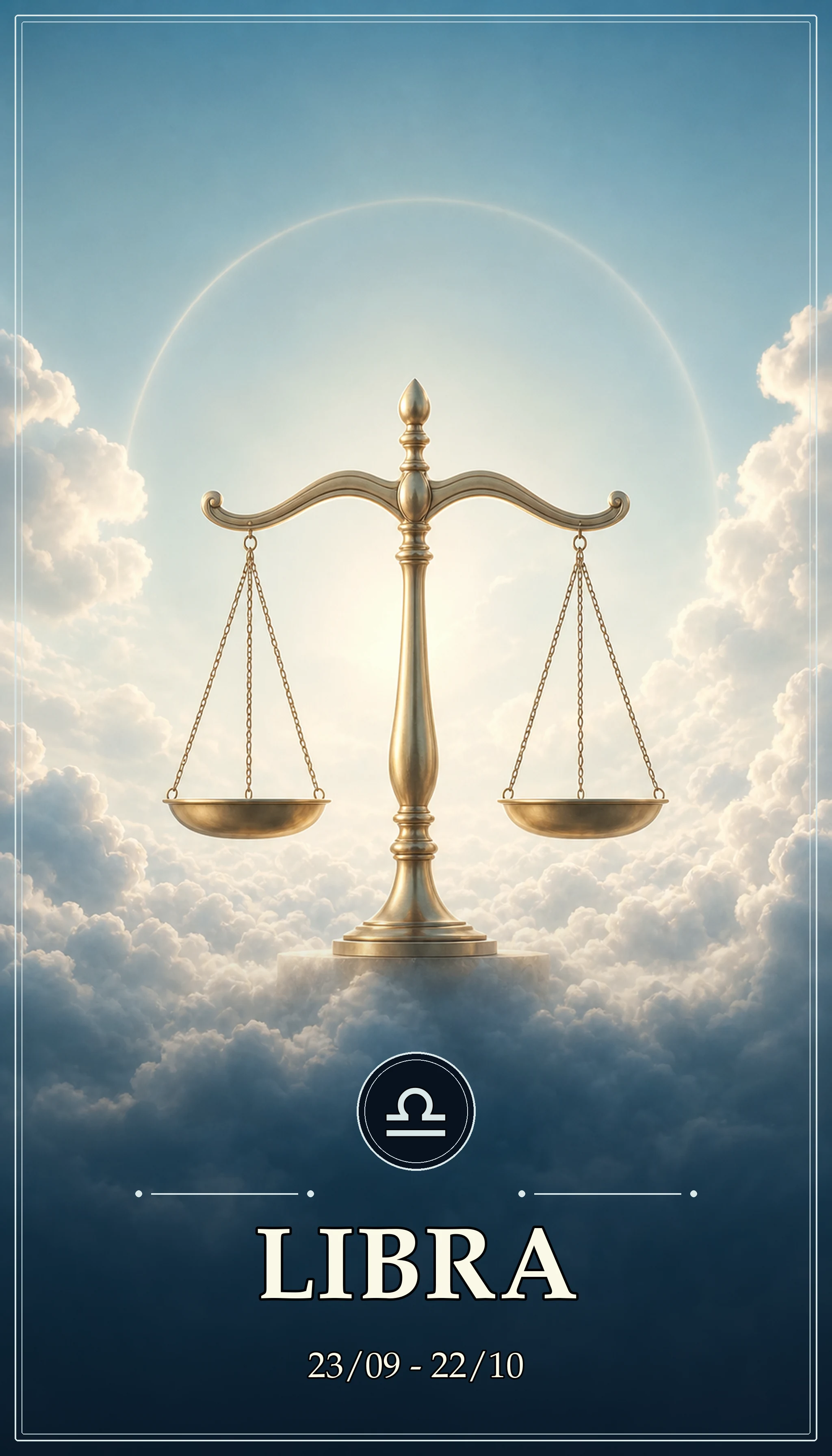
Moon Libra
Libra

Moon in Libra

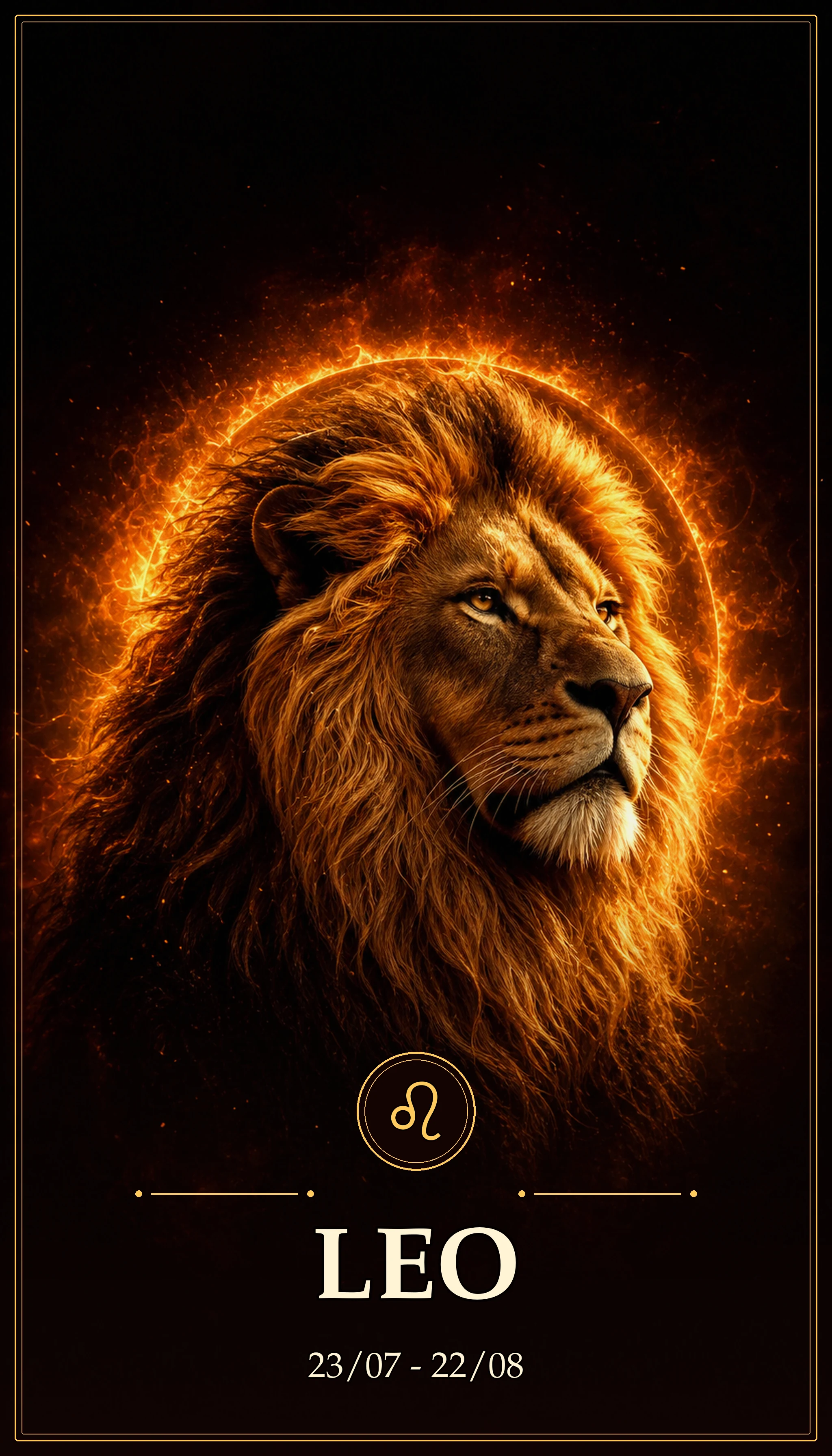
RS Leo
Leo

Rising sign in Leo


Element Sign Degrees Speed House
Sun Aries 14° 48' 20" 0.983 / day 9
Moon Libra 11° 21' 06" 12.101 / day 2
Mercury Pisces 20° 25' 45" 1.449 / day 8
Venus Pisces 21° 44' 21" 1.228 / day 8
Mars Aquarius 27° 53' 04" 0.765 / day 7
Jupiter Aries 16° 07' 11" 0.241 / day 9
Saturn Sagittarius 19° 05' 26" R -0.011 / day 4
Uranus Aries 04° 01' 25" 0.056 / day 8
Neptune Leo 26° 40' 21" R -0.016 / day 1
Pluto Cancer 14° 59' 26" 0.002 / day 11
Lilith Scorpio 14° 15' 37" 0.111 / day 3
RS Leo 23° 58' 03"
MH Taurus 17° 39' 15"

Click on a planet

 Log in or create and account to be able to save your own charts (it's free!).


Chart reading map

Astrological birth chart geometry with aspect lines
This visual shows the chart geometry before the reading separates the Big Three, planets, houses, and aspects.

How the chart supports this reading

The curated reading above is the main interpretation. This compact map shows visible generated chart signals that can support, specify, or qualify it, with technical detail available below.

Reading map

Start here: a short reading that shows what hooks, what helps, what pushes back, and where it becomes concrete.

1. Big Three, Personal Essence

Sun in Aries · Moon in Libra · Leo Rising

First hook: this is where the chart often becomes recognizable in real life. Sun in Aries: identity and direction move through initiative, speed, confrontation, and direct action; Moon in Libra: emotional safety looks for relationship, balance, negotiation, and sense of form; Leo Rising: the first way into situations uses presence, pride, creation, and the wish to be seen. Then read the supports, tensions, and houses to see where this base becomes easy, charged, or visible.

2. Dominants (visible planets)

Visible planets: Neptune, Lilith, and Mars

Dominants are planets close to the Rising sign, Midheaven, Descendant, or IC. They describe what becomes visible quickly: presence, public role, direct relationship style, or private climate. Every angular dominant found within the orb is listed below.

  • Visible Neptune near the Rising sign (orb 2.7°) Neptune is close to an angle: its signature shows more easily through first impression, body language, reflexes, and entry style. Here, that highlights imagination, image, popularity, collective moods, and inspiration. It matters most when it repeats in choices, relationships, or visible role.
  • Visible Lilith near the IC (orb 3.4°) Lilith touches a private angle: its signature shows most clearly to close people through private base, family roots, and intimate psychological climate. Here, that highlights pure ideal, absolute demand, fascination, and refusal of compromise. It matters most when it repeats in private choices, close relationships, or family patterns.
  • Visible Mars near the Descendant (orb 3.9°) Mars is close to an angle: its signature shows more easily through direct relationships, partners, opponents, and the way others are met. Here, that highlights action, courage, competition, and effort. It matters most when it repeats in choices, relationships, or visible role.
3. Important harmonious aspects

Harmonious circuit: Saturn, Jupiter, Sun, and Neptune

This is the easiest door into the chart: it shows what tends to cooperate naturally.

This pattern describes what comes more easily. It shows up mainly through House 9 (beliefs, studies, travel, and worldview), House 1 (body, presence, and first reactions), and House 4 (home, family, and private life). It connects Saturn (responsibility, limits, effort, and patience), Jupiter (growth, faith, luck, and confidence in the future), Sun (identity, confidence, and direction), and Neptune (dreams, ideals, imagination, and confusion).

This is the clearest cooperation pattern in the chart: Jupiter trine Saturn (orb 3°), Sun trine Saturn (orb 4.3°), and Saturn trine Neptune (orb 7.6°). It shows where functions support each other, recover, or come naturally when used together. Because several planets are connected, the full pattern matters more than one isolated aspect.

  • Harmony Jupiter trine Saturn (orb 3°) Trine: Jupiter in Aries in House 9 can support Saturn in Sagittarius in House 4 naturally and positively. For this pair, the aspect gives ease growing without losing structure.
  • Harmony Sun trine Saturn (orb 4.3°) Trine: Sun in Aries in House 9 can support Saturn in Sagittarius in House 4 naturally and positively. For this pair, the aspect gives positive ease building identity, confidence, and the father-image field through seriousness and endurance. Father-image layer: ego, personal direction, and the father imprint are supported by Saturn.
  • Harmony Saturn trine Neptune (orb 7.6°) Trine: Saturn in Sagittarius in House 4 can support Neptune in Leo in House 1 naturally and positively. For this pair, the aspect gives positive ease giving solid form to a dream or collective image.
4. Important tensions

Tension triangle: Sun, Pluto, and Moon

This is the pressure line to read first: it shows where tension repeats in concrete situations.

This pattern shows where pressure builds fastest. It shows up mainly through House 9 (beliefs, studies, travel, and worldview), House 2 (money, security, and self-worth), and House 11 (friends, groups, audience, ideologies, political beliefs, and future projects). It connects Sun (identity, confidence, and direction), Pluto (power, crisis, intensity, and deep transformation), and Moon (emotional needs, instinct, and inner safety).

This is the clearest friction pattern in the chart: Sun square Pluto (orb 0.2°), Sun opposite Moon (orb 3.5°), and Moon square Pluto (orb 3.6°). It shows where pressure, contradiction, or repeated effort concentrates. Because several planets are connected, the full pattern matters more than one isolated aspect.

  • Tension Sun square Pluto (orb 0.2°) Square in real life: House 9 (vision, belief, study, and wider horizons) is in friction with House 11 (networks, audience, groups, ideas, ideologies, political beliefs, and collective projects); this can create blockage, inhibition, overreaction, or repeated conflict between the two fields. For this pair, the aspect creates tension between identity, father image, power, and control: recognition can feel like a field of crisis or domination.
  • Tension Sun opposite Moon (orb 3.5°) Opposition in real life: The house conflict is between House 9 (vision, belief, study, and wider horizons) and House 2 (resources, values, and security); pressure in one field tends to reactivate the other. For this pair, the aspect opposes conscious identity to the inner child, play, or personal dream.
  • Tension Moon square Pluto (orb 3.6°) Square in real life: House 2 (resources, values, and security) is in friction with House 11 (networks, audience, groups, ideas, ideologies, political beliefs, and collective projects); this can create blockage, inhibition, overreaction, or repeated conflict between the two fields. For this pair, the aspect creates tension between personal dream, childhood, mother image, control, and fear: protection can become suspicion, grip, or overreaction.
5. Important houses

These houses answer the concrete question: where in life does the chart become visible? Look here for the repeated choices, relationships, work, or crises that make the rest of the chart real.

  • House 9: Sun and Jupiter vision, belief, study, and wider horizons.
  • House 8: Mercury, Venus, and Uranus sexuality, shared power, crisis, and invisible bonds.
  • House 2: Moon resources, values, and security.


Sun
Sun in Aries Identity, ego, father figure
Moon
Moon in Libra Dream, inner child, mother figure
Rising sign Leo
Rising in Leo First impression, entry style
The three foundations

Start from the three base placements below: the Sun gives identity, ego, and father image; the Moon gives personal dream, play, childhood imprint, mother image, and the inner child; the Rising sign gives first impression, body language, and entry style. Then dominant planets and exact aspects show what carries the most weight.

Dominant layer: Neptune near the Rising sign (orb 2.7°) is close enough to an angle to color what other people perceive. Neptune (imagination, image, popularity, collective moods, and inspiration) is most visible through first impression, body language, reflexes, and entry style.

Maya Angelou has Sun in Aries, in the House 9

How to read this placement

Sun in Aries in House 9 is one concrete combination: the Sun gives identity, ego, father figure, visibility, and direction, the Aries style gives initiative, speed, confrontation, and direct action, and House 9 gives the life field: vision, belief, study, and wider horizons.

More about this placement

Concretely, this placement brings identity, ego, father figure, recognition, and personal direction into travel, higher study, beliefs, foreign cultures, and society at large. House 9 (vision, belief, study, and wider horizons) gives the field; exact aspects show whether the planet is supported, blocked, fused, or contradicted.

Aspect connected to this placement: Sun square Pluto (orb 0.2°). Aspect effect: creates tension between identity, father image, power, and control: recognition can feel like a field of crisis or domination.

With the Sun in Aries, identity forms through initiative, decision, and direct action. The person usually needs to feel that they can start things, take a position, and test themselves against resistance. This placement is less about being constantly aggressive than about needing movement and a clear target. At its best, it gives courage, speed, and the capacity to open a path before everyone has agreed. When it is unbalanced, the same fire can become impatience, unnecessary confrontation, or difficulty staying with a project after the first push.
In the 9th house, the Sun puts identity into travel, foreign cultures, politics, higher learning, teaching, belief, and the enlargement of consciousness. The person often needs a wider horizon to feel fully alive: journeys, study, public ideas, society, law, religion, or a worldview that makes life meaningful. This is the house of the great traveler as much as the philosopher. At best, it gives confidence through exploration, teaching, and contact with larger worlds. Under stress, the ego can become dogmatic, restless, or too certain that its truth is the truth.

    Sun square Pluto (orb 0.2°) creates concrete friction between the two planets. The orb is extremely tight; this aspect is one of the chart's strongest signals.

    Here, Sun in Aries in House 9 brings identity, ego, father figure, visibility, and direction into House 9 (vision, belief, study, and wider horizons), with Aries style (initiative, speed, confrontation, and direct action); Pluto in Cancer in House 11 brings crisis, power, survival, and regeneration into House 11 (networks, audience, groups, ideas, ideologies, political beliefs, and collective projects), with Cancer style (memory, protection, belonging, and family sensitivity).

    Concrete friction: this aspect creates tension between identity, father image, power, and control: recognition can feel like a field of crisis or domination. House 9 (vision, belief, study, and wider horizons) is in friction with House 11 (networks, audience, groups, ideas, ideologies, political beliefs, and collective projects); this can create blockage, inhibition, overreaction, or repeated conflict between the two fields.

    Sun conjunct Jupiter (orb 1.3°) brings the two planets out together. The orb is very tight; this describes a stable character pattern more than a passing reaction.

    Here, both planets pass through the same life area: House 9 (vision, belief, study, and wider horizons), with the same Aries style (initiative, speed, confrontation, and direct action). Sun in Aries in House 9 brings identity, ego, father figure, visibility, and direction; Jupiter in Aries in House 9 brings personal fulfillment, confidence, encouragement, and broader horizons.

    Concrete effect: this aspect brings identity, ego, confidence, personal fulfillment, and the need to widen life together.

    Sun opposite Moon (orb 3.5°) puts the two planets face to face, with visible back-and-forth or tension. The orb is tight enough to count in the main reading.

    Here, Sun in Aries in House 9 brings identity, ego, father figure, visibility, and direction into House 9 (vision, belief, study, and wider horizons), with Aries style (initiative, speed, confrontation, and direct action); Moon in Libra in House 2 brings personal dream, play, inner child, childhood imprint, mother figure, mother image, optimism, and inner rhythm into House 2 (resources, values, and security), with Libra style (relationship, balance, negotiation, and sense of form).

    Concrete conflict: this aspect opposes conscious identity to the inner child, play, or personal dream. The house conflict is between House 9 (vision, belief, study, and wider horizons) and House 2 (resources, values, and security); pressure in one field tends to reactivate the other.

    Sun trine Saturn (orb 4.3°) shows positive structural ease between the two planets. The orb is moderate; it stays secondary beside tighter signatures.

    Concrete support: this aspect gives positive ease building identity, confidence, and the father-image field through seriousness and endurance. Father-image layer: ego, personal direction, and the father imprint are supported by Saturn.


Maya Angelou has Moon in Libra, in the House 2

How to read this placement

Moon in Libra in House 2 is one concrete combination: the Moon gives personal dream, play, inner child, childhood imprint, mother figure, mother image, optimism, and inner rhythm, the Libra style gives relationship, balance, negotiation, and sense of form, and House 2 gives the life field: resources, values, and security.

More about this placement

Concretely, this placement brings personal dream, play instinct, inner child, childhood imprint, mother figure, mother image, optimism, and inner rhythm into personal money, possessions, security needs, and value choices. House 2 (resources, values, and security) gives the field; exact aspects show whether the planet is supported, blocked, fused, or contradicted.

With the Moon in Libra, the inner child looks for harmony, fairness, beauty, and relationships where both sides are considered. The personal dream often passes through love, art, form, diplomacy, and the desire to live in a world that feels balanced rather than brutal. This Moon can give tact, charm, mediation, aesthetic sensitivity, and a gift for sensing what is out of proportion in a room. The mother image or childhood imprint may be linked to peacekeeping, elegance, comparison, or the need to be agreeable. Under stress, it can avoid conflict, over-adapt, or wait too long before choosing.
In the 2nd house, the Moon brings personal dream, inner child, and childhood imprint into security, money, body, food, comfort, voice, and personal value. The person often needs tangible stability before they can relax into confidence or optimism. The inner child looks for safety through rhythm, familiar objects, physical ease, and the feeling that life will provide enough. At best, this gives patience, sensuality, practical care, and a strong instinct for what nourishes life. Under stress, the person may cling to possessions, eat or spend emotionally, or feel unsafe when resources fluctuate.

    Same aspect, other side: the full reading is under the other planet, and it also applies to Moon.

    Open the full aspect reading under Sun

    Moon opposite Jupiter (orb 4.8°) puts the two planets face to face, with visible back-and-forth or tension. The orb is moderate; it stays secondary beside tighter signatures.

    Concrete conflict: this aspect sets personal dream or mother image against personal fulfillment: inner protection can contradict the drive to widen life, or enthusiasm can become too large for the inner rhythm. The house conflict is between House 2 (resources, values, and security) and House 9 (vision, belief, study, and wider horizons); pressure in one field tends to reactivate the other.

    Moon square Pluto (orb 3.6°) creates concrete friction between the two planets. The orb is moderate; it stays secondary beside tighter signatures.

    Concrete friction: this aspect creates tension between personal dream, childhood, mother image, control, and fear: protection can become suspicion, grip, or overreaction. House 2 (resources, values, and security) is in friction with House 11 (networks, audience, groups, ideas, ideologies, political beliefs, and collective projects); this can create blockage, inhibition, overreaction, or repeated conflict between the two fields.


Maya Angelou has Rising sign in Leo

How to read this placement

Leo Rising combines the Rising sign with the sign on the first-house cusp. The Rising sign describes first impression, body language, reflexes, and the way the person enters situations; the Leo style gives presence, pride, creation, and the wish to be seen.

More about this placement

Concretely, this signature appears through immediate presence: posture, arrival rhythm, spontaneous reaction, and first contact with other people. A planet close to the Rising sign can become louder than the sign itself.

Leo rising gives a radiant first impression: posture, presence, pride, drama, and a visible sense of role. The person often enters situations as if a stage already exists, even when the expression is quiet.


Mercury
Mercury Intellect, language, technique
Venus
Venus Desire, taste, attraction
Mars
Mars Action, courage, competition
Jupiter
Jupiter Fulfillment, confidence, horizons

Maya Angelou has Mercury in Pisces, in the House 8

How to read this placement

Mercury in Pisces in House 8 is one concrete combination: Mercury gives intellect, language, thought, and technique, the Pisces style gives imagination, faith, compassion, dream, and permeability, and House 8 gives the life field: sexuality, shared power, crisis, and invisible bonds.

More about this placement

Concretely, this placement brings thinking, speech, learning, technique, and mental strategy into sexuality, shared money, crises, dependencies, and power dynamics. House 8 (sexuality, shared power, crisis, and invisible bonds) gives the field; exact aspects show whether the planet is supported, blocked, fused, or contradicted.

Aspect connected to this placement: Mercury conjunct Venus (orb 1.3°). Aspect effect: brings intellect, language, taste, desire, and charm together: thought seeks an attractive or pleasant form.

With Mercury in Pisces, the intellect is imaginal, associative, symbolic, and sensitive to atmosphere. The person may understand through images, music, dreams, intuition, empathy, or impressions before logic catches up. This placement can give poetic language, spiritual imagination, compassion in speech, and the ability to sense subtle meaning. It is not stupid or weak; it thinks through permeability. Under stress, it can blur facts, avoid precision, absorb other people's ideas, or say something beautiful without making it clear.
In the 8th house, Mercury puts intellect into intimacy, sexuality, secrets, shared resources, crisis, psychology, and hidden power. The person may ask difficult questions and be drawn to what others avoid saying. The mind often wants depth, motives, strategy, and the truth under the surface. At best, this gives investigative intelligence, psychological insight, and courage in serious conversations. Under stress, it can become suspicion, obsessive thinking, verbal control, secretiveness, or using information as leverage in intimate situations.

    Mercury conjunct Venus (orb 1.3°) brings the two planets out together. The orb is very tight; this describes a stable character pattern more than a passing reaction.

    Here, both planets pass through the same life area: House 8 (sexuality, shared power, crisis, and invisible bonds), with the same Pisces style (imagination, faith, compassion, dream, and permeability). Mercury in Pisces in House 8 brings intellect, language, thought, and technique; Venus in Pisces in House 8 brings desire, taste, relationship, and attraction.

    Concrete effect: this aspect brings intellect, language, taste, desire, and charm together: thought seeks an attractive or pleasant form.

    Mercury square Saturn (orb 1.3°) creates concrete friction between the two planets. The orb is very tight; this describes a stable character pattern more than a passing reaction.

    Here, Mercury in Pisces in House 8 brings intellect, language, thought, and technique into House 8 (sexuality, shared power, crisis, and invisible bonds), with Pisces style (imagination, faith, compassion, dream, and permeability); Saturn in Sagittarius in House 4 brings discipline, constraint, endurance, and mastery into House 4 (roots, privacy, and inner foundation), with Sagittarius style (expansion, travel, belief, and the search for meaning).

    Concrete friction: this aspect creates tension between thought, doubt, rigidity, and the demand for precision. House 8 (sexuality, shared power, crisis, and invisible bonds) is in friction with House 4 (roots, privacy, and inner foundation); this can create blockage, inhibition, overreaction, or repeated conflict between the two fields.

    Mercury trine Pluto (orb 5.4°) shows positive structural ease between the two planets. The orb is moderate; it stays secondary beside tighter signatures.

    Concrete support: this aspect gives intellect ease handling difficult situations: thought can stay lucid under pressure and understand what others avoid.

    Mercury trine Lilith (orb 6.2°) is minor in this chart. The orb is wide; this aspect stays a light nuance.

    Here, Mercury in Pisces in House 8 brings intellect, language, thought, and technique into House 8 (sexuality, shared power, crisis, and invisible bonds), with Pisces style (imagination, faith, compassion, dream, and permeability); Lilith in Scorpio in House 3 brings pure ideal, absolute demand, fascination, and refusal of compromise into House 3 (speech, learning, and the close environment), with Scorpio style (intensity, desire, crisis, secrecy, and invisible power).

    Concrete support: Lilith's ideal can support intellect by naming clearly what others avoid. Visible angle: Lilith near the IC (orb 3.4°) touches an angle; this aspect is easier to notice through private base, family roots, and intimate psychological climate.


Maya Angelou has Venus in Pisces, in the House 8

How to read this placement

Venus in Pisces in House 8 is one concrete combination: Venus gives desire, taste, relationship, and attraction, the Pisces style gives imagination, faith, compassion, dream, and permeability, and House 8 gives the life field: sexuality, shared power, crisis, and invisible bonds.

More about this placement

Concretely, this placement brings desire, taste, attraction, pleasure, and love style into sexuality, shared money, crises, dependencies, and power dynamics. House 8 (sexuality, shared power, crisis, and invisible bonds) gives the field; exact aspects show whether the planet is supported, blocked, fused, or contradicted.

With Venus in Pisces, affection is porous, romantic, compassionate, and strongly moved by imagination. The person may love through empathy, music, poetry, spiritual feeling, sacrifice, or the wish to dissolve separation. This is one of Venus's strongest signs, so beauty can feel sacred or emotionally overwhelming. Taste can be dreamy, oceanic, soft, mystical, or cinematic. Under stress, it can idealize, avoid limits, fall for a fantasy, or give too much before checking whether the other person is really there.
In the 8th house, Venus puts attraction and pleasure into intimacy, sexuality, shared resources, trust, crisis, and invisible bonds. Love is rarely light here; it tends to seek depth, magnetism, loyalty, and emotional merging. The person may be drawn to powerful bonds, taboo beauty, or relationships that transform them. At best, this gives erotic depth, emotional courage, and the ability to create beauty through intense intimacy. Under stress, it can become jealousy, possessive love, financial entanglement, fascination with dangerous attraction, or difficulty separating desire from control.

    Same aspect, other side: the full reading is under the other planet, and it also applies to Venus.

    Open the full aspect reading under Mercury

    Venus square Saturn (orb 2.6°) creates concrete friction between the two planets. The orb is tight enough to count in the main reading.

    Here, Venus in Pisces in House 8 brings desire, taste, relationship, and attraction into House 8 (sexuality, shared power, crisis, and invisible bonds), with Pisces style (imagination, faith, compassion, dream, and permeability); Saturn in Sagittarius in House 4 brings discipline, constraint, endurance, and mastery into House 4 (roots, privacy, and inner foundation), with Sagittarius style (expansion, travel, belief, and the search for meaning).

    Concrete friction: this aspect creates tension between pleasure, affection, self-worth, and restraint. House 8 (sexuality, shared power, crisis, and invisible bonds) is in friction with House 4 (roots, privacy, and inner foundation); this can create blockage, inhibition, overreaction, or repeated conflict between the two fields.


Maya Angelou has Mars in Aquarius, in the House 7

How to read this placement

Mars in Aquarius in House 7 is one concrete combination: Mars gives action, courage, competition, and effort, the Aquarius style gives independence, networks, distance, and collective change, and House 7 gives the life field: relationship, confrontation, and the mirror of others.

More about this placement

Concretely, this placement brings action, anger, courage, competition, and effort into partners, clients, opponents, negotiations, and direct confrontations. House 7 (relationship, confrontation, and the mirror of others) gives the field; exact aspects show whether the planet is supported, blocked, fused, or contradicted.

Aspect connected to this placement: Mars opposite Neptune (orb 1.2°). Aspect effect: sets direct action against image, ideal, vagueness, or collective expectation.

Visible angle: Mars near the Descendant (orb 3.9°) touches an angle; this placement is easier to notice through direct relationships, partners, opponents, and the way others are met.

With Mars in Aquarius, action is independent, mental, social, and often rebellious. The person acts for an idea, a group, a future possibility, or the refusal to obey a stale rule. This Mars can be inventive, courageous in dissent, technically bold, and effective in collective causes. Under stress, it can become detached, contrary for its own sake, emotionally unavailable, or more loyal to an idea than to the concrete person in front of it.
In the 7th house, Mars puts action into relationship, confrontation, partners, opponents, clients, and direct encounters with others. The person may be drawn to strong partners or situations where desire, conflict, and negotiation are explicit. Mars here often learns itself through the other: pursuit, argument, attraction, rivalry, and response. At best, this gives relational courage, sexual directness, and the ability to face conflict honestly. Under stress, it can become fights in partnership, projection of anger, attraction to conflict, or a pattern of turning others into opponents.

    Mars opposite Neptune (orb 1.2°) puts the two planets face to face, with visible back-and-forth or tension. The orb is very tight; this describes a stable character pattern more than a passing reaction.

    Here, Mars in Aquarius in House 7 brings action, courage, competition, and effort into House 7 (relationship, confrontation, and the mirror of others), with Aquarius style (independence, networks, distance, and collective change); Neptune in Leo in House 1 brings imagination, image, popularity, collective moods, and inspiration into House 1 (presence, body, and the way experience is entered), with Leo style (presence, pride, creation, and the wish to be seen).

    Concrete conflict: this aspect sets direct action against image, ideal, vagueness, or collective expectation. Visible angle: Mars near the Descendant (orb 3.9°) and Neptune near the Rising sign (orb 2.7°) touch angles; this aspect is easier to notice through direct relationships, partners, opponents, and the way others are met; also through first impression, body language, reflexes, and entry style. The house conflict is between House 7 (relationship, confrontation, and the mirror of others) and House 1 (presence, body, and the way experience is entered); pressure in one field tends to reactivate the other.


Maya Angelou has Jupiter in Aries, in the House 9

How to read this placement

Jupiter in Aries in House 9 is one concrete combination: Jupiter gives personal fulfillment, confidence, encouragement, and broader horizons, the Aries style gives initiative, speed, confrontation, and direct action, and House 9 gives the life field: vision, belief, study, and wider horizons.

More about this placement

Concretely, this placement brings personal fulfillment, confidence, and opening of horizons into travel, higher study, beliefs, foreign cultures, and society at large. House 9 (vision, belief, study, and wider horizons) gives the field; exact aspects show whether the planet is supported, blocked, fused, or contradicted.

With Jupiter in Aries, the person finds fulfillment through initiative, courage, competition, and the right to begin. They often become more confident when life offers a challenge, a risk, or a clear first move. This Jupiter encourages boldness, entrepreneurship, physical enthusiasm, and the feeling that opportunity opens when one acts. Under stress, it can become impatient, self-centered, reckless, or unable to distinguish confidence from mere impulse.
With Jupiter in the 9th house, the person finds fulfillment through travel, foreign cultures, higher learning, law, politics, teaching, faith, and the enlargement of consciousness. This is one of Jupiter's natural houses: life opens by leaving the familiar, discovering the wider society, and building a worldview that makes existence broader. At best, this gives philosophical confidence, cultural openness, teaching ability, and faith in discovery. Under stress, it can become dogmatism, moral superiority, restlessness, or believing that distant truth is always better than local reality.
    Same aspect, other side: the full reading is under the other planet, and it also applies to Jupiter.

    Open the full aspect reading under Sun

    Jupiter square Pluto (orb 1.1°) creates concrete friction between the two planets. The orb is very tight; this describes a stable character pattern more than a passing reaction.

    Here, Jupiter in Aries in House 9 brings personal fulfillment, confidence, encouragement, and broader horizons into House 9 (vision, belief, study, and wider horizons), with Aries style (initiative, speed, confrontation, and direct action); Pluto in Cancer in House 11 brings crisis, power, survival, and regeneration into House 11 (networks, audience, groups, ideas, ideologies, political beliefs, and collective projects), with Cancer style (memory, protection, belonging, and family sensitivity).

    Concrete friction: this aspect creates friction between Jupiter (personal fulfillment, confidence, encouragement, and broader horizons) and Pluto's crisis instinct: pressure can become domination, fear, or destructive escalation unless it receives a clear outlet. House 9 (vision, belief, study, and wider horizons) is in friction with House 11 (networks, audience, groups, ideas, ideologies, political beliefs, and collective projects); this can create blockage, inhibition, overreaction, or repeated conflict between the two fields.

    Jupiter trine Saturn (orb 3°) shows positive structural ease between the two planets. The orb is tight enough to count in the main reading.

    Here, Jupiter in Aries in House 9 brings personal fulfillment, confidence, encouragement, and broader horizons into House 9 (vision, belief, study, and wider horizons), with Aries style (initiative, speed, confrontation, and direct action); Saturn in Sagittarius in House 4 brings discipline, constraint, endurance, and mastery into House 4 (roots, privacy, and inner foundation), with Sagittarius style (expansion, travel, belief, and the search for meaning).

    Concrete support: this aspect gives ease growing without losing structure.

    Same aspect, other side: the full reading is under the other planet, and it also applies to Jupiter.

    Open the full aspect reading under Moon


Saturn
Saturn Discipline, limits, structure
Uranus
Uranus Freedom, rupture, invention
Neptune
Neptune Image, popularity, inspiration
Pluto
Pluto Crisis, power, regeneration
Lilith
Lilith Ideal, fascination, refusal

Maya Angelou has Saturn in Sagittarius, in the House 4

How to read this placement

Saturn in Sagittarius in House 4 is one concrete combination: Saturn gives discipline, constraint, endurance, and mastery, the Sagittarius style gives expansion, travel, belief, and the search for meaning, and House 4 gives the life field: roots, privacy, and inner foundation.

More about this placement

Concretely, this placement brings discipline, limits, duty, fear, and long construction into family, home, privacy, roots, and psychological foundation. House 4 (roots, privacy, and inner foundation) gives the field; exact aspects show whether the planet is supported, blocked, fused, or contradicted.

With Saturn in Sagittarius, discipline is applied to belief, travel, teaching, truth, and the wider view of life. The person may need to test ideas through real experience instead of repeating slogans or inherited opinions. This can give serious study, moral consistency, and the ability to turn a worldview into a practical path. Under stress, it can become dogmatism, fear of being wrong, blocked optimism, or a tendency to make freedom feel like a duty.
In the 4th house, Saturn puts responsibility into family, home, roots, memory, childhood, and the private base of life. The person may feel they must build inner security through effort rather than receiving it easily. At best, this gives emotional endurance, loyalty to roots, capacity to protect a household, and maturity in private life. Under stress, it can become loneliness, family burden, emotional coldness, fear of dependence, or a home life organized more by duty than warmth.

Maya Angelou has Uranus in Aries, in the House 8

How to read this placement

Uranus in Aries in House 8 is one concrete combination: Uranus gives disruption, independence, and change, the Aries style gives initiative, speed, confrontation, and direct action, and House 8 gives the life field: sexuality, shared power, crisis, and invisible bonds.

More about this placement

Concretely, this placement brings freedom, disruption, broken rhythms, and the need for independence into sexuality, shared money, crises, dependencies, and power dynamics. House 8 (sexuality, shared power, crisis, and invisible bonds) gives the field; exact aspects show whether the planet is supported, blocked, fused, or contradicted.

With Uranus in Aries, independence expresses itself through action, initiative, speed, and the refusal to wait for permission. The person may break patterns by acting first, taking risks, or inventing a new route in the middle of conflict. This placement can give bold originality, quick decisions, and the courage to challenge stale situations. Under stress, it can become impatience, abrupt breaks, rebellion for its own sake, or difficulty staying with a project after the first spark.
In the 8th house, Uranus puts rupture and experimentation into intimacy, sexuality, shared resources, crisis, trust, and invisible power. The person may question inherited taboos and need freedom inside deep bonds rather than control or fusion. At best, this gives psychological originality, sexual honesty, crisis intelligence, and the ability to transform shared situations through sudden insight. Under stress, it can become unstable intimacy, risky financial entanglements, fear of dependence, shock around trust, or abrupt breaks when vulnerability feels too controlled.


Maya Angelou has Neptune in Leo, in the House 1

How to read this placement

Neptune in Leo in House 1 is one concrete combination: Neptune gives imagination, image, popularity, collective moods, and inspiration, the Leo style gives presence, pride, creation, and the wish to be seen, and House 1 gives the life field: presence, body, and the way experience is entered.

More about this placement

Concretely, this placement brings imagination, image, popularity, and the ability to read collective currents into body language, arrival style, reflexes, and first impression. House 1 (presence, body, and the way experience is entered) gives the field; exact aspects show whether the planet is supported, blocked, fused, or contradicted.

Visible angle: Neptune near the Rising sign (orb 2.7°) touches an angle; this placement is easier to notice through first impression, body language, reflexes, and entry style.

With Neptune in Leo, the dream function takes the color of creativity, theatre, romance, pride, glamour, and the need to shine. The person may sense collective moods through performance, celebrity, spectacle, and the desire to be moved by a larger-than-life image. This placement can give artistic magnetism, mythic charisma, and the ability to make joy feel sacred. Under stress, it can blur ego and fantasy, chase applause as salvation, or confuse being admired with being truly seen.
In the 1st house, Neptune puts imagination, sensitivity, image, mystery, and permeability directly into presence and first impression. The person may appear elusive, artistic, gentle, glamorous, hard to define, or easy for others to project dreams onto. At best, this gives empathy, charisma, intuitive adaptation, and a personal aura that can touch collective feeling. Under stress, it can become confusion of identity, weak boundaries, dependence on image, or letting other people's projections replace a clear sense of self.


Maya Angelou has Pluto in Cancer, in the House 11

How to read this placement

Pluto in Cancer in House 11 is one concrete combination: Pluto gives crisis, power, survival, and regeneration, the Cancer style gives memory, protection, belonging, and family sensitivity, and House 11 gives the life field: networks, audience, groups, ideas, ideologies, political beliefs, and collective projects.

More about this placement

Concretely, this placement brings crisis, power, sexuality, survival, and transformation into networks, audiences, friends, groups, ideas, ideologies, political beliefs, and collective projects. House 11 (networks, audience, groups, ideas, ideologies, political beliefs, and collective projects) gives the field; exact aspects show whether the planet is supported, blocked, fused, or contradicted.

Aspect connected to this placement: Pluto trine Lilith (orb 0.7°). Aspect effect: gives Lilith (pure ideal, absolute demand, fascination, and refusal of compromise) natural support for handling crises: pressure can make Lilith more lucid instead of blocking it.

With Pluto in Cancer, power concentrates around family, childhood, memory, home, protection, and emotional belonging. The person may meet crisis, pressure, or hidden power through family bonds, inherited wounds, private loyalties, and the need to protect what feels vulnerable. This placement can give emotional force, protective authority, and the capacity to heal or rebuild a private foundation. Under stress, it can become emotional control, family power struggles, possessive care, or fear of losing the past.
In the 11th house, Pluto puts power, pressure, and hidden influence into friends, networks, audiences, movements, ideas, ideologies, political beliefs, and collective projects. The person may sense hidden dynamics in groups and may be drawn to networks where influence, loyalty, strategy, or social power matters. At best, this gives collective impact, deep alliances, strategic group intelligence, and the ability to reshape a public or movement under pressure. Under stress, it can become group control, ideological obsession, factional conflict, fear of betrayal in networks, or using the crowd as a power instrument.


Maya Angelou has Lilith in Scorpio, in the House 3

How to read this placement

Lilith in Scorpio in House 3 is one concrete combination: Lilith gives pure ideal, absolute demand, fascination, and refusal of compromise, the Scorpio style gives intensity, desire, crisis, secrecy, and invisible power, and House 3 gives the life field: speech, learning, and the close environment.

More about this placement

Concretely, this placement brings the pure ideal, absolute demand, desire, fascination, and what refuses to become ordinary into speech, writing, learning, short trips, and the everyday environment. House 3 (speech, learning, and the close environment) gives the field; exact aspects show whether the planet is supported, blocked, fused, or contradicted.

Visible angle: Lilith near the IC (orb 3.4°) touches an angle; this placement is easier to notice through private base, family roots, and psychological climate close people can perceive.

With Black Moon Lilith in Scorpio, the non-negotiable point concerns sexuality, power, secrets, trust, crisis, and the truth hidden under polite surfaces. The person may refuse shallow intimacy, emotional lies, or any situation where instinct is denied. This placement can give erotic magnetism, psychological lucidity, and the courage to enter taboo territory. Under stress, it can become obsession, jealousy, control, suspicion, or a refusal to release pain because the pain feels true.
In the 3rd house, Black Moon Lilith puts uncompromising truth into speech, learning, writing, siblings, short trips, and everyday information. The person may say what others avoid, question official language, and feel a strong need to speak from a place that is not domesticated. At best, this gives verbal courage, sharp perception, taboo-breaking thought, and a voice that can cut through false politeness. Under stress, it can become harsh speech, intellectual absolutism, refusal to listen, or using words to wound rather than reveal.